Hand-eye Coordination Tracing Lines and Curves Worksheets for Ages 4-7
7 filtered results
-
From - To
Our "Hand-eye Coordination Tracing Lines and Curves Worksheets" for ages 4-7 are designed to help young learners develop crucial fine motor skills. These engaging and fun worksheets enhance children's ability to coordinate their hands and eyes, a foundation for activities such as writing and drawing. Tracing curved, straight, and zigzag lines, kids will boost their precision and control, leading to improved hand-eye coordination. Perfect for preschoolers and early elementary students, our printable worksheets offer a creative and educational way to support developmental growth. Foster learning through practice with our expertly crafted tracing exercises!
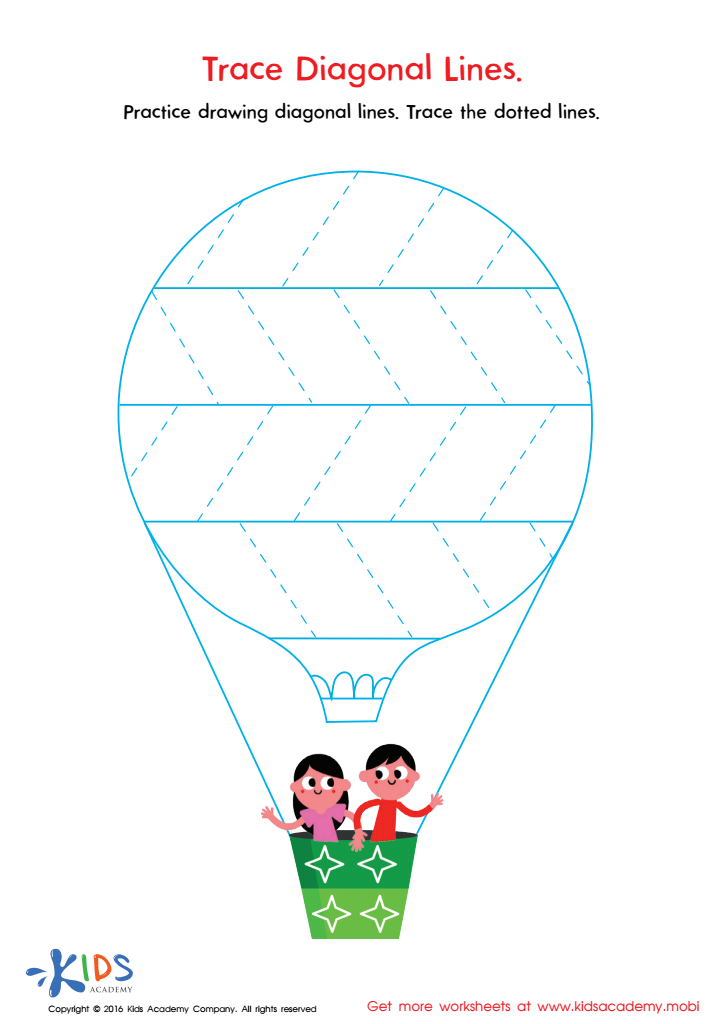
Trace Diagonal Lines Worksheet
 Assign to My Students
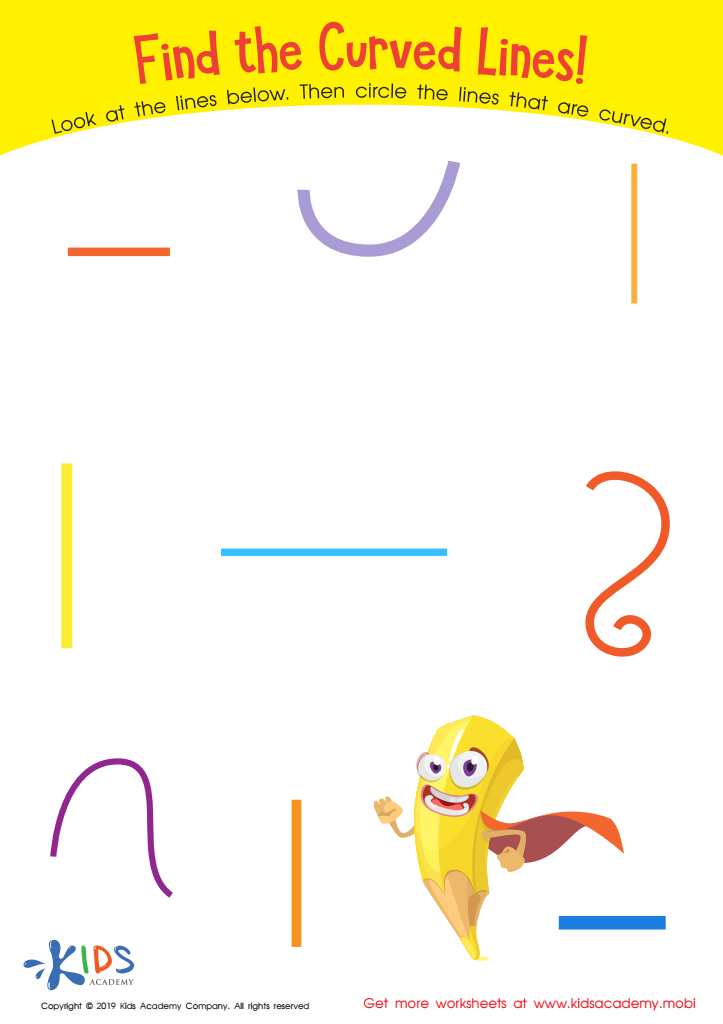
Find the Curved Lines! Worksheet
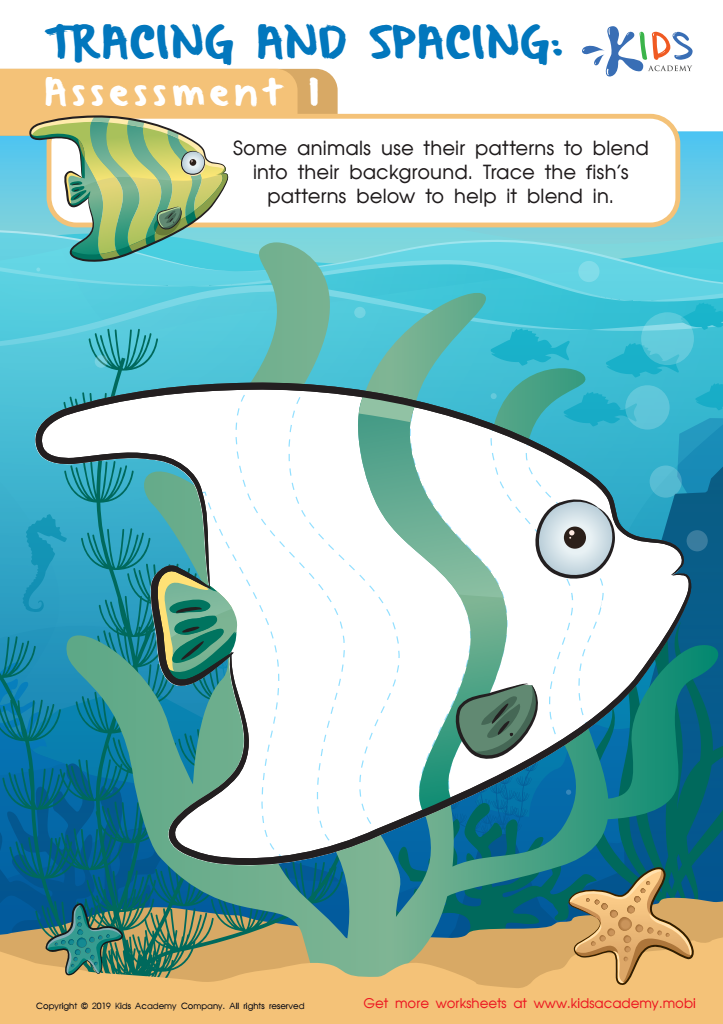
Tracing and Spacing: Assessment 1 Worksheet
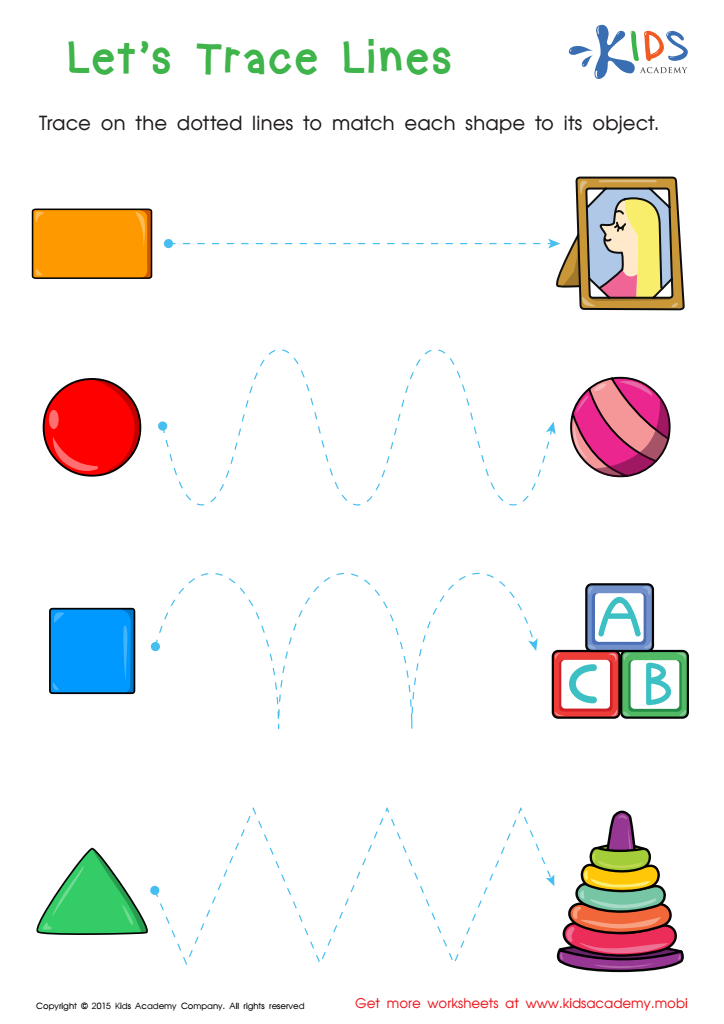
First Words: Let's Trace Lines Worksheet
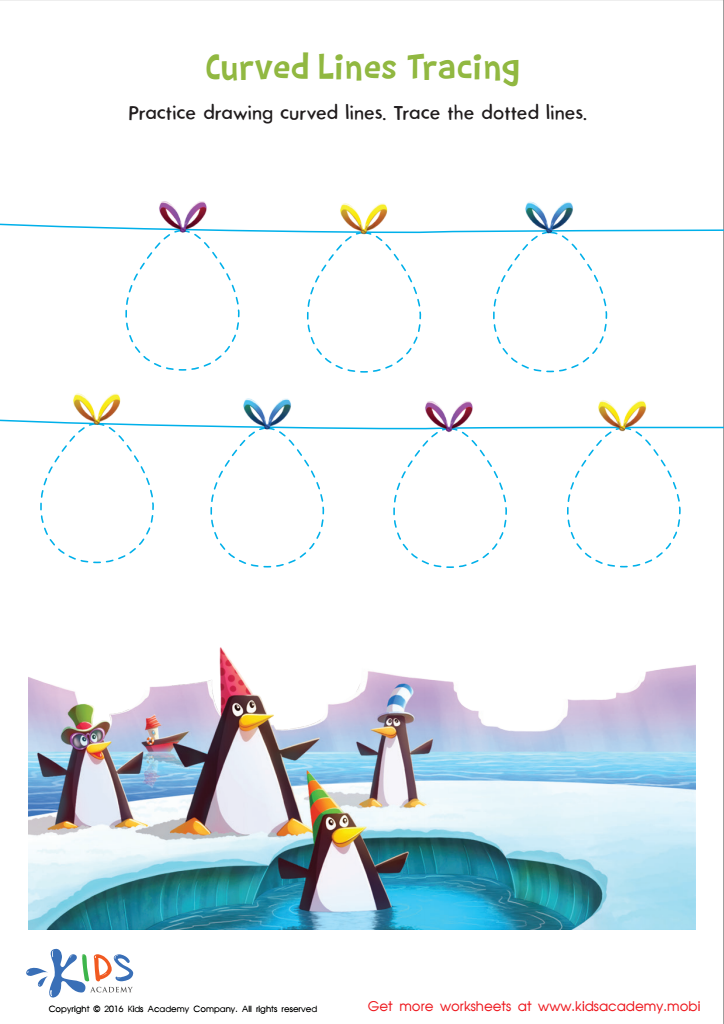
Curved Lines Tracing Worksheet
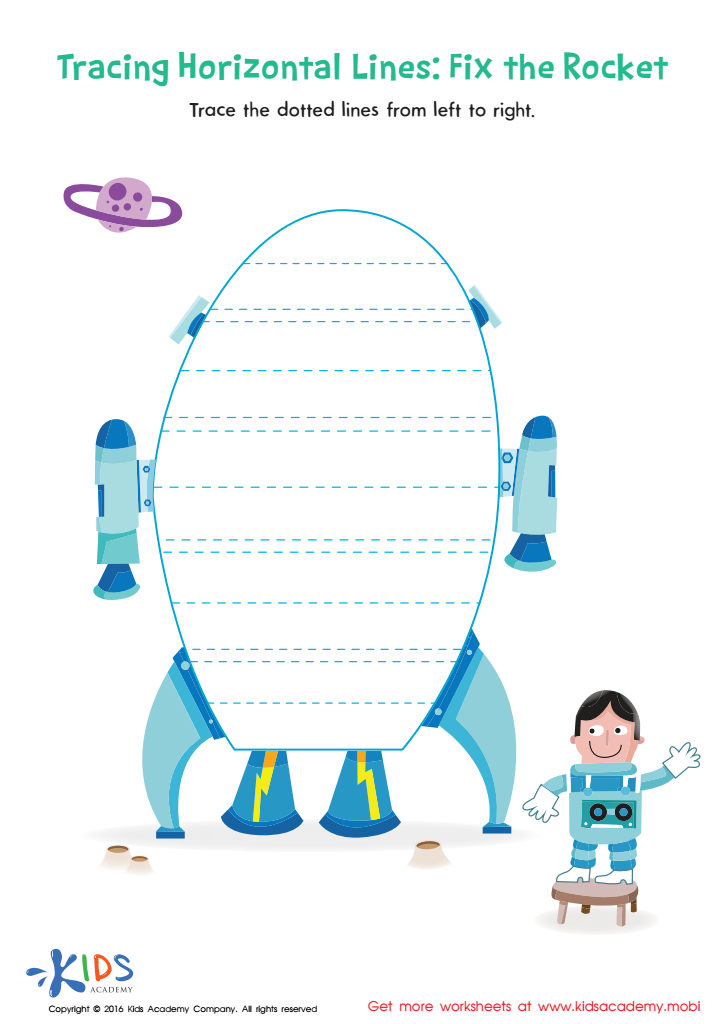
Tracing Horizontal Lines Worksheet
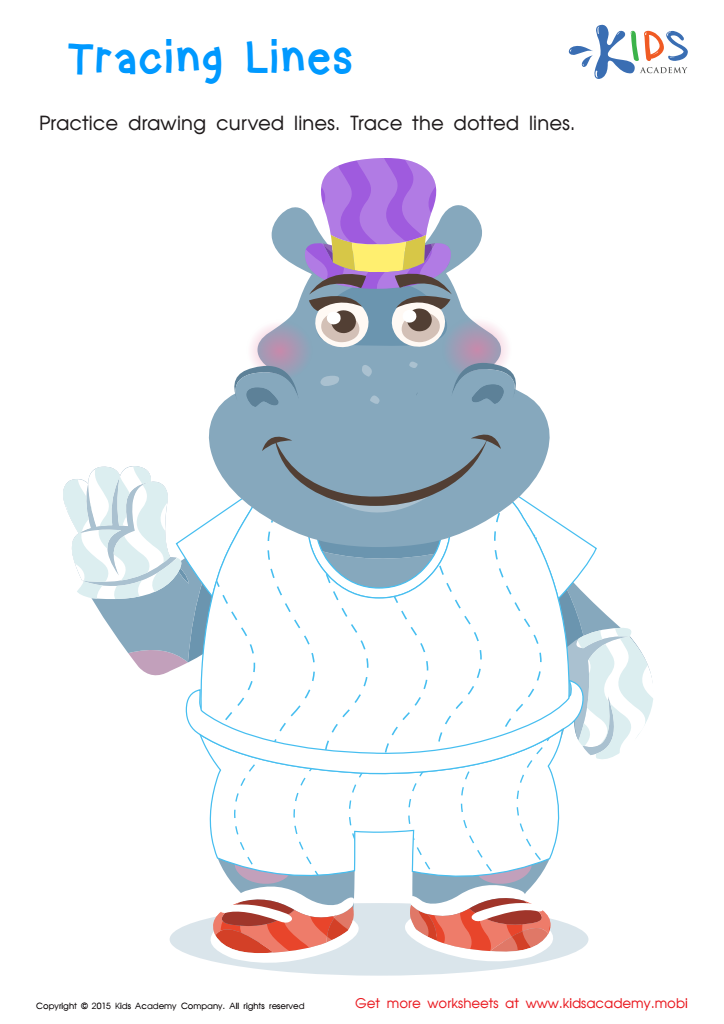
Tracing Lines Worksheet




Hand-eye coordination is fundamental to a child's development, and activities like tracing lines and curves play a vital role in honing this essential skill. For children aged 4-7, this period is critical for neurological development as the brain actively forms connections that underpin future learning abilities. Tracing helps by engaging the visual and motor pathways in a synergistic manner, enabling children to practice precise movements while aligning their visual input with hand activity.
Furthermore, these tracing activities bolster fine motor skills, which are crucial for tasks such as writing, buttoning clothes, and other daily activities. By mastering fine motor control early, children gain confidence and independence in their abilities.
Engaging in tracing exercises also promotes focus and concentration, necessary traits for academic success. The act of carefully following lines and curves requires sustained attention and the ability to manage frustration, which are crucial emotional management skills.
Additionally, hand-eye coordination is directly related to spatial awareness and cognitive development. Understanding how objects and shapes relate to each other, a skill improved through tracing, lays the groundwork for more complex tasks like reading and arithmetic.
In essence, hand-eye coordination exercises like tracing are foundational to broad aspects of a child's growth, ensuring they possess the physical, cognitive, and emotional readiness for more advanced educational challenges.








