Pre-writing skills Tracing Lines and Curves Worksheets for Ages 4-7
5 filtered results
-
From - To
Enhance your child’s fine motor skills with our "Pre-writing Skills Tracing Lines and Curves Worksheets" designed for ages 4-7. These engaging worksheets help young learners develop essential pre-writing abilities by tracing various patterns, lines, and curves. Perfect for preschool and early elementary students, these exercises lay the foundation for effective handwriting. Easy-to-follow and fun, our worksheets boost hand-eye coordination, pencil control, and concentration. Set the stage for successful writing with our expertly crafted learning tools, ideal for both classroom activities and at-home practice. Download today and watch your child's writing skills blossom!
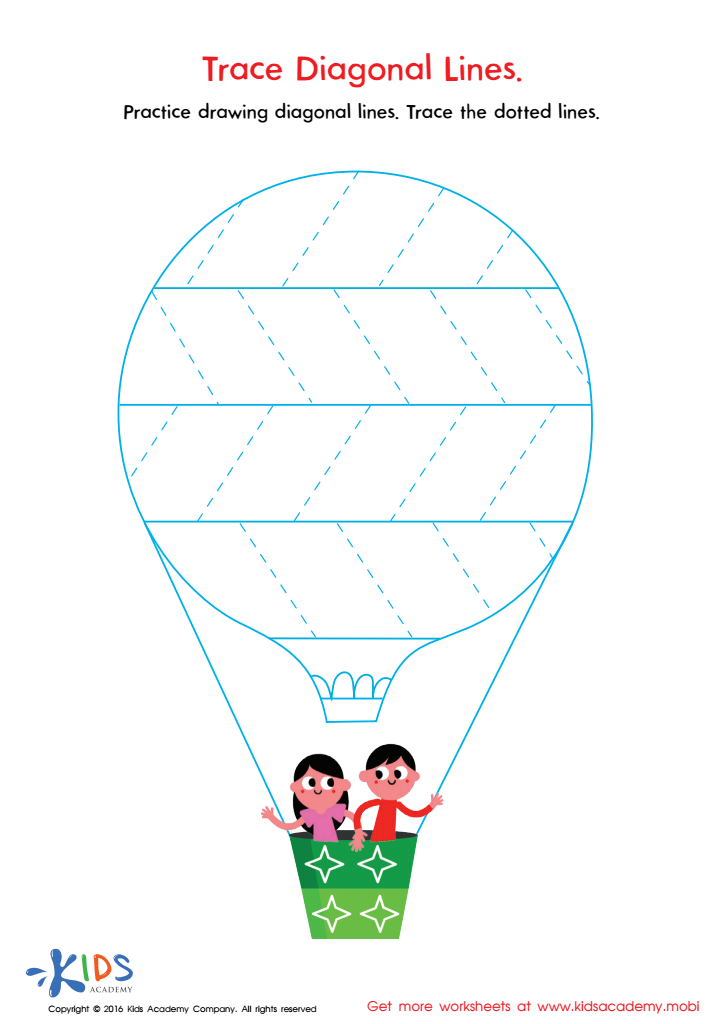
Trace Diagonal Lines Worksheet
 Assign to My Students
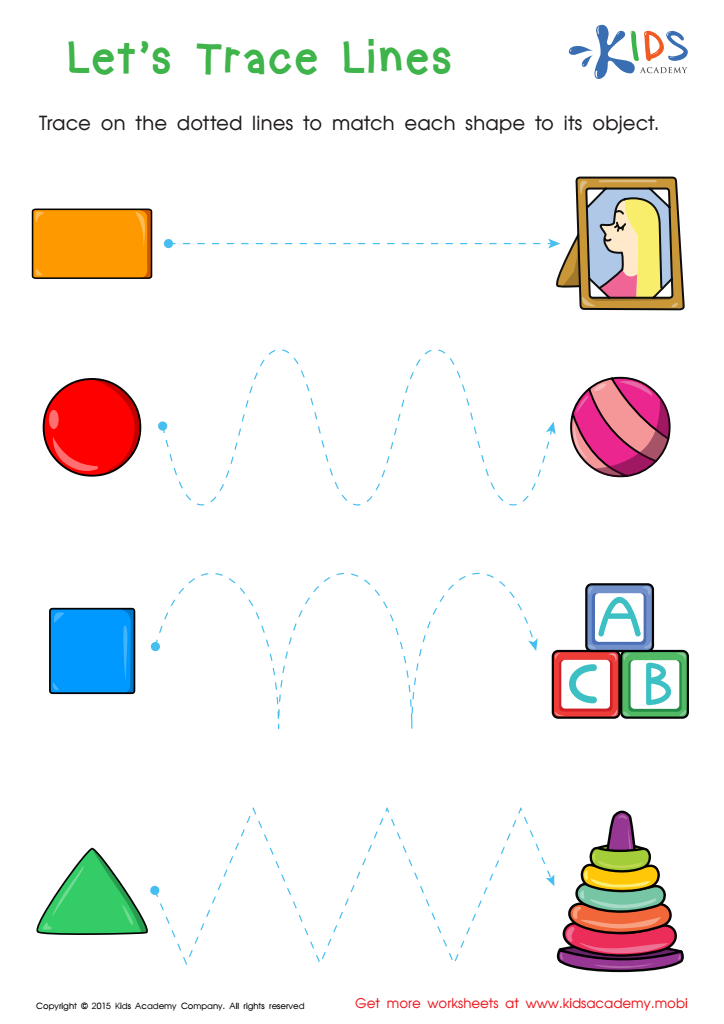
First Words: Let's Trace Lines Worksheet
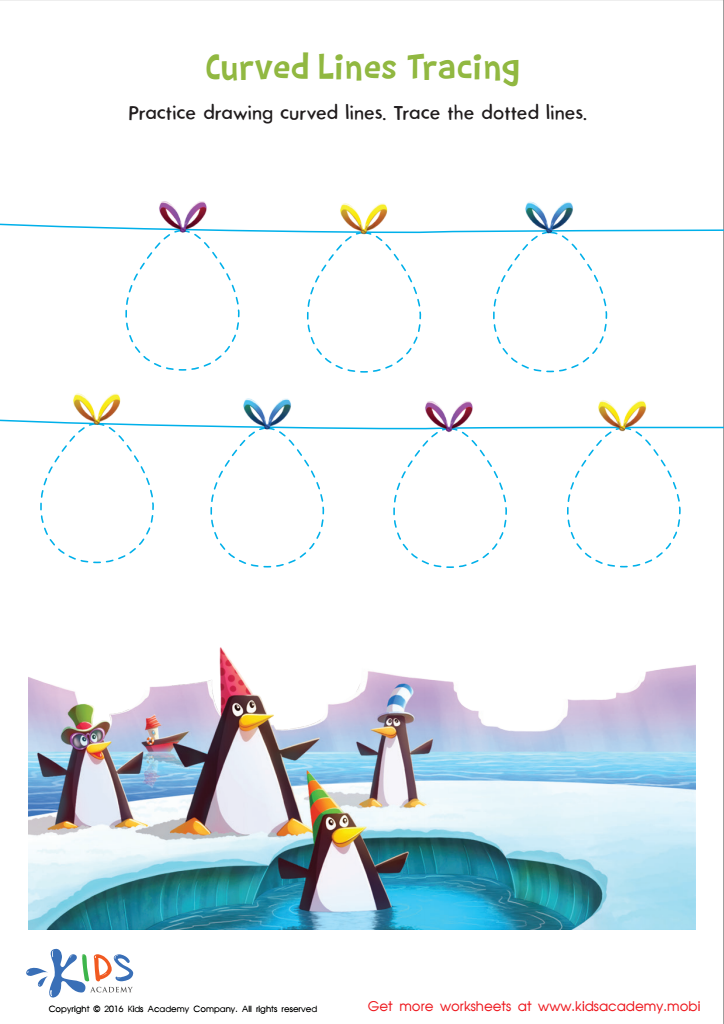
Curved Lines Tracing Worksheet
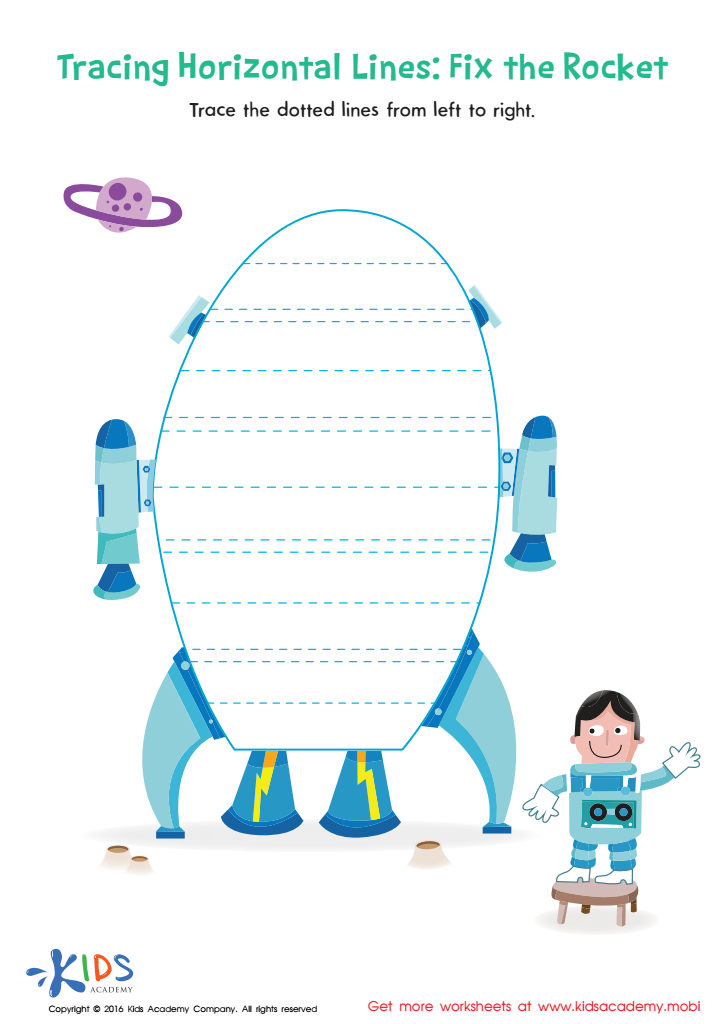
Tracing Horizontal Lines Worksheet
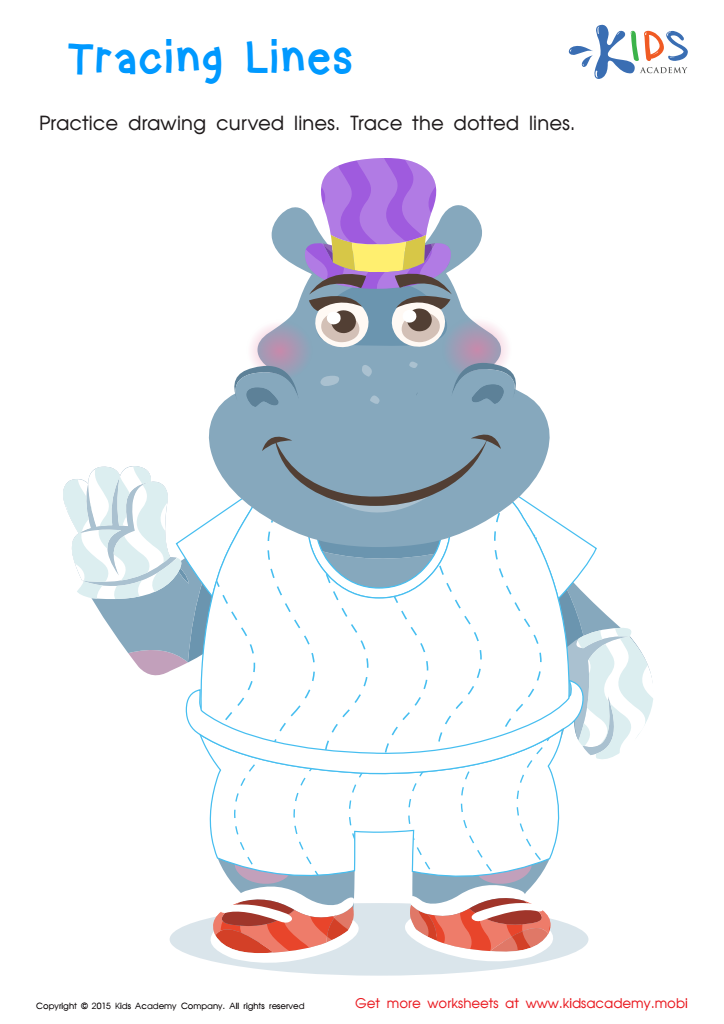
Tracing Lines Worksheet




Pre-writing skills, such as tracing lines and curves, are foundational for children ages 4-7 and are crucial for several reasons. First, they help develop fine motor skills. These early writing activities strengthen the small muscles in children's hands and fingers, enhancing their grip, coordination, and control—all essential for tasks like holding a pencil or tying shoelaces.
Second, tracing lines and curves aids in hand-eye coordination. When children focus on following a path accurately, they learn to synchronize their visual and motor responses, a skill important not only for writing but also for activities like sports and daily tasks.
Additionally, these activities promote cognitive development. Tracing encourages children to recognize patterns, shapes, and sequences, helping them develop attention to detail and problem-solving skills. These cognitive abilities are foundational for more complex tasks like reading and math.
Moreover, mastering these pre-writing skills equips children with a sense of achievement and boosts their confidence. This sense of mastery fosters a positive attitude toward learning and persistence, which are critical attitudes for academic success.
Lastly, pre-writing skills serve as a precursor to writing letters and numbers. By developing a controlled hand through tracing, children learn the fundamental movements needed to form legible characters. This early preparation smoothens the transition to more advanced writing tasks, making the learning process more enjoyable and less frustrating.








