Color recognition Color by Numbers Worksheets for Ages 4-7
7 filtered results
-
From - To
Discover the vibrant world of color recognition with our engaging Color by Numbers Worksheets designed for children aged 4-7! These fun and educational activities help young learners develop essential color identification skills while stimulating creativity. Each worksheet features delightful images and a corresponding color key, making it easy for kids to follow along and complete their masterpieces. As they color, children enhance their fine motor skills, improve concentration, and gain confidence in their artistic abilities. Ideal for preschoolers and early learners, these worksheets are a perfect addition to any home or classroom setting, encouraging both play and learning in a delightful way!
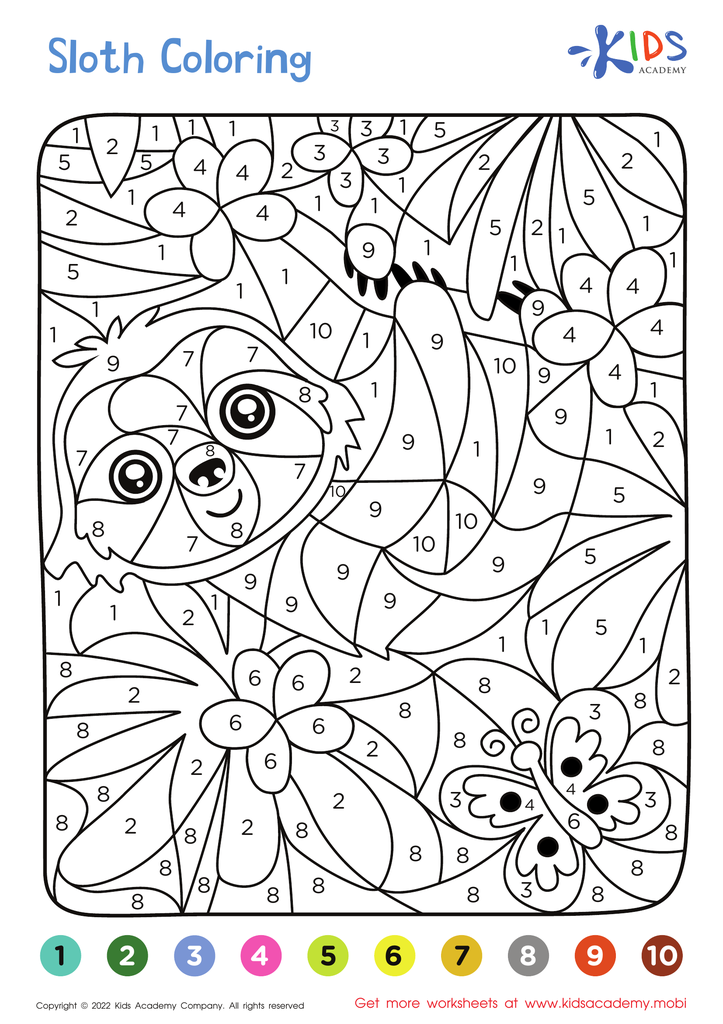
Sloth – Coloring by Numbers
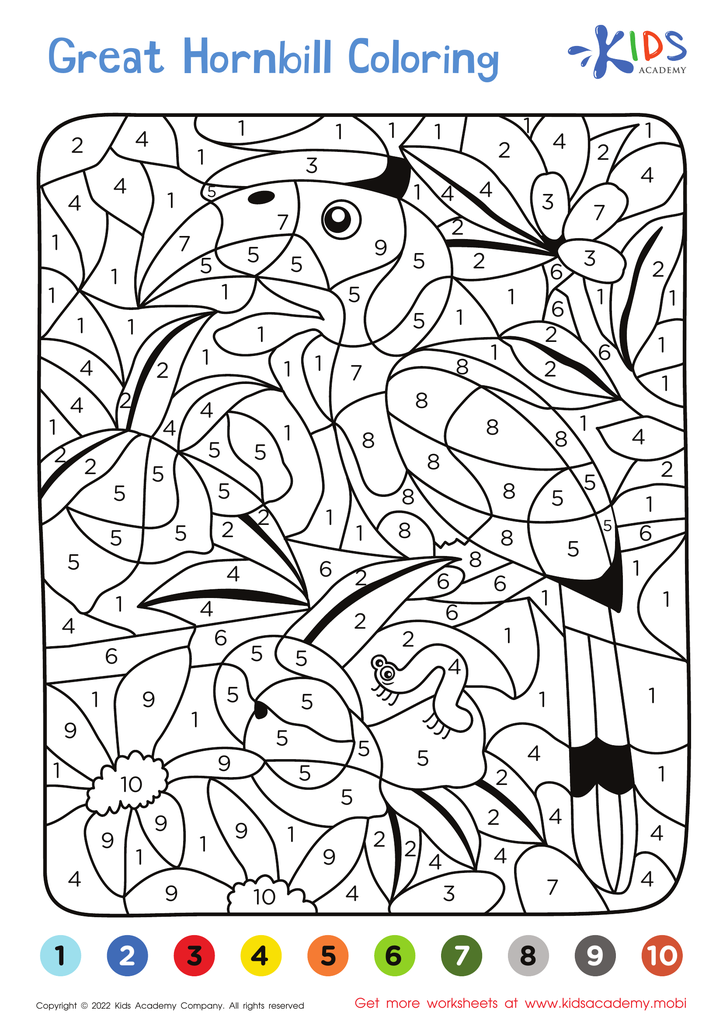
Great Hornbill – Coloring by Numbers
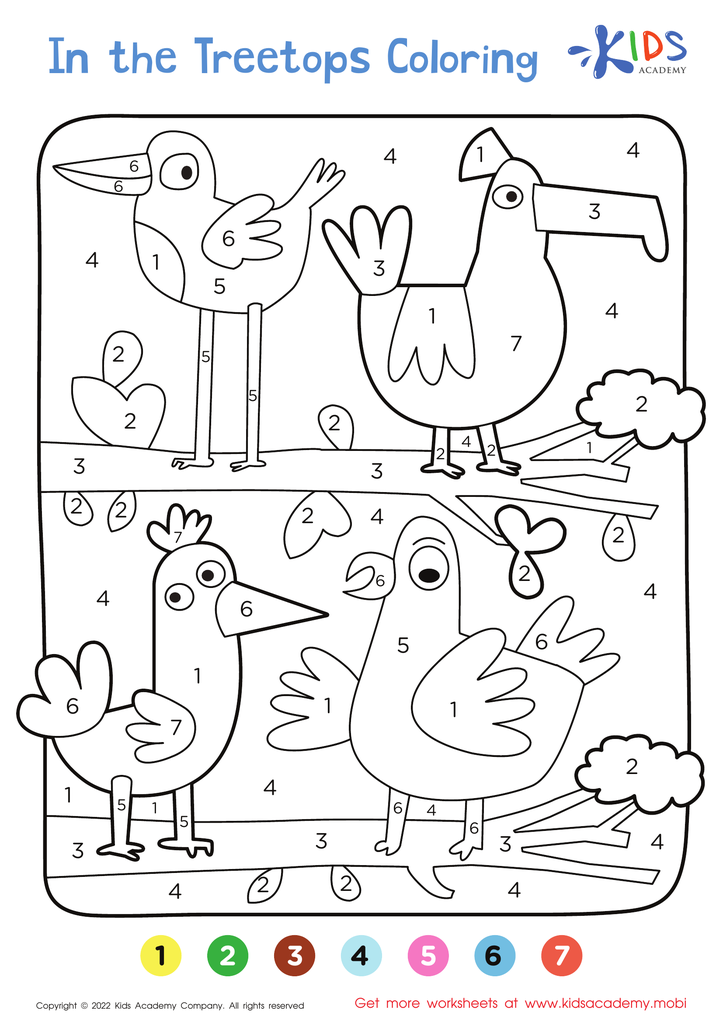
In the Treetops – Coloring Page
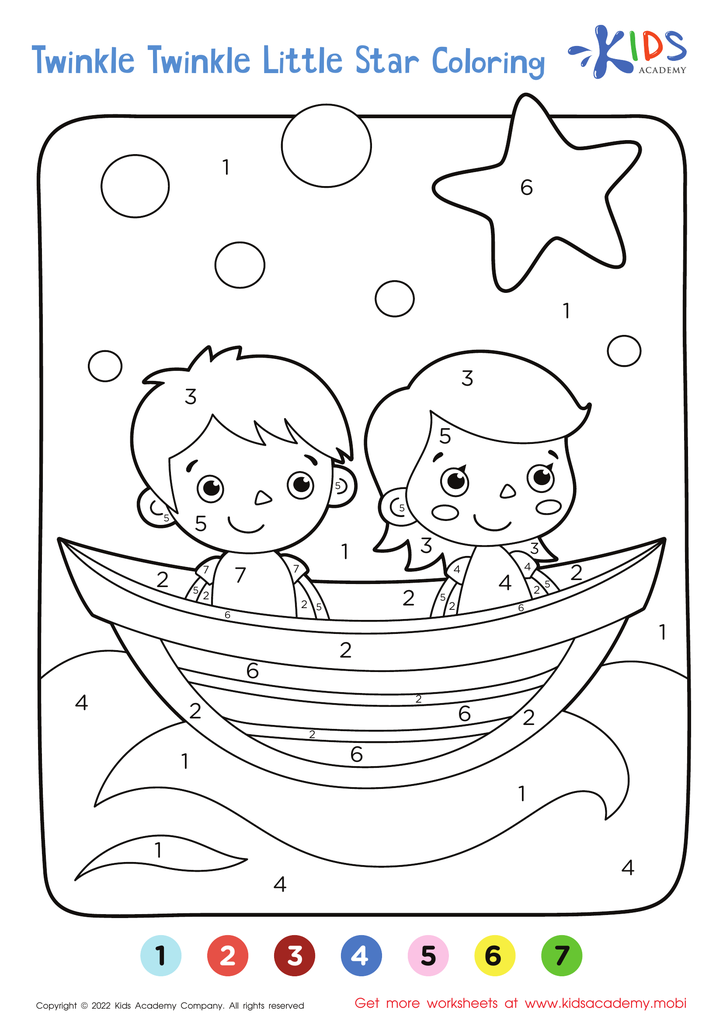
Twinkle, Twinkle, Little Star – Coloring by Numbers
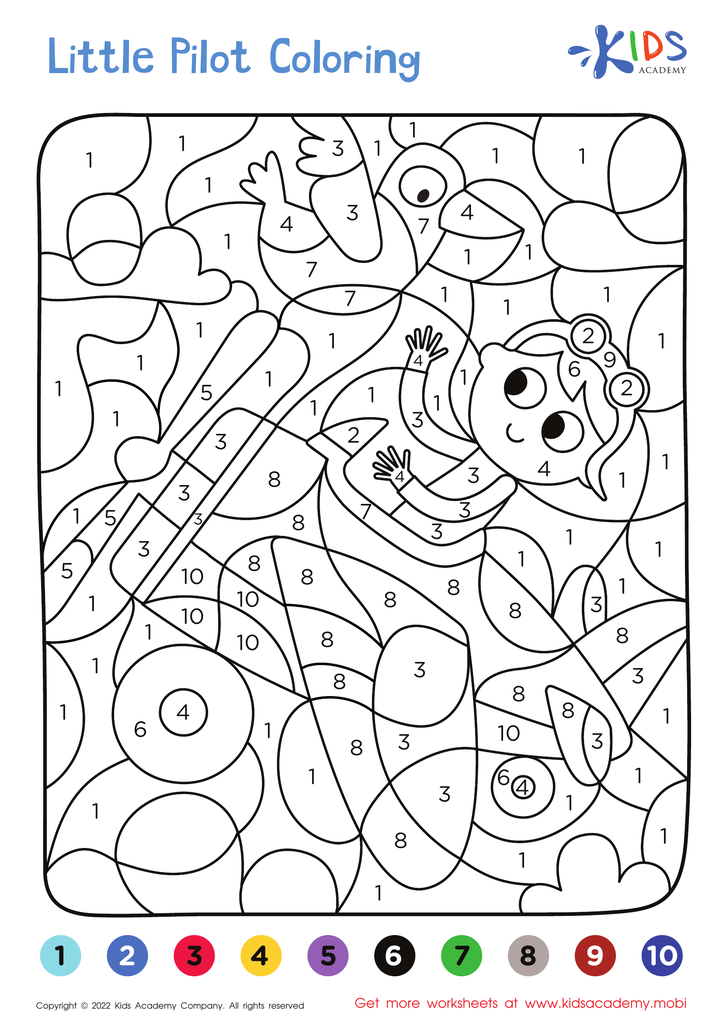
Little Pilot – Coloring by Numbers
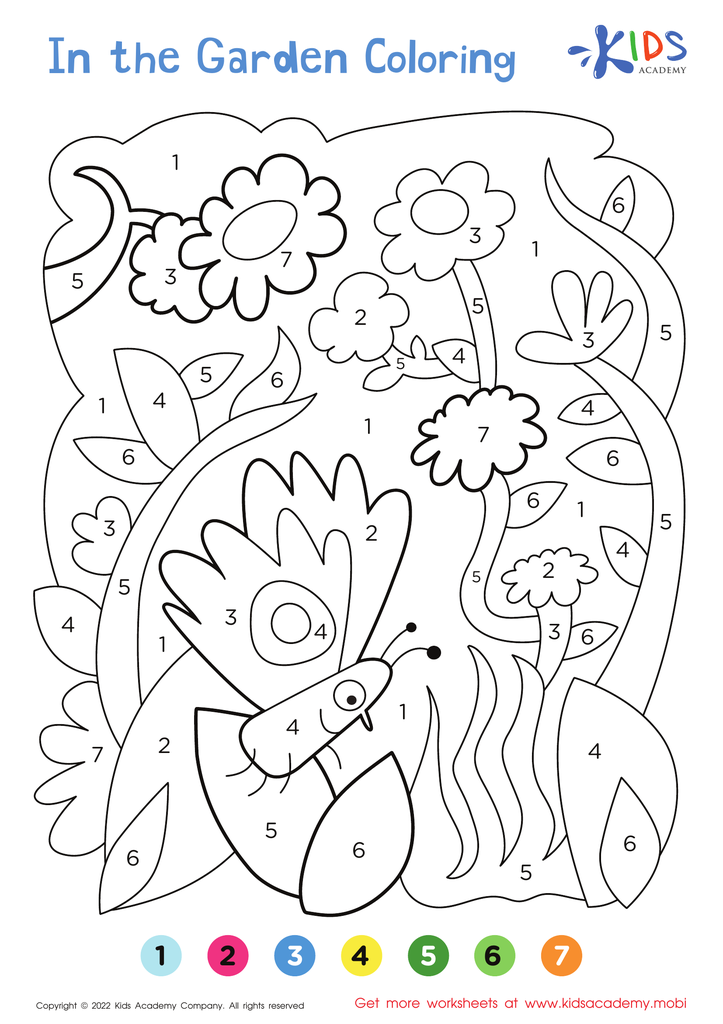
In the Garden – Coloring by Numbers
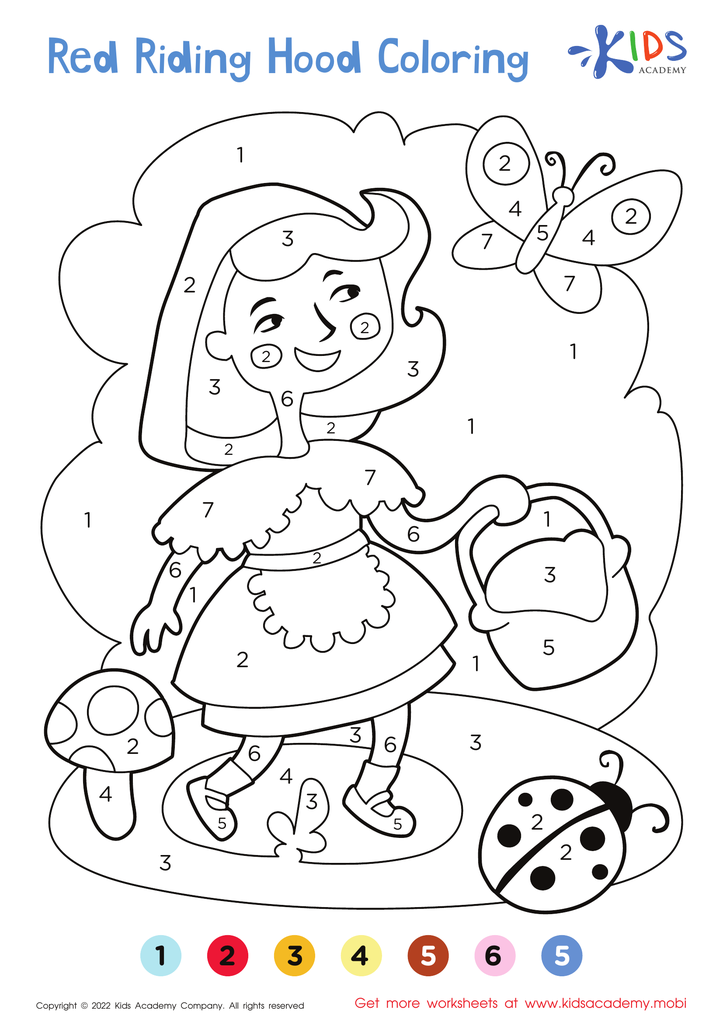
Little Red Riding Hood – Coloring by Numbers


.jpg)

Parents and teachers should care about color recognition and color by numbers activities for children aged 4-7 because these skills play a vital role in early childhood development. First, color recognition is a foundational skill that enhances a child's ability to categorize and interpret the world around them. Recognizing colors helps in the development of language skills, as children learn the names and associations of various colors, which contributes to their vocabulary.
Color by numbers activities further boost cognitive skills by integrating counting and color identification. These fun tasks promote fine motor skills as children practice coloring within boundaries, enhancing their hand-eye coordination—a critical skill for writing and other daily activities. Moreover, engaging in these activities helps develop focus and patience, as children must concentrate to complete their projects.
Additionally, color by numbers can encourage creativity and artistic expression, fostering self-confidence when children see their completed artwork. Socially, these activities can also provide opportunities for cooperative play, as children can work together, sharing crayons and ideas. Overall, promoting color recognition and engaging in color by numbers activities are essential for fostering holistic development in young learners, making them valuable tools for both parents and educators.