Analyzing data Worksheets for Ages 4-7
5 filtered results
-
From - To
Explore our engaging "Analyzing Data Worksheets for Ages 4-7" designed to introduce young learners to essential data analysis skills. These printable worksheets encourage kindergarten and early grade students to collect, interpret, and visualize information in a fun and interactive way. Through colorful visuals and age-appropriate activities, children can practice sorting, categorizing, and graphing data, reinforcing key concepts in math and critical thinking. Ideal for classroom use or at-home learning, our worksheets promote curiosity and hands-on learning experiences. Help your child build a strong mathematical foundation with resources that inspire creativity and confidence in analyzing data!
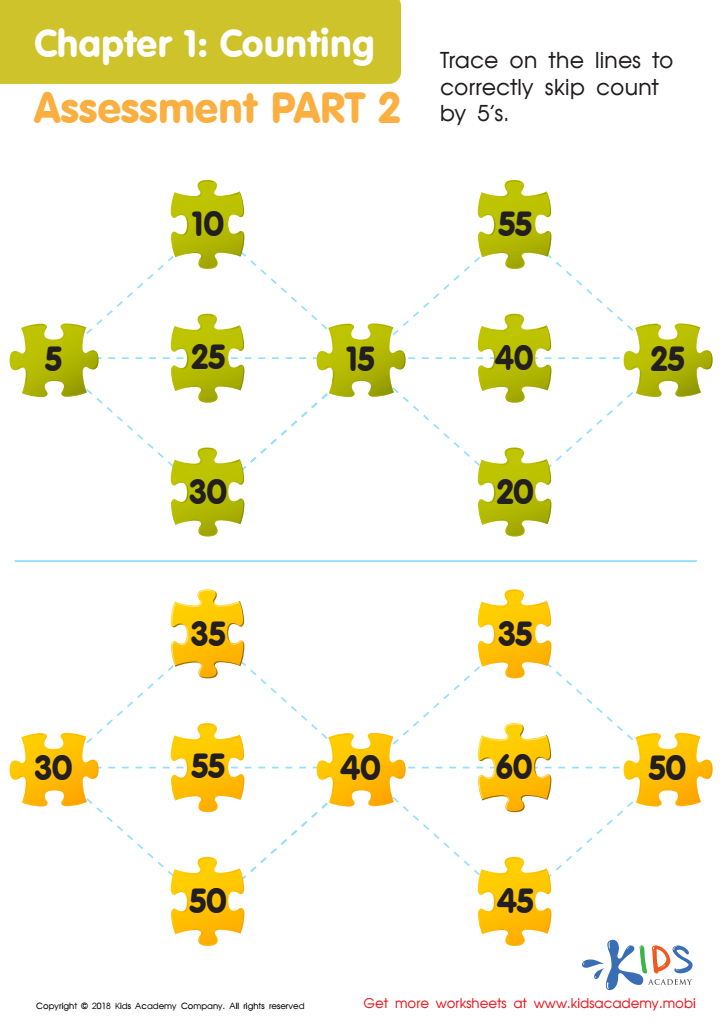
Counting: Assessment 2 Worksheet
 Assign to My Students
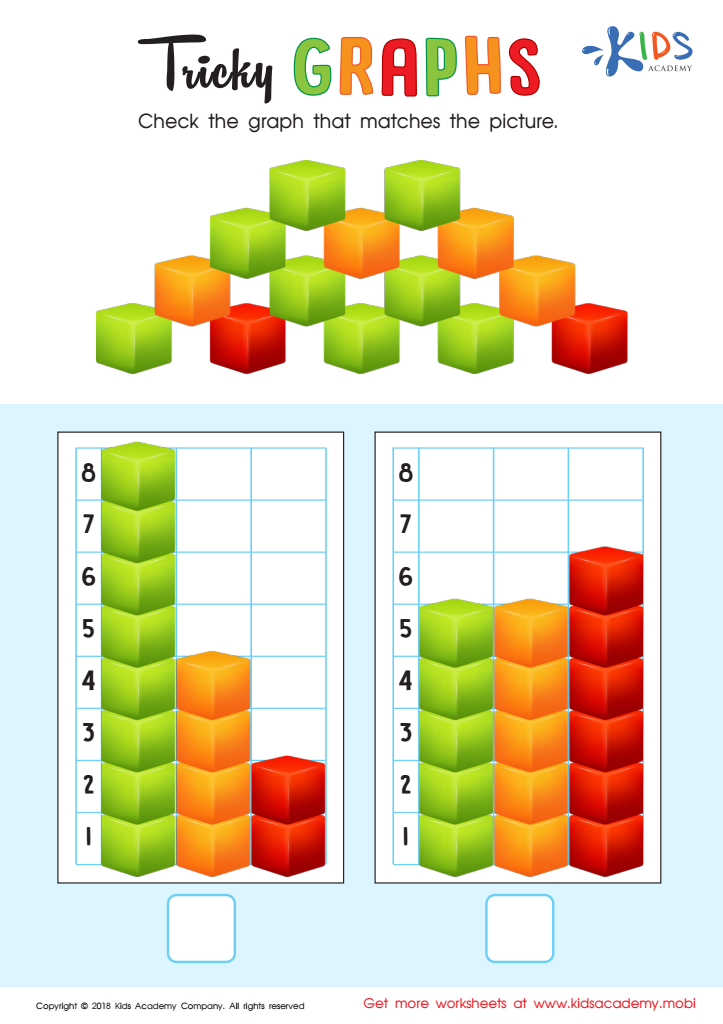
Tricky Graphs Worksheet
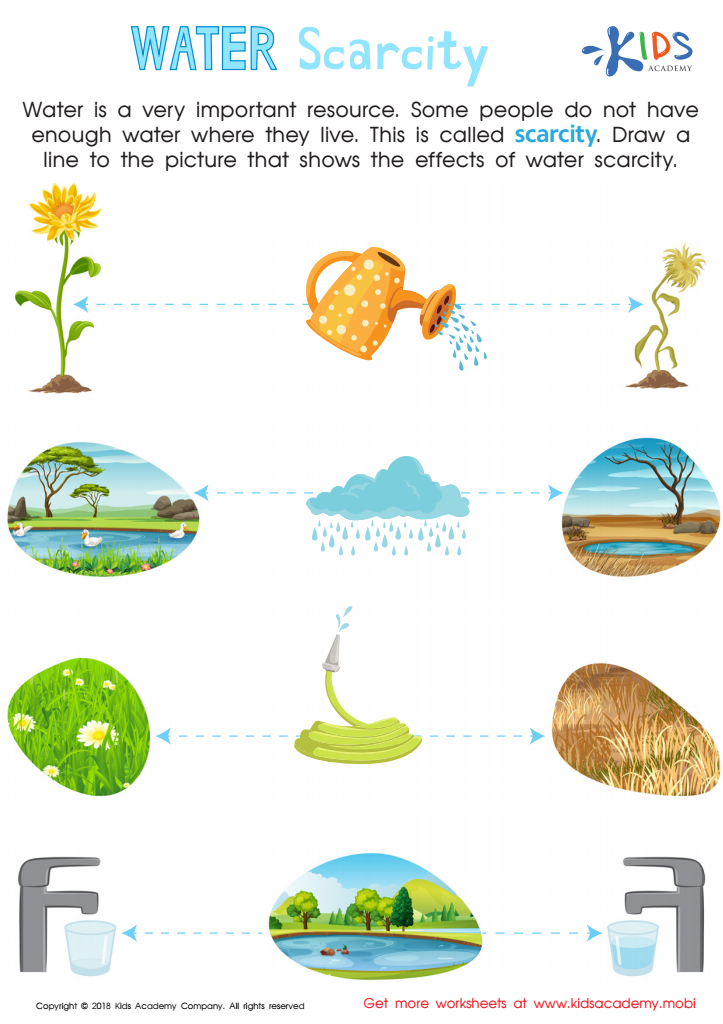
Water Scarcity Worksheet
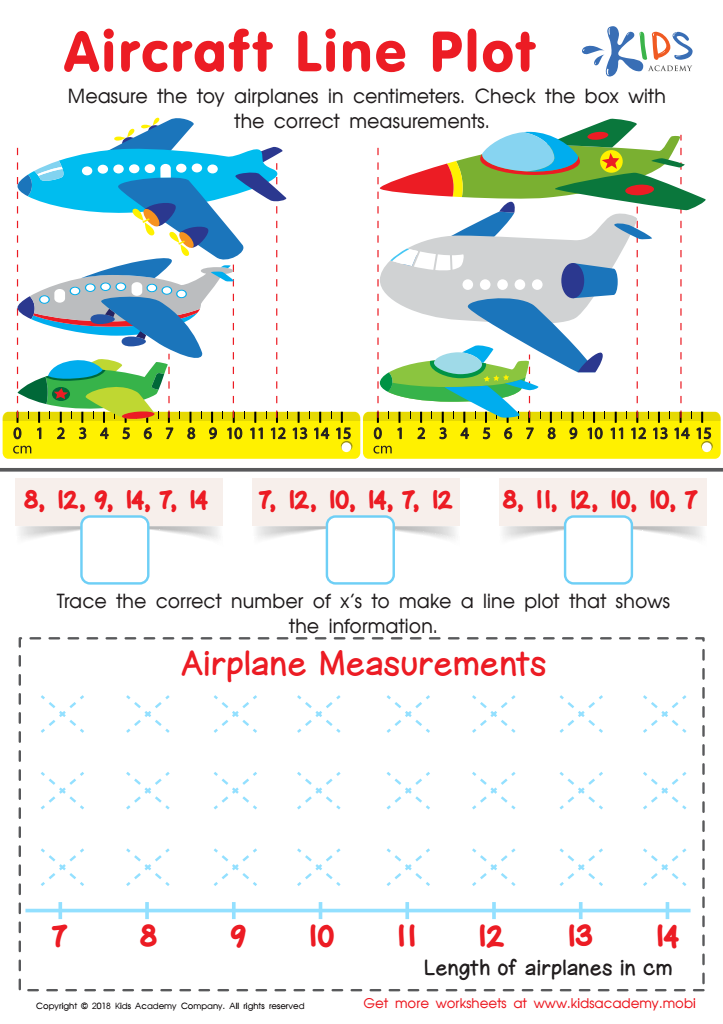
Aircraft Line Plot Worksheet








Analyzing data for children aged 4-7 is crucial for both parents and teachers as it can significantly enhance educational outcomes and support individual growth. At this age, children are forming foundational skills across cognitive, social, and emotional domains. Data analysis allows educators and parents to identify patterns in a child's learning style, behavior, and progress. For instance, tracking developmental milestones can help highlight areas where a child excels or may need additional support.
This analysis also fosters targeted interventions, enabling educators to tailor lesson plans that cater to diverse learning needs, thereby ensuring that no child is left behind. It also aids in evaluating the effectiveness of teaching methods, helping educators to refine their approaches based on evidence rather than assumptions.
Furthermore, involving parents in this data analysis creates a partnership where they can actively support their child's learning at home. Understanding their child's strengths and weaknesses equips parents with strategies to engage in meaningful activities that bolster learning.
Ultimately, by valuing data analysis, both parents and teachers can create a richer, more supportive educational environment that nurtures each child’s unique potential and lays the groundwork for lifelong learning.








