Compare fractions Worksheets for Ages 4-7
5 filtered results
-
From - To
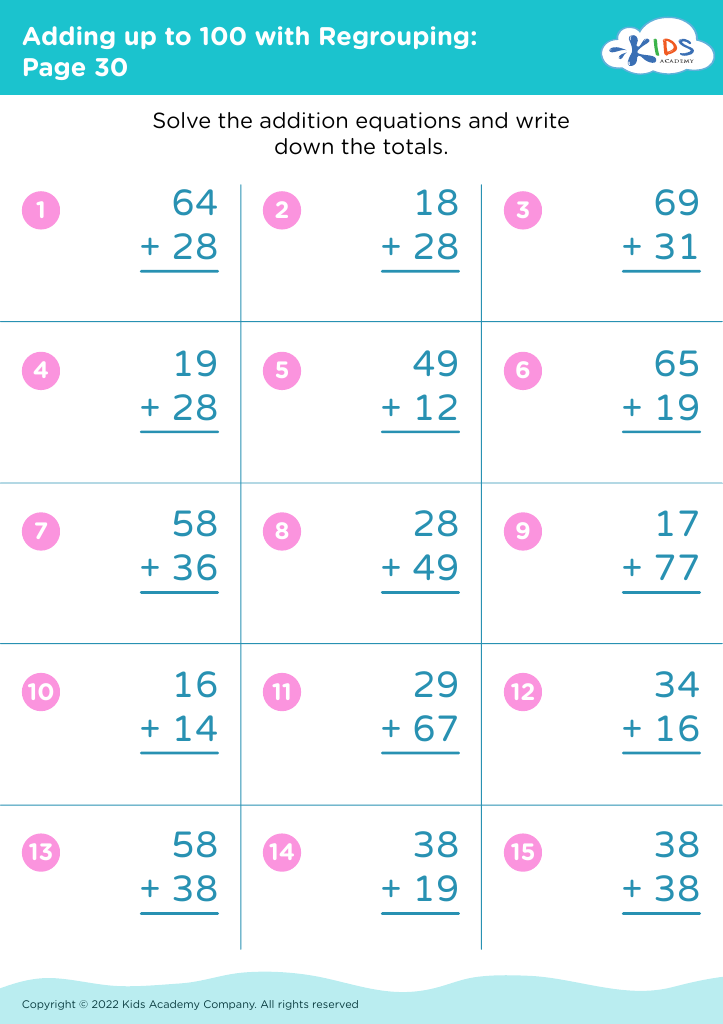
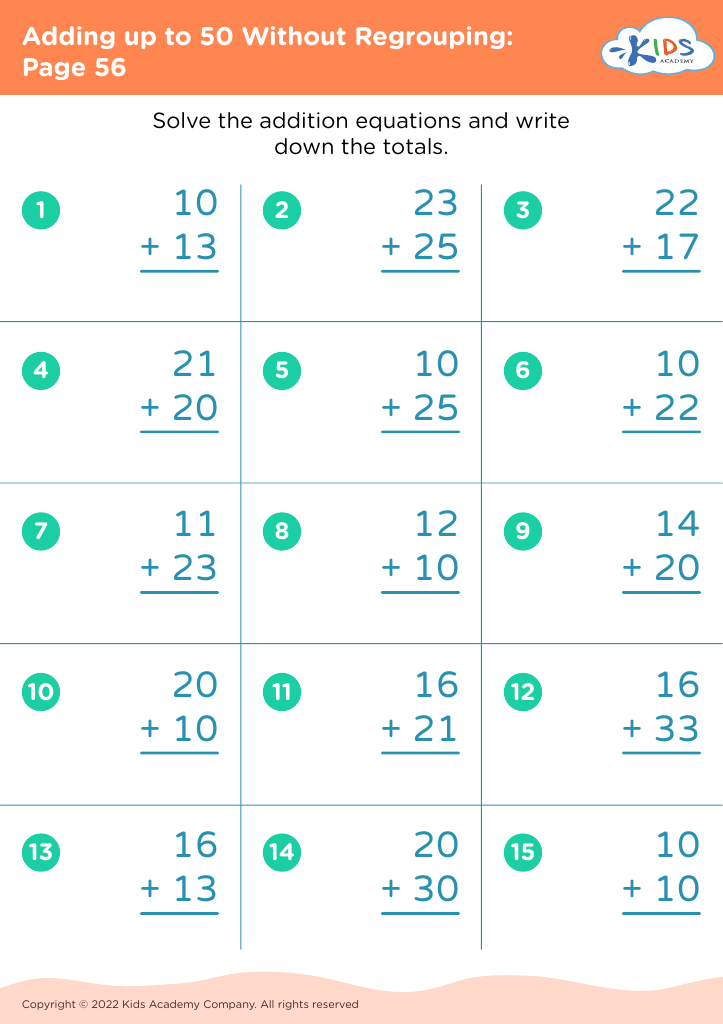
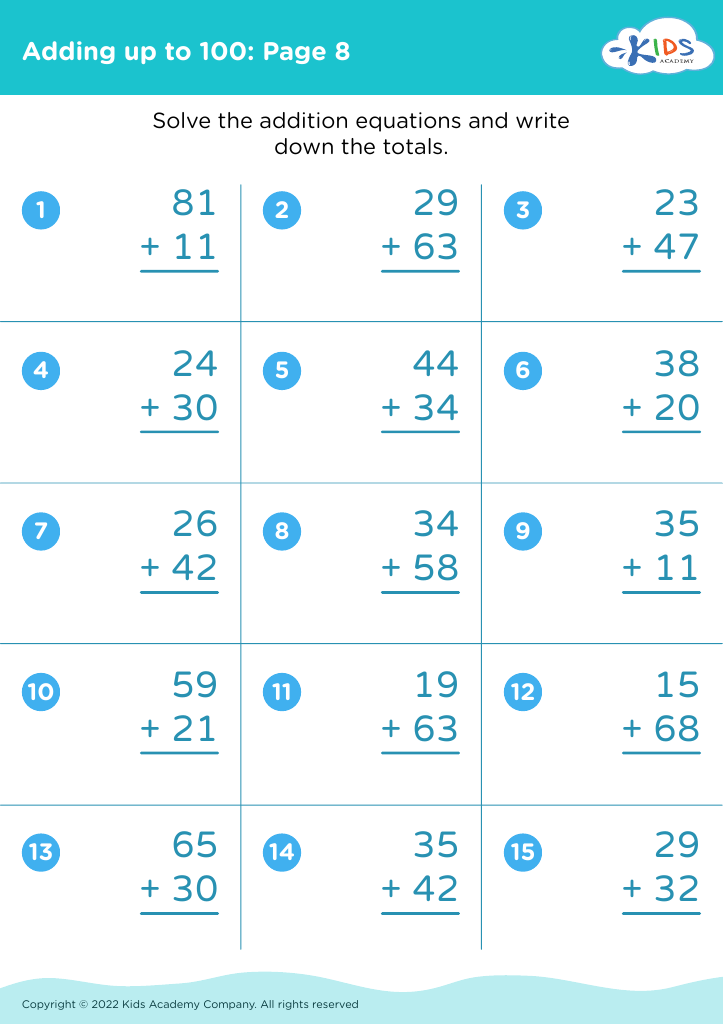
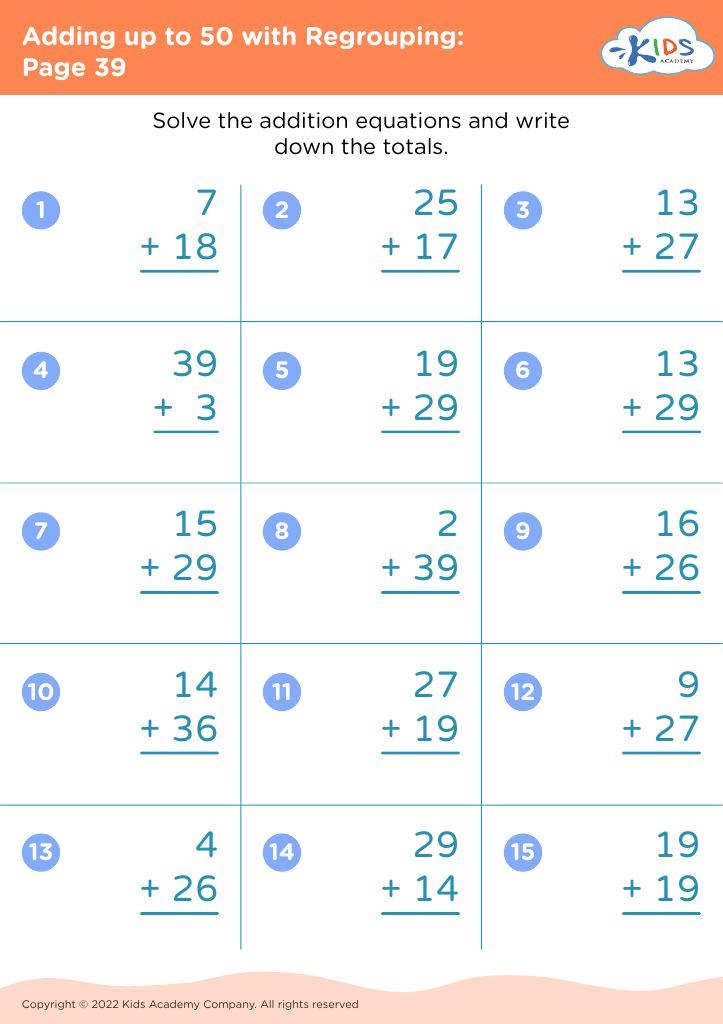
Discover our engaging "Compare Fractions Worksheets for Ages 4-7," designed to make learning fractions fun and interactive for young learners. These age-appropriate activities help children grasp the concept of fractions through visual aids and hands-on exercises. With a variety of colorful worksheets, kids will practice comparing different fractions, enhancing their understanding of numerical relationships. Perfect for both classroom and at-home learning, these worksheets build a strong foundation in math skills while keeping children entertained and motivated. Elevate your child's math competence and confidence with our expertly crafted fraction comparison worksheets.
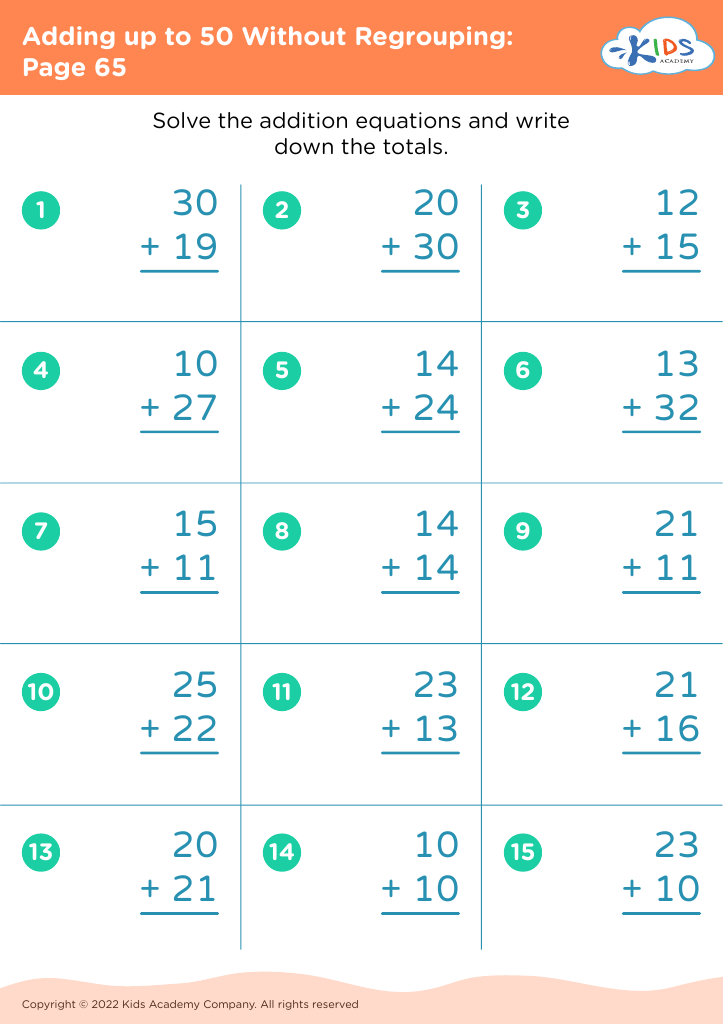








Understanding how to compare fractions is a foundational math skill that benefits children ages 4-7 in various ways. At this stage, children are naturally curious and absorb information quickly. Introducing them to fractions early helps build a strong mathematical foundation.
First, comparing fractions helps develop critical thinking and problem-solving skills. As children learn to recognize which fractions are larger or smaller, they are effectively engaging in analytical thinking. This cognitive process is crucial for their overall academic development and is a lifelong skill.
Second, fractions are prevalent in everyday life. Whether it's slicing a pizza, sharing candies, or measuring ingredients for cooking, understanding fractions helps children relate math to real-world situations. This practical application makes learning more meaningful and fun.
Moreover, early understanding of fractions supports future math learning. Fractions are integral to more advanced math topics such as ratios, proportions, and algebra. Strong early skills make transitioning to these more advanced concepts easier.
Finally, early exposure to comparing fractions can boost a child's confidence in math. Children who grasp this concept early tend to feel more comfortable tackling other mathematical challenges, creating a positive feedback loop that fosters a love for learning.
In sum, focusing on comparing fractions at a young age equips children with essential skills that benefit their academic and everyday lives.








