
Comparing numbers Worksheets for Ages 4-7
11 filtered results
Difficulty Level
Grade
Age
-
From - To
Subject
Activity
Standards
Explore our engaging "Comparing Numbers Worksheets" designed for ages 4-7 to help young learners build essential math skills! These worksheets offer fun and interactive activities that teach children how to compare numbers using less than, greater than, or equal to symbols. With colorful illustrations and age-appropriate exercises, kids will enjoy practicing fundamental math concepts while developing critical thinking skills. Perfect for at-home learning or classroom use, our printable resources provide a user-friendly way to enhance early numeracy and build confidence in math. Start your child's learning journey today with our exciting comparing numbers activities!
Favorites
With answer key
Interactive
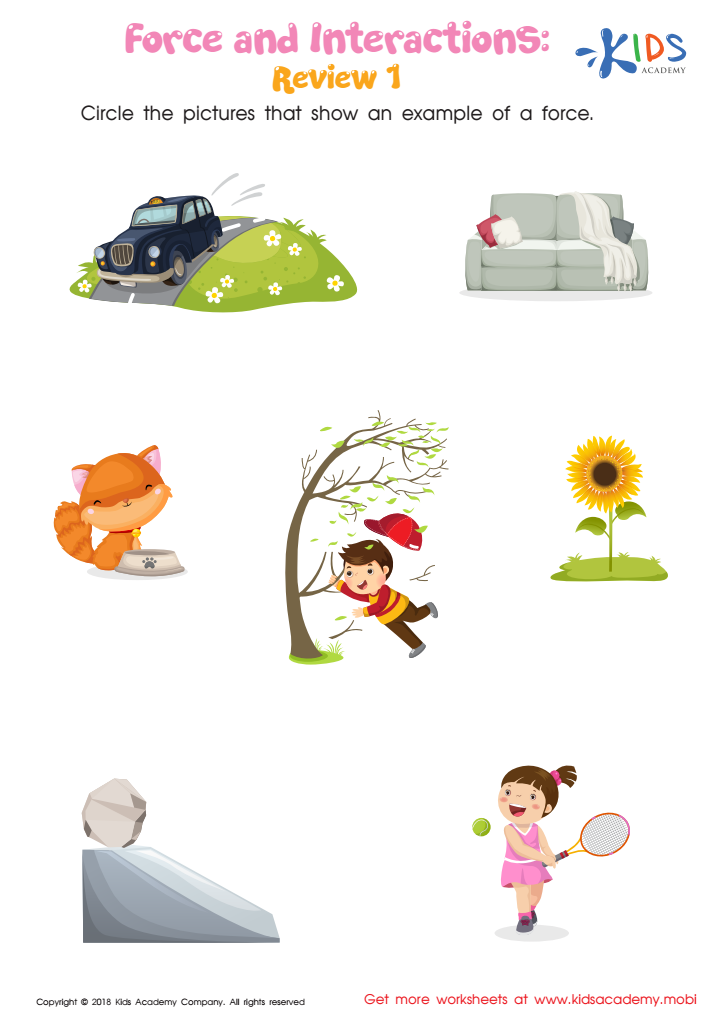
Force and Interactions: Review 1 Worksheet
See how well your child can identify the different forces.
Explain to your child that force is what causes objects to move, such as wind blowing a branch or an object going down a ramp. Ask them to circle images that show a force and assess how well they can identify them.
 Assign to My Students
Force and Interactions: Review 1 Worksheet
Worksheet
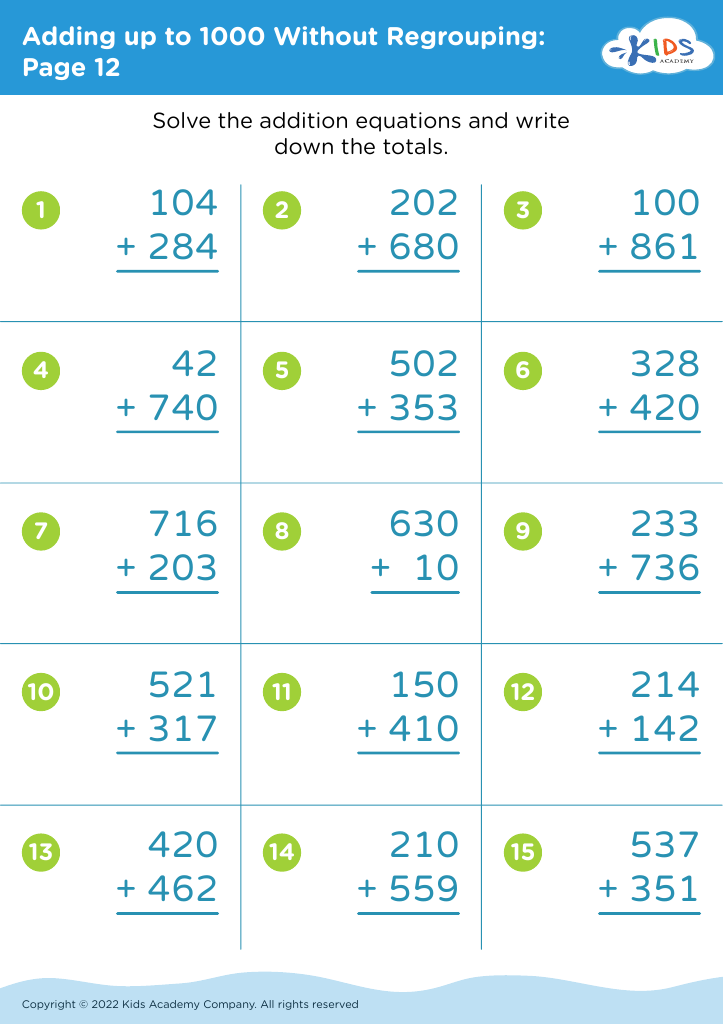
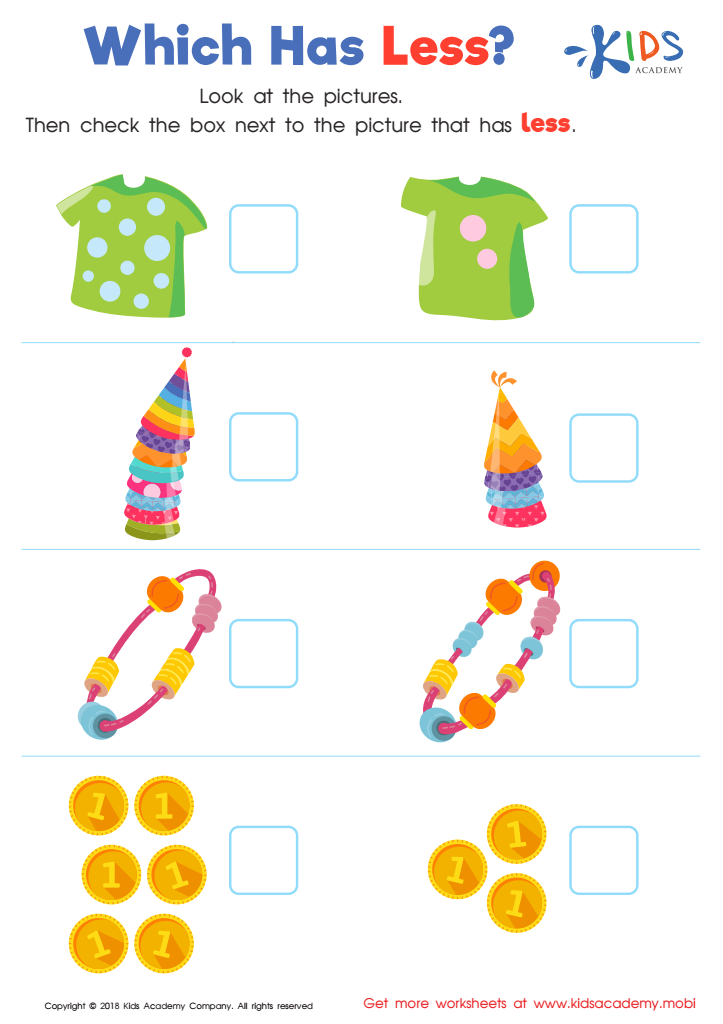
Which Has Less? Worksheet
Kids can develop their number sense by comparing and contrasting objects to identify which has less. This worksheet helps them practice: it's bright and colorful, featuring familiar objects and pictures to count, strengthening basic counting skills. It's the perfect warm-up for comparing and contrasting larger numbers.
Which Has Less? Worksheet
Worksheet
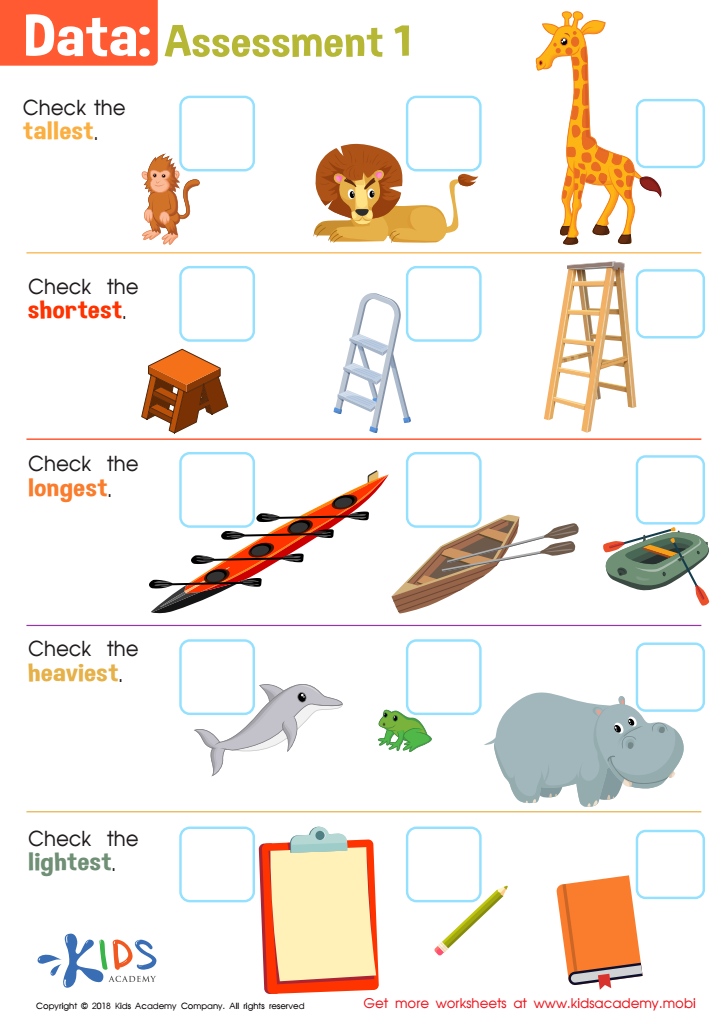
Data: Assessment 1 Worksheet
This free worksheet helps you assess where your young students are with measurement superlatives like tallest, shortest, heaviest, longest and lightest. It features cute, colorful pics of familiar objects so your kids have a reference, and helps you identify areas to work on.
Data: Assessment 1 Worksheet
Worksheet
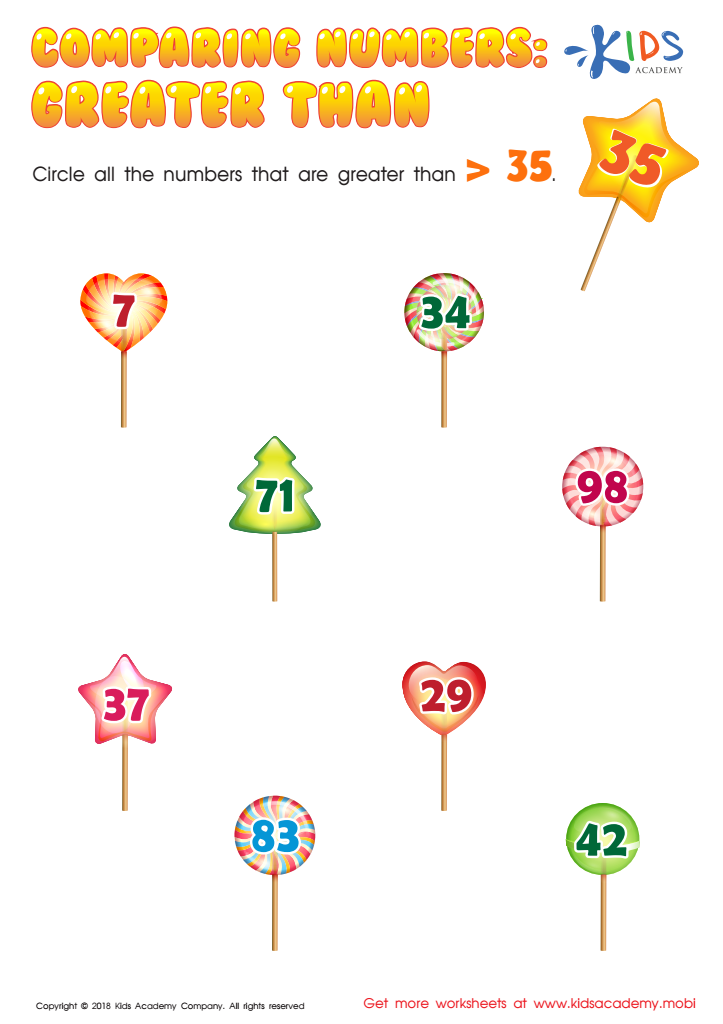
Greater Than Worksheet
Tired of generic maths problems? Try this fun pdf worksheet! With your child or student, carefully look through the numbers in the balloon and circle those greater than 35. Enjoyable and educational!
Greater Than Worksheet
Worksheet
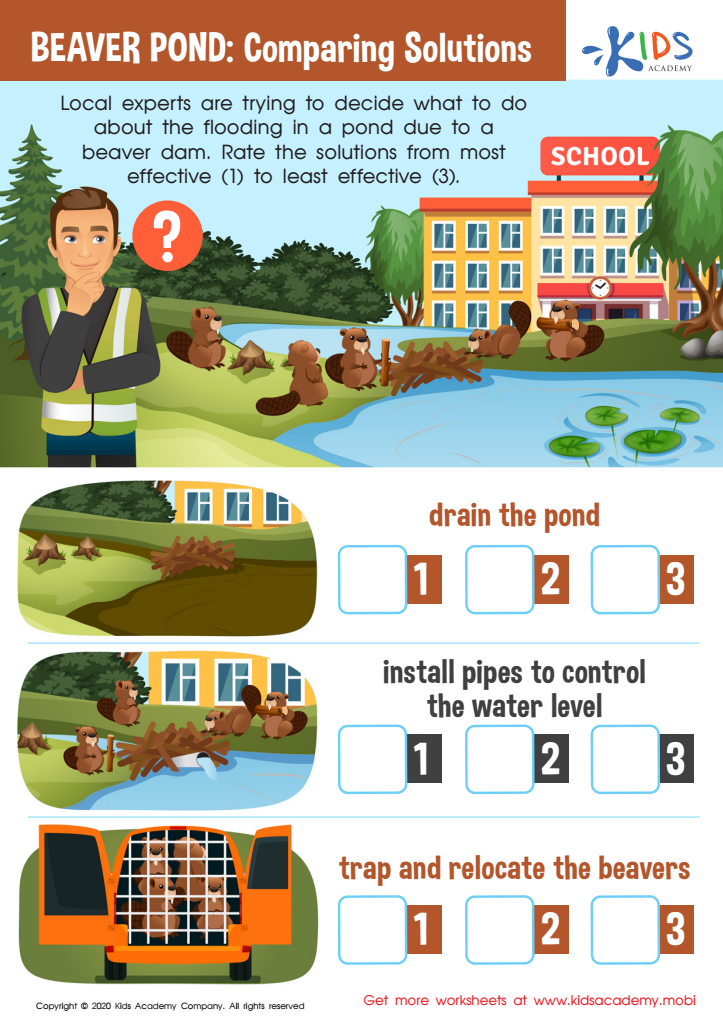
Beaver Pond: Comparing Solutions Worksheet
Got a problem? This science worksheet is great for helping your child compare solutions and pick the best one. Kids get to rate each option's effectiveness by ticking off boxes, from most to least. It's a great way to encourage problem-solving skills, while having fun!
Beaver Pond: Comparing Solutions Worksheet
Worksheet
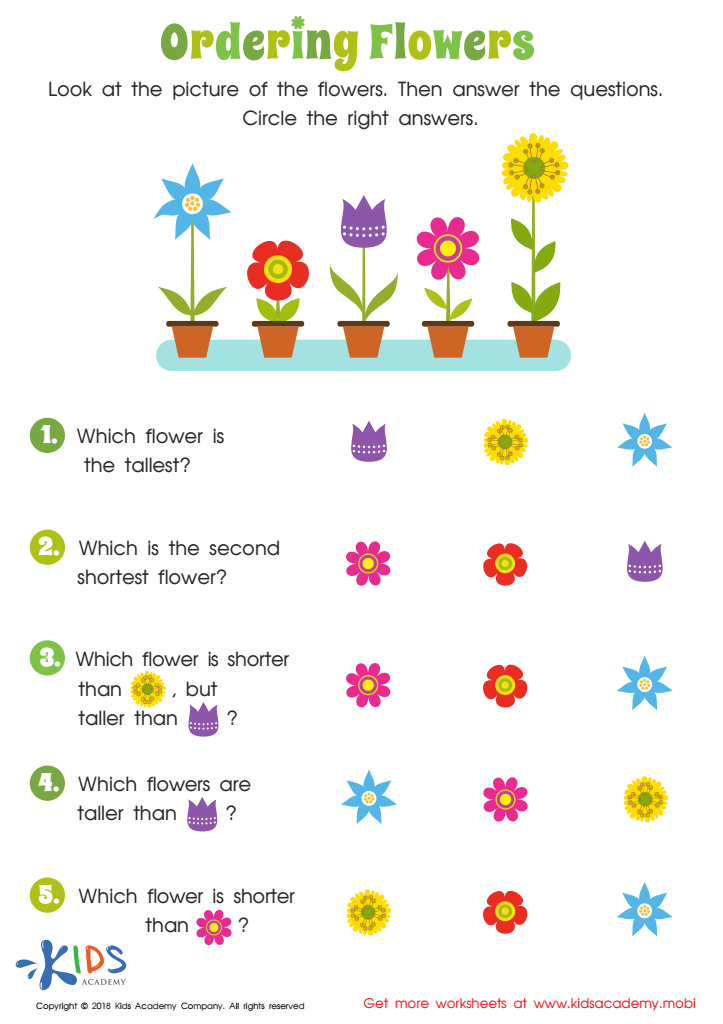
Ordering Flowers Worksheet
Preschoolers can start learning measurement with visuals! This worksheet uses colorful flowers of different heights. Ask your learner to observe the flowers, then help them compare/answer which is taller/shorter. It's an easy way for them to begin learning about measurement.
Ordering Flowers Worksheet
Worksheet
Join Kids Academy for Free
Who is primarily going to use this learning content?




.jpg)

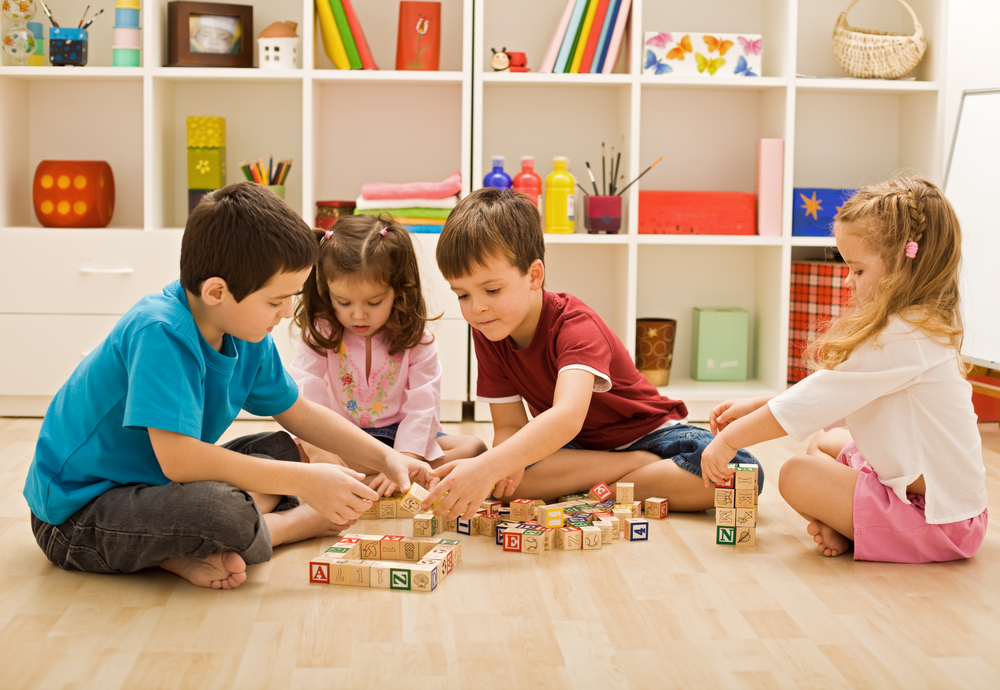
Comparing numbers is a foundational skill for children aged 4-7 and plays a vital role in their early mathematical development. Understanding how to compare numbers helps children discern differences in quantity, fosters critical thinking, and forms the basis for more complex mathematical concepts in the future.
When children learn to compare numbers, they start to develop skills like estimation, number sense, and an understanding of greater or lesser. For example, when they can identify that 5 is greater than 3, they begin to grasp the concept of value and quantity, which is essential for addition, subtraction, and even simple word problems they encounter later on.
Furthermore, these skills have broader implications beyond math. Comparing numbers aids in reasoning and promotes analytical thinking, which is beneficial in many aspects of learning and everyday decision-making.
Parents and teachers who actively support comparing numbers during this crucial developmental stage set the foundation for strong mathematical skills, which contributes to academic success. Engaging with numerical comparisons through games and activities also makes learning enjoyable, nurturing a positive attitude towards math that can last a lifetime. Thus, fostering these skills early on equips children with the tools they need for confidence in their mathematical abilities.








