Developing logic skills Worksheets for Ages 4-7
4 filtered results
-
From - To
Enhance your child’s critical thinking with our Developing Logic Skills Worksheets for ages 4-7. These engaging, age-appropriate activities are designed to spark curiosity and promote problem-solving abilities. Featuring fun puzzles, matching games, and reasoning challenges, our worksheets encourage young learners to think logically while having fun. Perfect for parents and educators, these resources foster essential cognitive skills that lay the foundation for future learning success. Discover a variety of interactive worksheets that make learning enjoyable, printable, and easily accessible. Help your child build confidence and competence in their logical reasoning skills today! Explore our collection and watch them thrive!
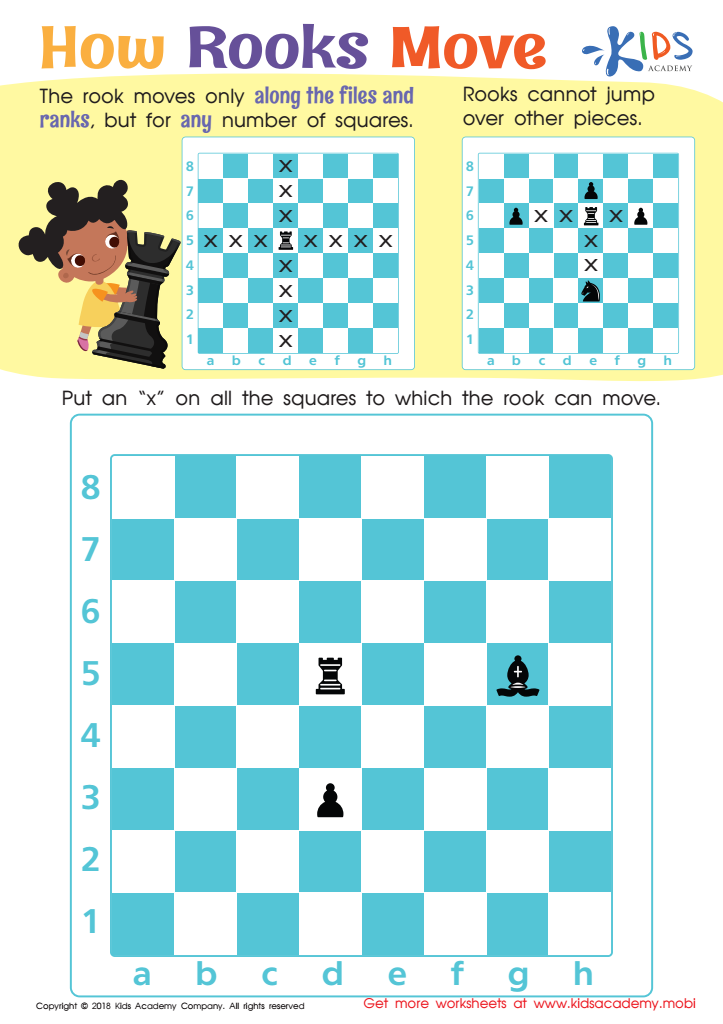
How Rooks Move Worksheet
 Assign to My Students
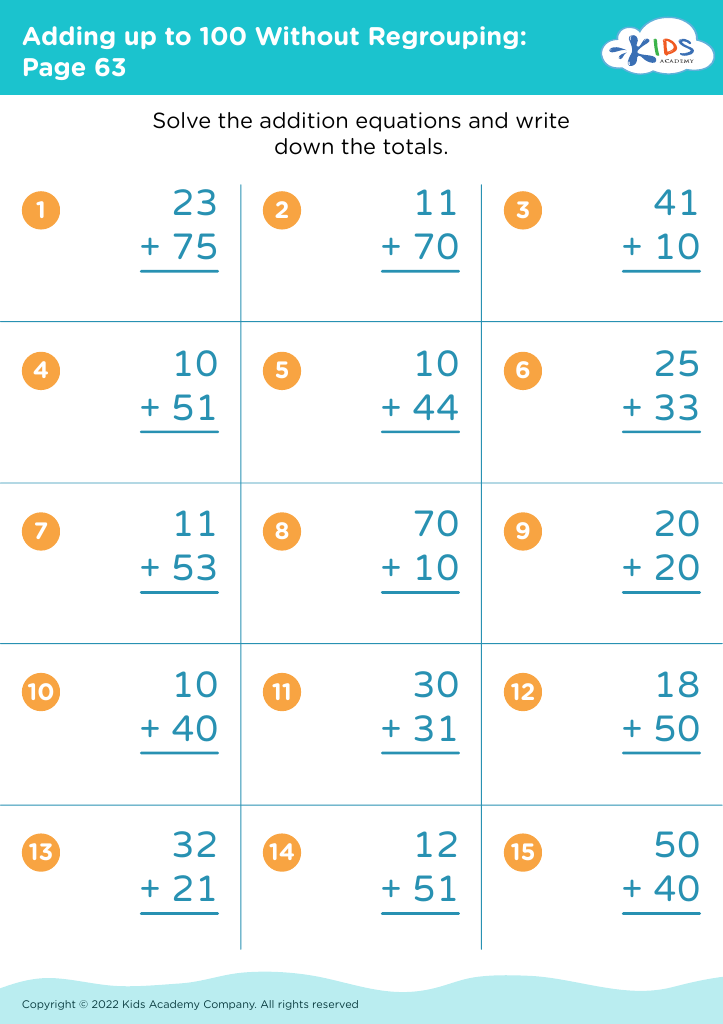
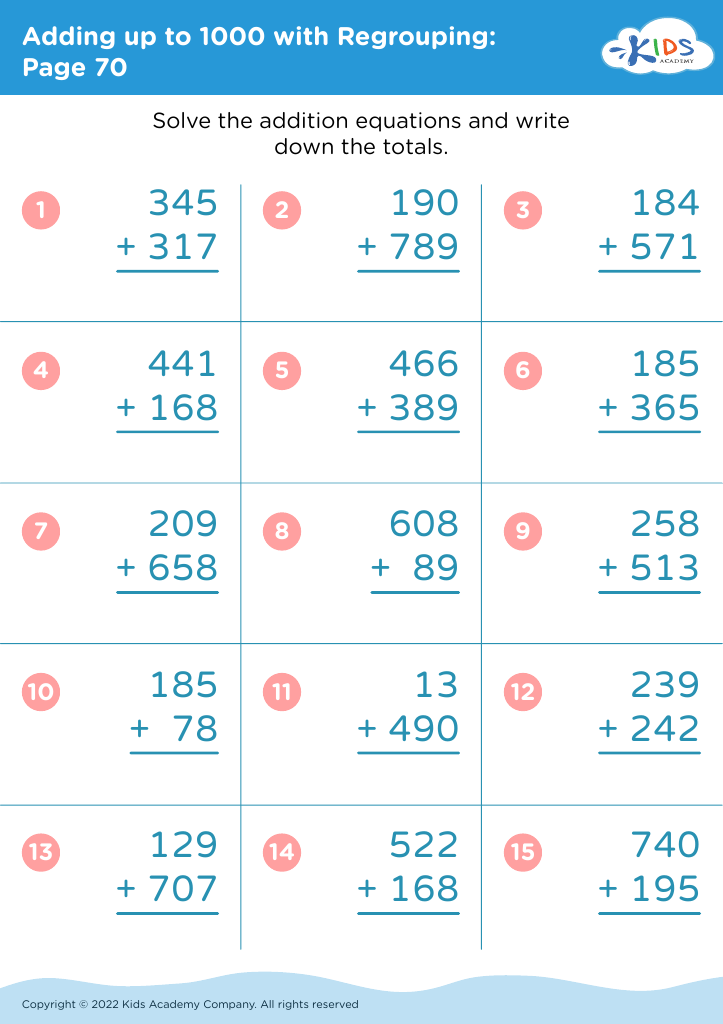
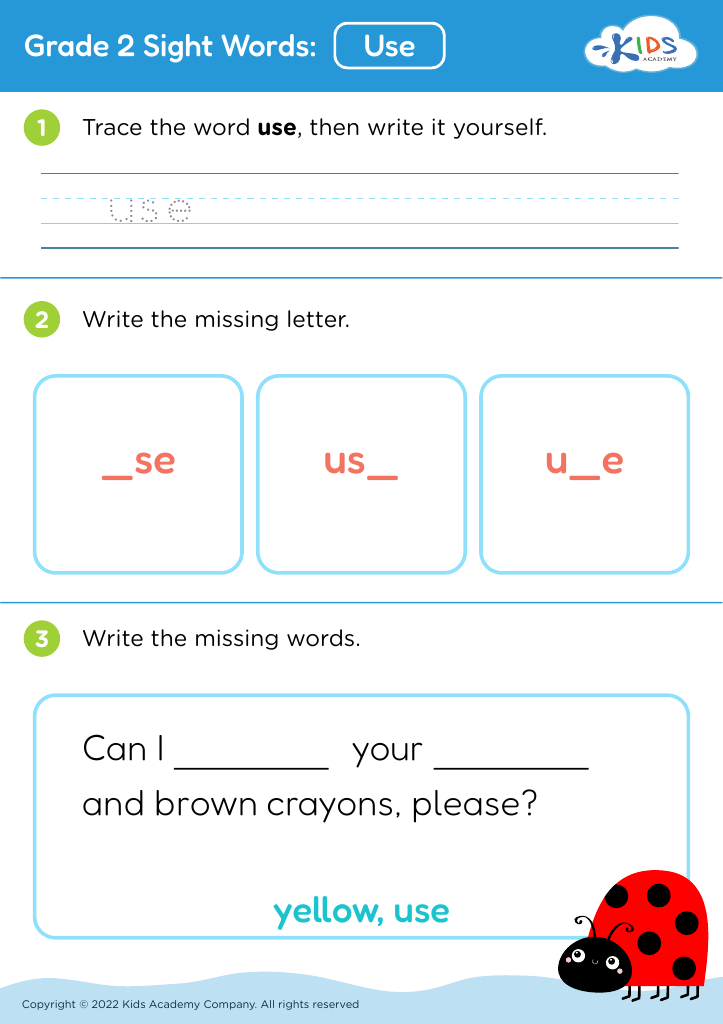






Developing logic skills in children aged 4-7 is crucial for their overall cognitive growth and success in school. At this age, children are naturally curious and eager to explore the world around them, making it an ideal time to enhance their reasoning abilities. By fostering logic skills, parents and teachers help children learn to think critically, solve problems, and make connections between ideas.
Logical thinking aids children in a variety of subjects, from math to reading comprehension. It equips them to identify patterns, categorize objects, and understand cause-and-effect relationships, laying a foundation for more complex learning as they progress. Moreover, strong logic skills contribute to better decision-making and enhanced social interactions; children will be able to assess situations more effectively and understand others' perspectives.
Parents and teachers play a vital role in nurturing these skills through engaging activities such as puzzles, games, and storytelling. Such experiences not only make learning fun but also promote a love for exploration and inquiry. Ultimately, by prioritizing logic skill development, adults empower children with essential tools for academic success and lifelong learning, helping them become confident thinkers and problem solvers.








