
Drawing skills Worksheets for Ages 4-7
10 filtered results
Difficulty Level
Grade
Age
-
From - To
Subject
Activity
Standards
Discover our engaging Drawing Skills Worksheets for Ages 4-7, designed to nurture creativity and enhance fine motor skills in young learners. These printable worksheets offer a variety of fun activities that encourage kids to explore their artistic abilities while developing essential hand-eye coordination. Each worksheet features simple outlines, guided instructions, and fascinating themes that inspire imagination and self-expression. Perfect for home or classroom use, our drawing worksheets provide an enjoyable way to introduce basic shapes, movement, and collaboration. Encourage your child's love for art and learning with these resources that make practicing drawing a delightful experience! Start your artistic journey today!
Favorites
With answer key
Interactive
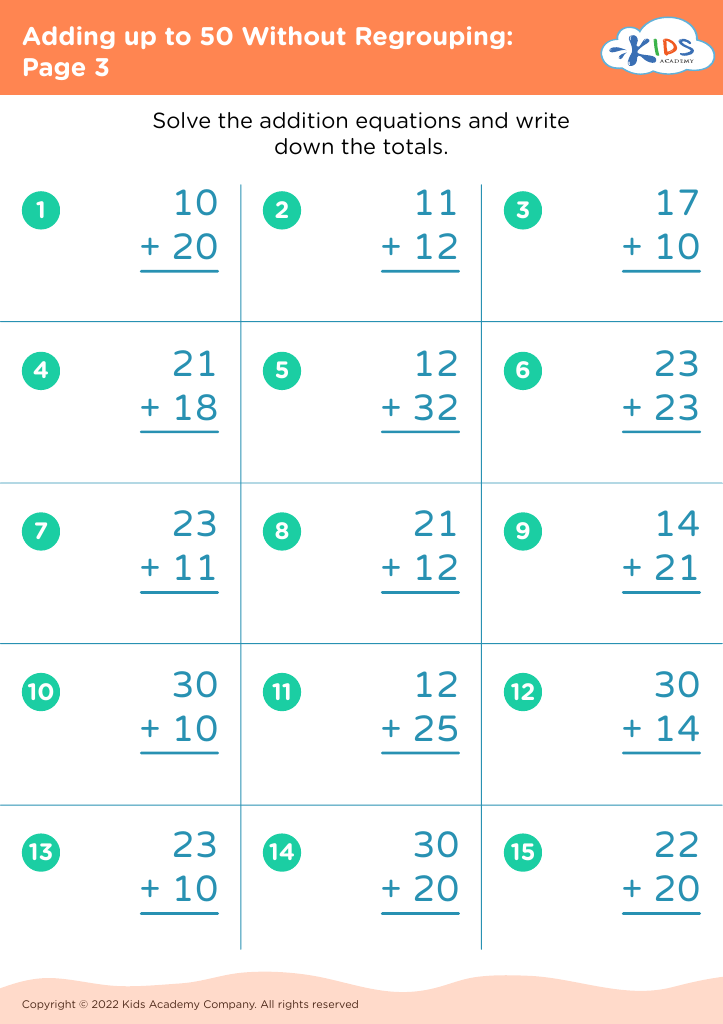
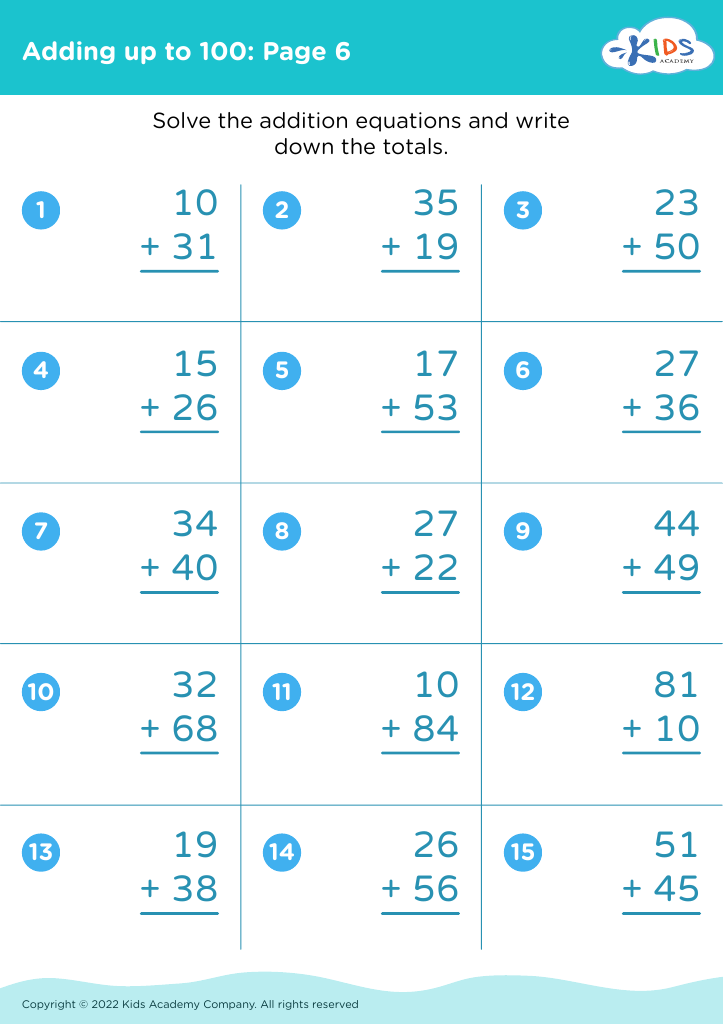
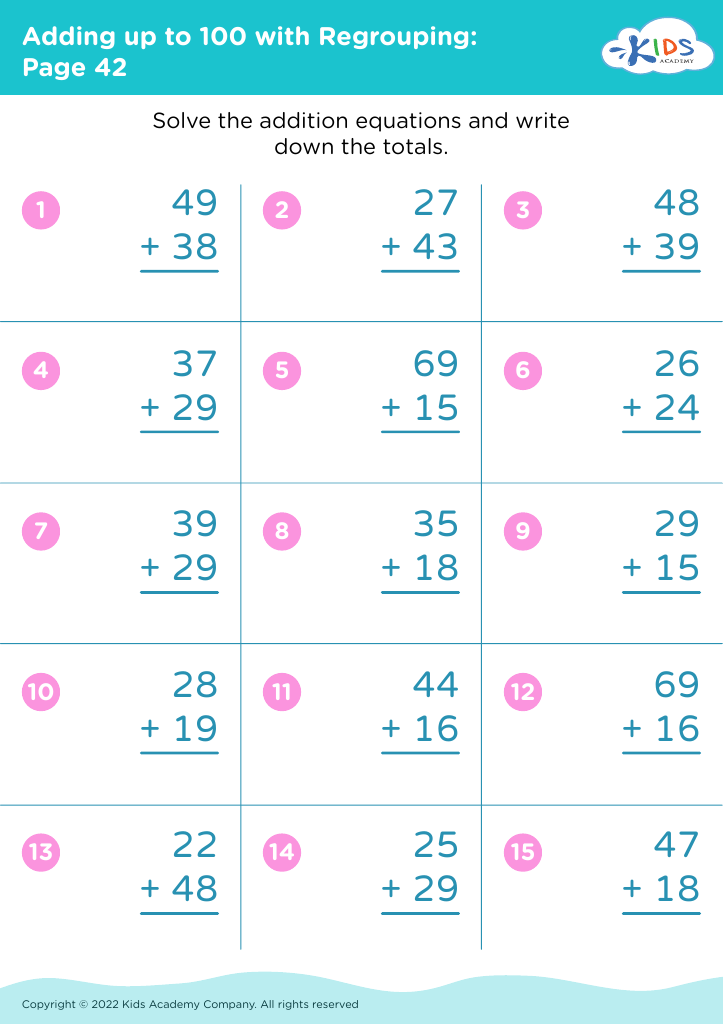
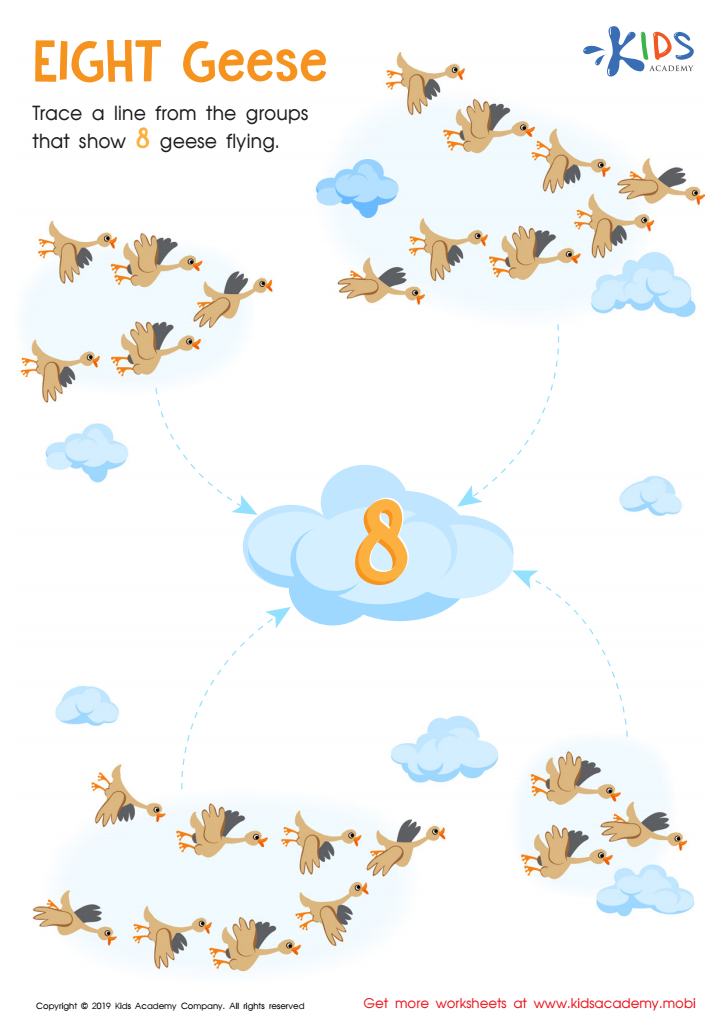
Eight Geese Worksheet
Assess your child's counting skills with this worksheet. Help them count the geese in each group, then trace a line from the groups showing 8. Give your kids a boost by providing lots of exercises and learning aids to help with counting. They likely count objects they come across, like spoons and stones. Use this opportunity to give them practice and help them learn.
 Assign to My Students
Eight Geese Worksheet
Worksheet
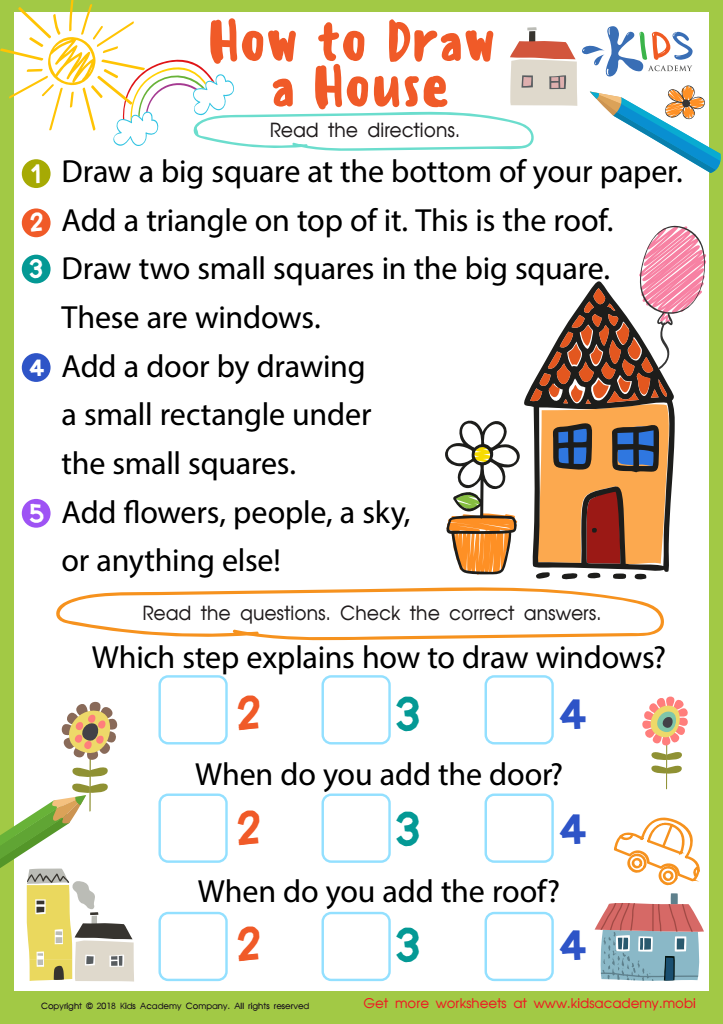
How to Draw House Worksheet
Does your child love to draw? Why not try teaching them some easy tricks? Get them to follow directions on this worksheet and learn how to draw a house. Read the questions at the end and ensure they get the answers right. Your kids will surely love it!
How to Draw House Worksheet
Worksheet
Join Kids Academy for Free
Who is primarily going to use this learning content?







Drawing skills are essential for children aged 4-7 as they play a crucial role in both cognitive and emotional development. At this age, children's fine motor skills are still developing, and drawing helps strengthen these muscles and improves hand-eye coordination. By engaging in drawing activities, children practice control and precision, which are vital for future writing skills.
Moreover, drawing serves as a powerful form of self-expression. Children often use visual art to communicate emotions and ideas when they may not yet have the vocabulary. Encouraging drawing allows them to express feelings and shed light on their thoughts.
In addition, drawing fosters creativity and imagination. It encourages children to think outside the box, explore their ideas, and experiment with shapes, colors, and forms. This creativity transfers to other areas of learning, laying the groundwork for problem-solving and critical thinking skills.
Furthermore, collaborative drawing activities promote social skills. Children learn to share materials, accept feedback, and work together on projects, enhancing their interpersonal skills.
Overall, nurturing drawing skills during these foundational years benefits children academically, socially, and emotionally, making it essential for parents and teachers to prioritize and support these skills in young learners.








