
Geography skills Worksheets for Ages 4-7
3 filtered results
Difficulty Level
Grade
Age
-
From - To
Subject
Activity
Standards
Nurture your child's curiosity with our Geography Skills Worksheets for ages 4-7! Carefully designed to spark an interest in the world, our worksheets introduce young learners to fundamental geography concepts, such as map reading, landmark identification, and understanding different continents and oceans. Through engaging visuals, fun activities, and age-appropriate challenges, children will build critical thinking and spatial awareness while discovering the wonders of the Earth. Perfect for both classroom settings and home study, these worksheets make learning an exciting adventure, laying a solid foundation for future educational success. Empower your little explorers today with Kid's Academy!
Favorites
With answer key
Interactive
 Assign to My Students
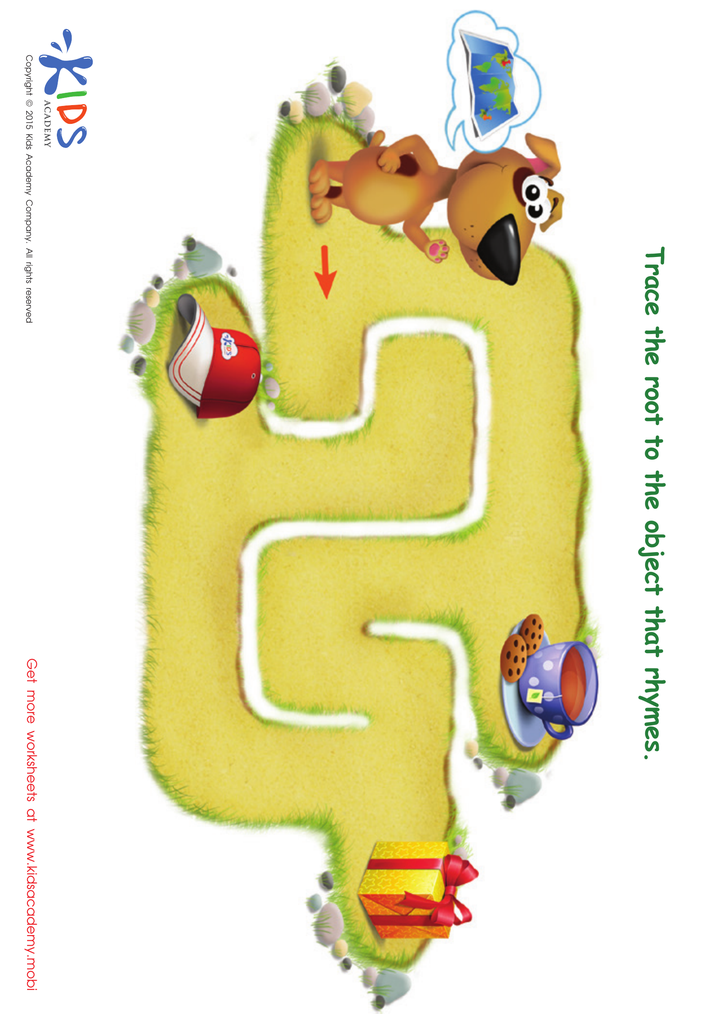
Map Rhyming Words Worksheet
Get them now and practice your skills while having fun playing. Find words that rhyme, trace the roots and enjoy the journey!
Map Rhyming Words Worksheet
Worksheet
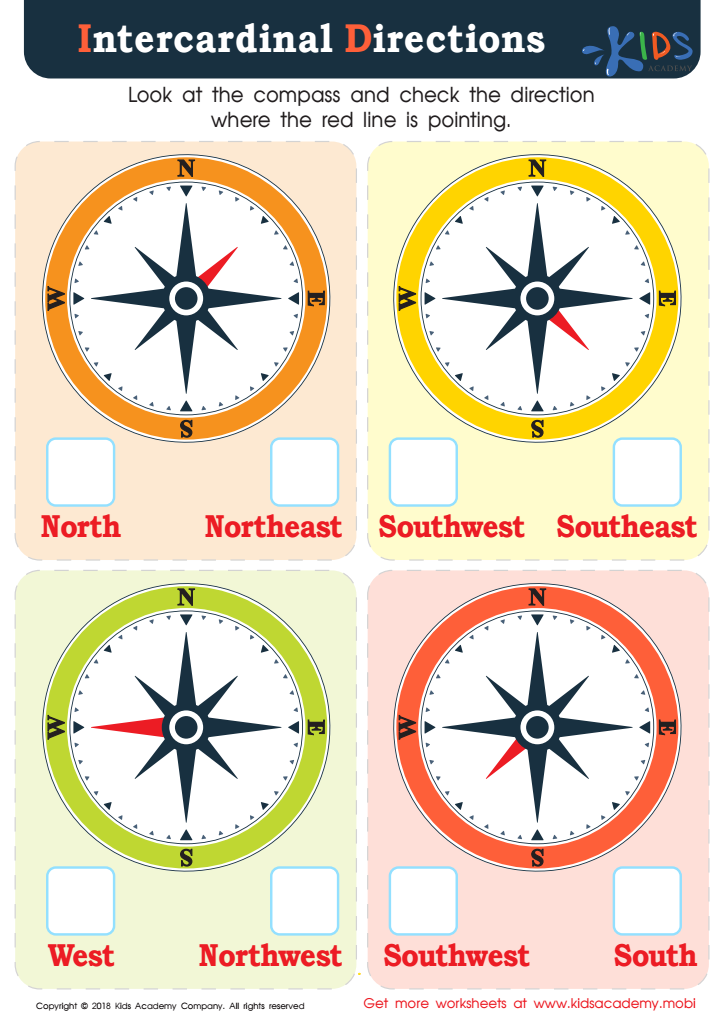
Intercardinal Directions Worksheet
Young students often don't get to practice cardinal and intercardinal directions in the digital age, but it's an important social studies and geography concept to learn. This PDF provides colorful compasses for them to practice with, giving them a real-world skill for common curriculum and independent living.
Intercardinal Directions Worksheet
Worksheet
Join Kids Academy for Free
Who is primarily going to use this learning content?



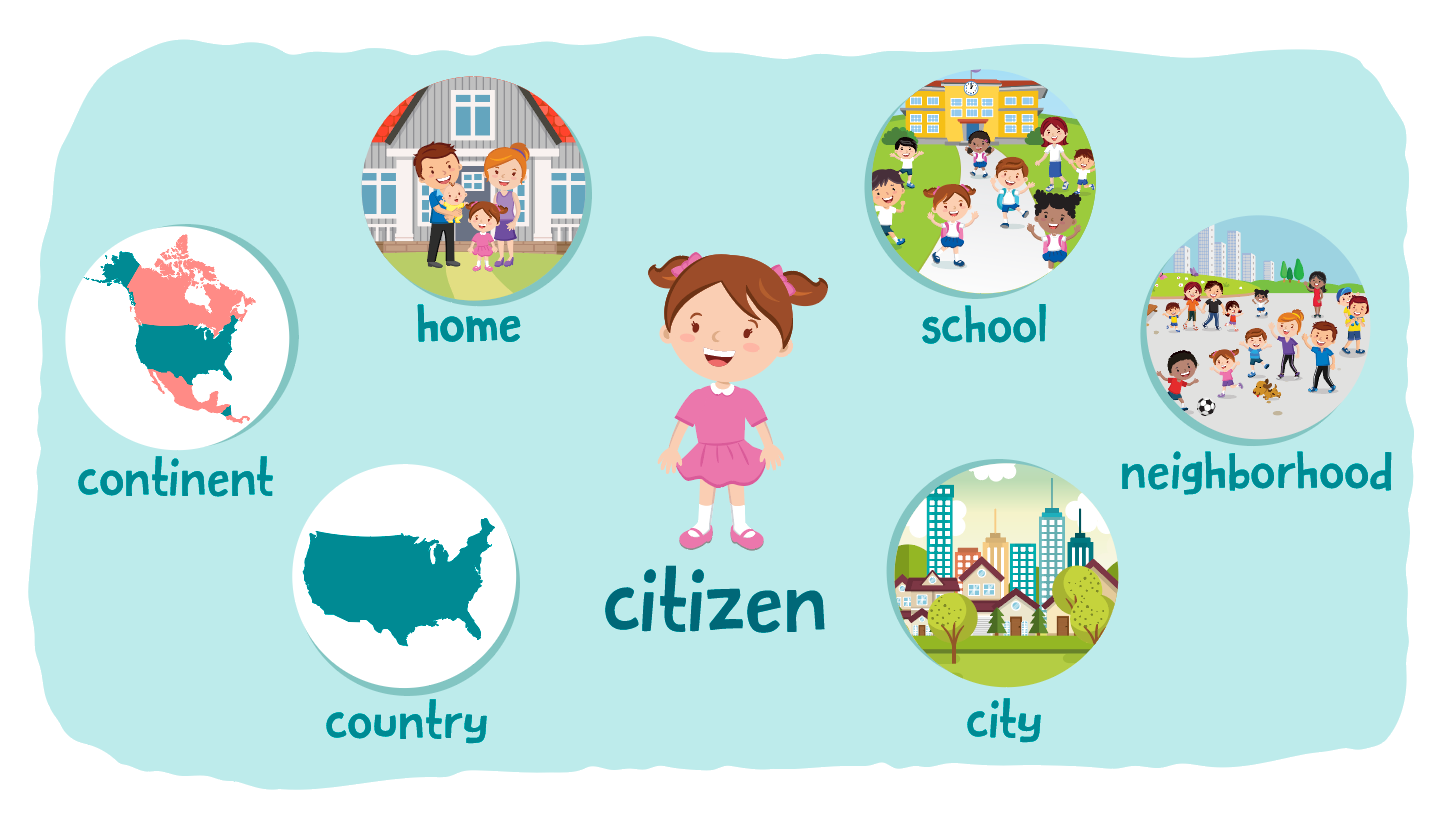


Geography skills are vital for young children aged 4-7 because they lay the foundation for understanding the world around them. At this formative age, children are naturally curious and eager to explore, making it an ideal time to introduce basic geographic concepts such as location, direction, and physical landscape.
Firstly, understanding geography helps children develop spatial awareness. Knowing how to read maps, recognize landmarks, and understand directions can make them more confident and independent, whether navigating their school or neighborhood. This spatial understanding also ties into early math skills, such as recognizing shapes and patterns, which are foundational competencies in early education.
Secondly, a grasp of geography nurtures a child's global awareness and cultural sensitivity. Learning about different places and cultures fosters an appreciation for diversity and promotes inclusivity. It broadens their horizons beyond their immediate surroundings, encouraging curiosity and empathy towards different ways of life.
Additionally, geographical knowledge enhances critical thinking and problem-solving skills. It challenges children to think about environmental issues, such as weather patterns or natural resources, leading to early awareness of sustainability and conservation.
Lastly, parental and educator involvement in teaching geography can also be a bonding experience. Fun activities like drawing maps, globe-trotting adventures, or even simply discussing a family trip can make learning interactive and enjoyable, leaving lasting memories and a lifelong passion for discovery.








