Improve vocabulary Worksheets for Ages 4-7
8 filtered results
-
From - To
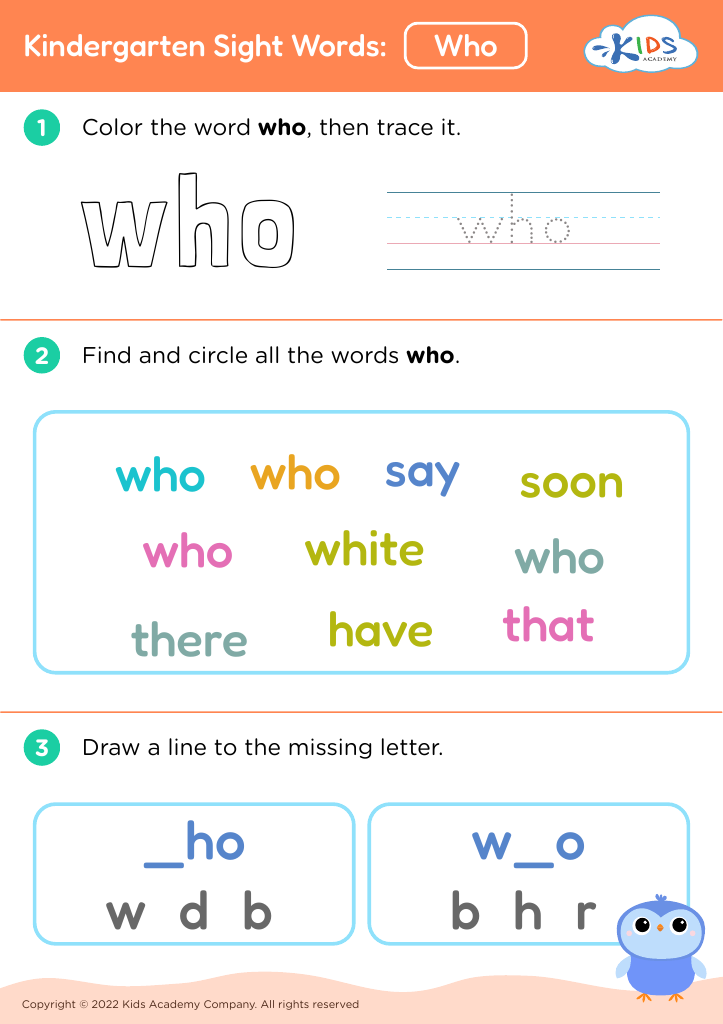
Unlock your child’s potential with our engaging "Improve Vocabulary Worksheets" designed for ages 4-7! These interactive resources offer a fun and effective way to expand your child's language skills. Featuring vibrant illustrations and age-appropriate activities, our worksheets help young learners identify and connect new words with relatable images and scenarios. As they explore topics like animals, food, and everyday objects, children build vocabulary retention and confidence in language use. Perfect for parents and educators alike, these worksheets will create a playful yet educational experience that motivates early learners to express themselves and communicate with ease. Start enhancing your child’s vocabulary today!
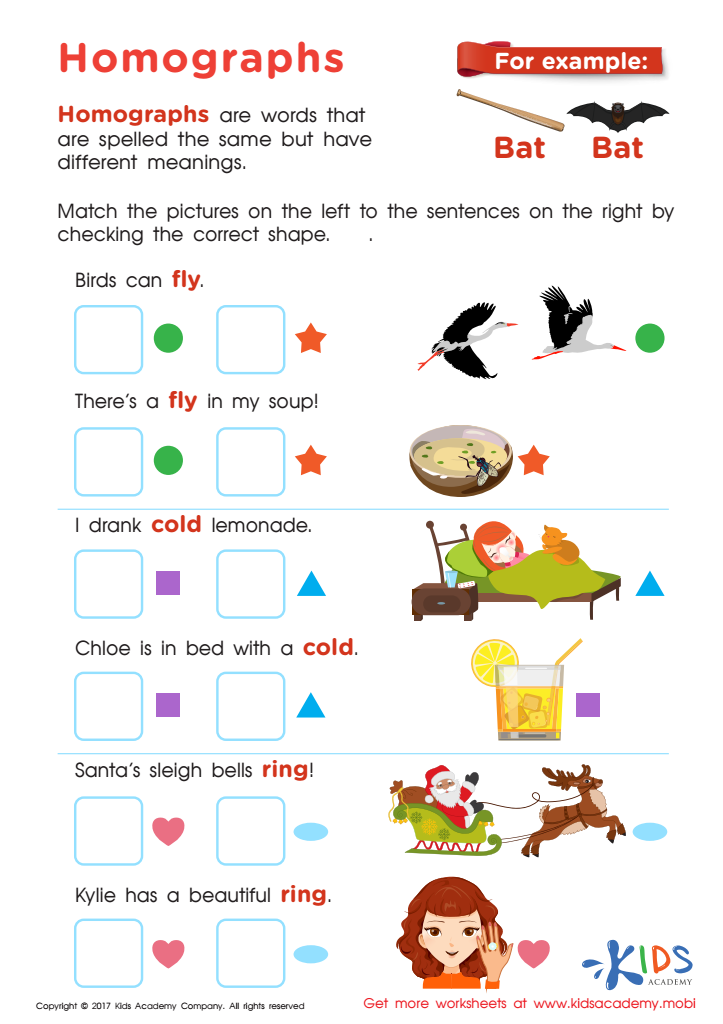
Homographs Free Printable Worksheet
 Assign to My Students
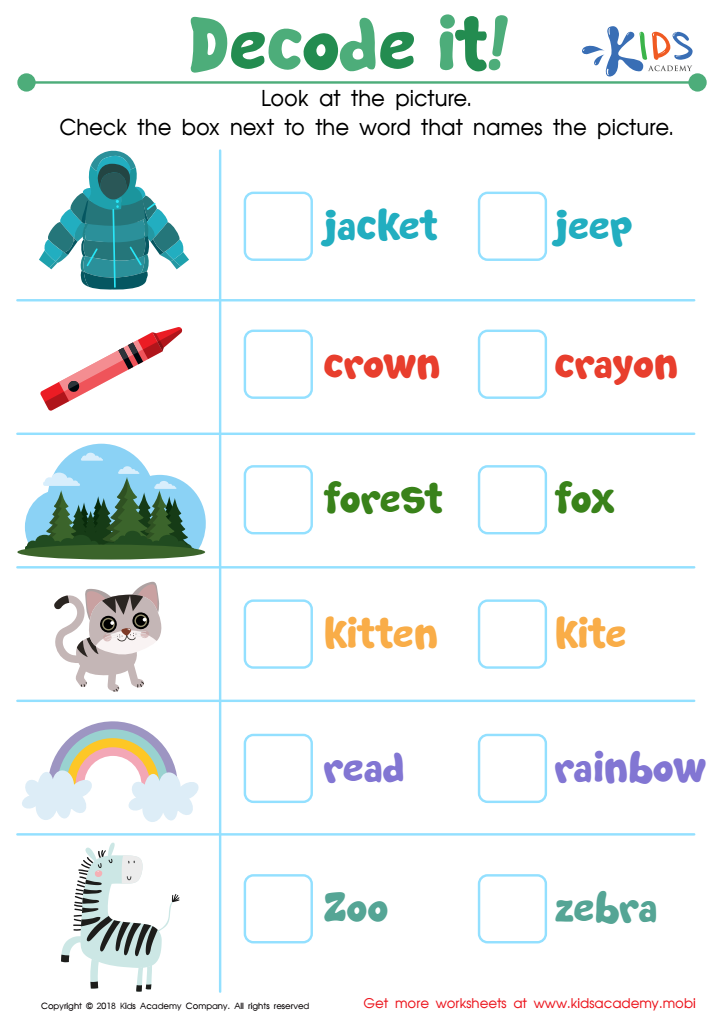
Reading: Decode It Worksheet

Homes Worksheet
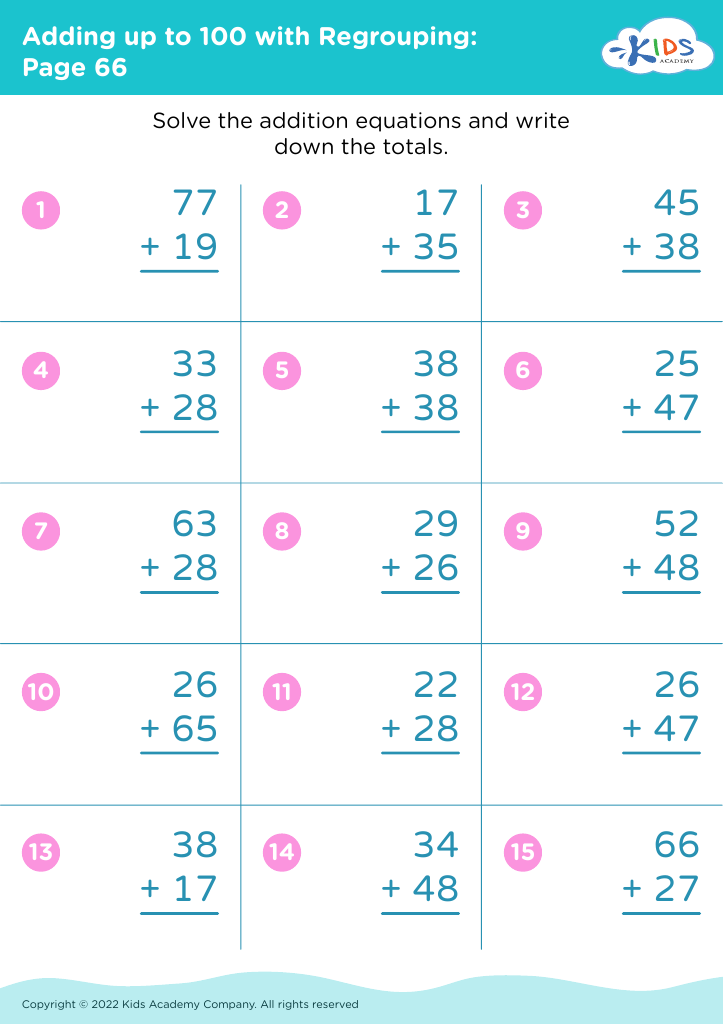
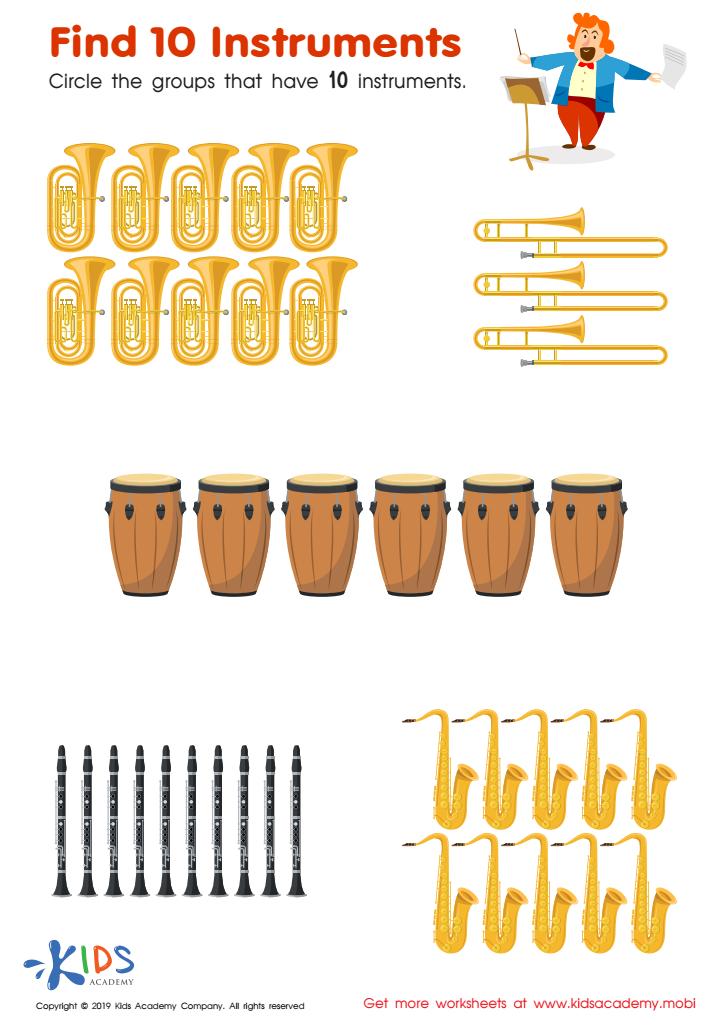
Find 10 Instruments Worksheet









Improving vocabulary in children aged 4-7 is crucial for their overall language development and learning success. During these formative years, children experience rapid cognitive growth and linguistic acquisition. A rich vocabulary lays the foundation for effective communication, enabling children to express their thoughts, feelings, and ideas clearly.
Parents and teachers play a vital role in this process. Enhanced vocabulary skills bolster reading comprehension, as children with a broader lexicon can easily understand texts and engage with stories. This understanding fosters a lifelong love for reading, which is essential for academic achievement across subjects.
Moreover, a strong vocabulary boosts self-esteem, as children feel more confident when they can articulate their needs and participate in discussions. It also enhances social interactions, allowing children to connect better with peers and adults, fostering emotional intelligence.
Lastly, linguistic skills are closely linked to critical thinking. Children who possess diverse vocabulary can articulate their reasoning more effectively, solving problems creatively. Thus, investing time and effort into improving vocabulary lays the groundwork for success not just in early education, but throughout life, making this effort a crucial priority for parents and educators alike.








