Improves hand-eye coordination Worksheets for Ages 4-7
3 filtered results
-
From - To
Discover our collection of engaging worksheets designed to enhance hand-eye coordination for children aged 4-7. These interactive and colorful activities promote essential skills through fun exercises, including tracing, cutting, and connecting dots. With a focus on nurturing fine motor skills alongside coordination, our worksheets make learning both enjoyable and effective. Ideal for home or classroom settings, these resources encourage young learners to develop confidence and precision in their movements. Boost your child's development with our thoughtfully crafted worksheets that not only improve coordination but also spark creativity and cognitive growth. Explore today and help your little ones master their motor skills!
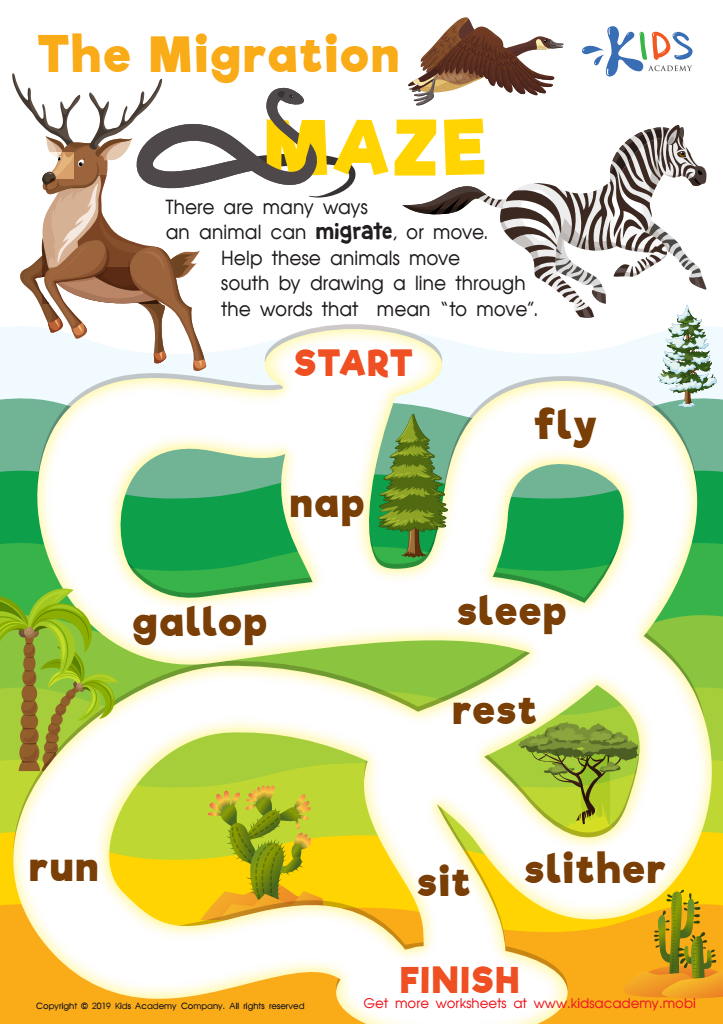
The Migration Maze Worksheet
 Assign to My Students
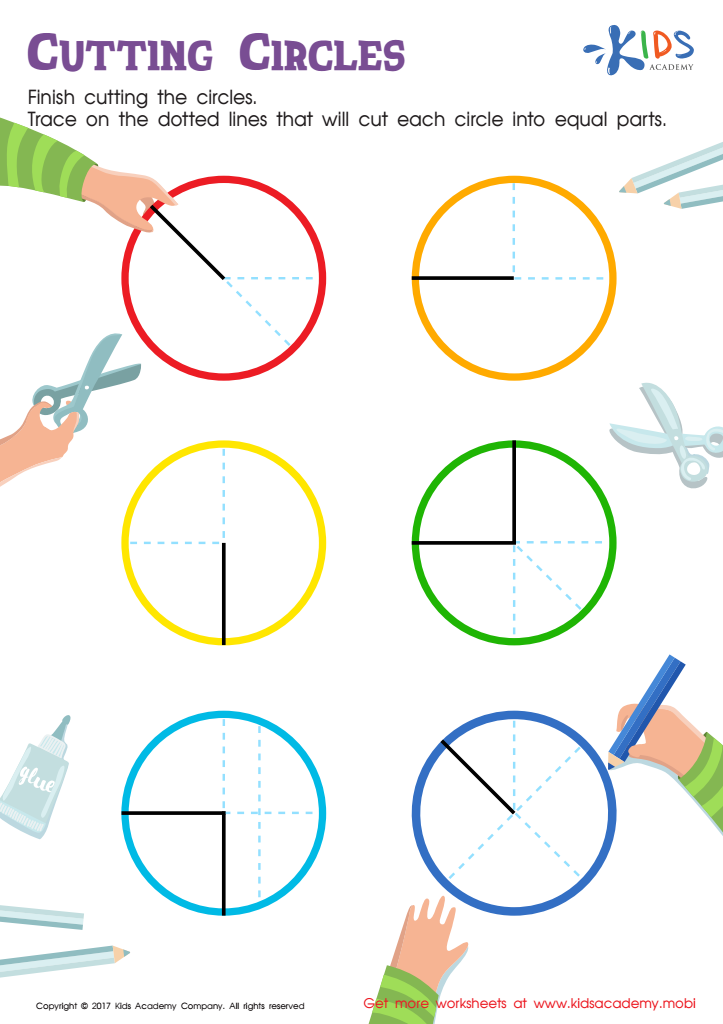
Cutting Circles Worksheet
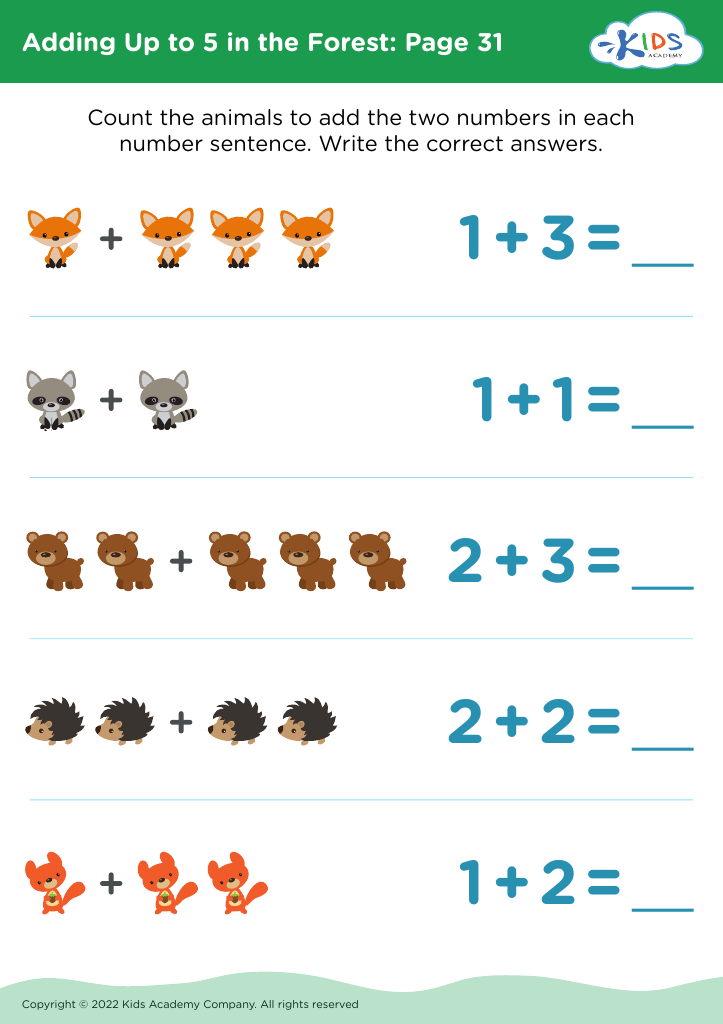







Hand-eye coordination is a crucial skill for children ages 4 to 7, as it impacts their ability to perform a variety of everyday tasks and activities. Parents and teachers should prioritize this development because it underpins foundational skills needed for literacy, math, and many other crucial areas of learning. Children with strong hand-eye coordination excel in activities such as writing, drawing, and participating in sports, which all require precise control of movements.
Moreover, enhanced hand-eye coordination boosts children's confidence. When they can manage tasks like catching a ball or stringing beads successfully, they develop a sense of mastery that encourages risk-taking and resilience. Get them involved in activities such as building blocks, throwing and catching, or engaging in interactive games which facilitate the combination of visual input and motor skills.
Additionally, by caring about and fostering the improvement of hand-eye coordination, parents and teachers can lay the groundwork for later skills including problem-solving and fine motor control essential for academic tasks. Ultimately, nurturing this skill set leads to holistic development, preparing children for future challenges both inside and outside the classroom. Ensuring children's hand-eye coordination is on track is invaluable for their overall growth and future success.








