Improving fine motor skills Worksheets for Ages 4-7
3 filtered results
-
From - To
Discover our engaging "Improving Fine Motor Skills Worksheets for Ages 4-7"! These unique worksheets are designed to help young learners enhance their coordination and dexterity through fun, hands-on activities. Targeting essential skills such as grip strength and hand-eye coordination, our resources include cutting, tracing, coloring, and puzzles that stimulate creativity while developing fine motor abilities. Perfect for parents and teachers, these worksheets support early childhood education by making skill-building enjoyable. Watch your child gains confidence and proficiency as they complete each task! Download now to provide your little ones with the tools they need for a strong foundation in their learning journey.
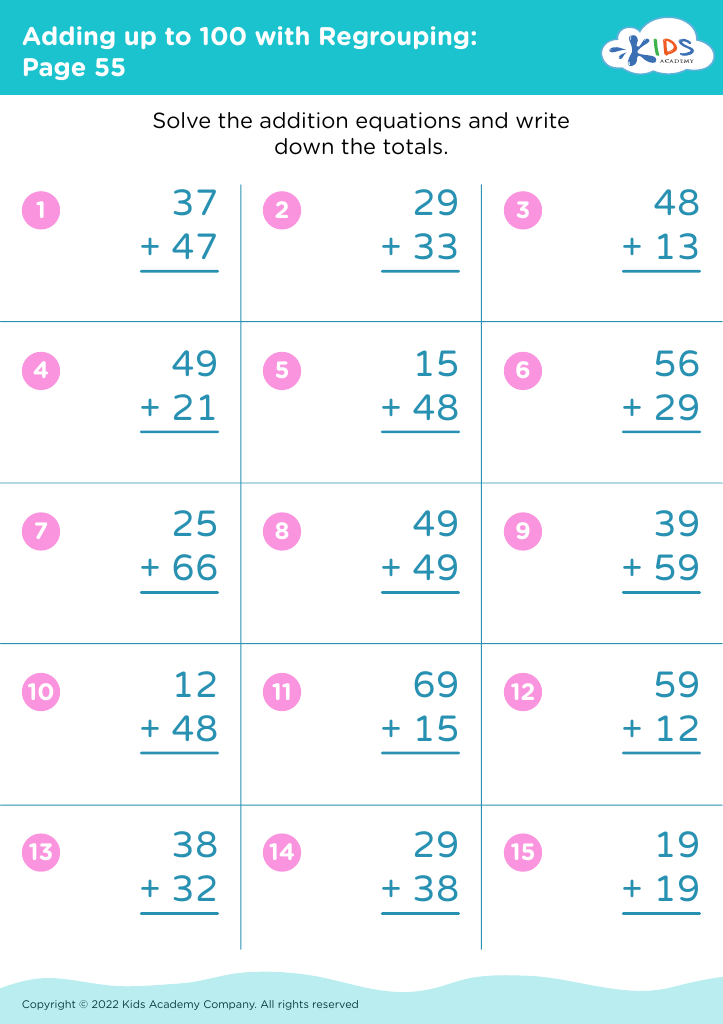
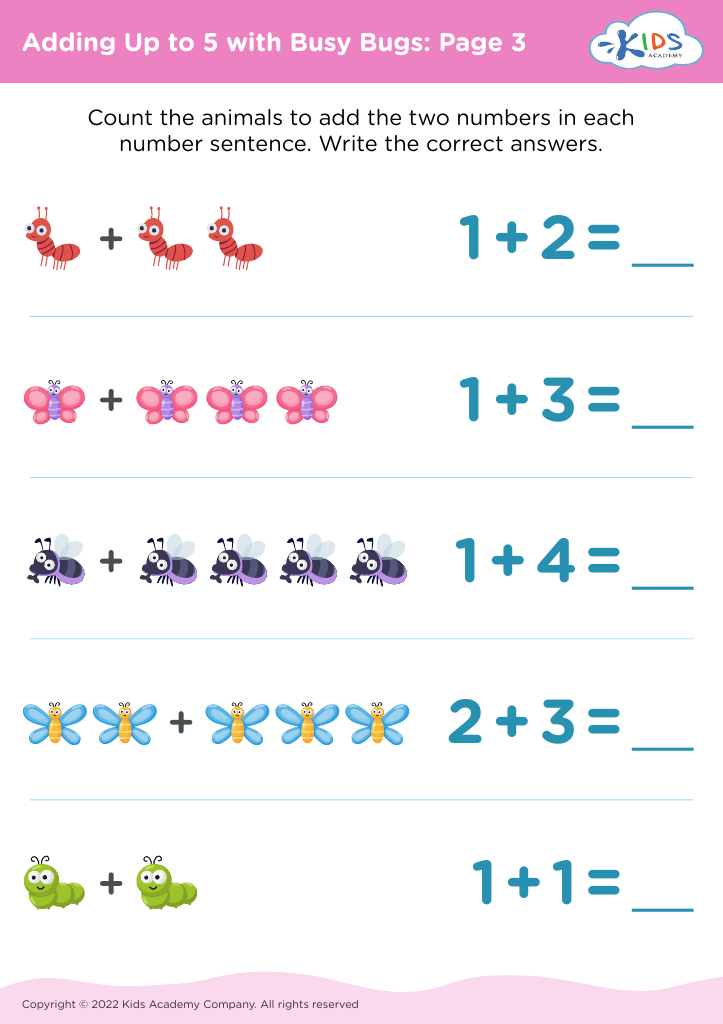
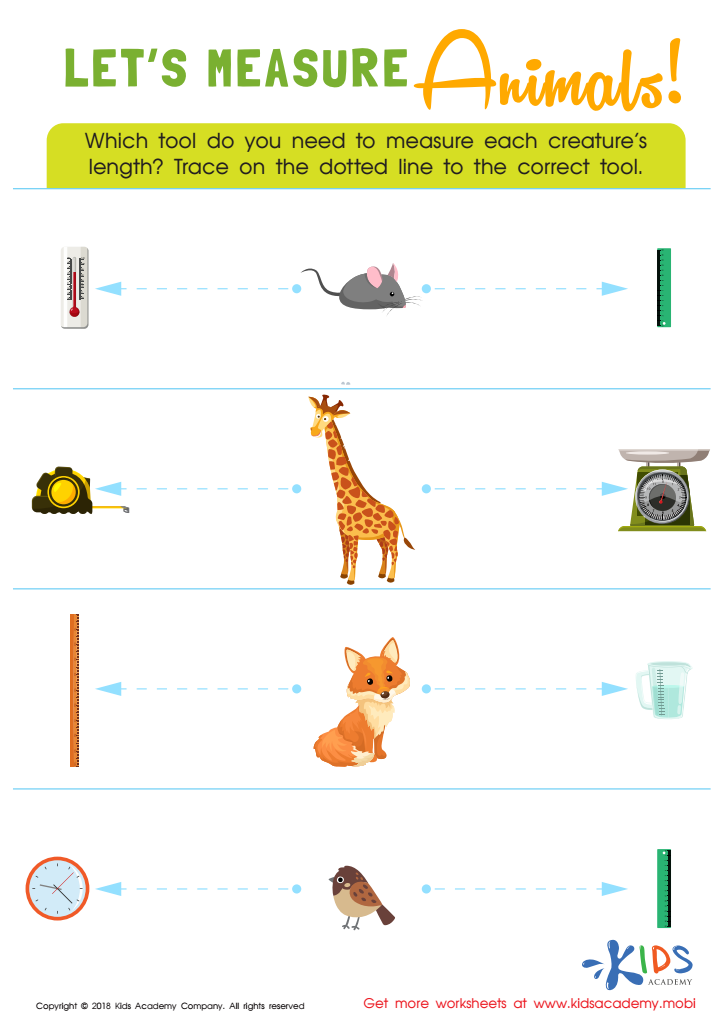
Let's Measure Animals! Worksheet
 Assign to My Students








Improving fine motor skills in children ages 4-7 is crucial for their overall development and academic success. Fine motor skills are the small muscle movements in the hands and fingers that enable children to perform tasks such as writing, buttoning shirts, and grasping small objects. Enhanced fine motor abilities lead to increased independence, as children can better manage personal tasks and explore their environment safely.
Additionally, these skills are foundational for academic activities like drawing, using scissors, and eventually writing. Mastery of these tasks boosts children's confidence and encourages a love for learning. As they become proficient in manipulating objects, their cognitive skills, including problem-solving and hand-eye coordination, also improve.
Moreover, early development of fine motor skills can help identify and address potential developmental delays, allowing for timely intervention. Engaging in play-based learning, such as arts and crafts, building with blocks, or playing with dough, provides children with the hands-on practice they need.
Overall, prioritizing fine motor skills lays the groundwork for academic readiness and emotional well-being, setting children up for success both in school and beyond. Healthy development during these formative years is an investment in a child's future capabilities.








