Mathematics skills Worksheets for Ages 4-7
3 filtered results
-
From - To
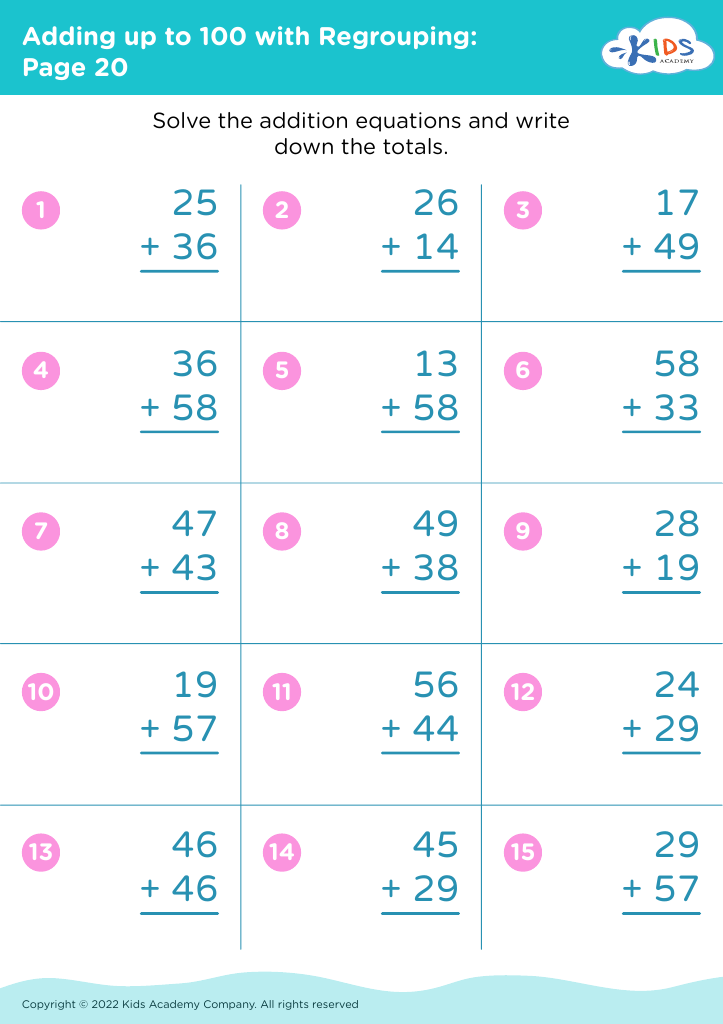
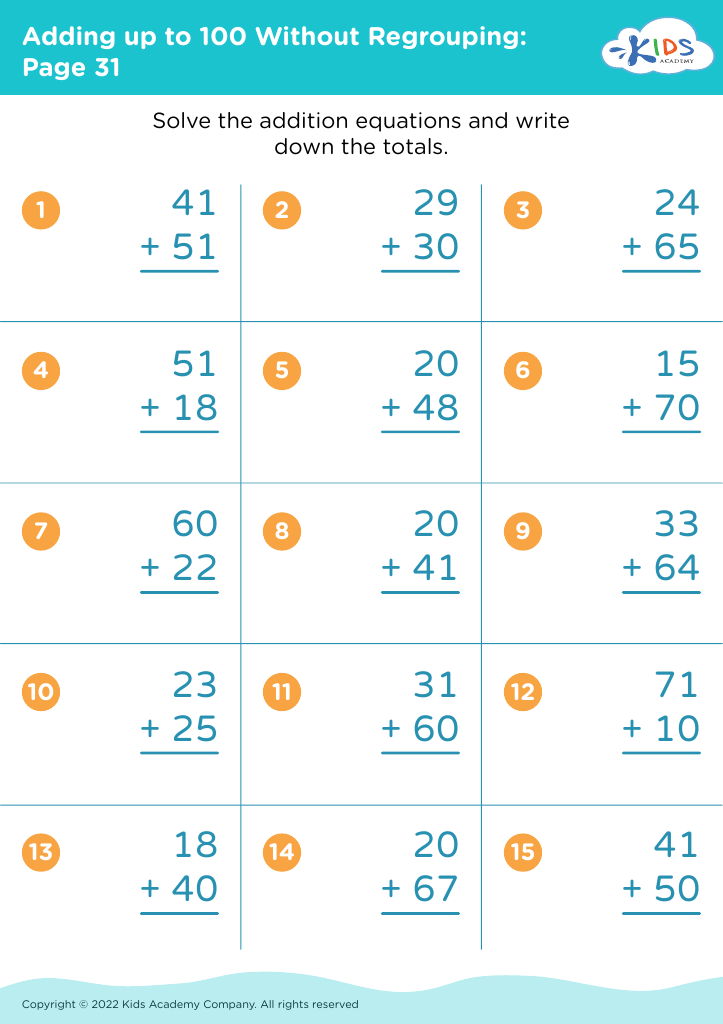
Discover our engaging Mathematics Skills Worksheets designed specifically for children ages 4 to 7. At Kids Academy, we understand the importance of building a strong mathematical foundation in young learners. Our worksheets incorporate fun and interactive activities that promote essential skills such as counting, number recognition, simple addition and subtraction, and recognizing shapes. Designed to make learning enjoyable, these printable worksheets offer a variety of exercises tailored to support different learning styles. Encourage your child's love for math and enhance their problem-solving abilities with our quality resources, boosting their confidence and readiness for future mathematical challenges. Start exploring today!
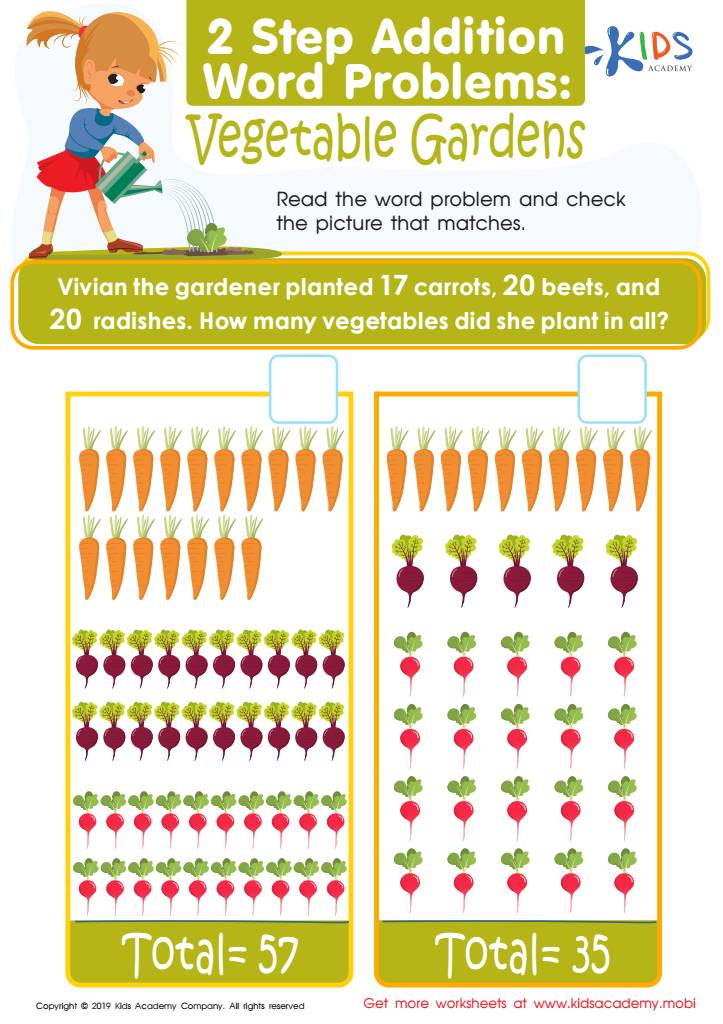
Vegetable Gardens Worksheet
 Assign to My Students








Parents and teachers play a crucial role in the development of mathematical skills in children aged 4-7, as this is a foundational period for cognitive growth. Early mathematics education fosters critical thinking, enhances problem-solving abilities, and improves overall academic performance. By introducing concepts like counting, addition, and shapes in engaging ways, children develop numeracy skills that are essential for day-to-day life and future educational success.
Mathematics at this stage also supports children's understanding of patterns, categorization, and logical reasoning. As they engage in hands-on activities and play-based learning, they build confidence and a positive attitude toward math, which often extends into later years. Additionally, research shows a correlation between early math proficiency and later achievement in various subjects, including reading and science.
Furthermore, instilling math skills early helps prepare children for a rapidly evolving job market where analytical skills are increasingly valued. Encouraging curiosity and exploration in mathematics not only cultivates a love for learning but also equips children with tools they will use throughout their lives. For these reasons, both parents and teachers should be invested in nurturing early mathematics skills to lay a strong foundation for lifelong learning and success.








