Phonics Skills Worksheets for Ages 4-7 - Page 4
75 filtered results
-
From - To
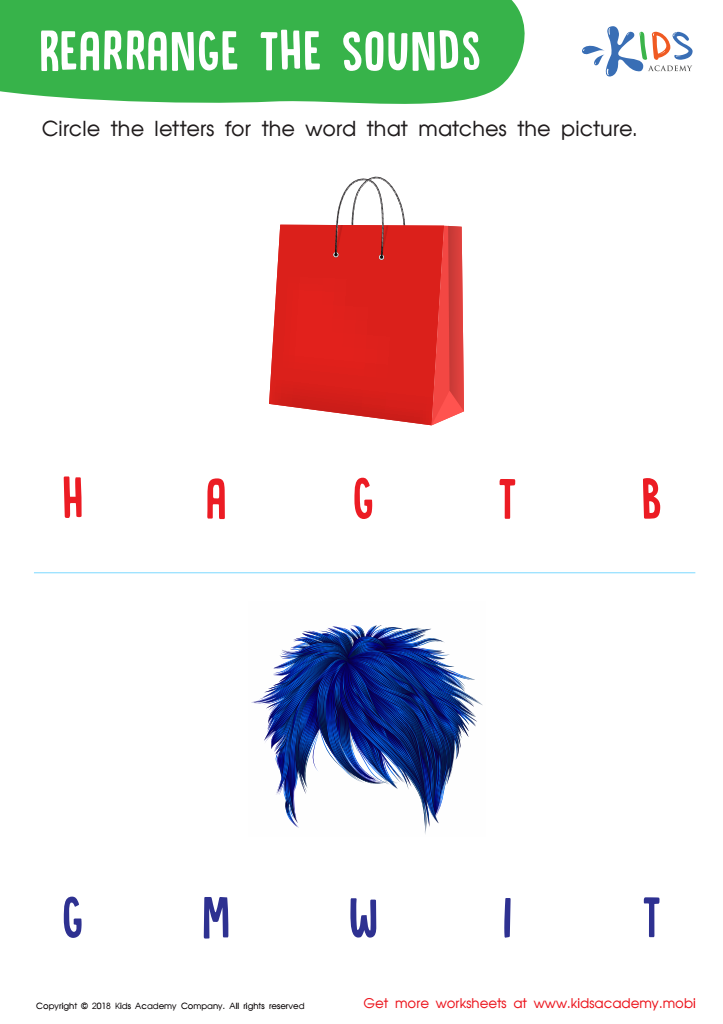
Rearrange the Sounds Worksheet
 Assign to My Students
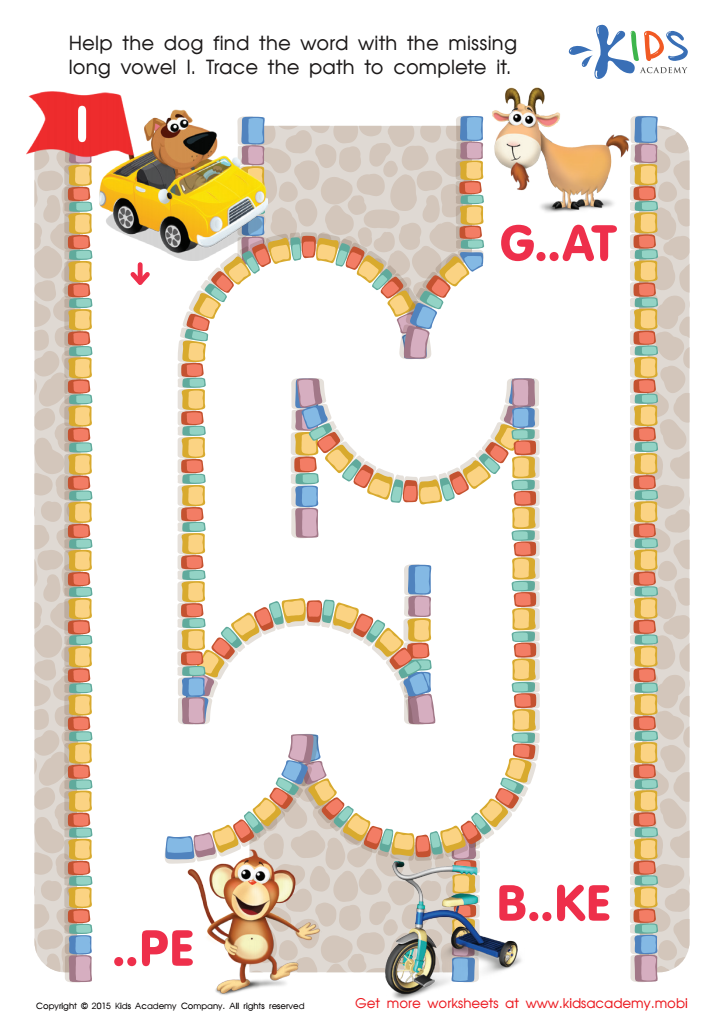
Long Vowel Sound I Worksheet
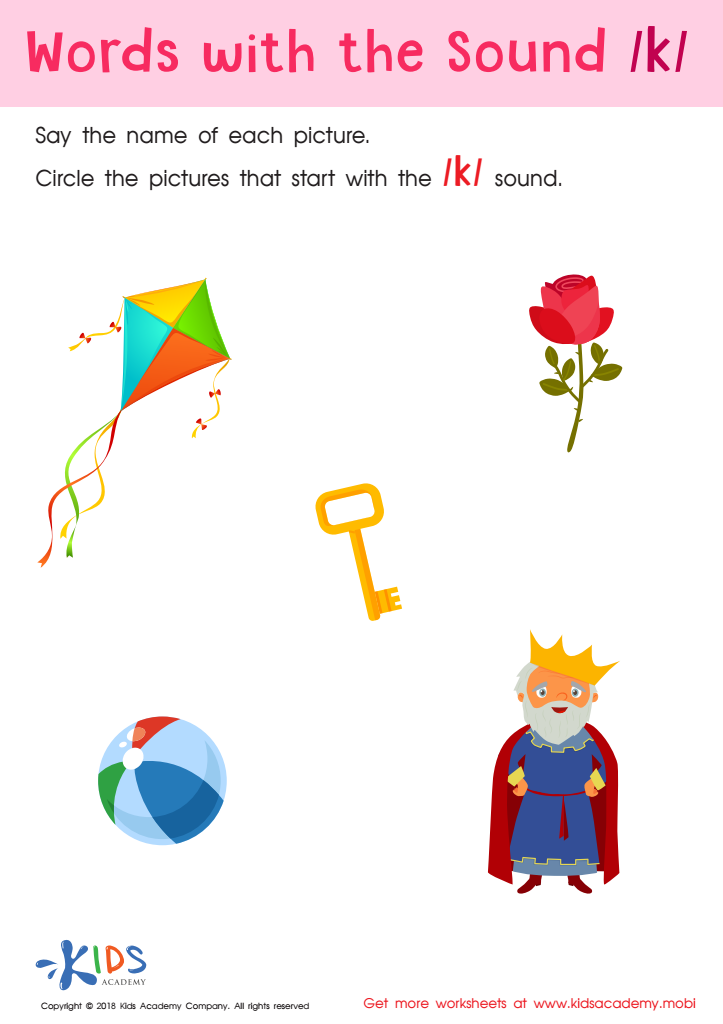
Words with sound k Reading Worksheet


.jpg)



Phonics skills play a pivotal role in early childhood education, especially for children ages 4-7, as they serve as the building blocks of reading and literacy. During these formative years, young learners are rapidly developing cognitive skills and their brains are exceptionally receptive to linguistic inputs. Phonics instruction equips children with the ability to connect sounds (phonemes) with their corresponding letters or groups of letters (graphemes). This understanding is foundational for decoding new words, improving reading accuracy, and constructing fluency.
Furthermore, strong phonics skills foster early vocabulary development and enhance comprehension. When children decode words quickly and accurately, they can focus more on understanding the text rather than struggling with word recognition. This increased confidence and proficiency create a positive reading experience, encouraging a lifelong love for reading.
Moreover, phonics-based instruction can significantly mitigate future reading difficulties and is instrumental in identifying and supporting students with dyslexia or other reading disorders early on. Teachers and parents who emphasize phonics set the stage for academic success across all subjects linked to literacy, from math word problems to understanding science texts. Simply put, phonics is the gateway to proficient reading, critical thinking, and effective communication, forming a keystone in the educational foundation of young learners.








