Tracing practice Worksheets for Ages 4-7
3 filtered results
-
From - To
Discover our engaging tracing practice worksheets designed for children ages 4-7! These printable resources help young learners develop essential handwriting skills and improve their fine motor abilities in a fun and interactive way. Our worksheets feature a variety of tracing activities, including letters, numbers, and shapes, allowing children to gain confidence as they enhance their writing coordination. Perfect for both classroom instruction and at-home learning, these worksheets promote early literacy skills and support cognitive development. With colorful designs and age-appropriate exercises, tracing practice has never been more enjoyable! Start your child’s writing journey today with our creative tracing practice worksheets.
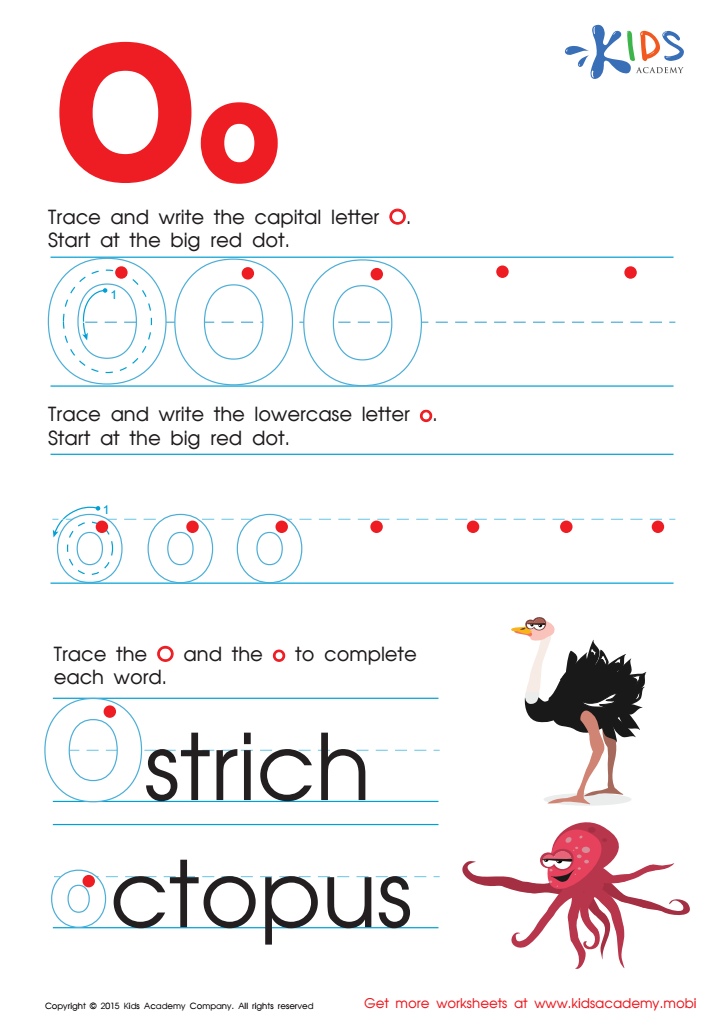
Letter O Tracing Page
 Assign to My Students
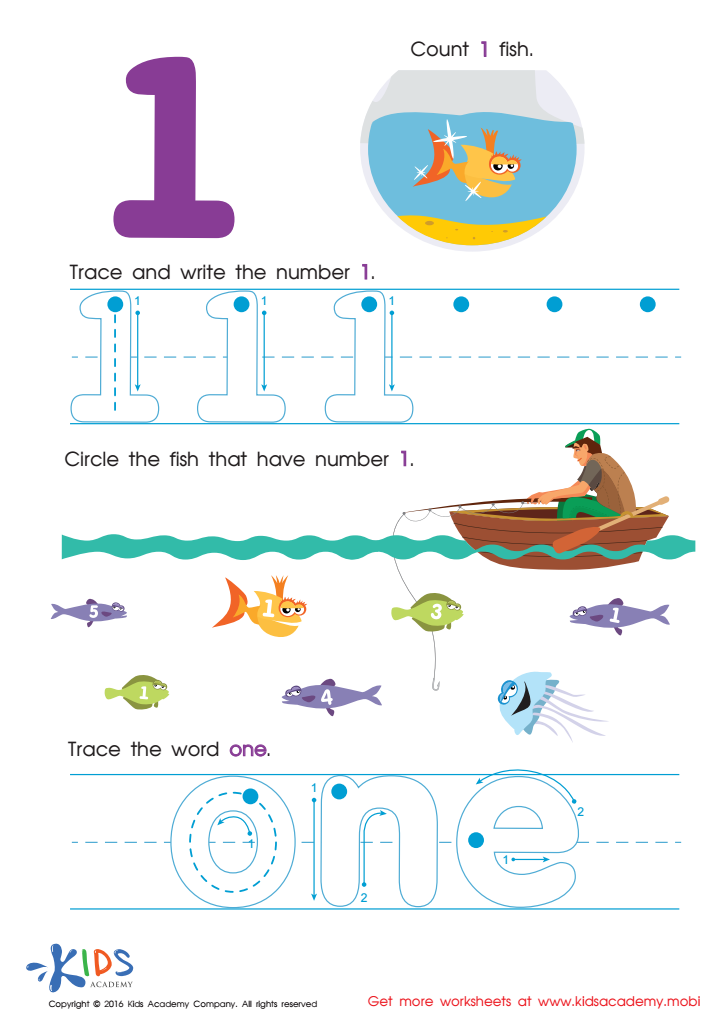
Learning to Write 1 Worksheet
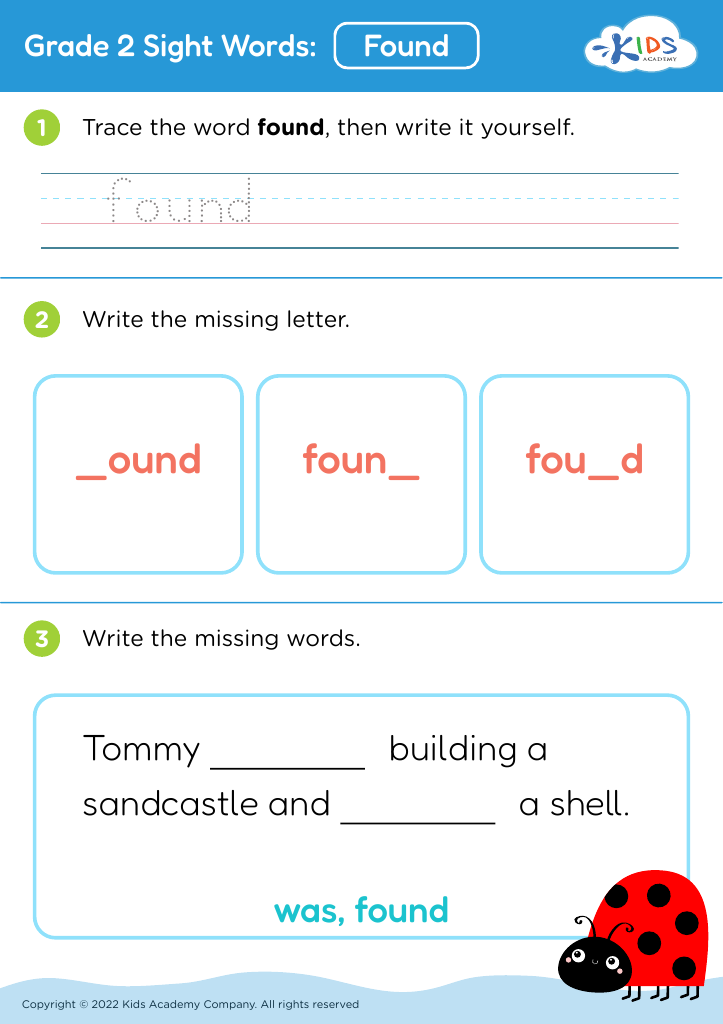


.jpg)





Tracing practice for ages 4-7 is a vital developmental activity that offers numerous benefits for young learners. First and foremost, it enhances fine motor skills, which are crucial for writing, drawing, and other hand-eye coordination tasks. As children trace letters, numbers, or shapes, they develop the muscle control necessary for writing independently.
Additionally, tracing supports letter and number recognition as children learn to visualize their formation. This early exposure contributes significantly to literacy and numeracy, forming a solid foundation for future learning. It encourages concentration and focus, as children must pay attention to the lines and details while tracing.
Moreover, tracing can boost confidence in young learners. As they see their progress—moving from straight lines to more complex shapes or letters—they gain a sense of accomplishment, which can motivate them to engage in other academic activities. Tracing can also be made enjoyable with creative and engaging materials, linking the exercise to play.
In this digital age, it's essential not to overlook the tactile aspects of learning. By engaging in tracing practice, parents and teachers create opportunities for hands-on experience that stimulate cognitive, motor, and emotional growth, setting the stage for lifelong learning habits.








