Understanding equality Worksheets for Ages 4-7
5 filtered results
-
From - To
Discover our comprehensive collection of "Understanding Equality" worksheets designed for children aged 4-7! Our engaging and interactive materials help young learners grasp the concept of equality through fun activities and visual aids. Perfect for early grade teachers and parents alike, these worksheets cover essential skills like matching, counting, and pattern recognition, ensuring children understand the importance of fairness and equal value. With easy-to-follow instructions, vibrant illustrations, and age-appropriate challenges, your little ones will gain confidence in their abilities while fostering a strong foundation in equality. Start their journey towards understanding equality today!
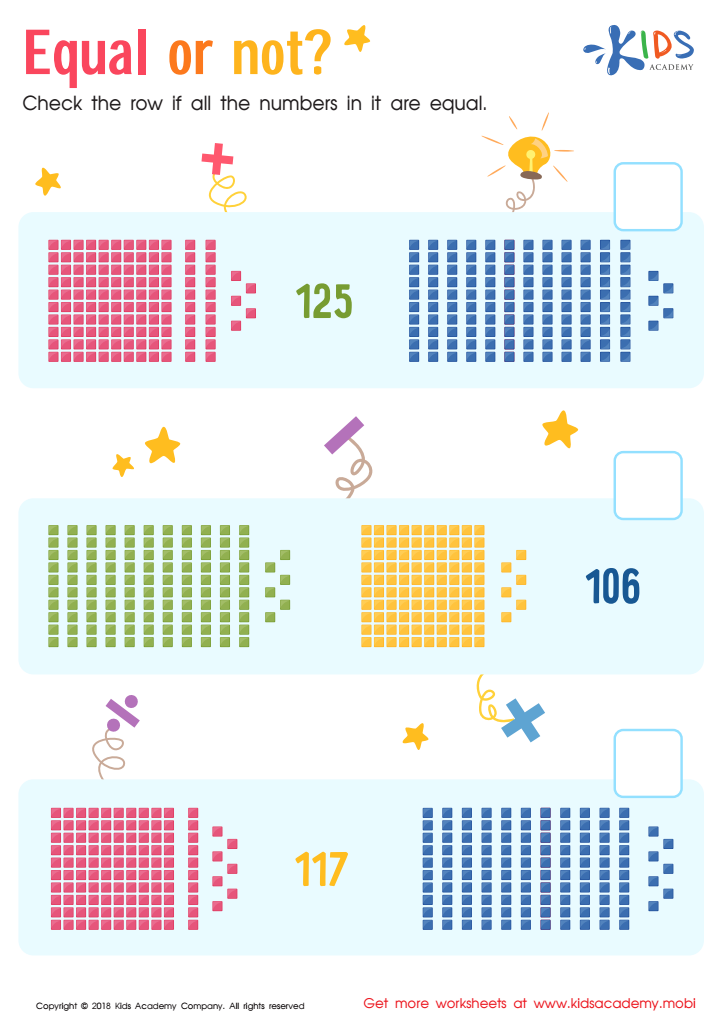
Equal or not Worksheet
 Assign to My Students
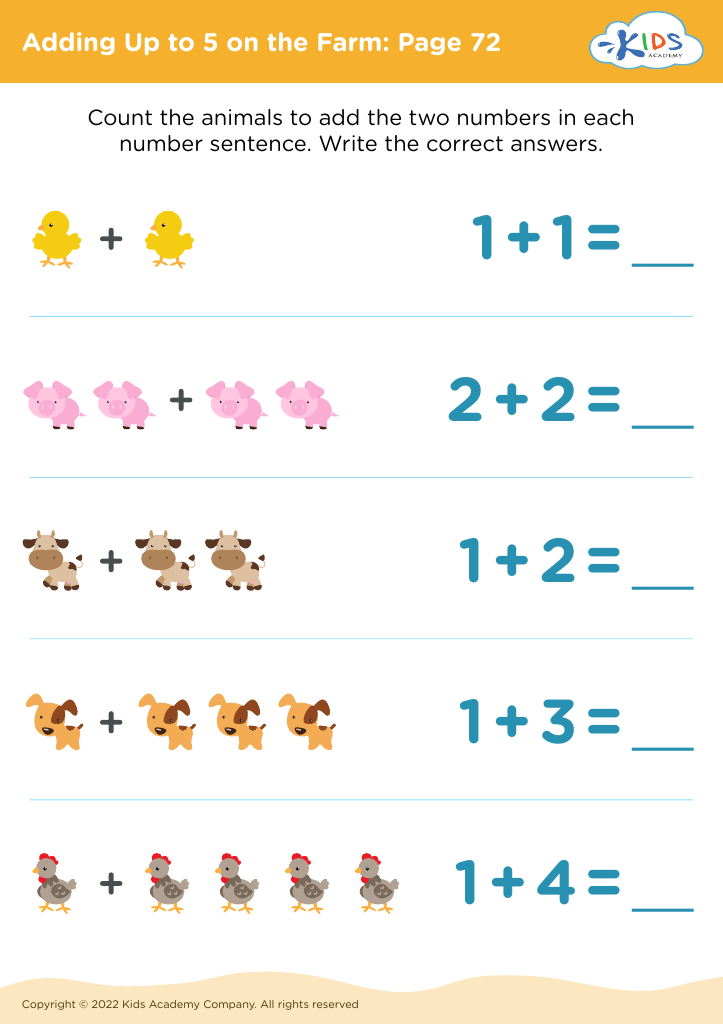
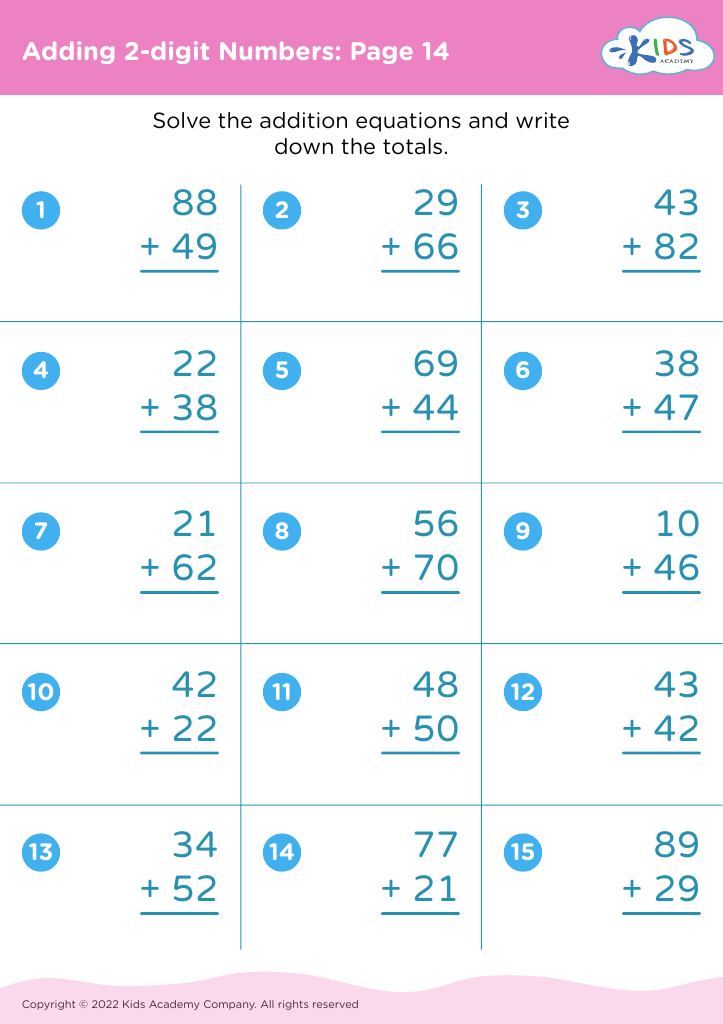
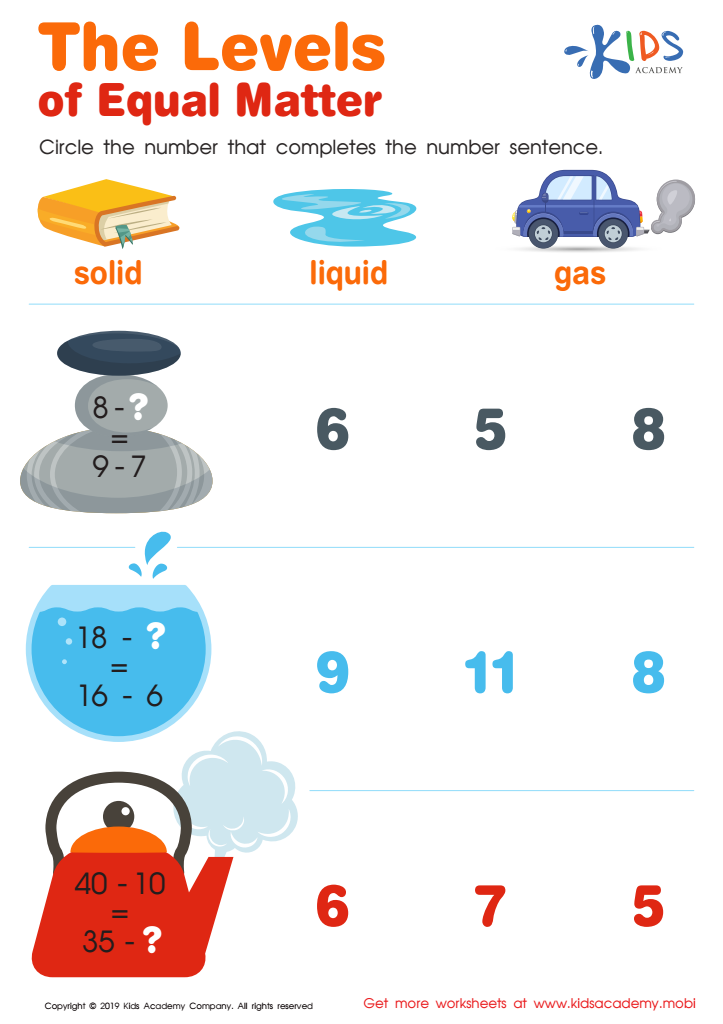
The Levels of Equal Matter Worksheet








Understanding equality at the ages of 4-7 is foundational for nurturing a fair and inclusive mindset in children. At this young age, kids are highly impressionable and are just starting to develop social, emotional, and cognitive skills. By teaching them about equality, parents and teachers instill values like respect, empathy, and fairness early on. These values help children accept and celebrate differences, whether they relate to race, ability, gender, or background, reducing the influence of stereotypes and prejudice.
Moreover, children who are taught the principles of equality are more likely to develop strong social relationships and exhibit prosocial behaviors, such as sharing, cooperation, and kindness. This environment not only promotes emotional well-being but also creates a supportive community, where students feel safe and valued. Such inclusiveness positively impacts learning, as children who feel respected and understood are more engaged and motivated.
Introducing the concept of equality early also sets the stage for long-term societal improvement. When children grow up internalizing these ideals, they contribute to creating a more just and equitable world. Therefore, parents and teachers have a critical role in championing equality during these formative years, fostering a sense of human dignity and social justice in the next generation.








