Understanding patterns Worksheets for Ages 4-7 - Page 2
48 filtered results
-
From - To
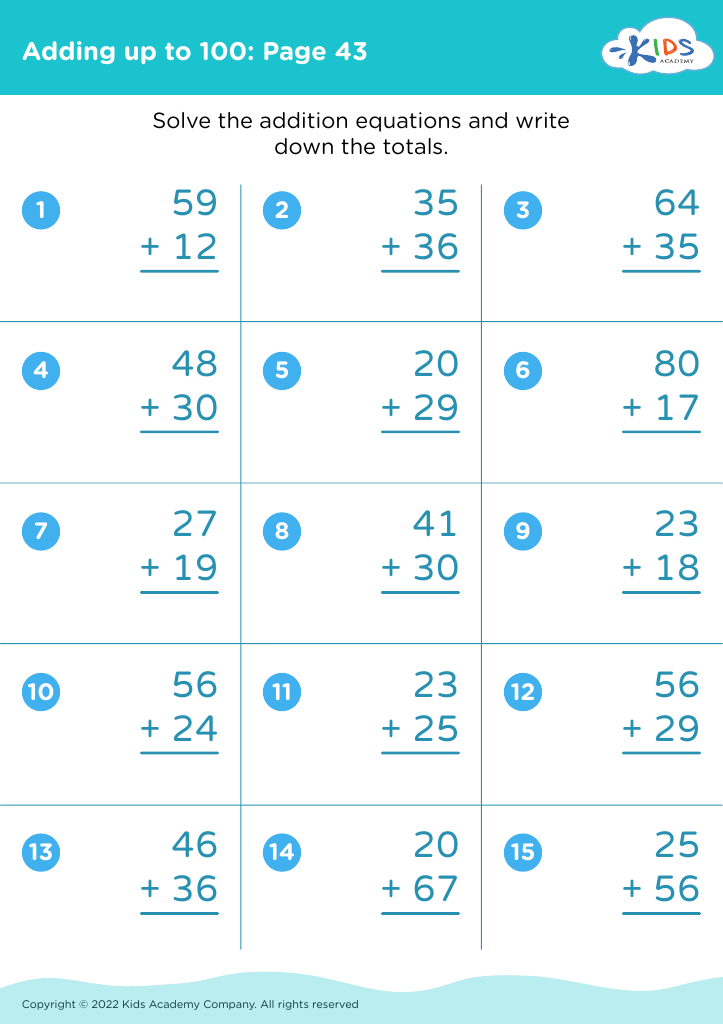
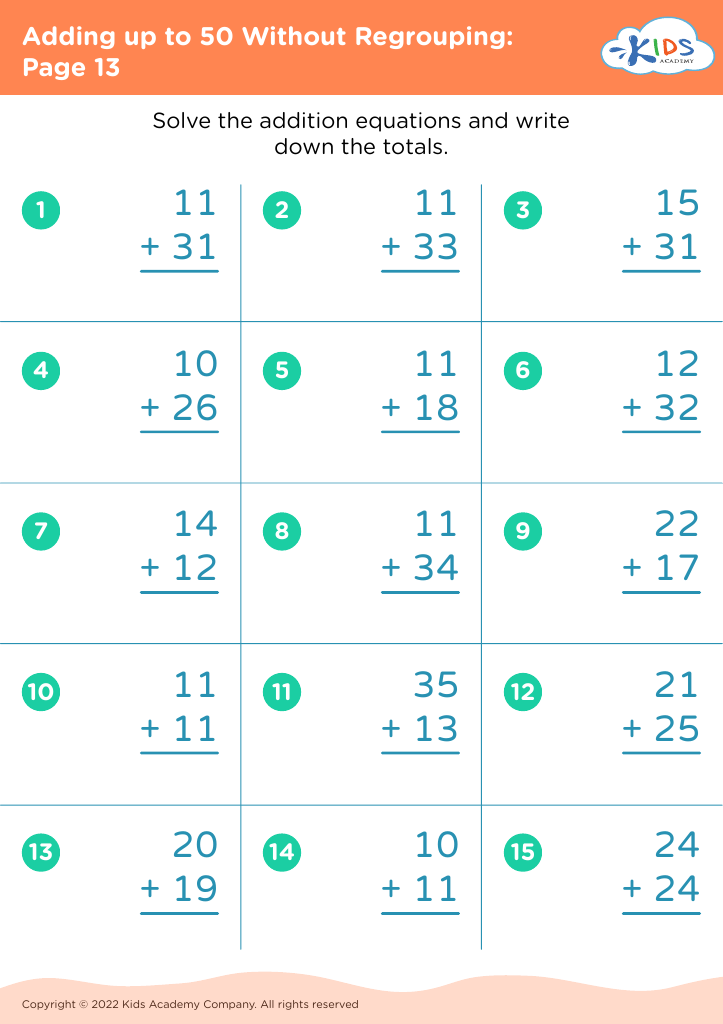
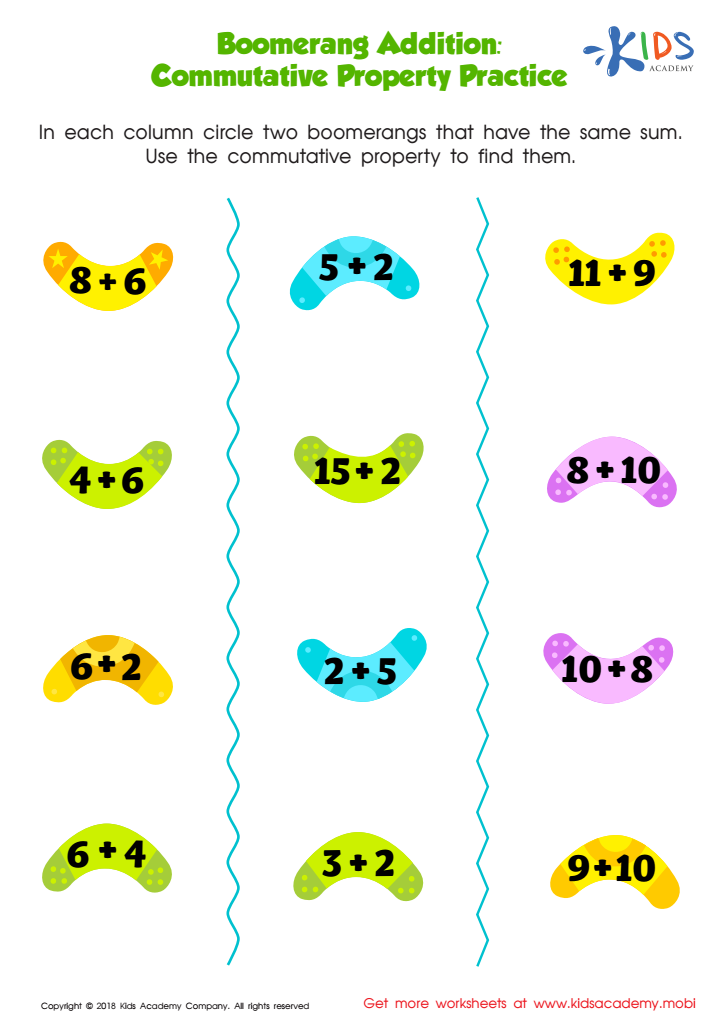
Boomerang Addition Worksheet
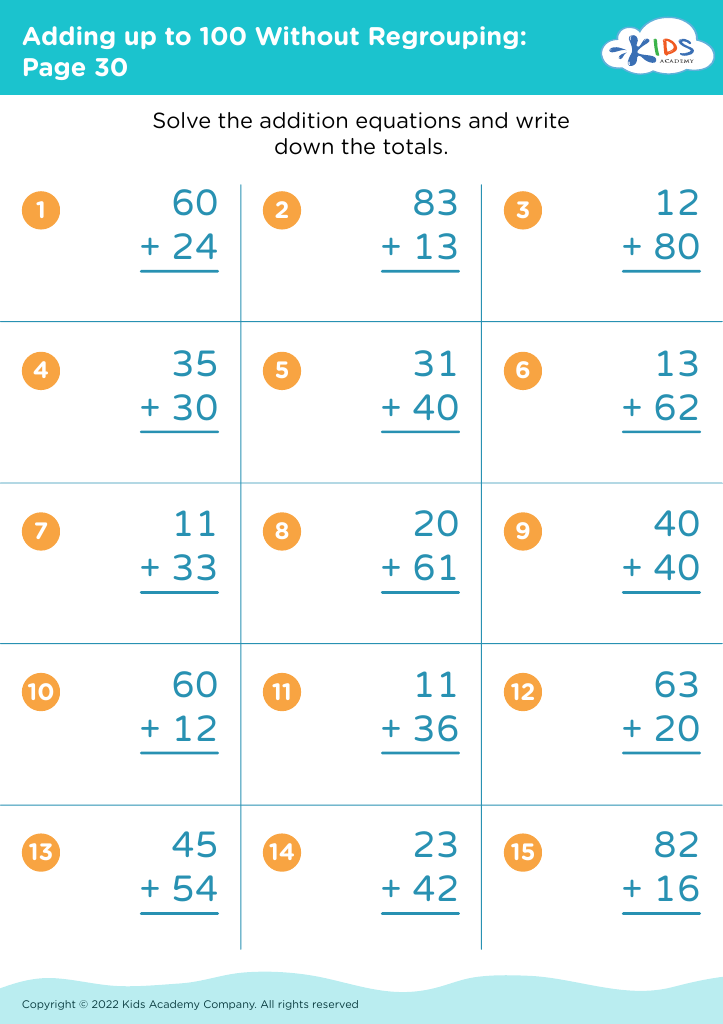
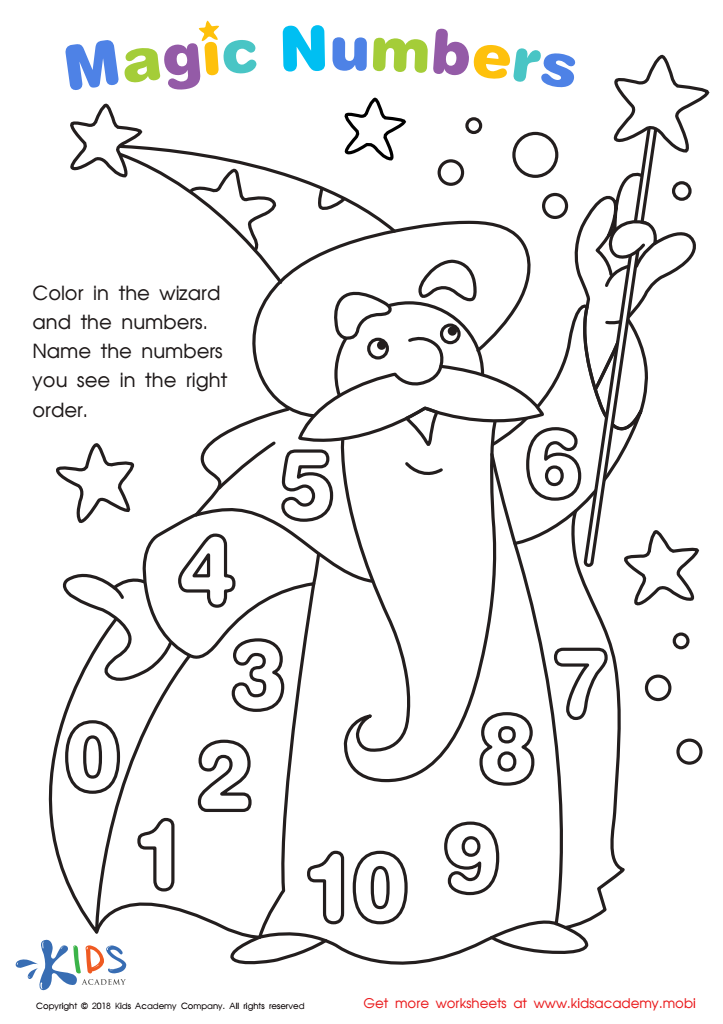
Magic Numbers Worksheet
 Assign to My Students
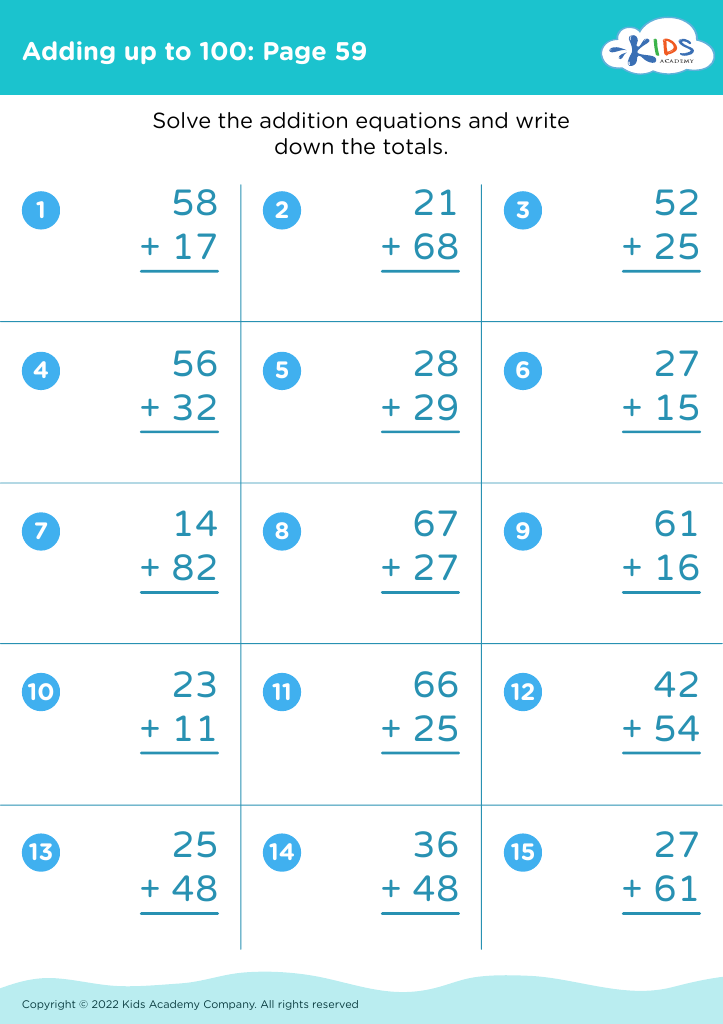
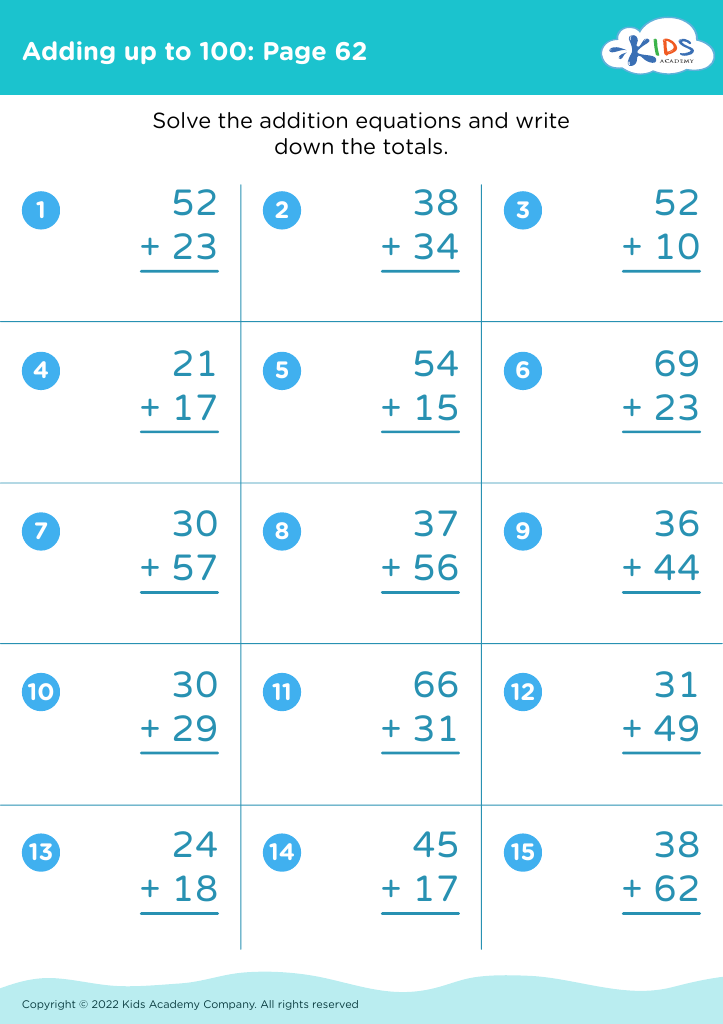
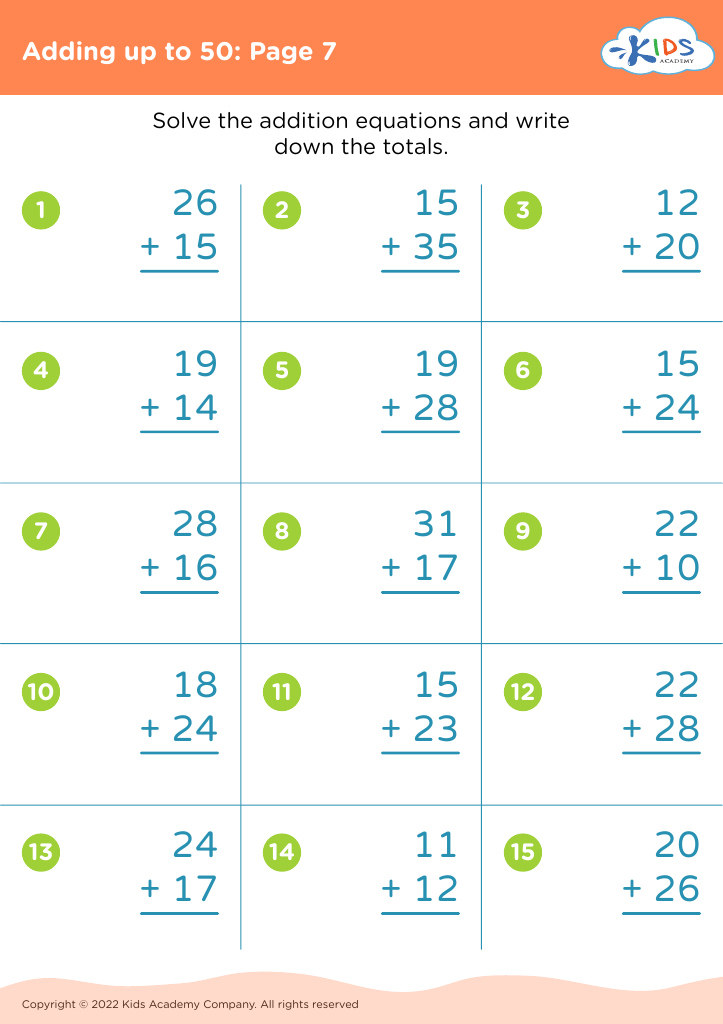
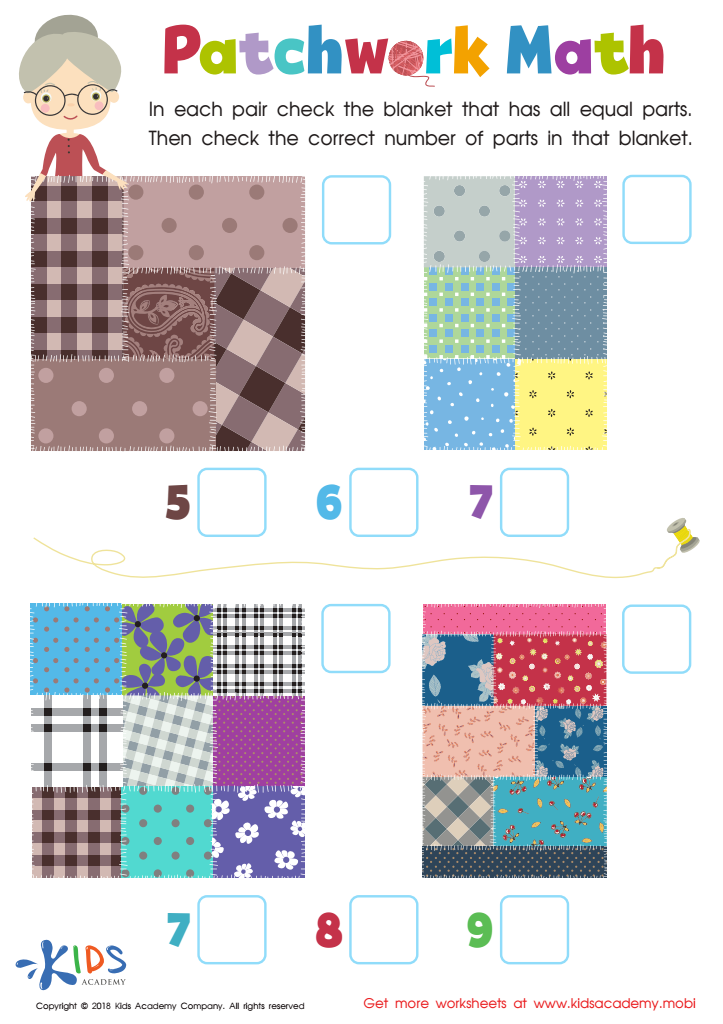
Patchwork Math Worksheet
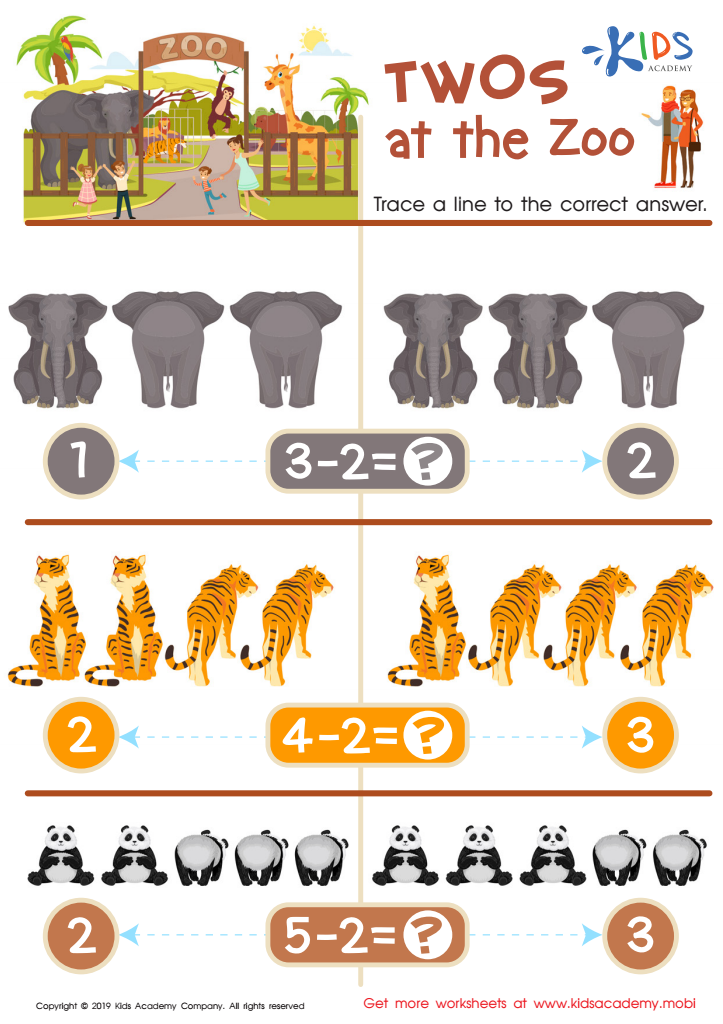
Twos at the Zoo Worksheet
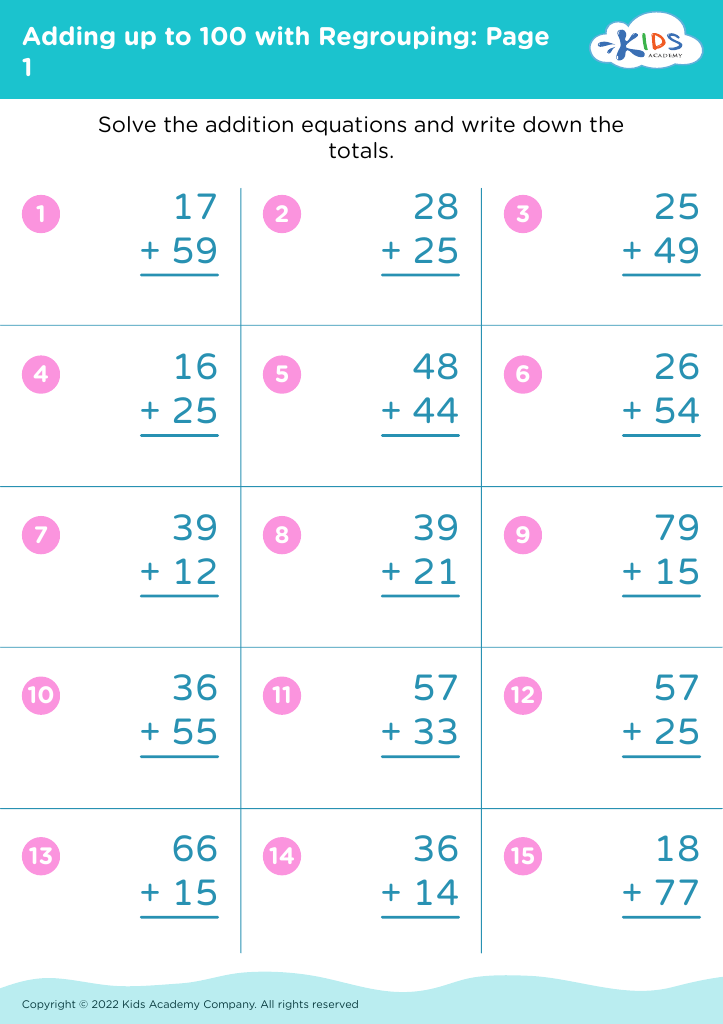
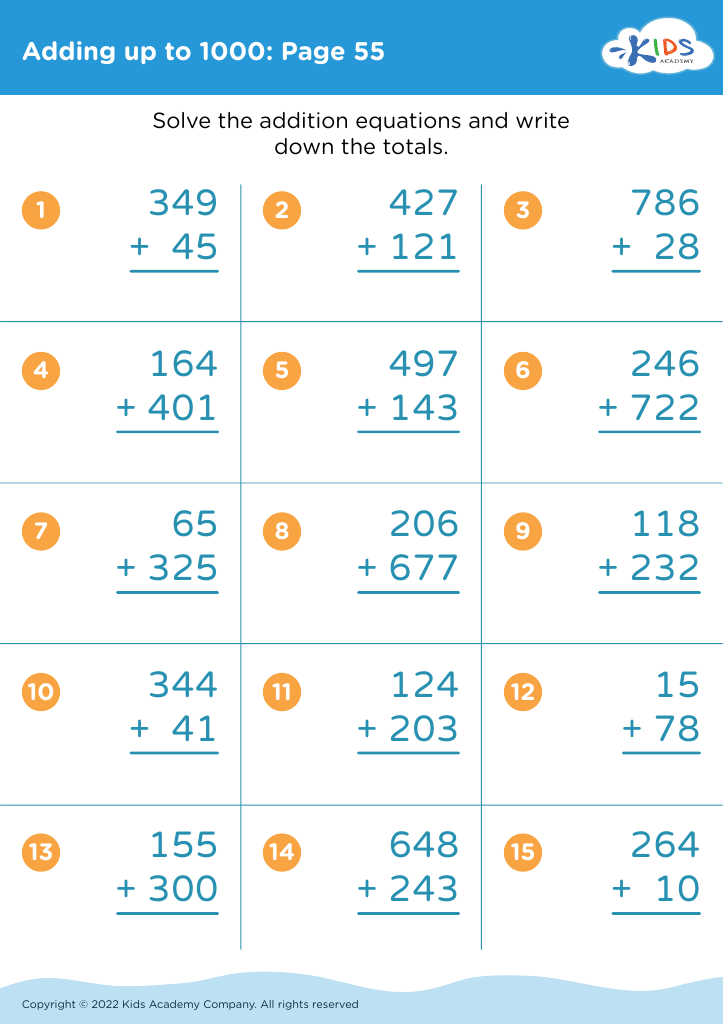
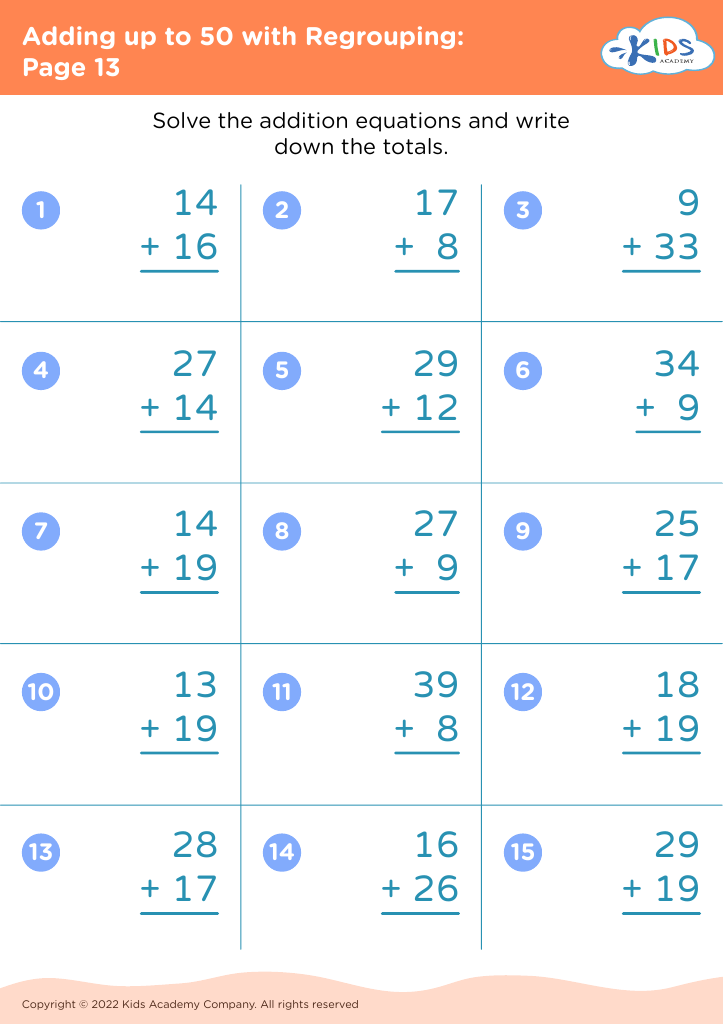
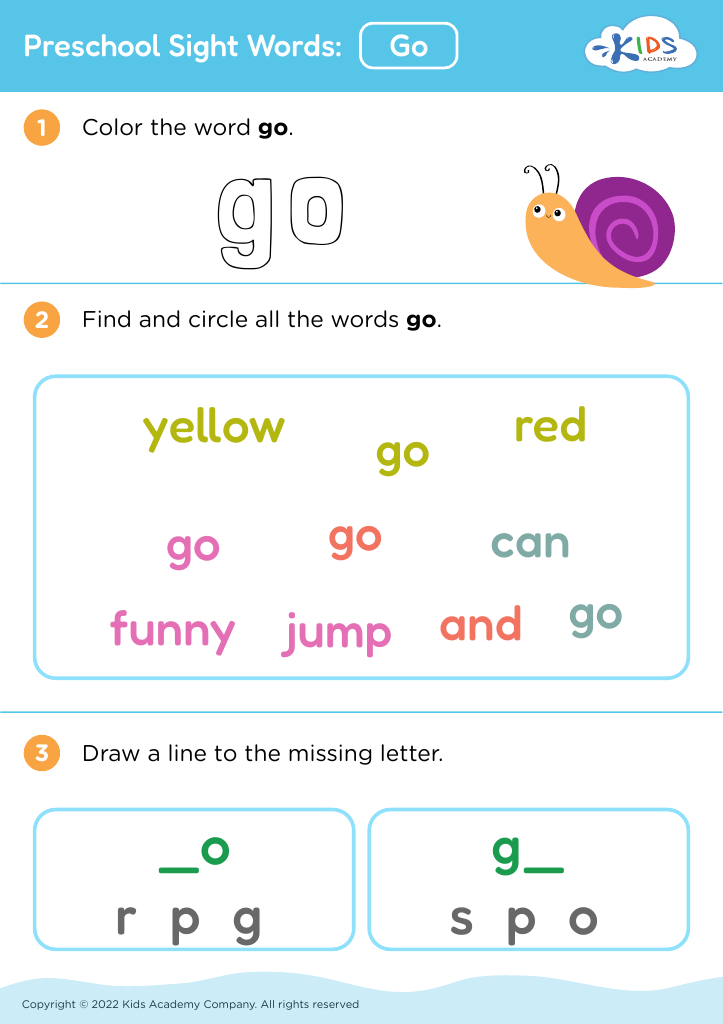
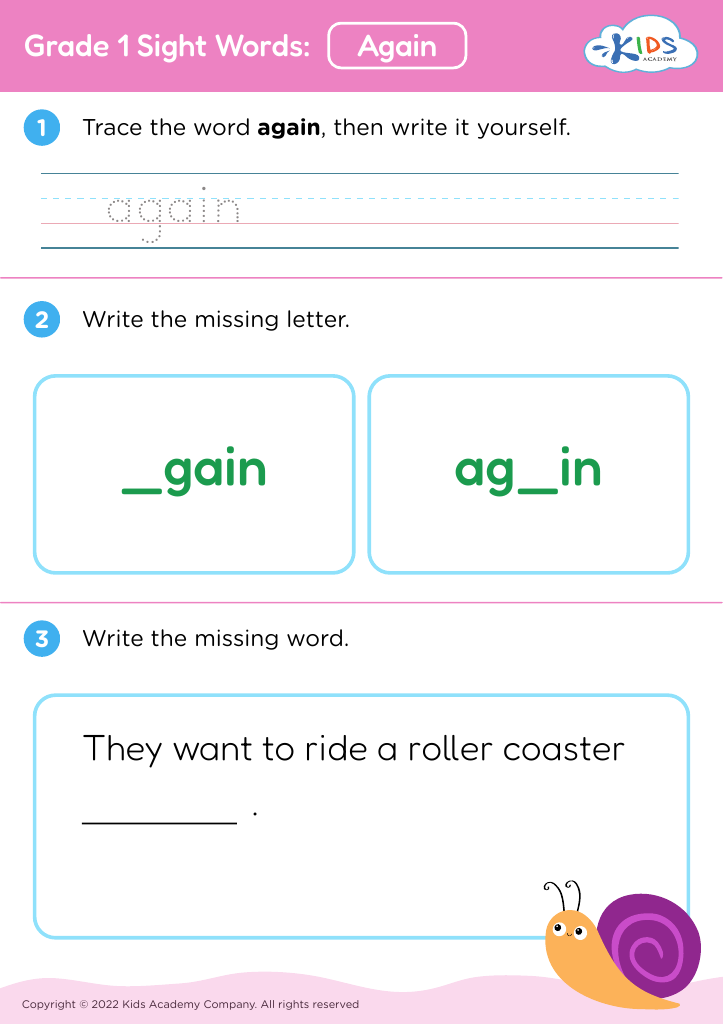
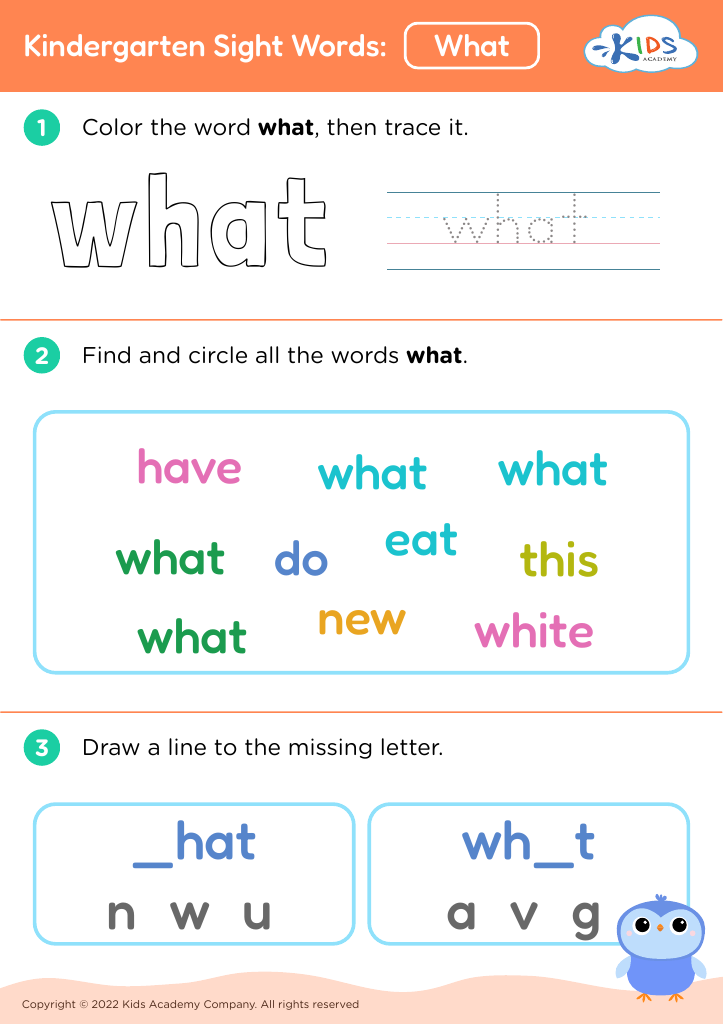
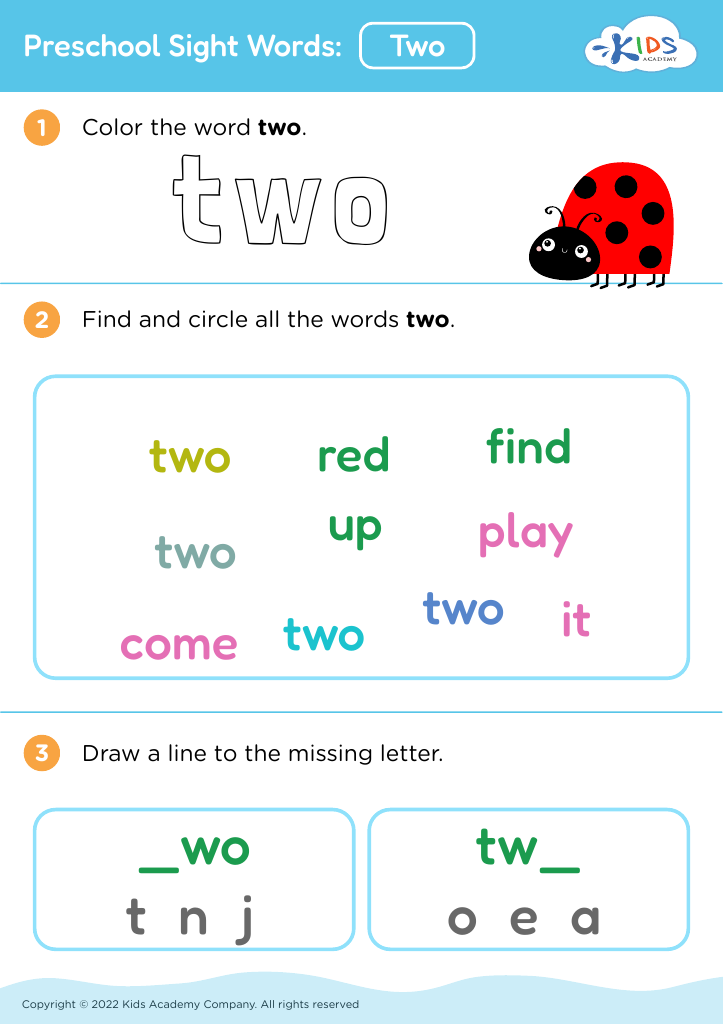




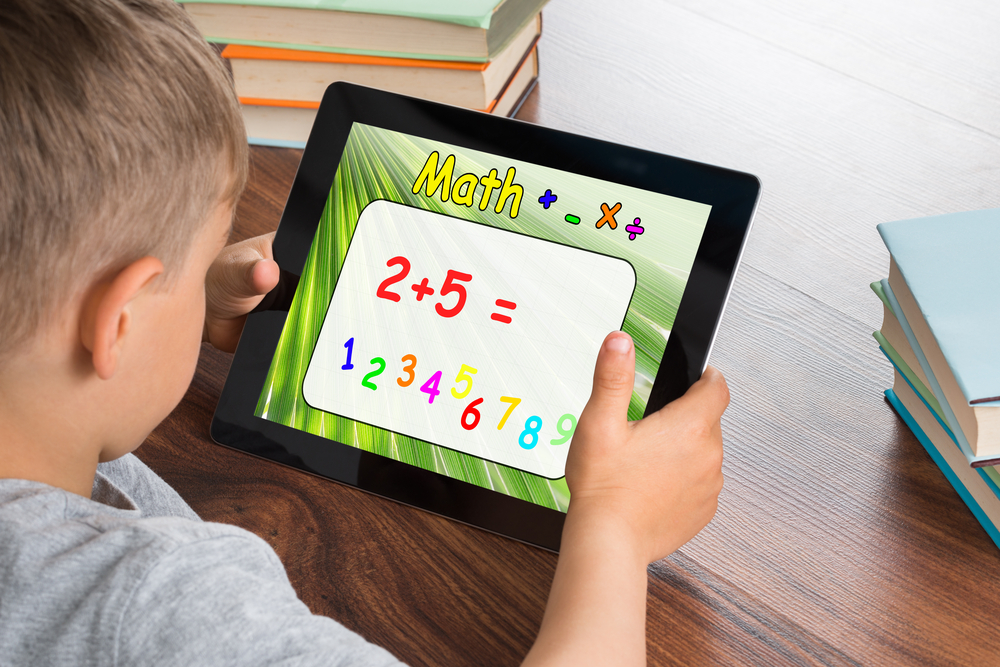



Understanding patterns is an essential foundational skill for children aged 4-7, as it nurtures crucial cognitive abilities critical for their overall learning and development. Patterns, essentially predictable sequences, help young learners develop logical thinking and problem-solving skills because they start recognizing sequences and predicting what comes next, which is the bedrock of mathematical understanding.
When children engage in pattern recognition activities, they strengthen their ability to observe, compare, and classify, which are vital skills for more complex mathematical concepts they will encounter later. For instance, understanding numerical patterns can lead to a better grasp of operations like addition, subtraction, multiplication, and division.
Furthermore, pattern recognition extends beyond mathematics. It is an important skill for early literacy and comprehension. Recognizing patterns in rhymes, stories, and sounds helps children in decoding and spelling, thus fostering stronger reading skills. In day-to-day life, recognizing routines and sequences enables children to develop a sense of order and predictability, which contributes to their emotional and social stability.
Parents and teachers should invest in nurturing these abilities by incorporating pattern activities into daily routines and play. Be it through sorting toys by color, clapping in a rhythmic sequence, or identifying sequences in nature, these activities make learning engaging and support holistic educational development.








