
Underwater animal identification Worksheets for Ages 4-7
3 filtered results
Difficulty Level
Grade
Age
-
From - To
Subject
Activity
Standards
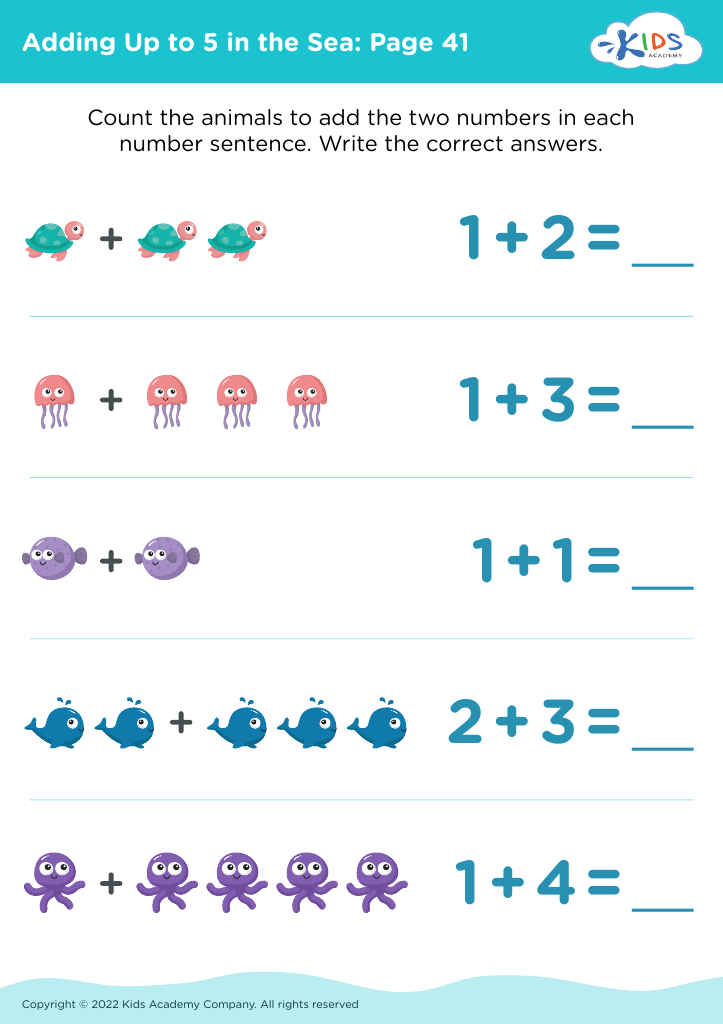
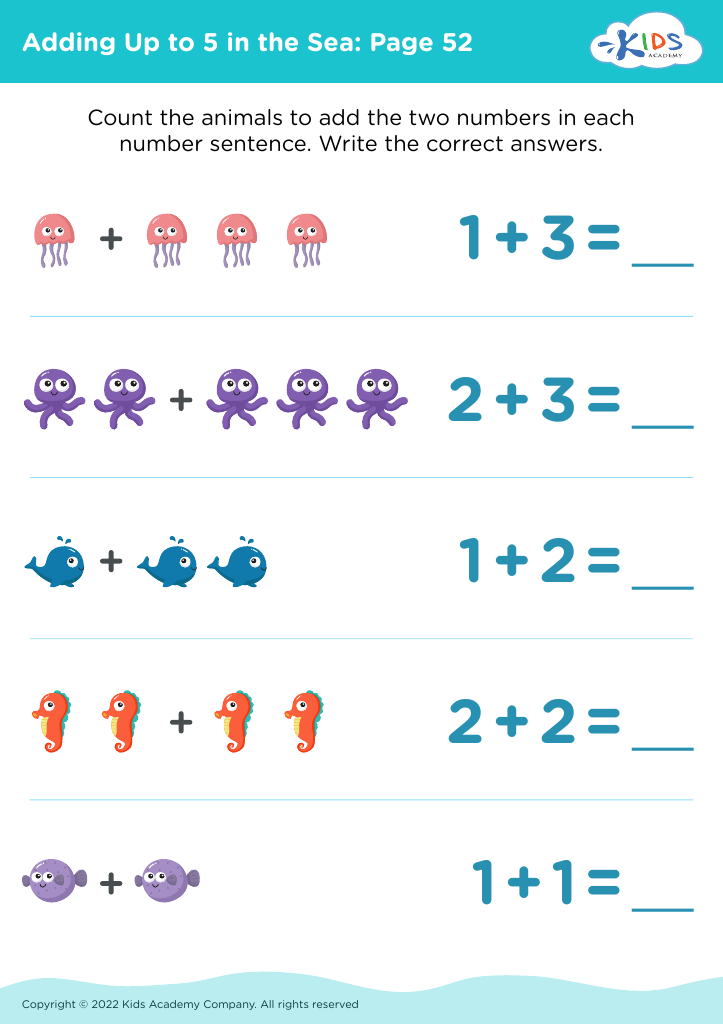
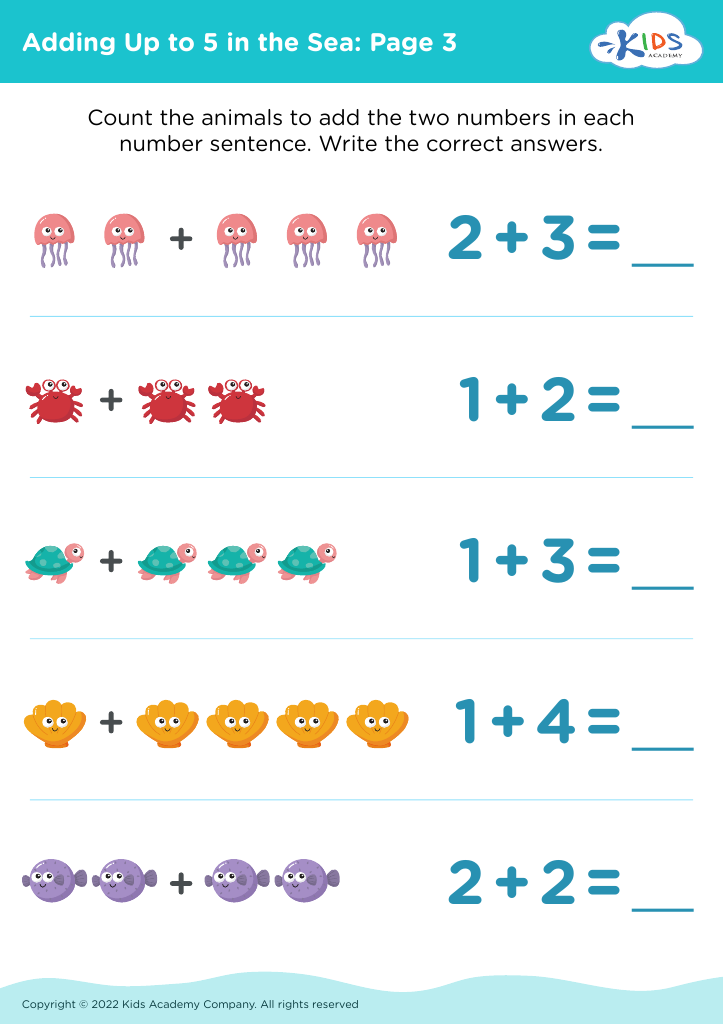
Dive into a world of underwater adventure with our "Underwater Animal Identification Worksheets for Ages 4-7"! These captivating worksheets are specially designed to spark curiosity and enhance learning in young minds. Children will explore a variety of marine life, from colorful fish to enchanting sea creatures, while improving their observation and identification skills. Fun and engaging, each worksheet combines colorful images with informative content, making learning an enjoyable journey. Perfect for classroom or at-home activities, these worksheets promote cognitive development, vocabulary building, and a love for nature. Begin your underwater exploration today and watch your child's imagination dive deep!
Favorites
With answer key
Interactive
Join Kids Academy for Free
Who is primarily going to use this learning content?








Introducing children aged 4-7 to underwater animal identification offers numerous benefits that cater to their cognitive, emotional, and social development. At this age, kids are highly curious and eager to learn about the world around them. By exploring underwater animals, they can satisfy this curiosity in a fun and educational way.
Understanding underwater animals enhances cognitive skills such as observation, memory, and classification. Kids learn to notice differences and similarities among creatures, improving their attention to detail and critical thinking. Activities like matching games or storytelling featuring underwater animals make learning engaging and enjoyable.
Emotionally, familiarizing children with underwater life fosters empathy and respect for living beings. They learn that creatures, no matter how small or different, have homes and roles in the ecosystem. This awareness can cultivate a lifelong appreciation for nature and kindness toward all animals.
Socially, underwater animal identification encourages cooperative learning. Through group activities such as collaborative art projects or team-based scavenger hunts, children develop teamwork and communication skills. These activities also spur their imagination, supporting creative play and language development.
In summary, teaching underwater animal identification to young children is not just about learning the names and traits of marine life; it’s a multifaceted approach that enriches cognitive, emotional, and social growth. This investment in their formative years helps lay a strong foundation for academic success and personal integrity.








