Visual-spatial skills Worksheets for Ages 4-7
3 filtered results
-
From - To
Develop your child's visual-spatial intelligence with our engaging Visual-Spatial Skills Worksheets designed for ages 4-7. These carefully crafted activities help young learners understand and organize visual information, improve problem-solving skills, and enhance memory retention. Perfectly suited for curious minds, our worksheets include puzzles, pattern recognition, and shape sorting tasks that make learning fun and exciting. By regularly practicing with these vibrant and interactive materials, children can build a strong foundation in spatial awareness, critical thinking, and cognitive growth. Unlock your child's potential with Kids Academy's Visual-Spatial Skills Worksheets, where education meets imagination!
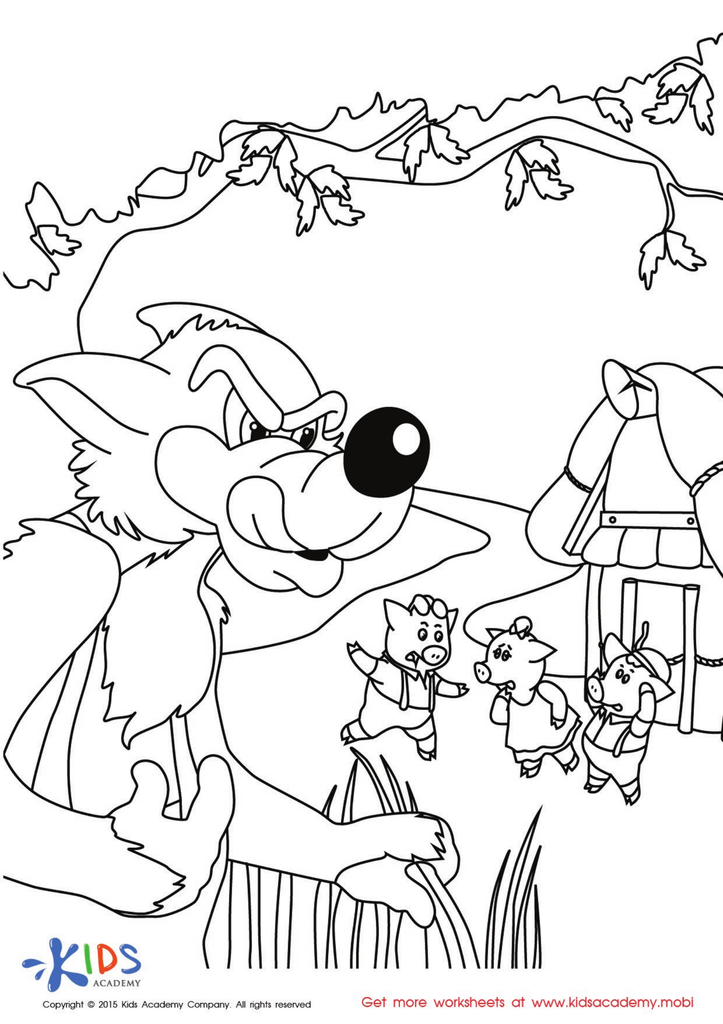
The Story of the Three Little Pigs Coloring Worksheet
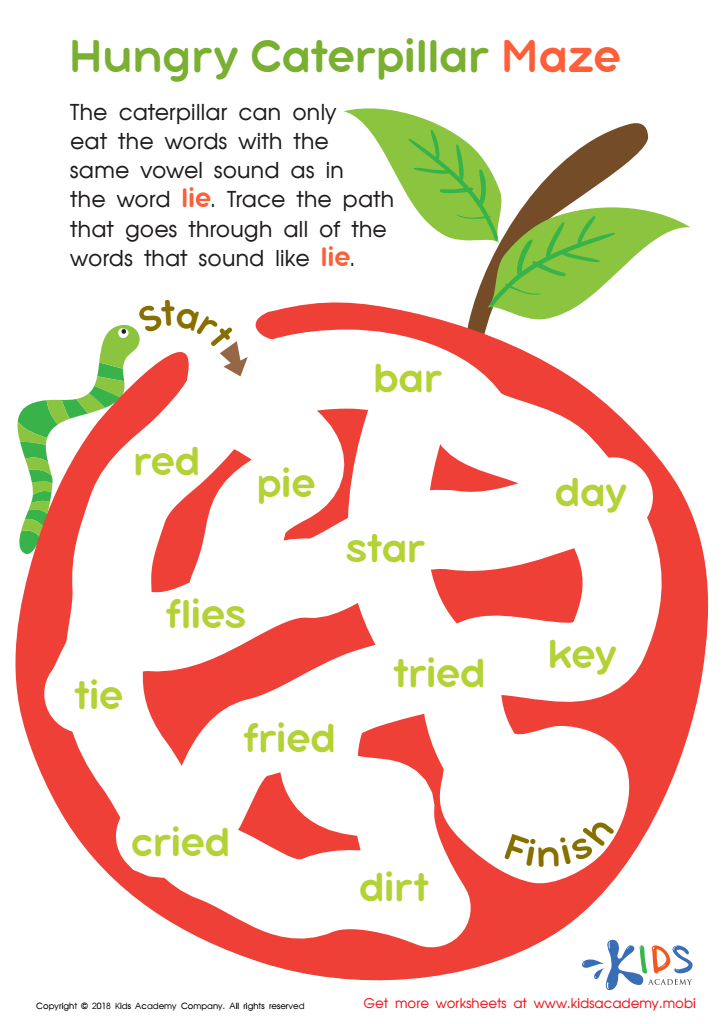
Hungry Caterpillar Maze Worksheet
 Assign to My Students







Visual-spatial skills are crucial for young children aged 4-7 because they form the foundation for various cognitive and practical capabilities essential for their overall development. These skills enable children to understand and interact with the world around them by interpreting visual information and understanding spatial relationships.
In early childhood education, visual-spatial skills are linked to success in reading, writing, and mathematics. For instance, recognizing shapes, letters, and numbers involves distinguishing different visual forms and understanding how these symbols are spatially arranged. These skills also contribute to problem-solving and critical thinking, as children need to visualize solutions and understand how parts of a whole fit together to solve puzzles and build structures.
Moreover, developing strong visual-spatial skills supports physical coordination and fine motor skills, which are critical for tasks like cutting with scissors, drawing, or tying shoelaces. These proficiencies also enhance a child's ability to navigate their environment, leading to greater independence and confidence.
Parents and teachers can support the development of visual-spatial skills through activities like building blocks, drawing, playing memory games, and engaging in sports. By nurturing these skills early on, we equip children with essential tools that lay the groundwork for academic achievement and everyday life competencies.








