Hand-eye Coordination Mazes Worksheets for Ages 4-7
3 filtered results
-
From - To
Enhance your child's hand-eye coordination with our specially designed Hand-eye Coordination Mazes Worksheets for Ages 4-7. These engaging and educational worksheets help young learners develop crucial fine motor skills, spatial awareness, and problem-solving abilities. Perfect for preschool and early elementary students, our mazes are both fun and challenging, ensuring your child stays engaged while learning. Each worksheet is thoughtfully crafted to promote concentration and persistence. Download now to provide your child with the perfect blend of play and learning, fostering their confidence and preparing them for future academic success.
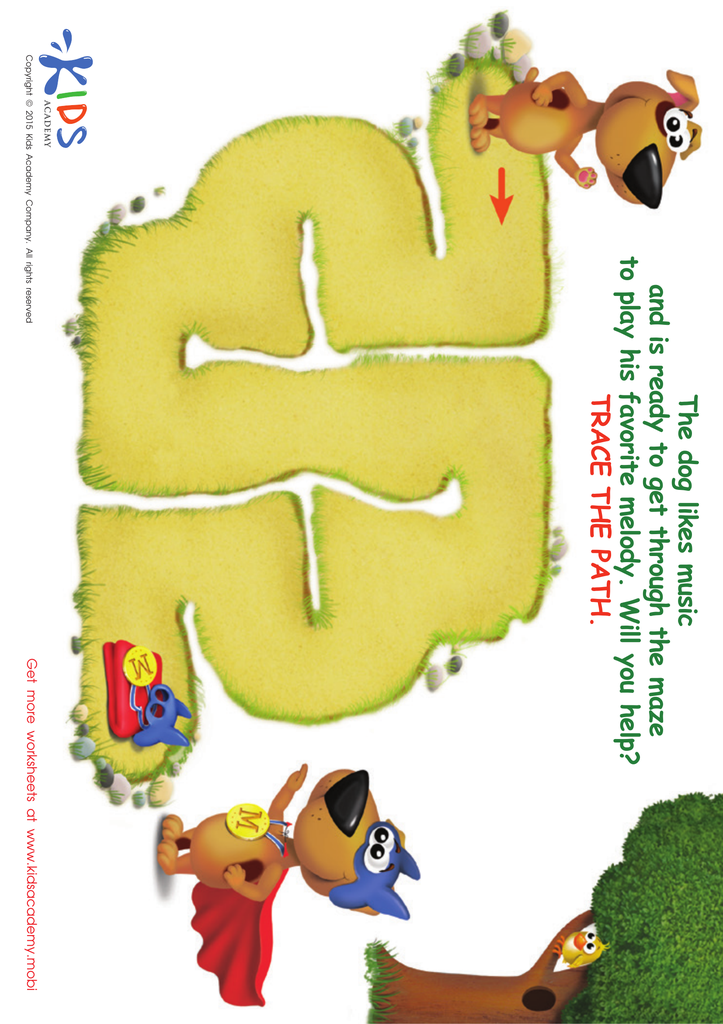
Superman Maze Worksheet
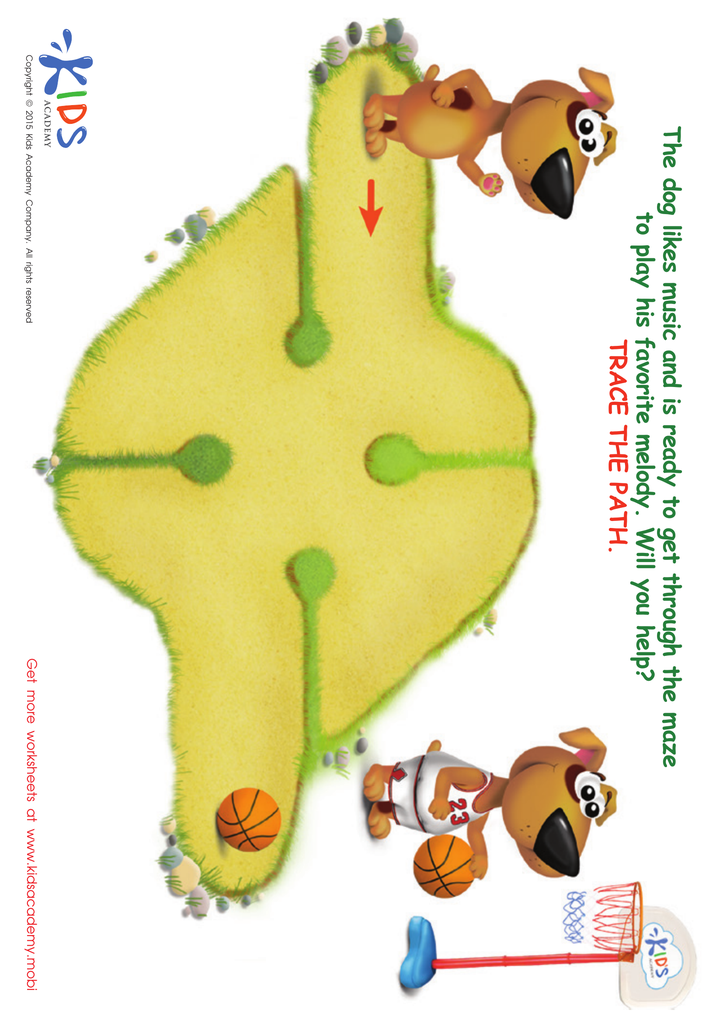
Basketball Player Maze Worksheet
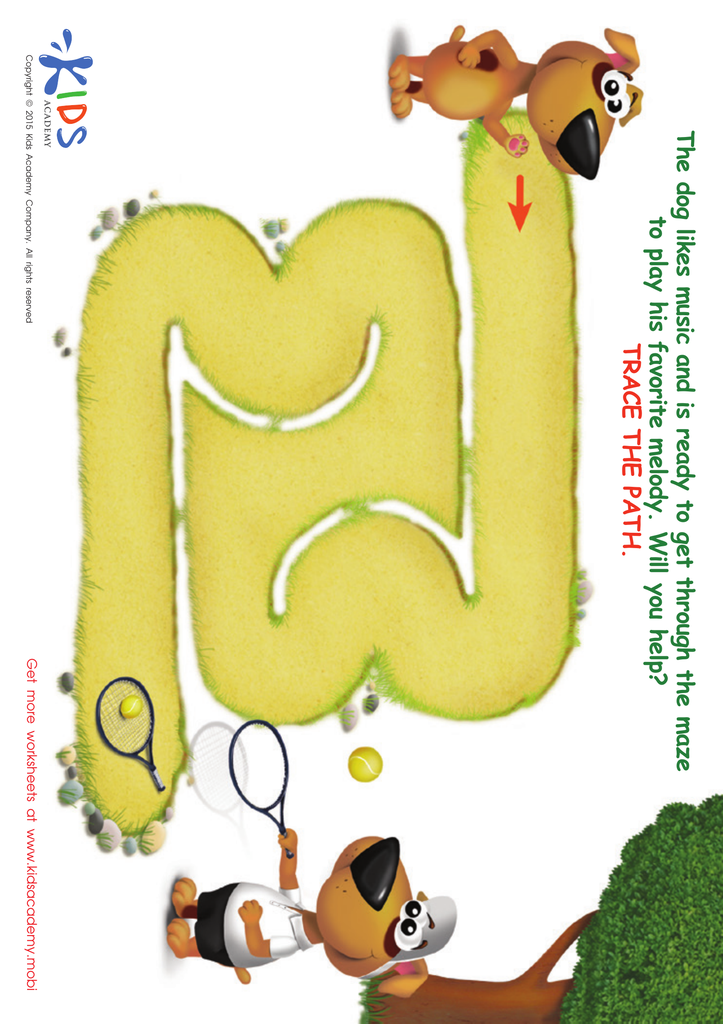
Tennis Player Maze Worksheet


Hand-eye coordination mazes are significant educational tools for children between the ages of 4-7, offering substantial developmental benefits that align with both academic foundations and everyday skills. At this young and formative stage, children's motor skills are evolving rapidly, and activities that refine these abilities can unleash their potential in numerous aspects.
First, such mazes promote fine motor skills, essential for tasks like writing, drawing, and using utensils. Successfully navigating a maze requires precise control of hand movements, bolstering muscle development and dexterity. This prepares children for classroom demands and everyday tasks.
Secondly, these mazes enhance cognitive development. By tracing paths and avoiding obstacles, children learn problem-solving skills and strategic thinking. They cultivate patience, perseverance, and concentration—all vital for subsequent learning experiences.
Thirdly, these activities support visual-motor integration, the ability to coordinate visual input with corresponding physical actions. This skill is crucial not only for complex tasks like reading but also for coordinating physical activities, such as catching a ball or tying shoelaces.
Finally, completing mazes provides a sense of accomplishment and boosts self-esteem. The joy of “finding the way out” fosters positive attitudes towards challenges and learning.
In summary, hand-eye coordination mazes offer more than just fun—they are foundational in equipping children with essential developmental skills that serve academic growth and daily functioning.








