Nature appreciation Adding in the Forest Worksheets for Ages 4-7
5 filtered results
-
From - To
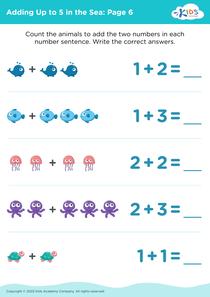
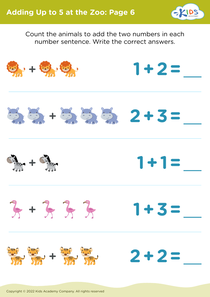
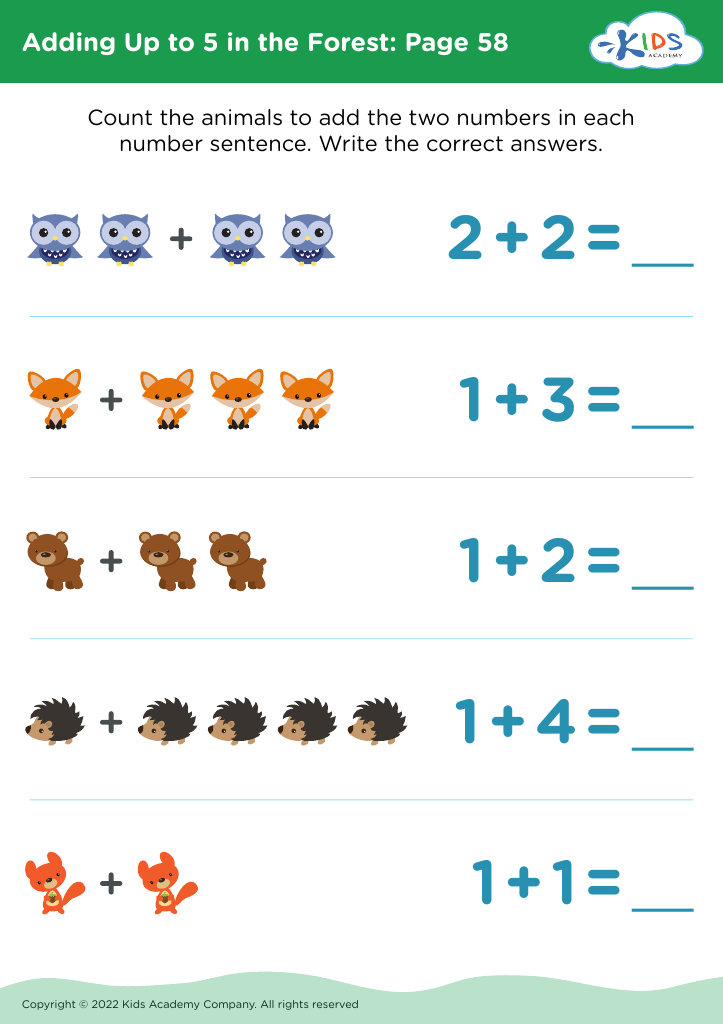
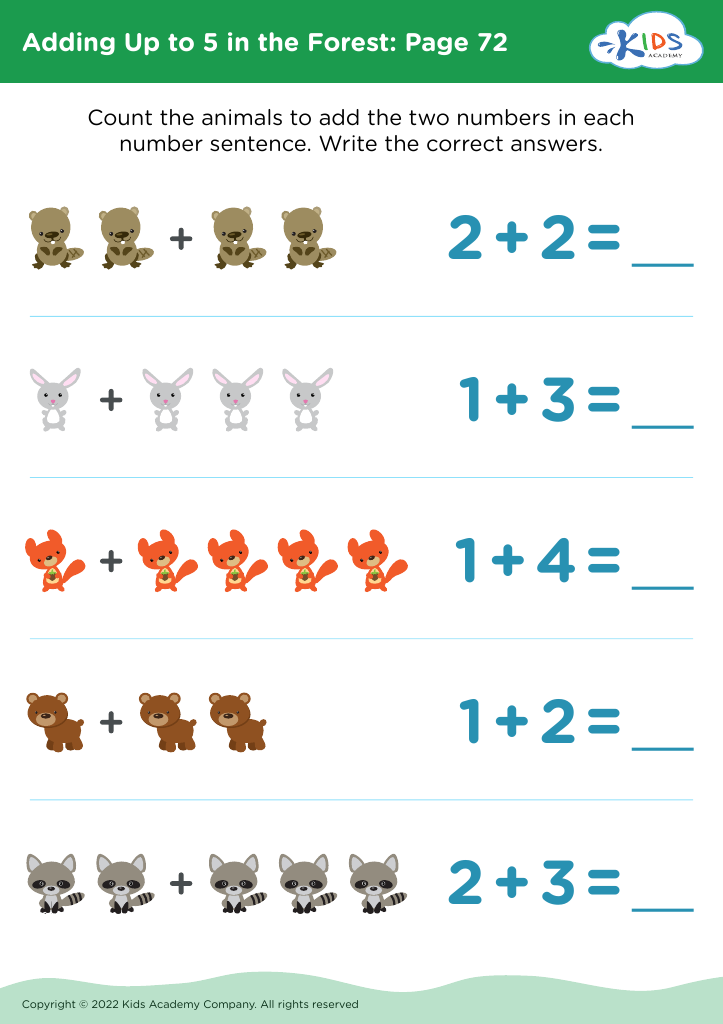
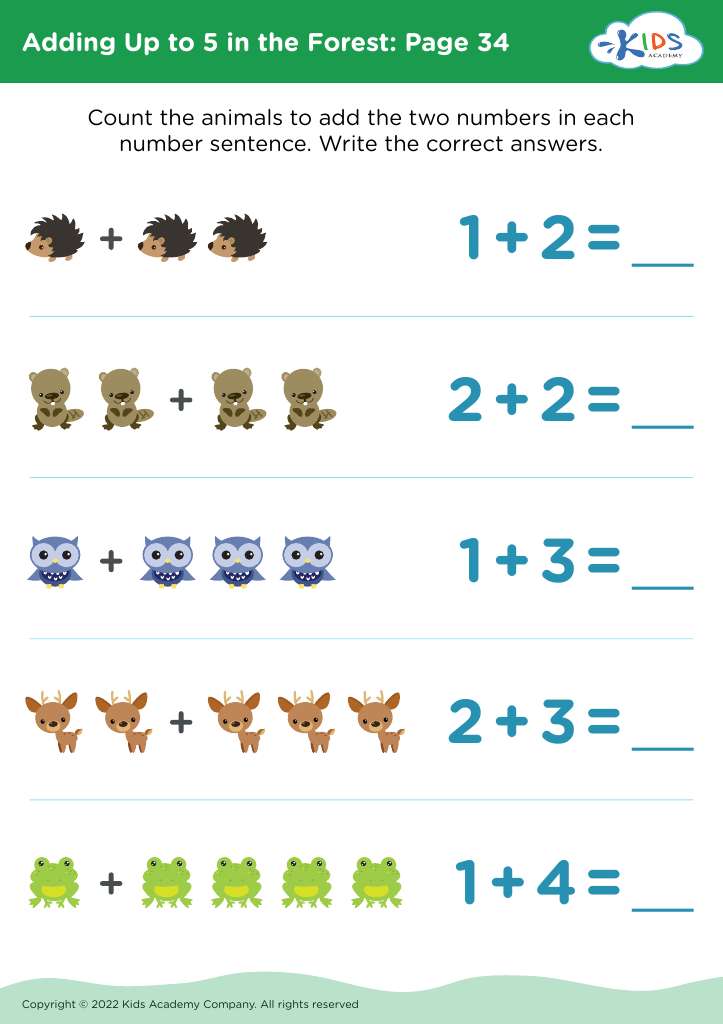
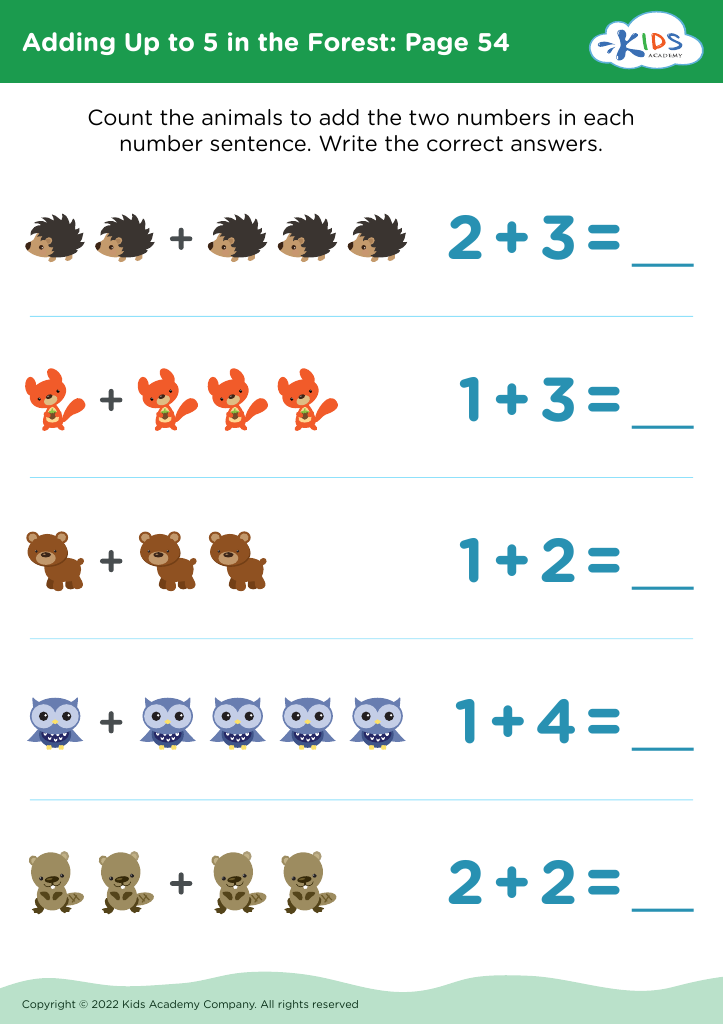
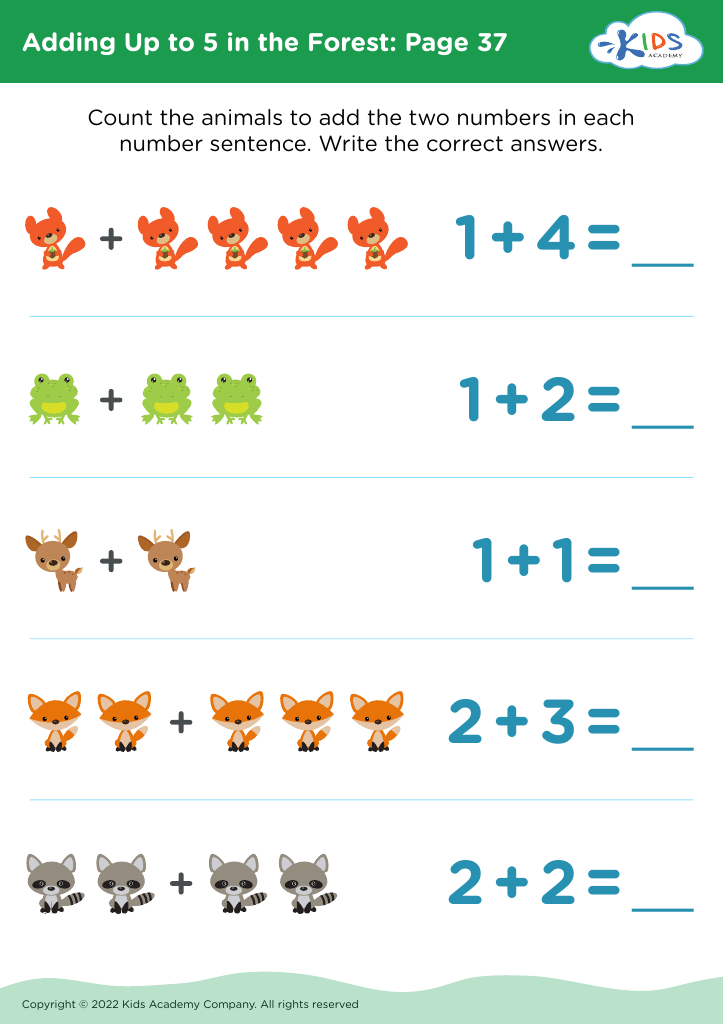
Discover the joy of nature with our "Nature Appreciation Adding in the Forest Worksheets" designed for children ages 4-7! These engaging worksheets seamlessly blend early math skills with the beauty of the natural world. Children will learn addition by counting leaves, animals, and other forest elements, fostering both numerical understanding and an appreciation for nature. With vibrant illustrations and interactive activities, kids will embark on a fun learning journey that encourages curiosity and exploration. Perfect for classroom or home use, these worksheets promote a love for math and nature, setting a strong foundation for lifelong learning. Explore the forest and math today!



Nature appreciation is crucial for young children, especially for those ages 4-7, as it fosters curiosity, creativity, and a sense of wonder about the world around them. Engaging with nature, such as through activities in the forest, offers a unique opportunity for learning that transcends traditional classroom boundaries.
When children explore the outdoors, they develop a deeper understanding of ecosystems, biodiversity, and the importance of conservation. This hands-on experience cultivates critical thinking skills as they observe and question their surroundings. Moreover, nature encourages physical activity, which is vital for developing gross motor skills and overall health.
For parents and teachers, nurturing an appreciation for nature can strengthen the child’s emotional and social skills. Playing and interacting with peers outside in a forest setting promotes collaboration and communication. Nature also provides a calming environment that can reduce stress and anxiety, making it an effective tool for emotional well-being.
By prioritizing nature appreciation, parents and educators help build empathy, respect, and responsibility toward the environment, laying the foundation for future stewardship. In short, connecting children with nature not only enhances their education but also contributes to their holistic development.