
Letter recognition Addition & Subtraction Worksheets for Ages 4-7
3 filtered results
Difficulty Level
Grade
Age
-
From - To
Subject
Activity
Standards
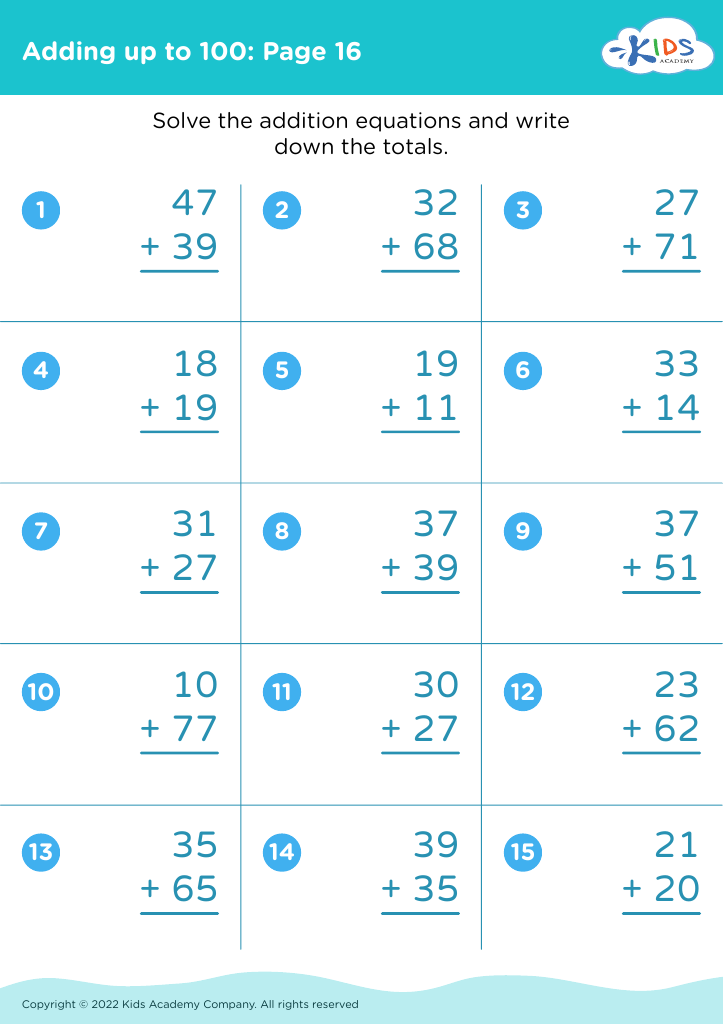
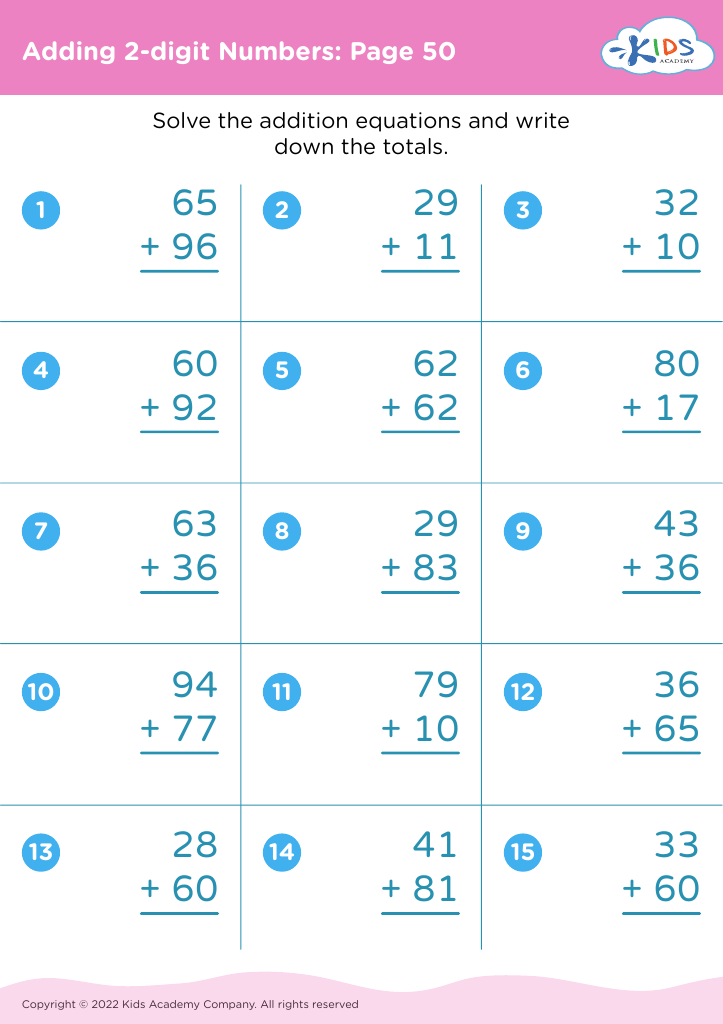
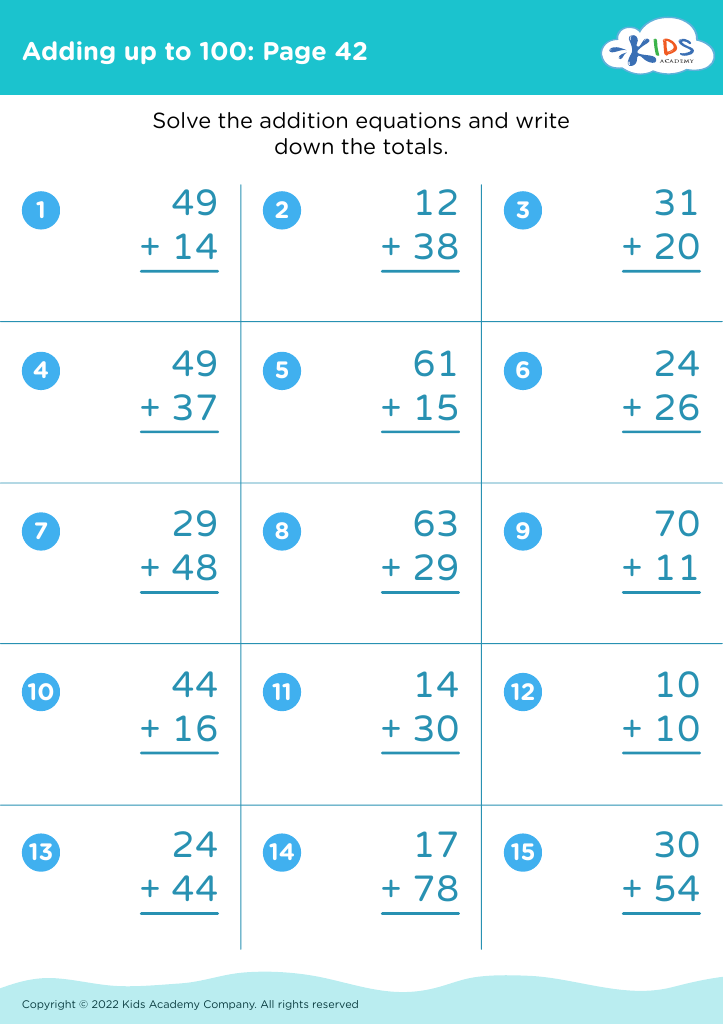
Discover our engaging Letter Recognition Addition & Subtraction Worksheets, specially designed for children ages 4-7! These interactive worksheets seamlessly blend fundamental math skills with essential literacy skills, helping young learners recognize letters while mastering basic addition and subtraction. Each worksheet features colorful illustrations and fun activities, making learning enjoyable and effective. Perfect for homeschooling or classroom use, our resources foster critical thinking and problem-solving skills, ensuring kids build a strong foundation in both math and language arts. Download now to inspire creativity and confidence as your child embarks on their educational journey! Start nurturing well-rounded learners today!
Favorites
With answer key
Interactive
Join Kids Academy for Free
Who is primarily going to use this learning content?








Letter recognition, along with foundational math skills like addition and subtraction, is crucial for children aged 4-7 as these abilities lay the groundwork for their academic development. Early literacy, including letter recognition, fosters language skills that enhance a child's ability to read, write, and communicate effectively. When children can identify letters, they begin to decode words, understand sounds, and build vocabulary, all of which are key components of literacy.
Simultaneously, early math skills such as addition and subtraction help children develop logical thinking and problem-solving abilities. These skills promote not just numerical competence but also the ability to think abstractly and connect concepts, aiding overall cognitive development. Incorporating playful activities involving letters and math can engage children and make learning enjoyable, leading to a positive attitude toward education.
Teachers and parents play a critical role by providing a rich environment with activities and resources that enhance these skills. By focusing on letter recognition and basic math operations, caregivers can support their child’s social and emotional growth, encourage lifelong learning, and promote increased confidence in their abilities—values that extend beyond the classroom and into daily life. This early investment in cognitive skills ultimately leads to better academic outcomes as children progress in their education.








