Shape Recognition Addition & Subtraction Worksheets for Ages 4-7 - Page 2
33 filtered results
-
From - To
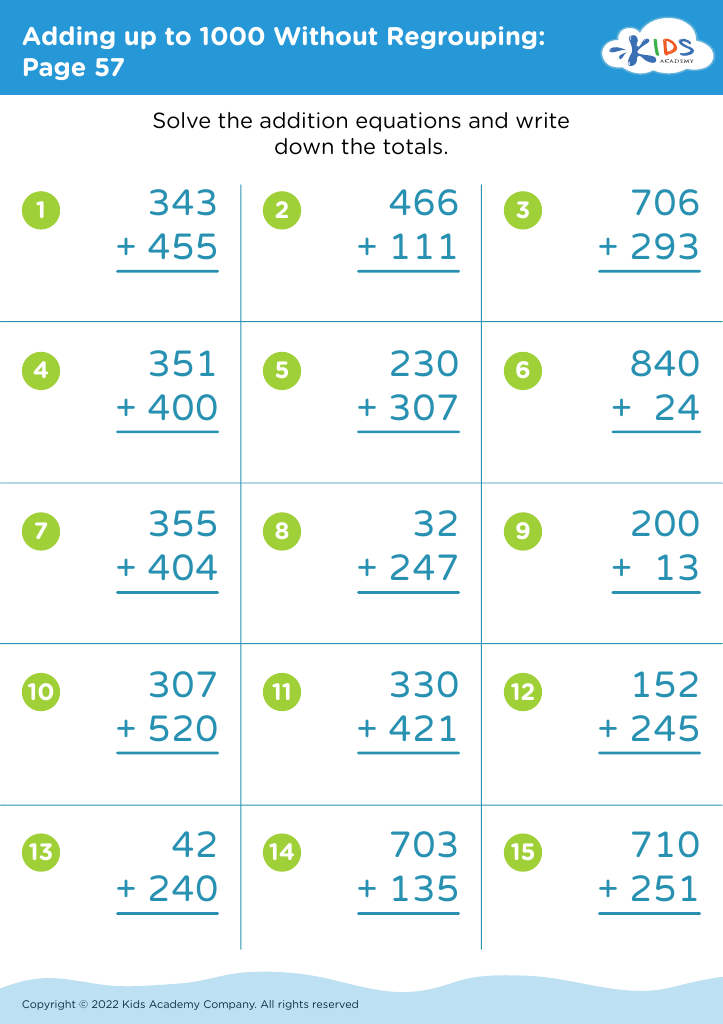
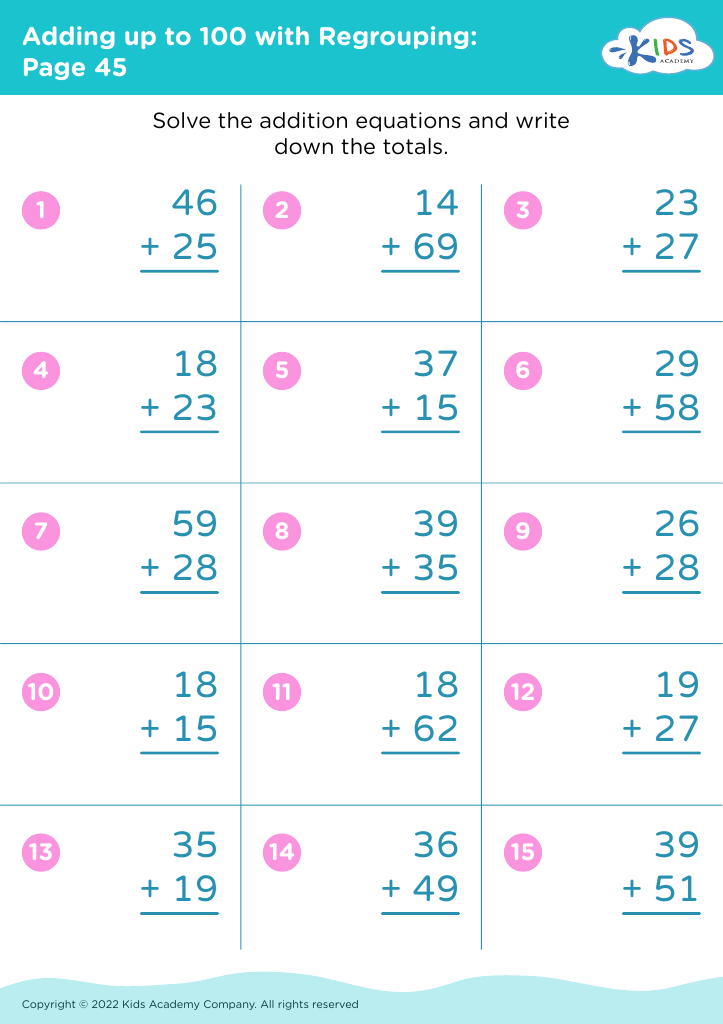
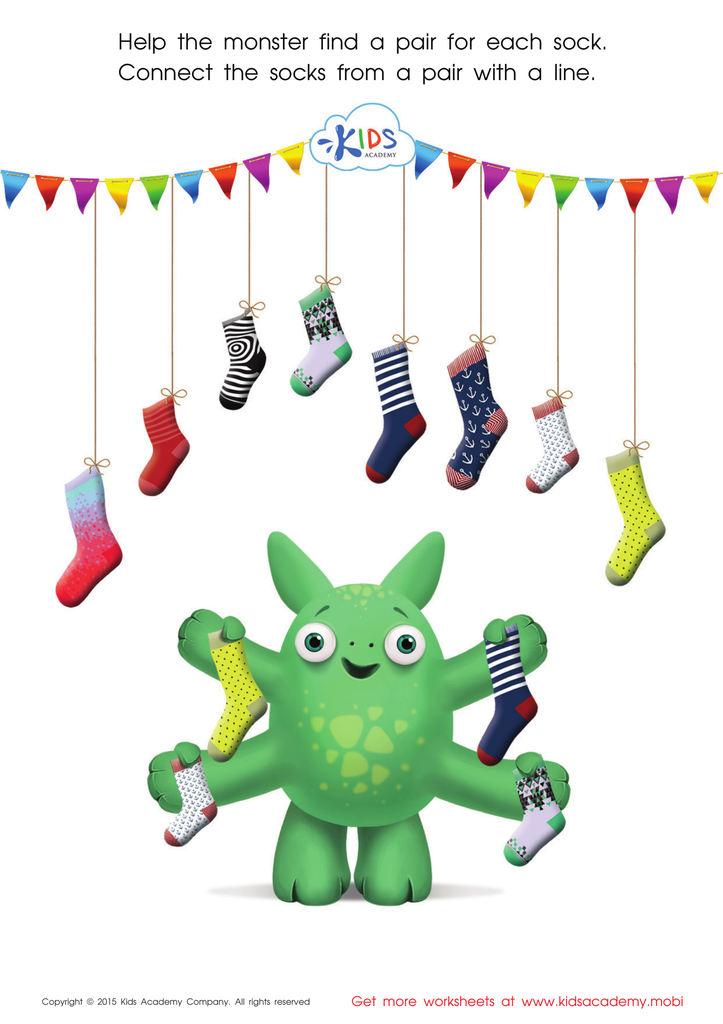
Math Matching Pairs Game: Monsterв's Socks Worksheet
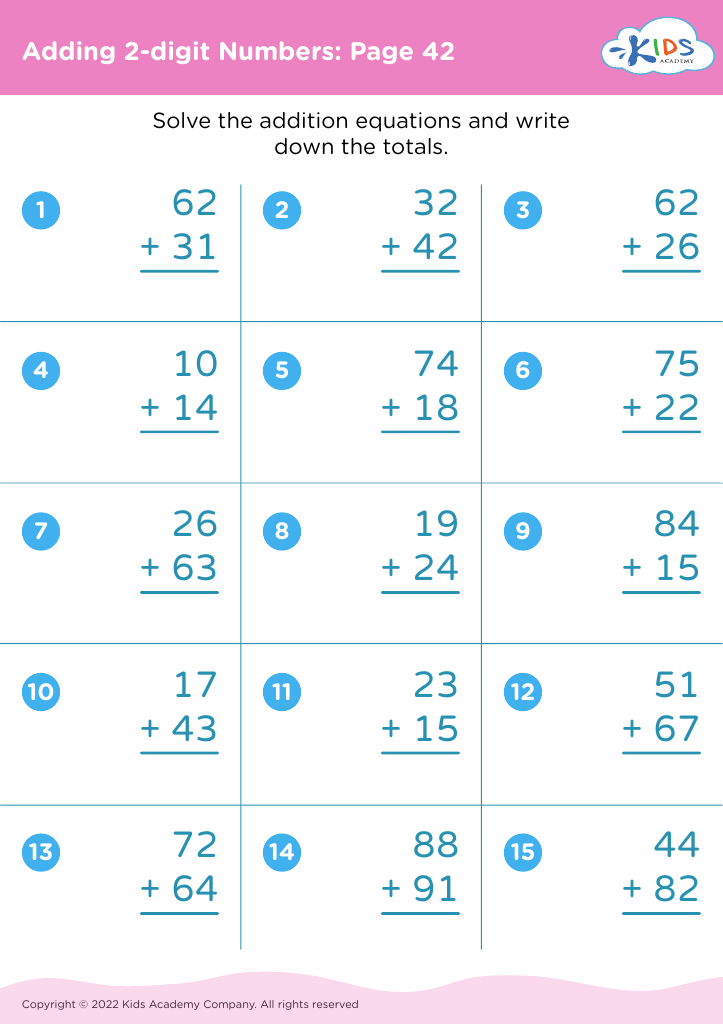








Shape recognition, addition, and subtraction are fundamental skills for children aged 4-7, and understanding their importance can be crucial for both parents and teachers. Firstly, shape recognition is foundational in developing spatial awareness and cognitive skills. Young children who can identify and differentiate between shapes are better prepared for geometry in later academic years. It also sets the stage for pattern recognition, an essential skill in both mathematics and the sciences.
Addition and subtraction are the building blocks of arithmetic. Early proficiency in these basic operations is critical as they form the groundwork for more complex mathematical concepts. Engaging young learners with visually and physically interactive methods, such as using shapes, can make learning these concepts more intuitive and enjoyable.
Incorporating shape recognition with addition and subtraction activities fosters a multi-sensory approach to learning. This intertwined methodology aids in creating a richer understanding and retention of the material. For instance, using differently shaped objects for counting and arithmetic operations not only helps children grasp the abstract concepts of numbers but also enhances their fine motor skills and hand-eye coordination.
In conclusion, these intertwined skills prepare children for future academic success, promote critical thinking, and provide a more holistic educational foundation. Parents and teachers must thus prioritize incorporating these activities into beneficial learning experiences.








