Understand subtraction Addition & Subtraction Worksheets for Ages 4-7
6 filtered results
-
From - To
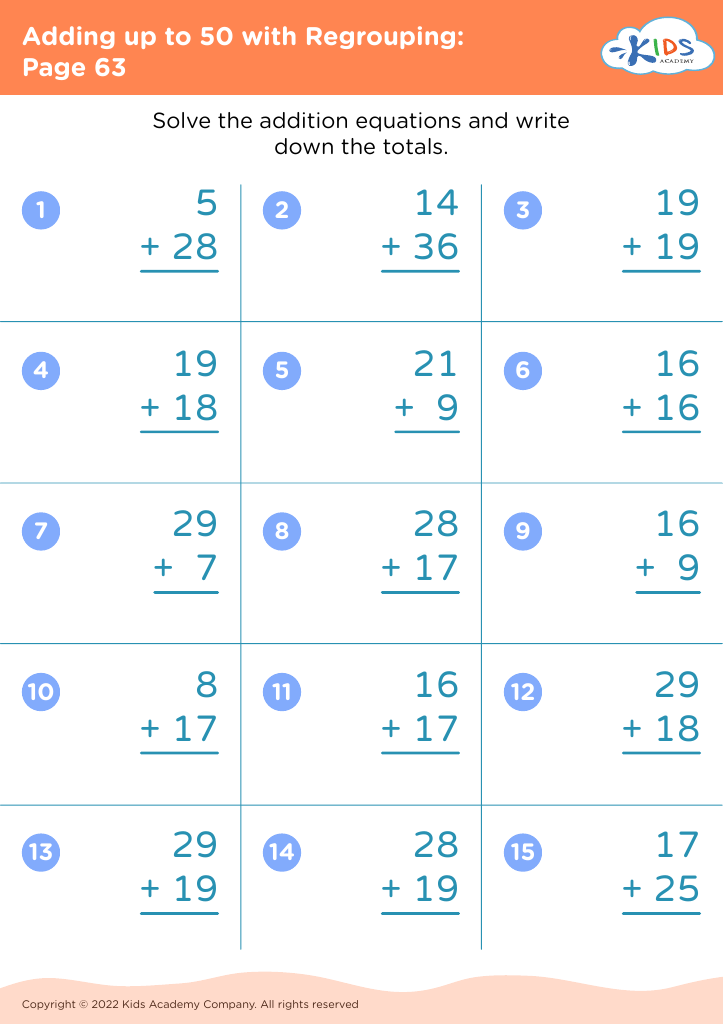
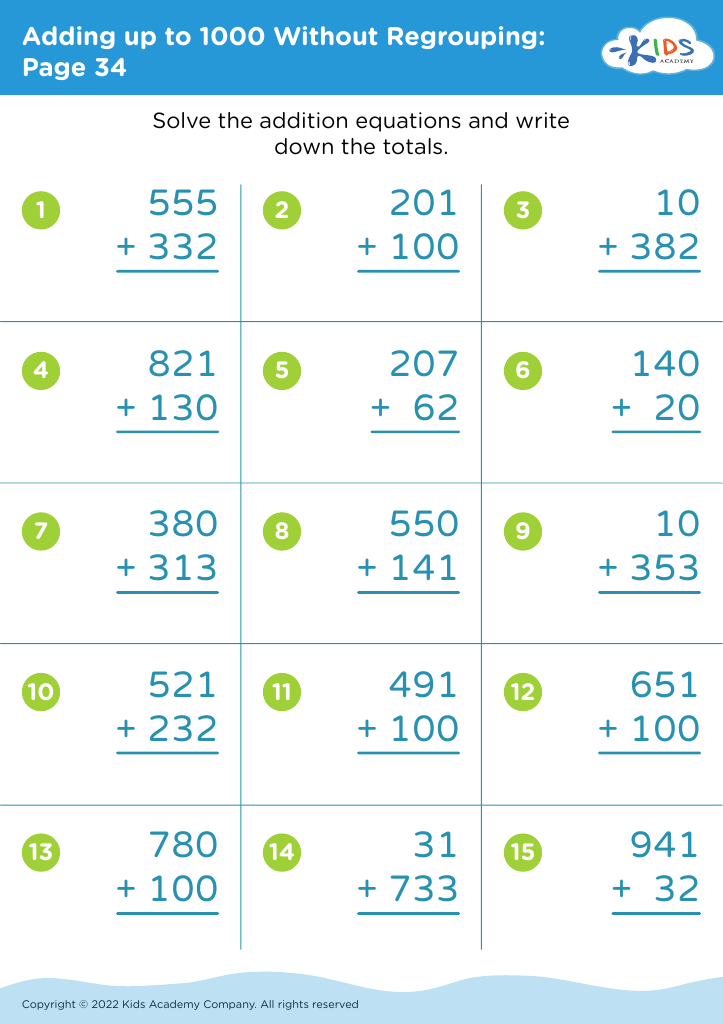
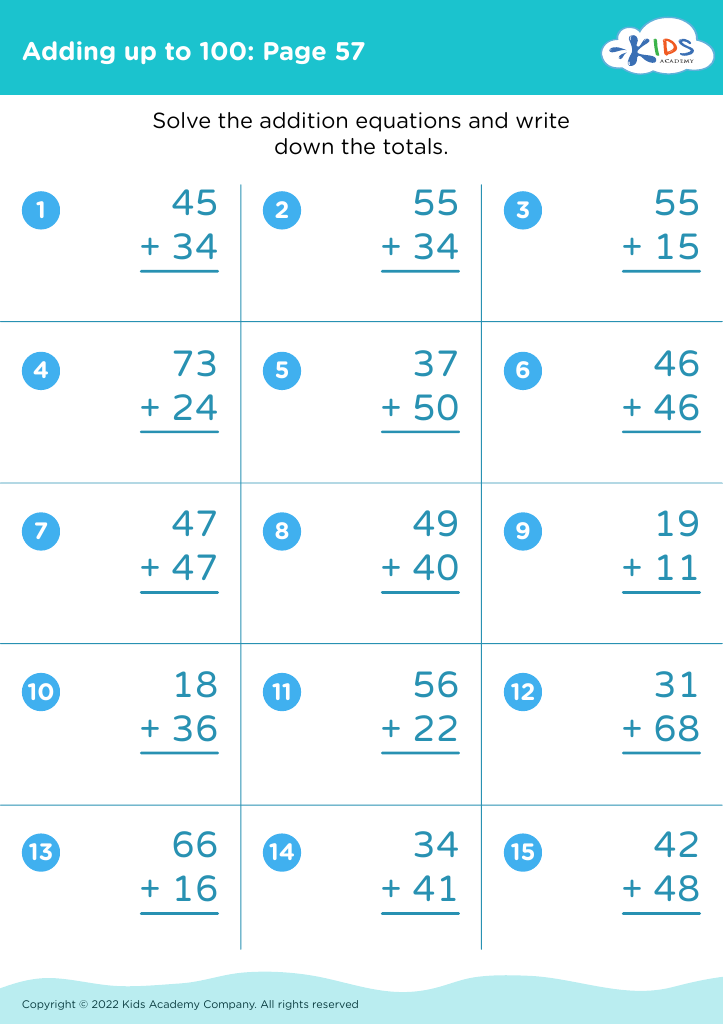
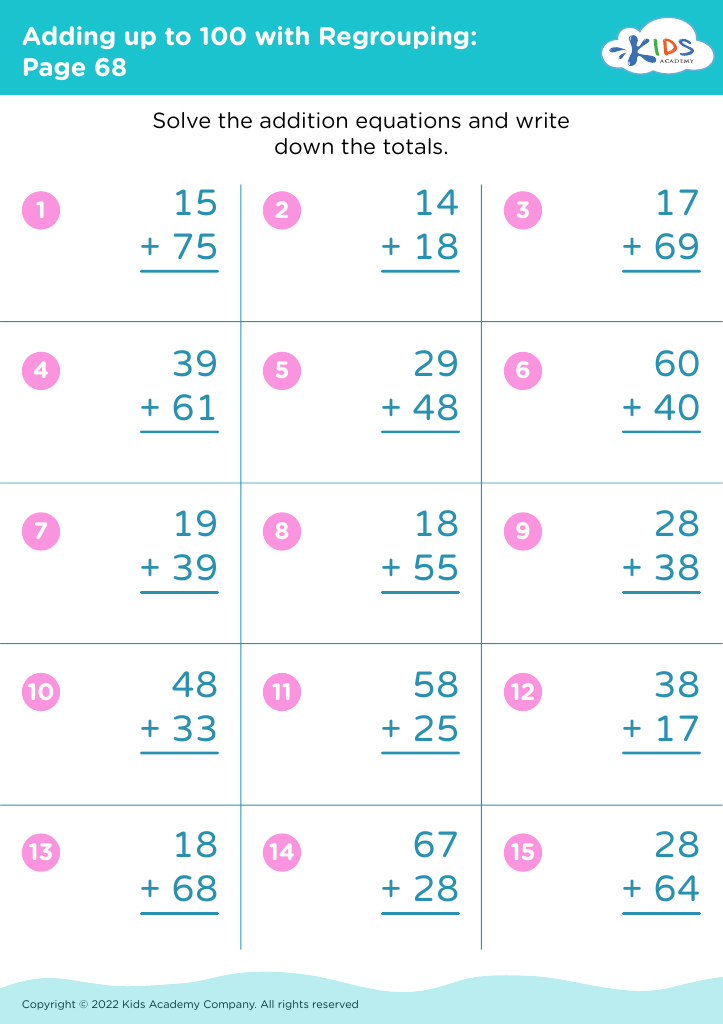
Welcome to our “Understand Addition & Subtraction Worksheets” for ages 4-7! These engaging worksheets are designed to help young learners grasp essential math concepts with ease. Focusing on subtraction, our resources encourage children to explore relationships between numbers through visual aids and interactive exercises. Activities will promote problem-solving skills and make learning fun! Each worksheet is tailored to meet developmental milestones, ensuring that students gain confidence and mastery in subtraction and addition. Perfect for classroom use or at-home practice, our materials support various learning styles and cater to early learners, setting a solid foundation for their mathematical journey.
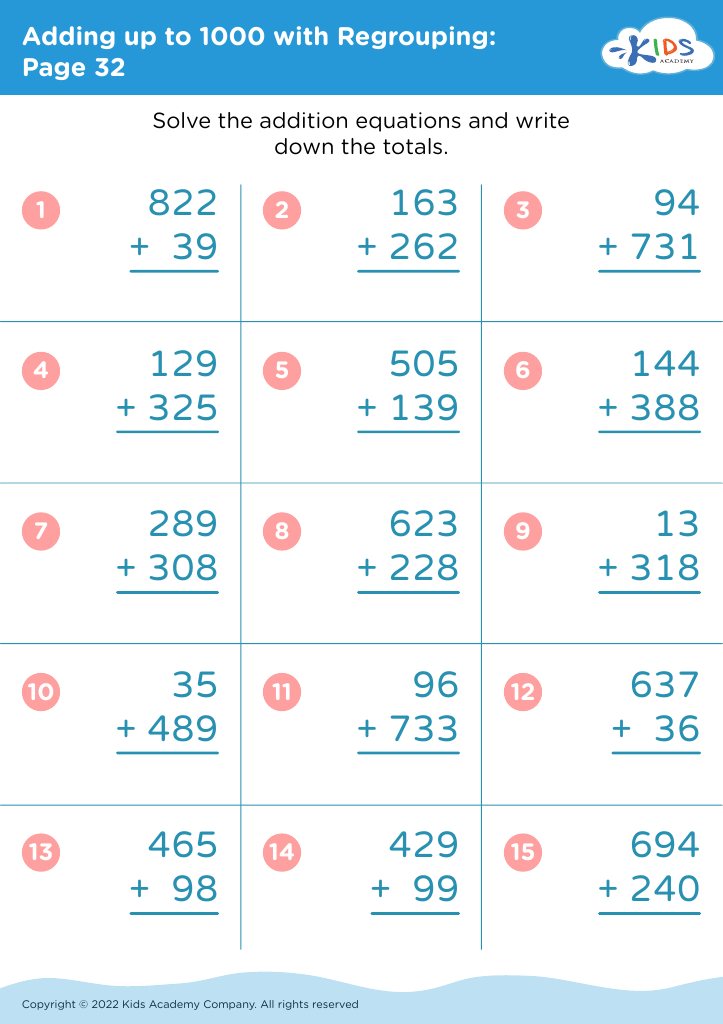
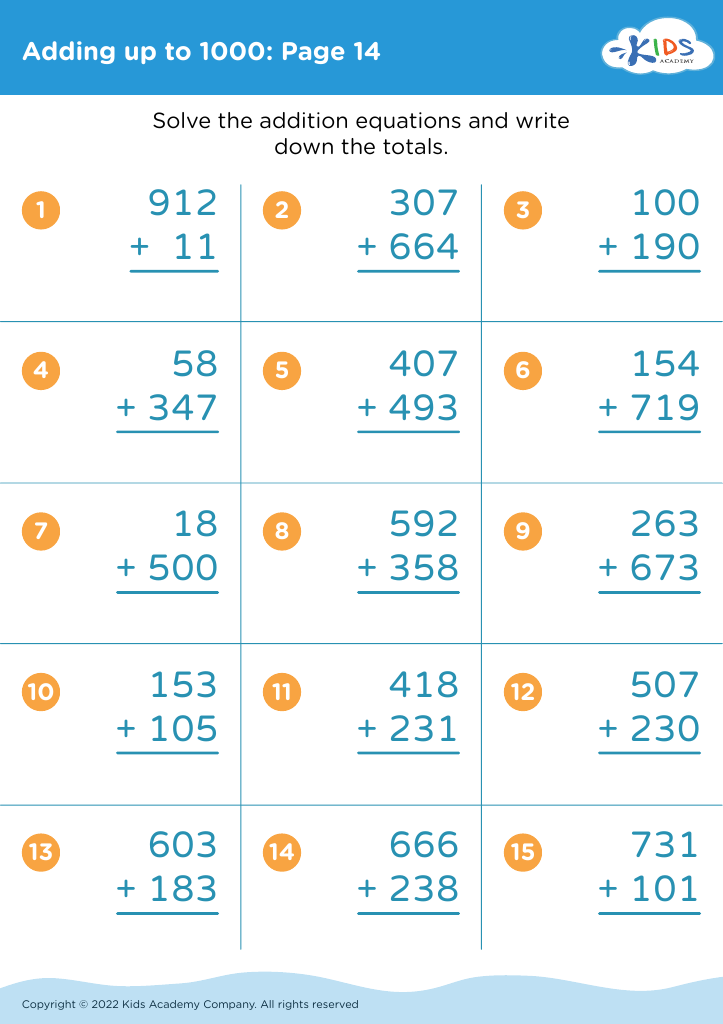








Understanding addition and subtraction is crucial for children aged 4-7 as it lays the foundation for all future mathematics learning. At this developmental stage, children are naturally curious and eager to engage with numbers, making it an ideal time for them to grasp these fundamental concepts.
First, mastering addition and subtraction helps children develop critical thinking and problem-solving skills. These essential abilities extend beyond math, influencing how they tackle various challenges in everyday life.
Second, numeracy fosters confidence. When children understand basic operations, they feel more competent and willing to tackle more complex mathematical tasks in the future. This confidence can translate into a positive attitude toward learning overall.
Moreover, addition and subtraction skills are practical and applicable. Children use these concepts for everyday activities, such as sharing snacks or counting toys. Encouraging mastery of these skills can make learning enjoyable and relevant.
Finally, a solid grasp of addition and subtraction is crucial for standardized assessments and future academic success. It sets the stage for more advanced math topics, ensuring that children can progress confidently through their educational journeys. In summary, parents and teachers should prioritize these skills to foster a child's holistic development and love for learning.








