Fraction identification Addition Worksheets for Ages 4-7
5 filtered results
-
From - To
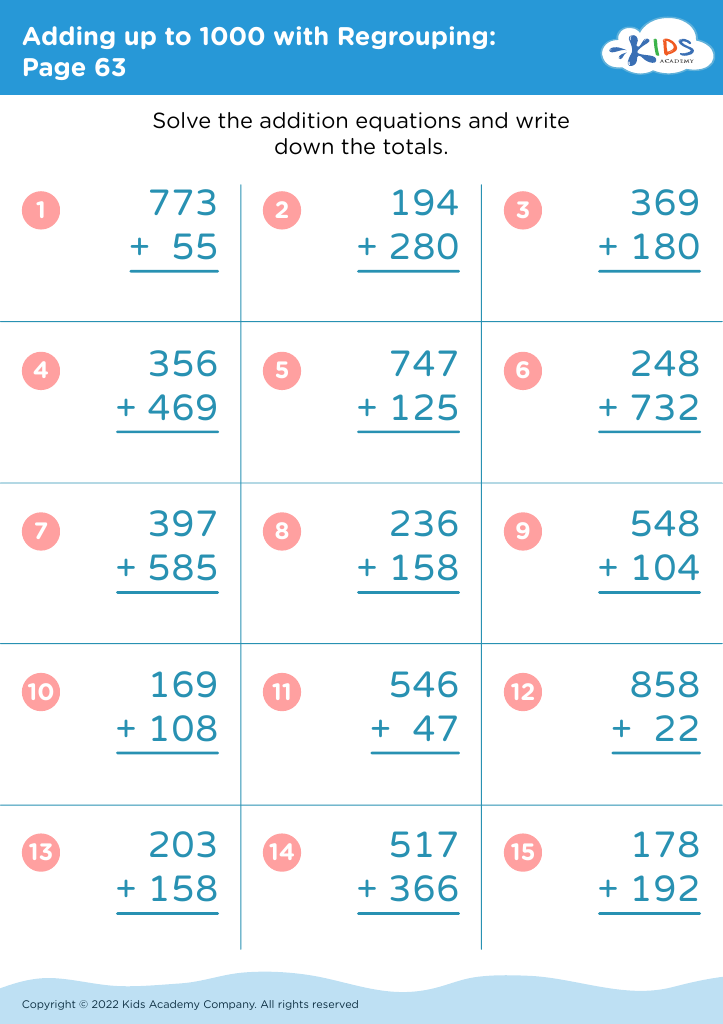
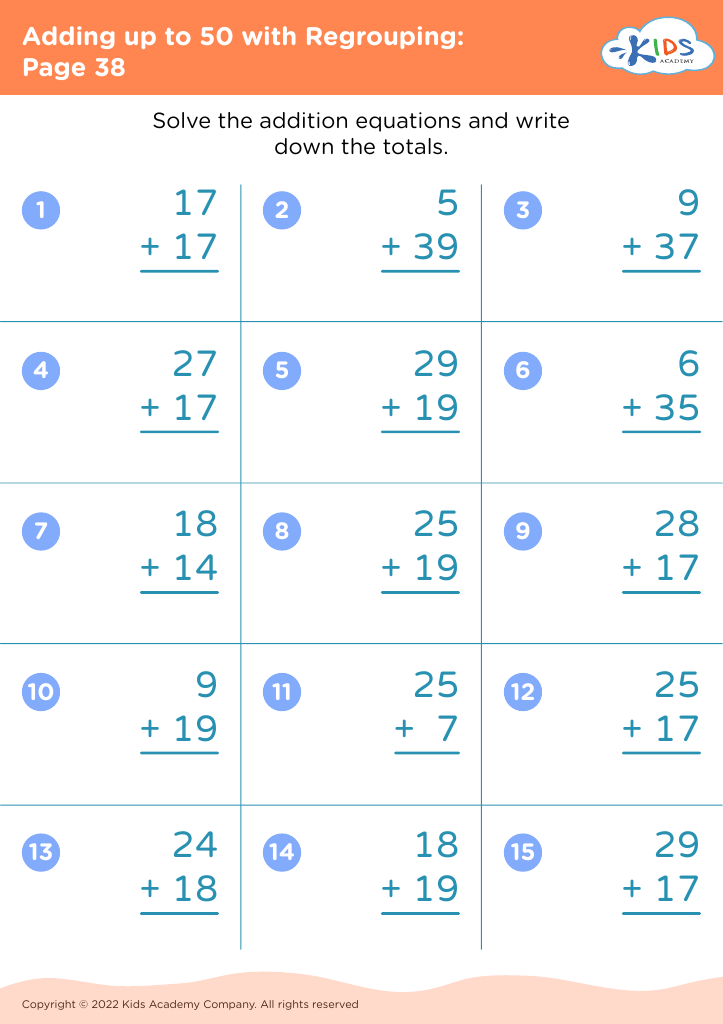
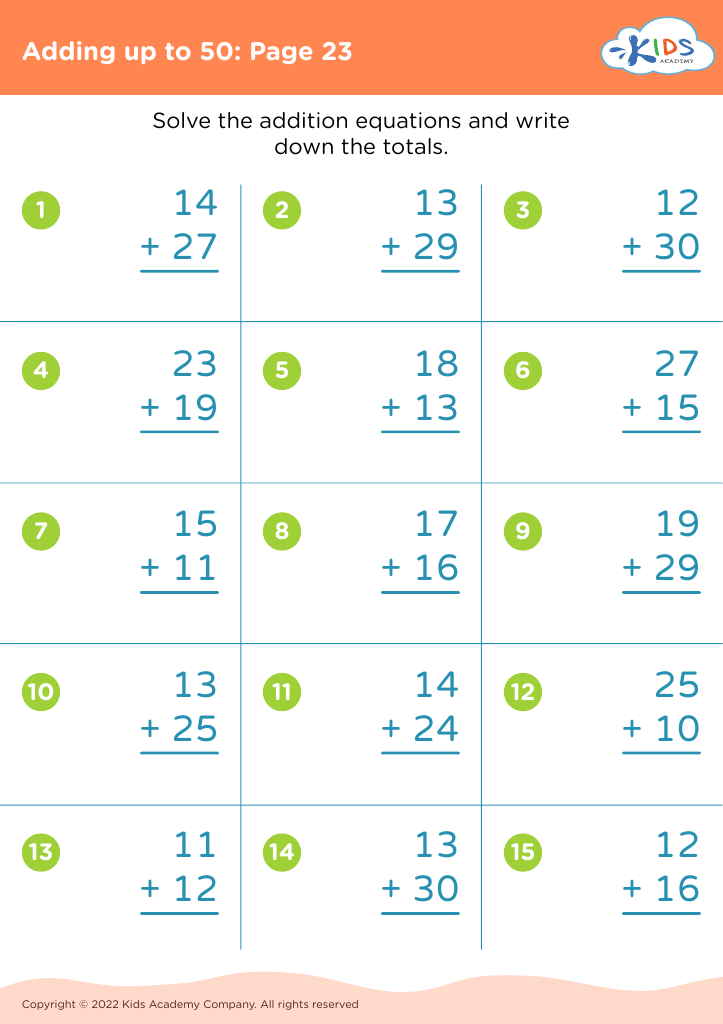
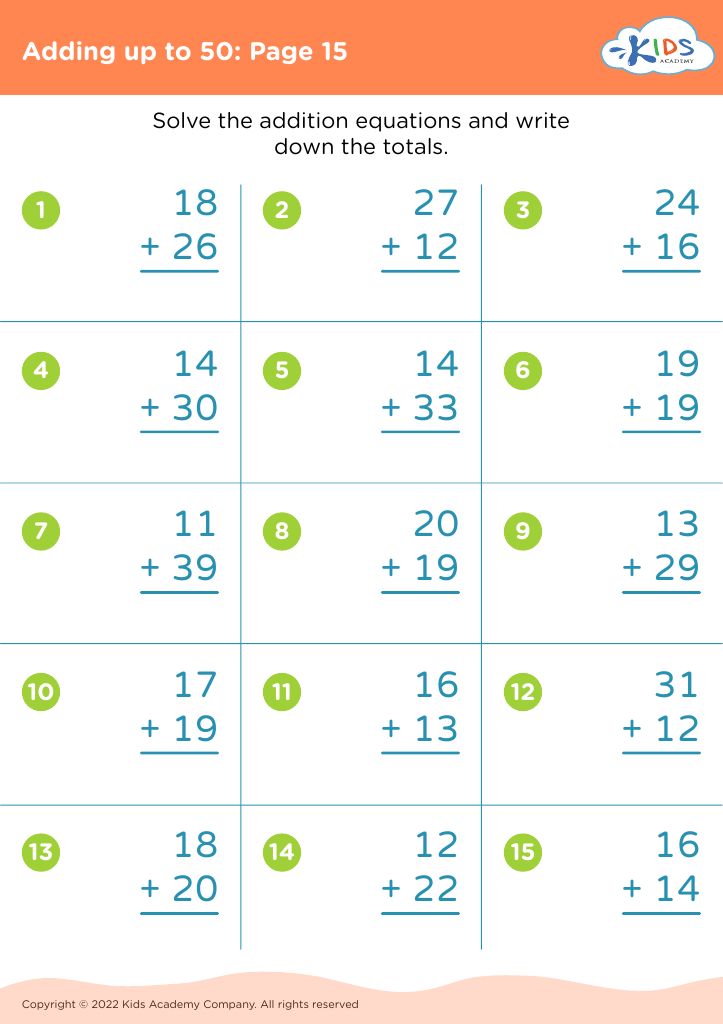
Enhance your child's understanding of fractions with our engaging Fraction Identification Addition Worksheets, designed specifically for ages 4-7! These printable resources offer a fun and interactive way for young learners to familiarize themselves with basic fraction concepts while reinforcing addition skills. Each worksheet features colorful illustrations and age-appropriate exercises that encourage children to identify and work with fractions in a playful manner. Not only do these worksheets support early math development, but they also boost confidence and critical thinking. Download now to provide your little ones with a solid math foundation and set them on the path to mathematical mastery!
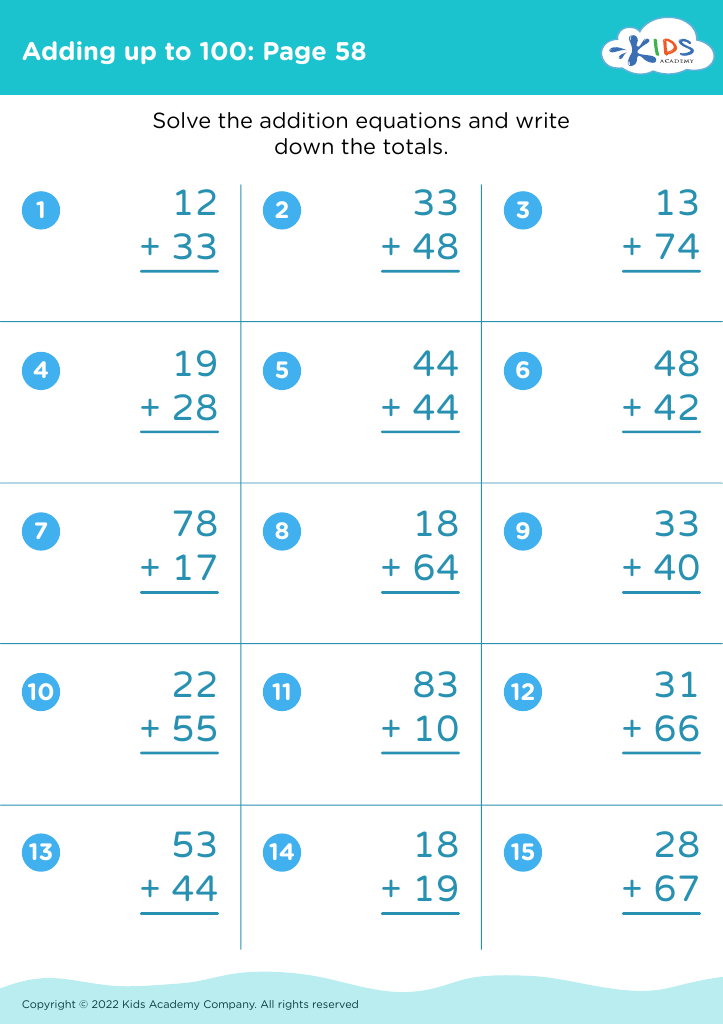








Fraction identification and addition are essential foundational skills for children aged 4-7, laying the groundwork for more complex mathematical concepts later on. Understanding fractions helps young learners grasp the idea of parts of a whole, which is crucial in developing number sense and problem-solving abilities. By introducing fractions at this early age, parents and teachers help children recognize that numbers can represent more than just whole quantities.
Engaging with fractions encourages critical thinking. Children learn to group objects, share equally, and understand relationships between numbers, fostering collaboration and communication skills during activities such as sharing snacks or measuring ingredients. Additionally, these concepts enhance spatial awareness and enhance everyday skills, which are necessary not just in math but in various real-world situations.
Moreover, early exposure to fractions builds confidence in young learners. As they successfully perform fraction identification and addition, they develop a positive relationship with mathematics, reducing anxiety around the subject in later years. By investing time and resources into these skills, parents and teachers ensure that children are better equipped for more advanced math operations, ultimately setting them up for future academic success and a lifelong appreciation of learning.








