Counting skills Comparing Numbers Worksheets for Ages 4-7
5 filtered results
-
From - To
Enhance your child's counting skills with our engaging Comparing Numbers Worksheets designed for ages 4-7. These interactive activities help young learners master the concept of number comparison, aiding in their mathematical development. With a variety of exercises that promote critical thinking, children will enjoy sorting, comparing, and identifying larger or smaller numbers in a fun and educational way. Our worksheets cater to different learning styles so every child can thrive. These resources not only support early math foundations but also build confidence as they tackle challenges. Explore our collection today and watch your child's counting skills flourish!
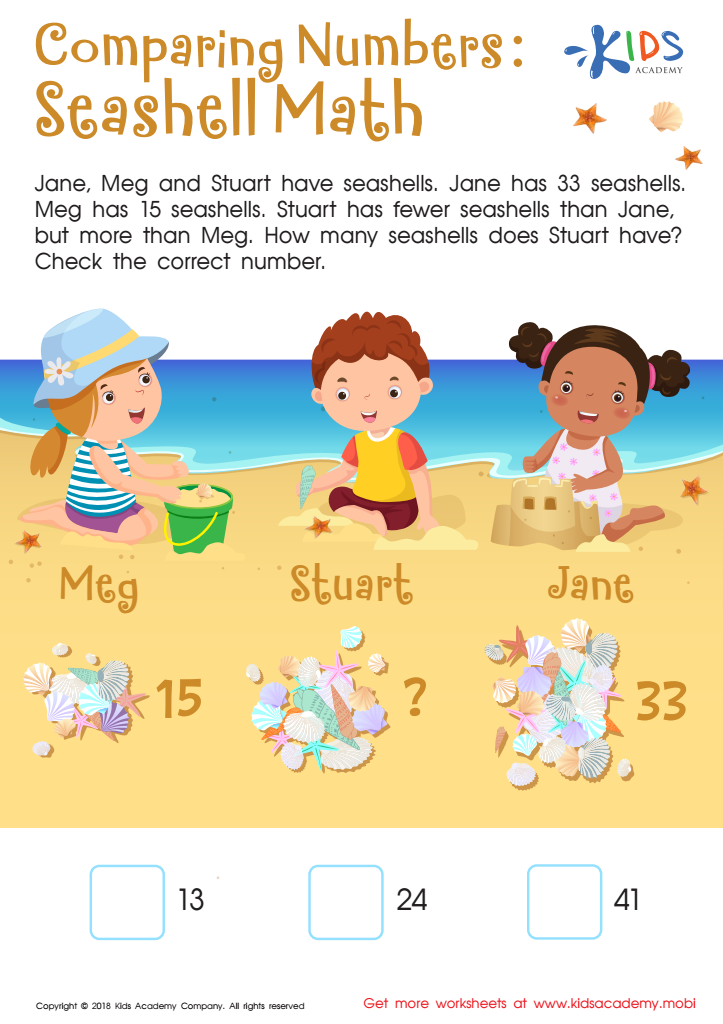
Seashell Collectors Worksheet
 Assign to My Students
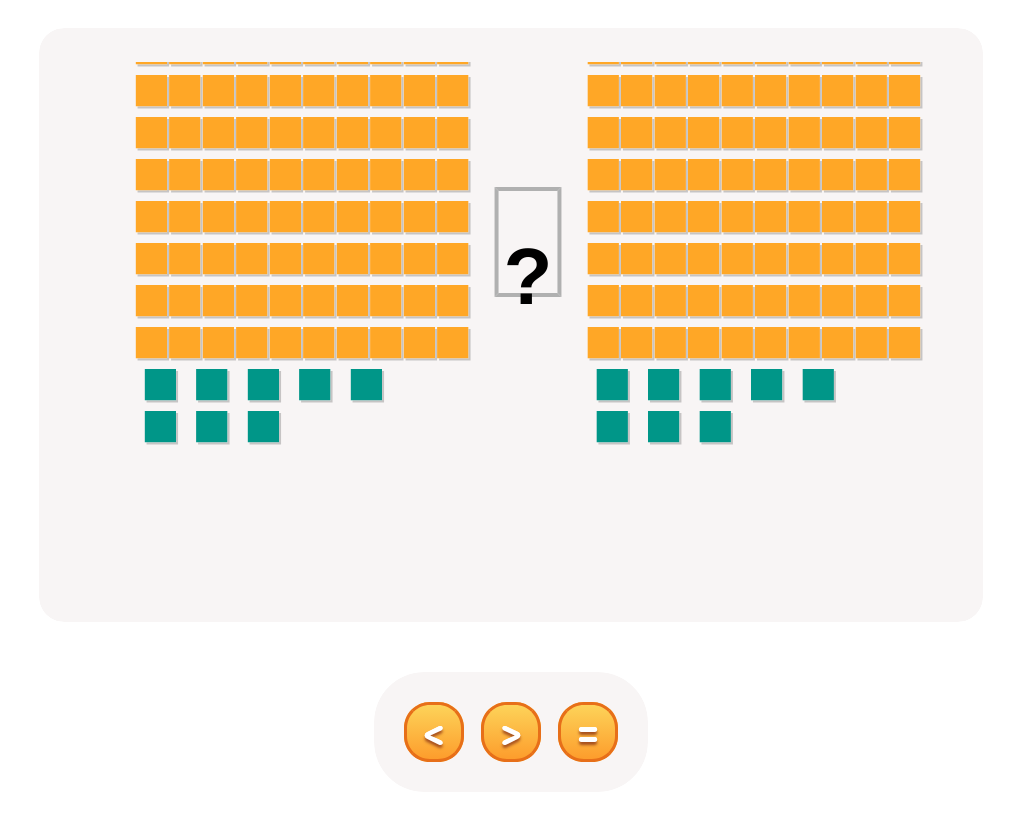

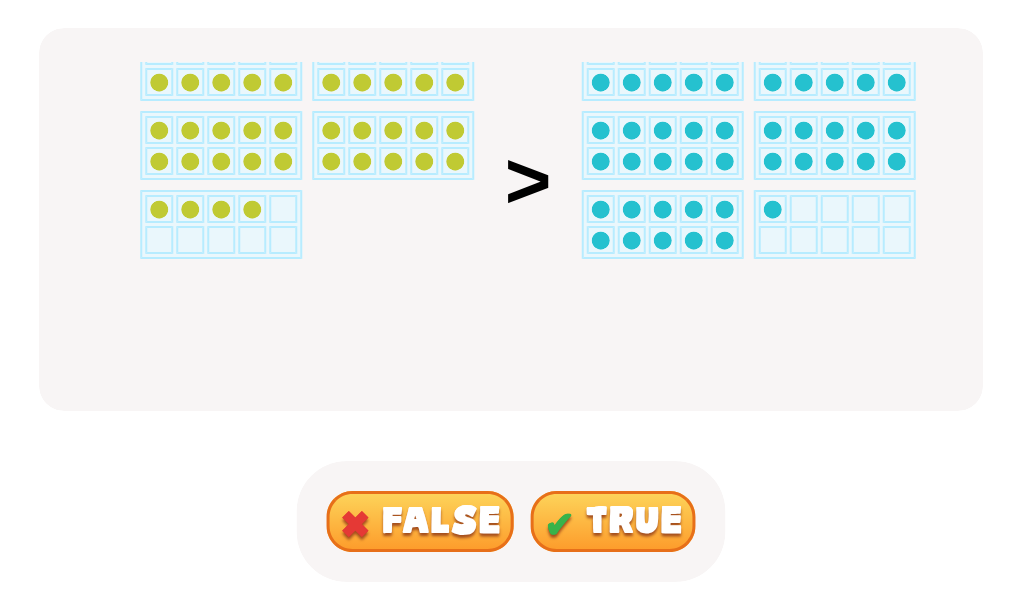
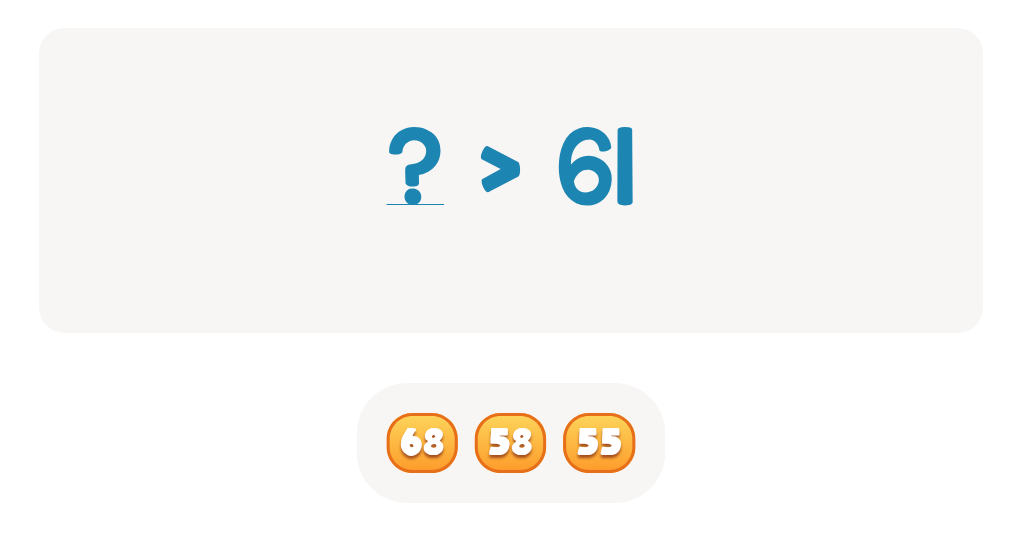
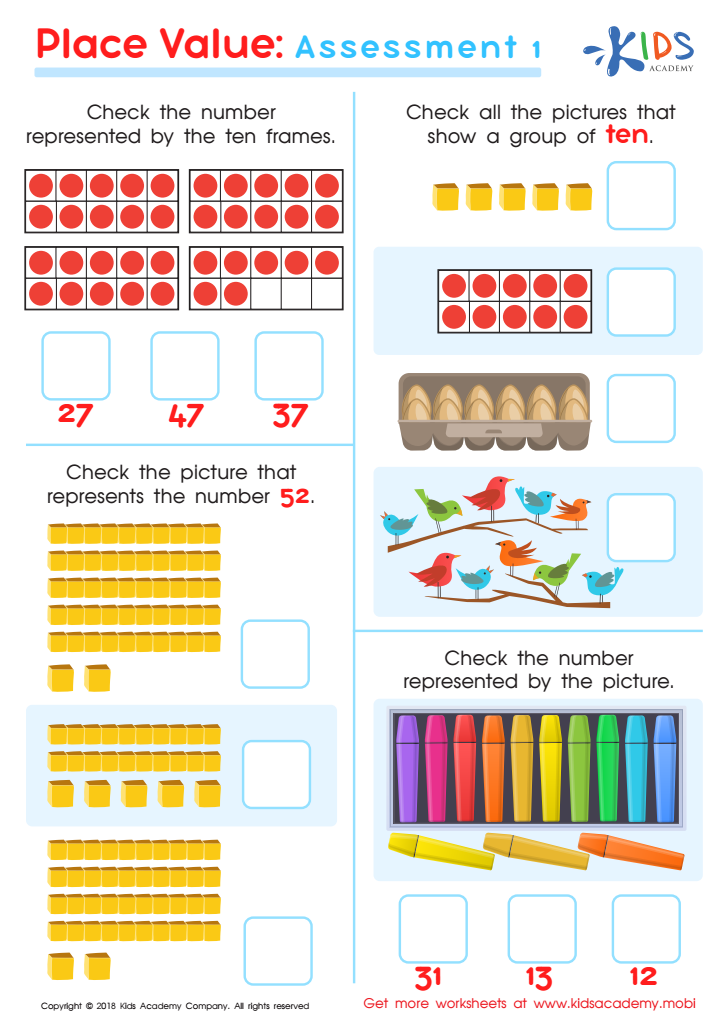
Place Value: Assessment 1 Worksheet
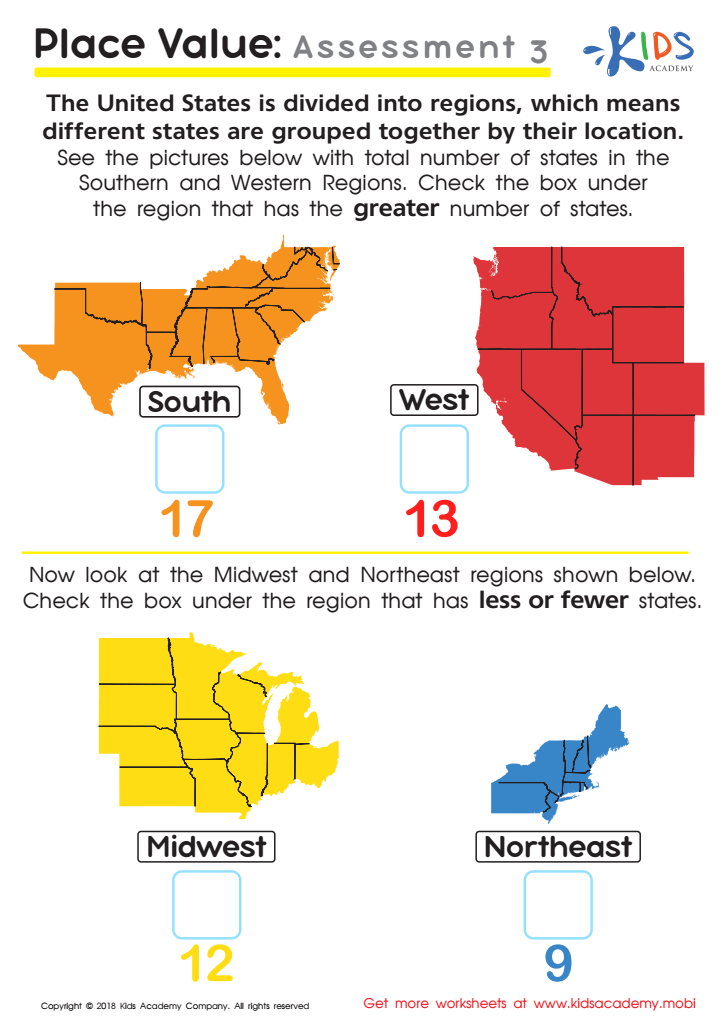
Place Value: Assessment 3 Worksheet
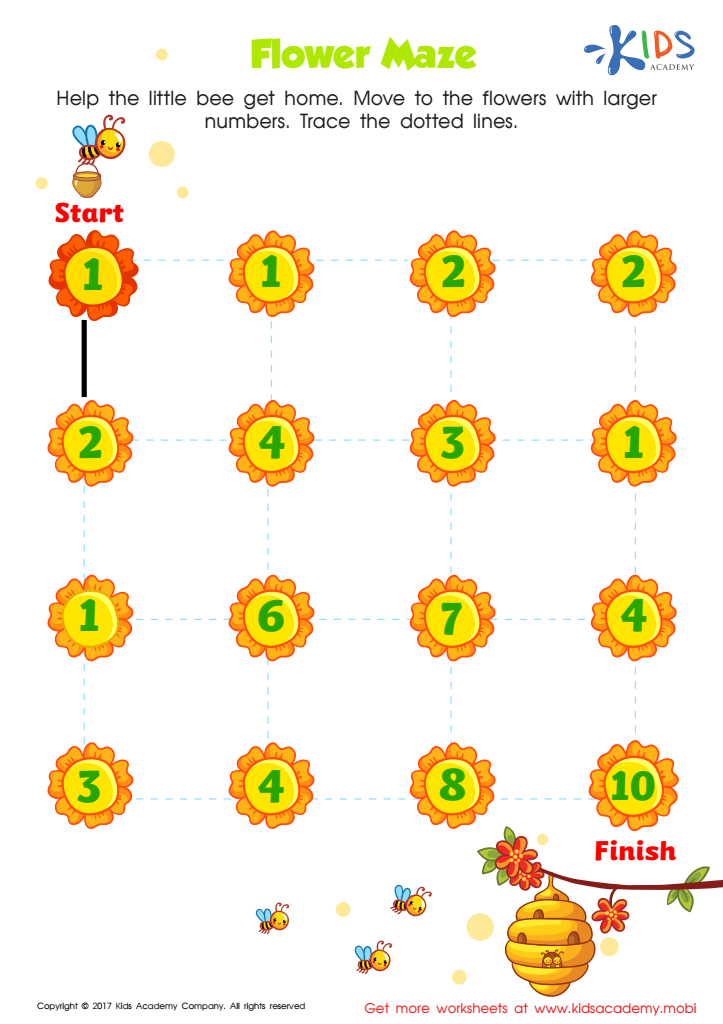
Number Maze For Kindergarten Printable
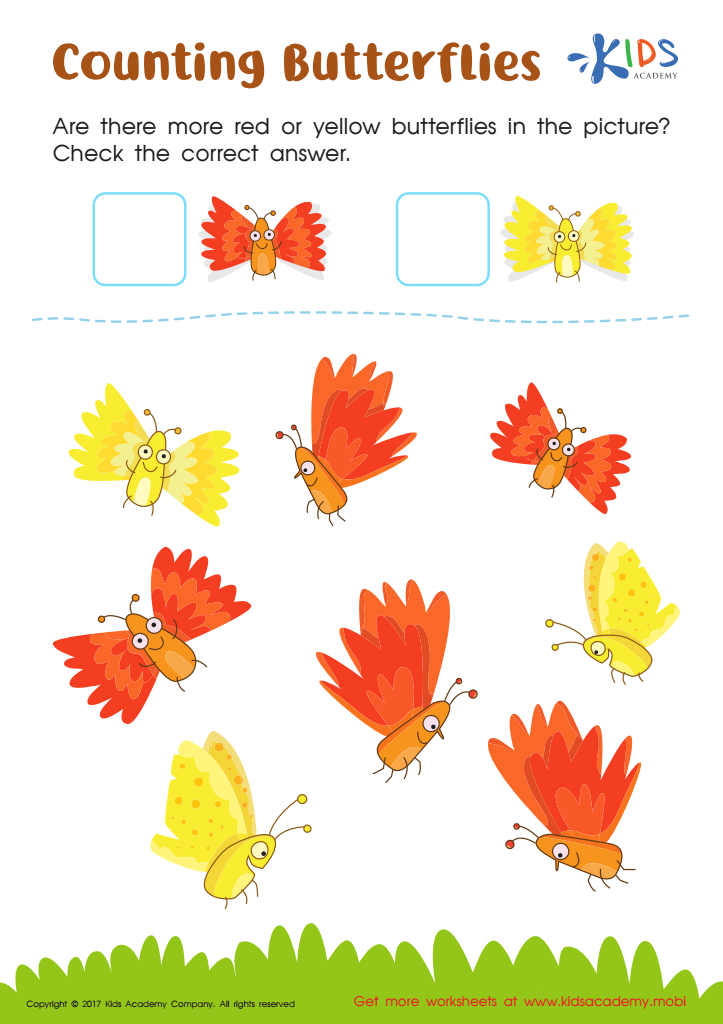
Counting Butterflies Worksheet








Counting skills and the ability to compare numbers are fundamental building blocks in early childhood mathematics, particularly for ages 4-7. They serve as the groundwork for more complex mathematical concepts. When children learn to count, they develop a sense of number—a crucial foundational skill essential for everyday problem-solving.
Parents and teachers should care about these skills because they directly influence a child’s confidence and competence in math. Mastering counting helps kids recognize patterns and sequences, facilitating their understanding of operations such as addition and subtraction. Comparing numbers allows them to grasp concepts of "more than," "less than," and "equal," critical for developing analytical thinking.
Moreover, early numeric literacy fosters a positive attitude towards math, setting the stage for future learning. Children who struggle with these foundational skills may experience difficulties in later academic stages, leading to math anxiety or a lack of interest in the subject. Engaging children in counting games and interactive activities can make learning enjoyable, enhancing their cognitive and social skills.
Ultimately, investing in counting and comparison skills helps nurture well-rounded learners and prepares them for success in mathematics and beyond, making it a priority for both parents and teachers.








