Following directions Math Worksheets for Ages 4-7
3 filtered results
-
From - To
Discover engaging "Following Directions" Math Worksheets designed for children aged 4-7. Our thoughtfully crafted printables help young learners develop essential skills by guiding them through simple tasks that enhance their understanding of math concepts. These worksheets encourage kids to listen carefully, follow instructions, and practice critical thinking, building their confidence along the way. Featuring colorful illustrations and age-appropriate activities, your child will enjoy learning while improving their ability to follow directions. Perfect for at-home practice or classroom use, these worksheets lay the groundwork for future academic success. Explore our collection today and make learning math a fun adventure!
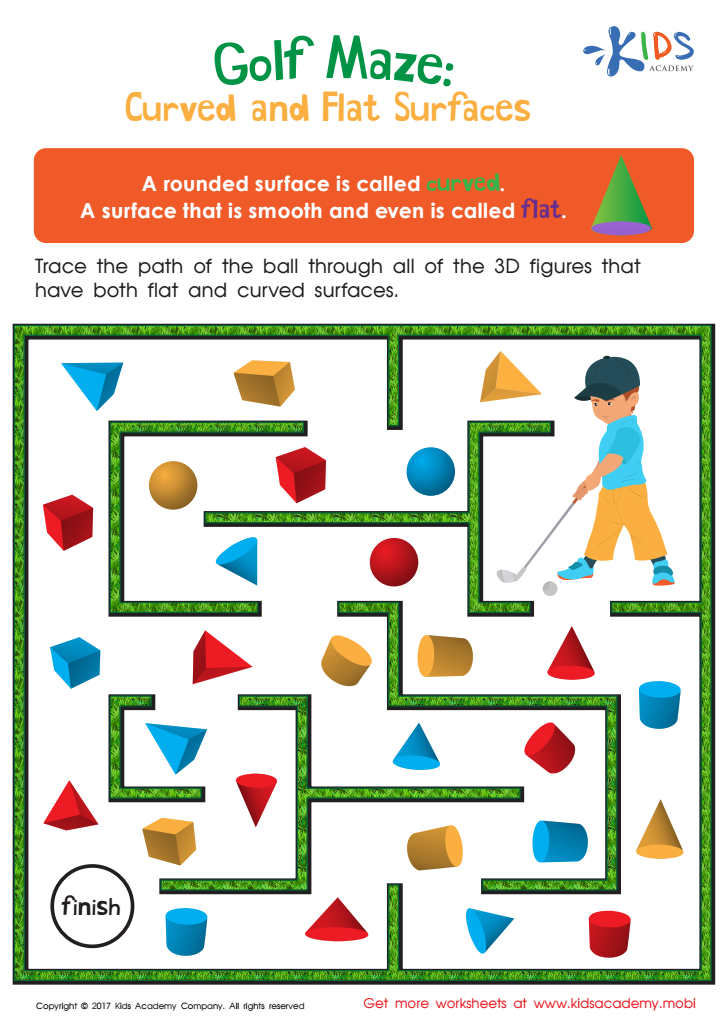
Golf Maze: Curved and Flat Surfaces Worksheet
 Assign to My Students
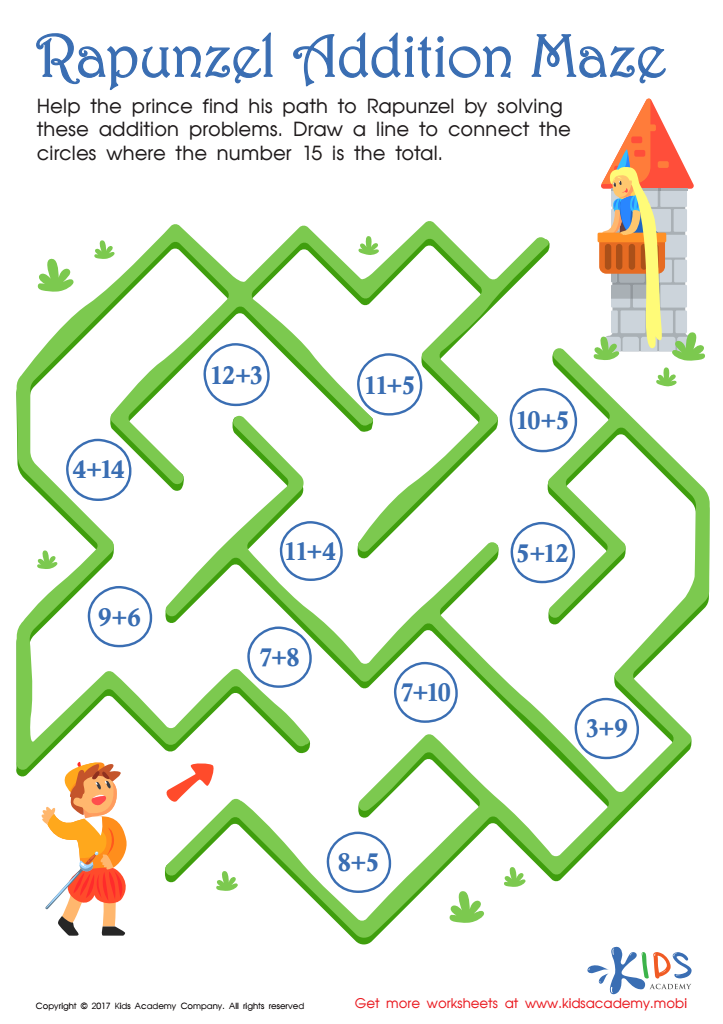
Rapunzel Addition Maze Worksheet
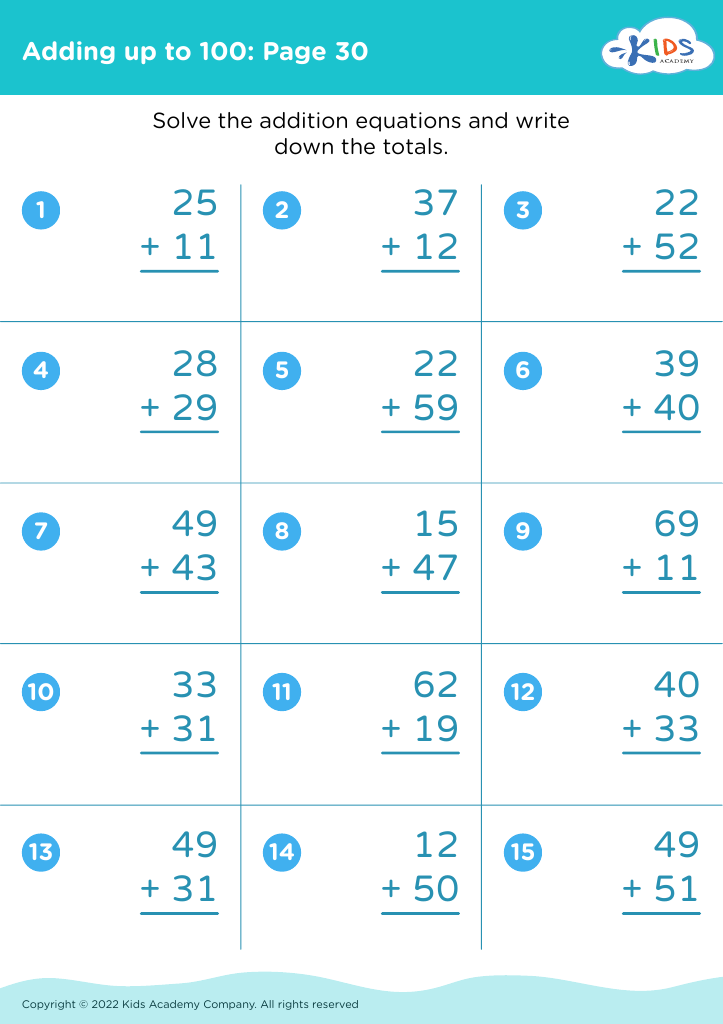








Following directions in math for children ages 4-7 is crucial for several reasons. At this developmental stage, children are honing their ability to listen, comprehend, and execute instructions, which lays the foundation for future learning. When children accurately follow mathematical directions, they not only practice essential skills like counting, addition, and shape recognition but also enhance their cognitive abilities. This includes improving memory, attention span, and problem-solving skills.
Moreover, following directions fosters independence and confidence. Children who successfully complete tasks on their own demonstrate a sense of accomplishment, encouraging positive attitudes towards learning. This builds resilience—a vital life skill.
Teachers and parents play a pivotal role in guiding this process. By emphasizing the importance of understanding and adhering to directions, they help children develop disciplined and strategic thinking. It's important for adults to model clear instructions and provide encouragement, creating a supportive learning environment. Additionally, strong foundational skills in following directions will benefit children as they progress in their education, especially in more complex subjects. Thus, nurturing this skill during early childhood not only supports mathematical development but also cultivates essential life skills and a love for learning.








