Identifying Animals Math Worksheets for Ages 4-7
5 filtered results
-
From - To
Discover our engaging Identifying Animals Math Worksheets, specially designed for children aged 4-7! These interactive resources blend math skills with fun animal themes, making learning enjoyable for young learners. Kids will practice counting, sorting, and recognizing shapes through vibrant illustrations of their favorite animals. Our worksheets support the development of critical thinking and problem-solving skills in an exciting way. Perfect for classroom use or home learning, these worksheets cater to various learning styles and ensure that math becomes a lively adventure. Help your little ones build a strong foundation in mathematics while exploring the animal kingdom! Printable and easy to use!
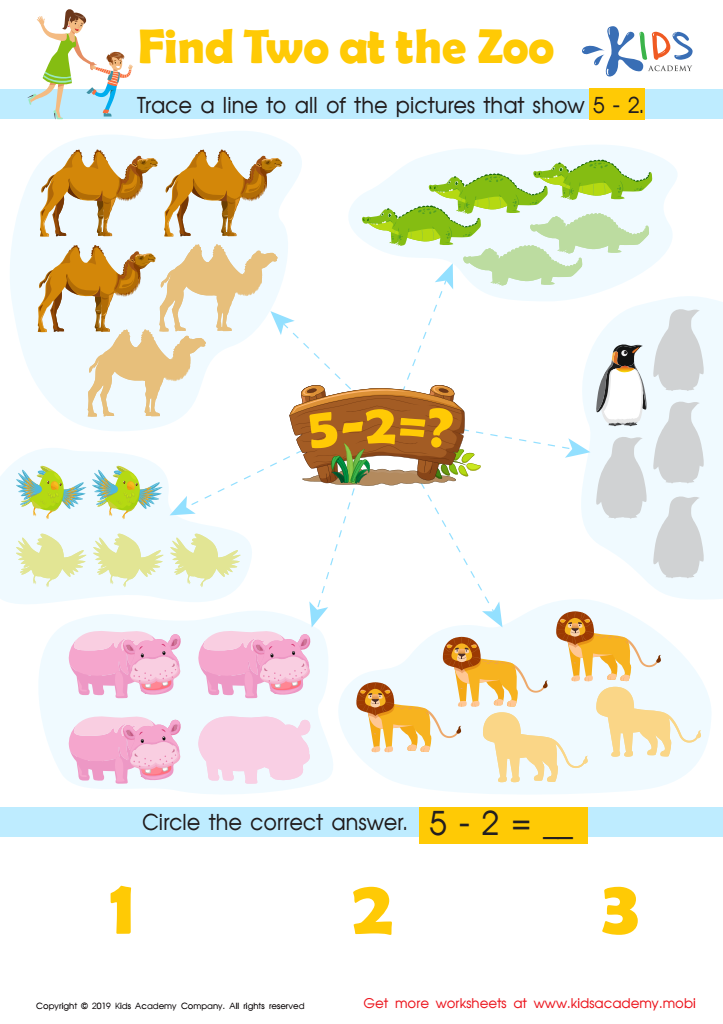
Find Two at the Zoo Worksheet
 Assign to My Students
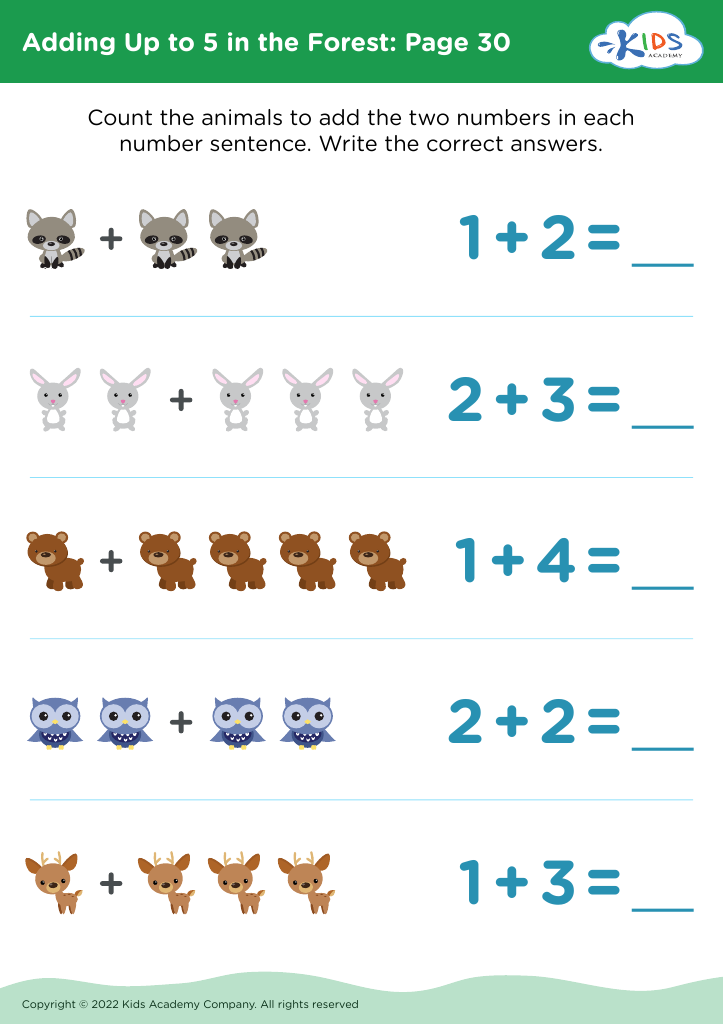






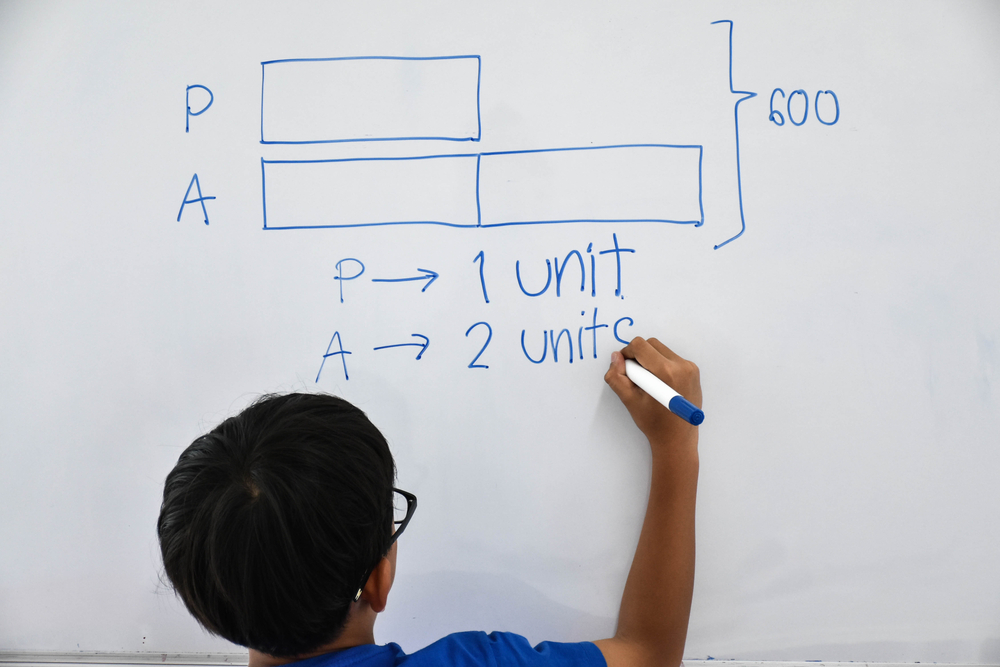
Identifying Animals Math for ages 4-7 is crucial for early childhood development, blending both cognitive skills and a foundational understanding of the natural world. At this age, children are in a crucial learning phase, where engaging in activities that combine math concepts with animal identification fosters critical thinking, enhances problem-solving skills, and builds a deeper understanding of math in a fun, relatable context.
Parents and teachers should care because this approach promotes active learning. By using animals as a central theme, children become intrigued, which boosts motivation and retention. For instance, counting the legs of different animals, sorting them by size and habitat, or measuring them can promote numerical proficiency while exploring biology. Such interdisciplinary learning helps children see the relevance of math in everyday life.
Moreover, this early introduction to math helps nurture a positive attitude toward the subject, laying the groundwork for more complex mathematical concepts later on. Parents and teachers can encourage social skills through collaborative games and discussions about animals, seamlessly integrating math and science education. Ultimately, fostering skills in Identifying Animals Math not only cultivates intellect but also nurtures curiosity and a love for learning, making it essential for holistic development in young learners.








