Improving observation Math Worksheets for Ages 4-7
3 filtered results
-
From - To
Enhance your child’s analytical skills with our "Improving Observation Math Worksheets" designed for ages 4 to 7. These worksheets provide an engaging way for young learners to sharpen their observation abilities through fun, interactive activities. Each worksheet encourages critical thinking and observation techniques, helping children recognize patterns, shapes, and numbers. Ideal for both home and classroom use, our resources foster a love for math while developing essential early skills. Perfect for educators and parents alike, these worksheets support varied learning styles, ensuring that your child gains confidence and mastery in math concepts. Explore our collection to inspire budding mathematicians today!
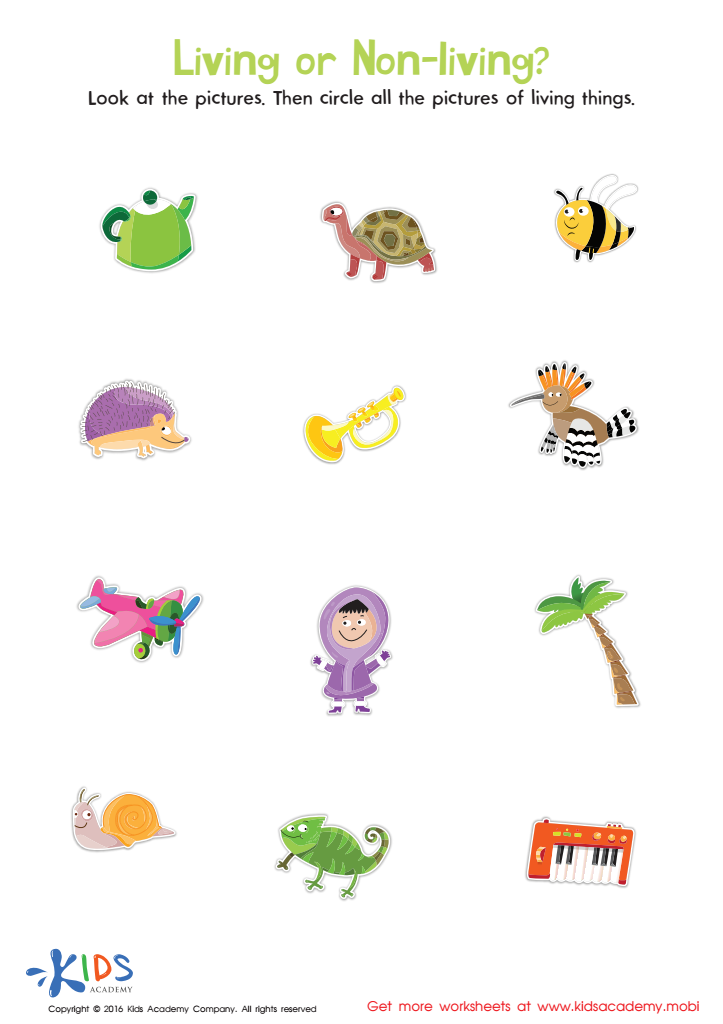
Identifying Living and Non–living Things Sorting Worksheet
 Assign to My Students
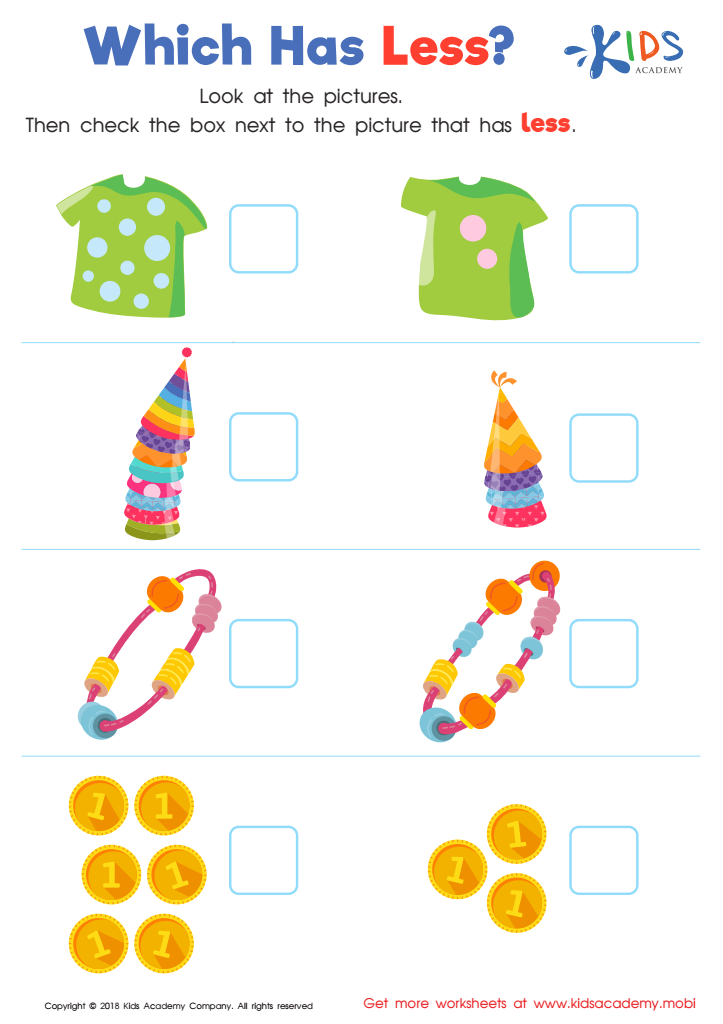
Which Has Less? Worksheet
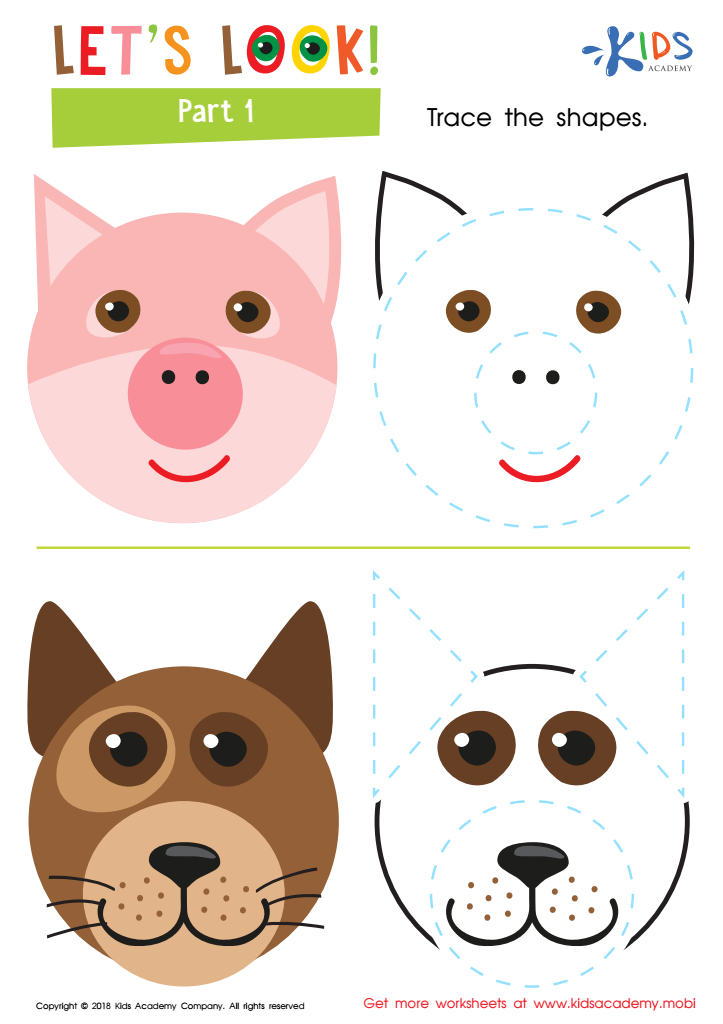
Let's Look! Part 1 Worksheet




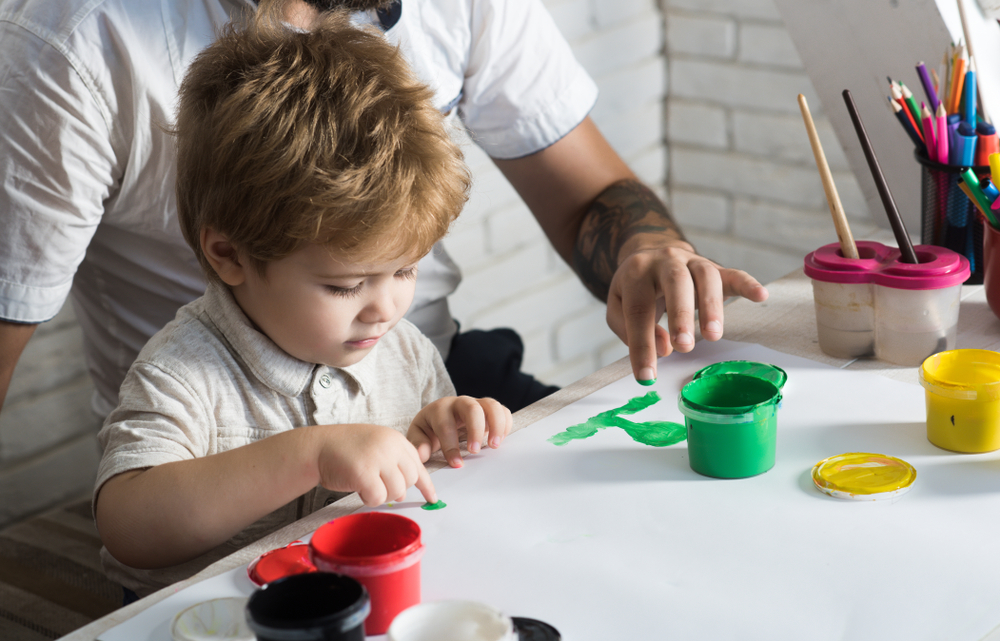
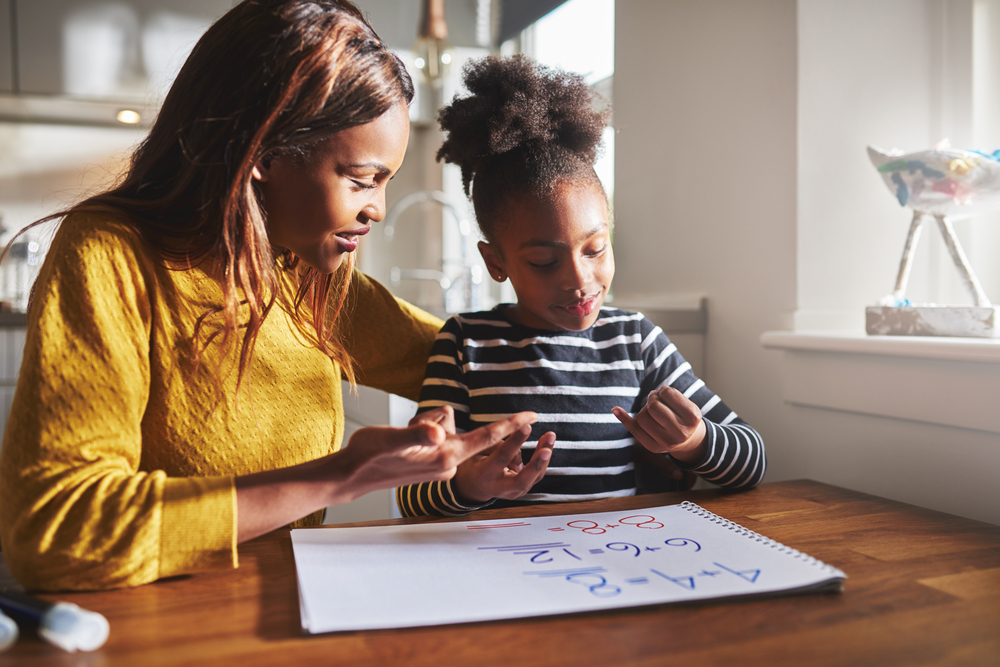

Improving observation math skills for children aged 4-7 is crucial for several reasons. Firstly, early childhood is a pivotal stage for cognitive development, where foundational skills in mathematics begin to form. Observational math encourages children to engage in hands-on experiences, allowing them to recognize patterns, shapes, and relationships in their environment. This approach goes beyond memorizing numbers; it cultivates critical thinking and problem-solving abilities.
Furthermore, strong observational math skills enhance children's ability to understand and apply mathematical concepts later on. By recognizing and interpreting their surroundings, young learners develop spatial awareness and number sense, both essential for future academic success. Engaging in math through observation also promotes curiosity and a love for learning, fostering a positive attitude toward mathematics.
Additionally, parents and teachers play a vital role in guiding children’s exploration of math. By incorporating observation-based activities into daily routines—like counting objects, measuring ingredients for cooking, or identifying shapes in nature—they can create meaningful learning moments. This collaborative approach not only enriches children's math education but also strengthens the connection between home and school. Ultimately, enhancing observation math skills lays the groundwork for lifelong learners and confident problem solvers.








