Improve reading comprehension Reading Non-Fiction Worksheets for Ages 4-7
5 filtered results
-
From - To
Enhance your child's reading comprehension with our engaging Non-Fiction Worksheets designed specifically for ages 4-7. These interactive resources encourage young learners to explore real-world topics through captivating content and supportive activities. Each worksheet combines colorful visuals with age-appropriate text, promoting critical thinking and a deeper understanding of various subjects. Perfect for both classroom and home use, our non-fiction worksheets help children develop essential skills, including vocabulary acquisition and analytical reasoning. Foster a love for reading while empowering your child to connect with the information around them. Start your journey toward advanced reading skills today!
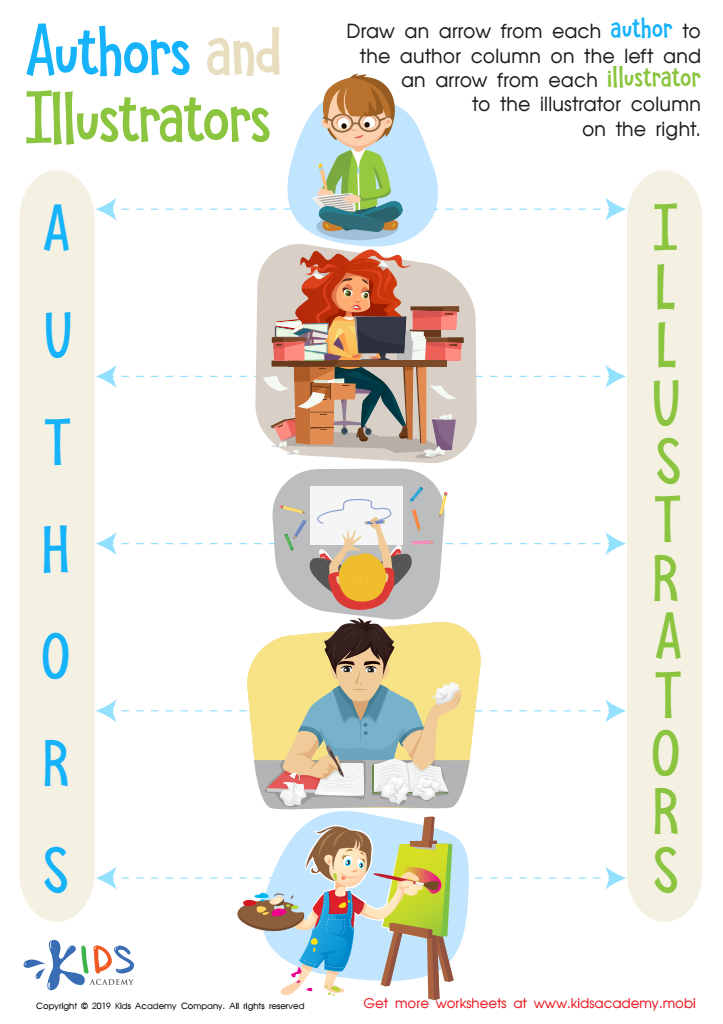
Authors and Illustrators Worksheet
 Assign to My Students
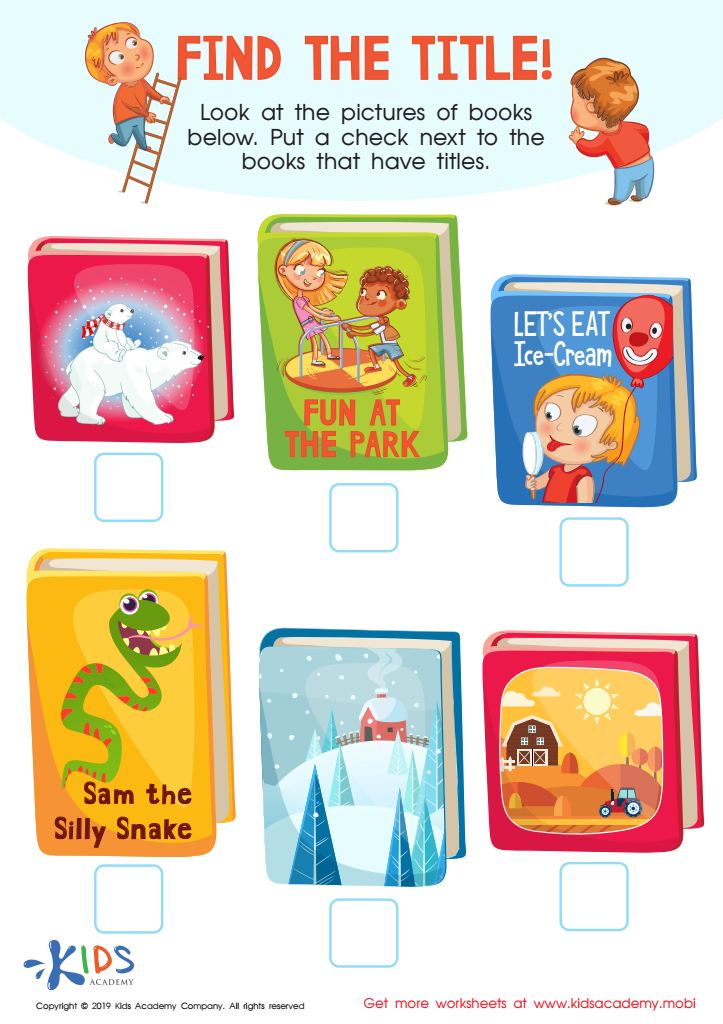
Find the Title Worksheet
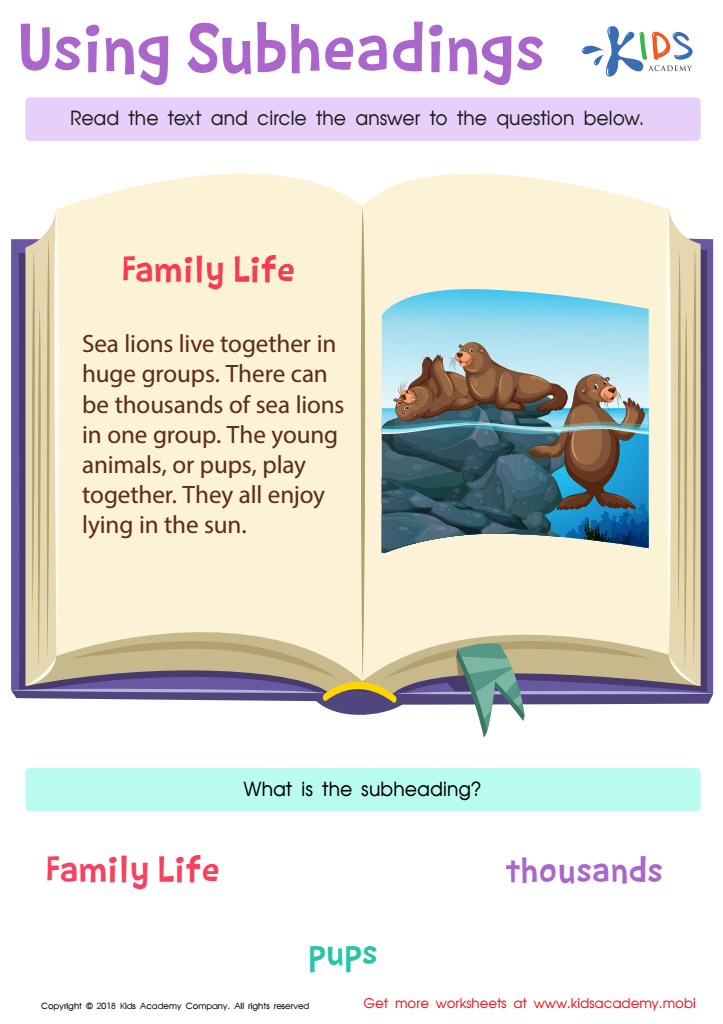
Using Subheadings Worksheet
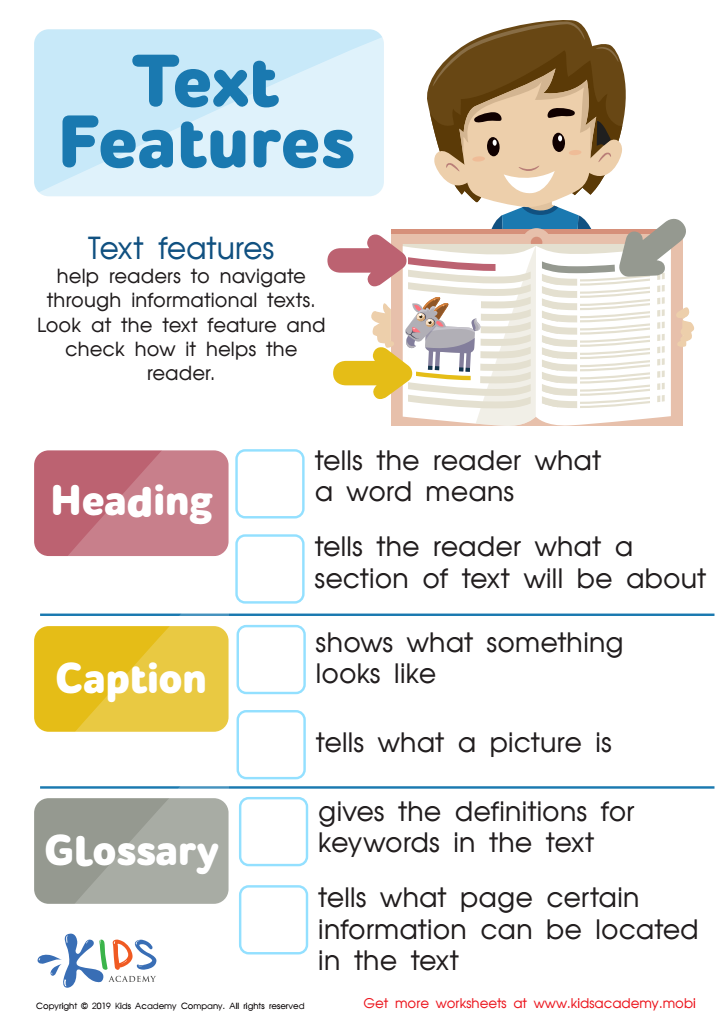
Text Features Worksheet
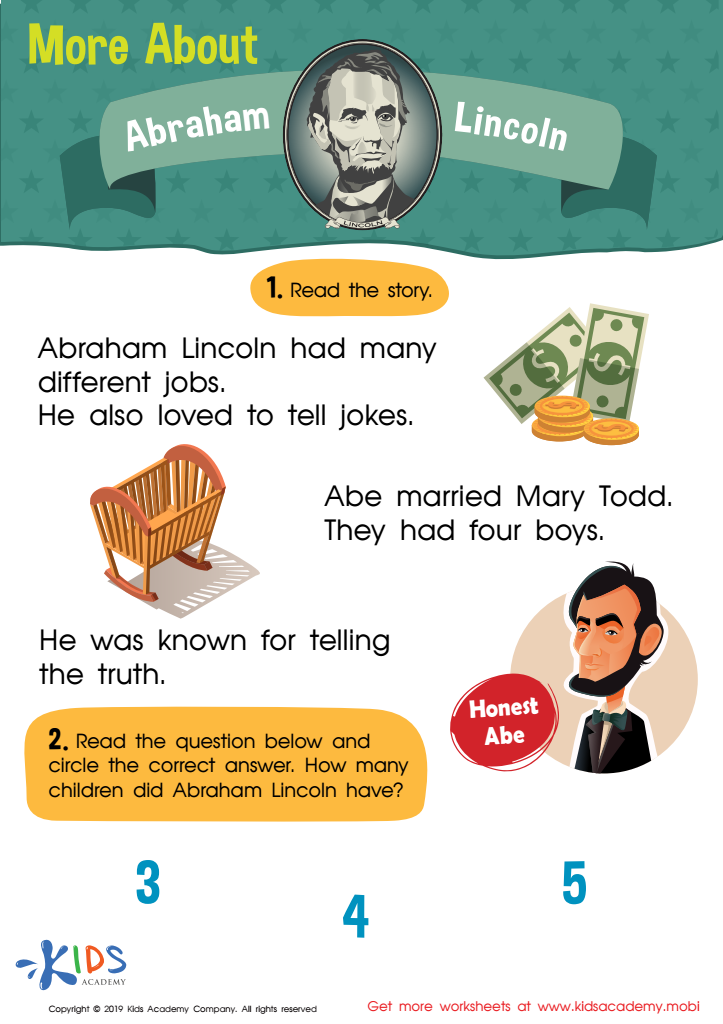
More About Abraham Lincoln Worksheet








Improving reading comprehension in non-fiction for children aged 4-7 is crucial for their academic and personal development. At this age, children are naturally curious and eager to learn about the world around them. Engaging with non-fiction texts helps satisfy that curiosity while fostering critical thinking skills.
Parents and teachers play a vital role in guiding this exploration. By encouraging young readers to delve into non-fiction, they expose them to diverse topics, from science and nature to history and cultures, broadening their mindset. This practice not only enhances vocabulary but also aids children in making connections between new knowledge and their everyday lives.
Reading non-fiction also develops essential skills such as identifying main ideas, understanding text structure, and drawing inferences—all foundational skills for later academic success. Furthermore, the ability to comprehend informational text becomes increasingly important as children progress in their education, where standardized testing often includes a significant amount of non-fiction material.
Ultimately, investing in early reading comprehension skills prepares children to navigate an information-rich world, fostering lifelong learning, curiosity, and informed citizenship. By prioritizing non-fiction reading, parents and teachers empower children to become active, knowledgeable participants in society.








