Color Identification Sight Words Worksheets for Ages 4-7
4 filtered results
Difficulty Level
Grade
Age
-
From - To
Subject
Activity
Standards
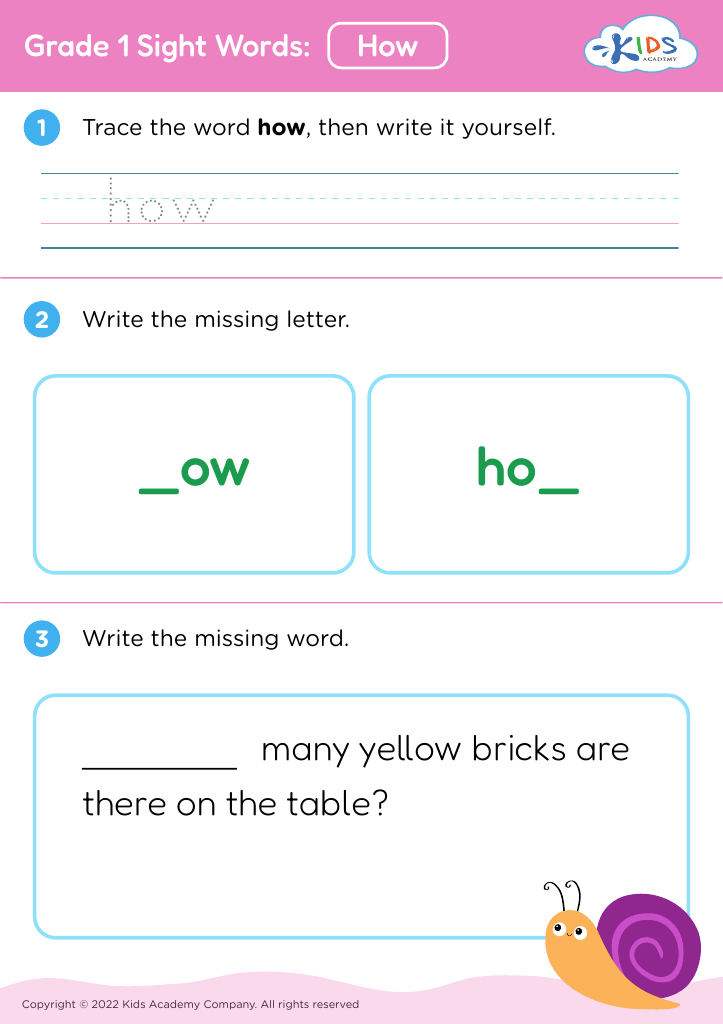
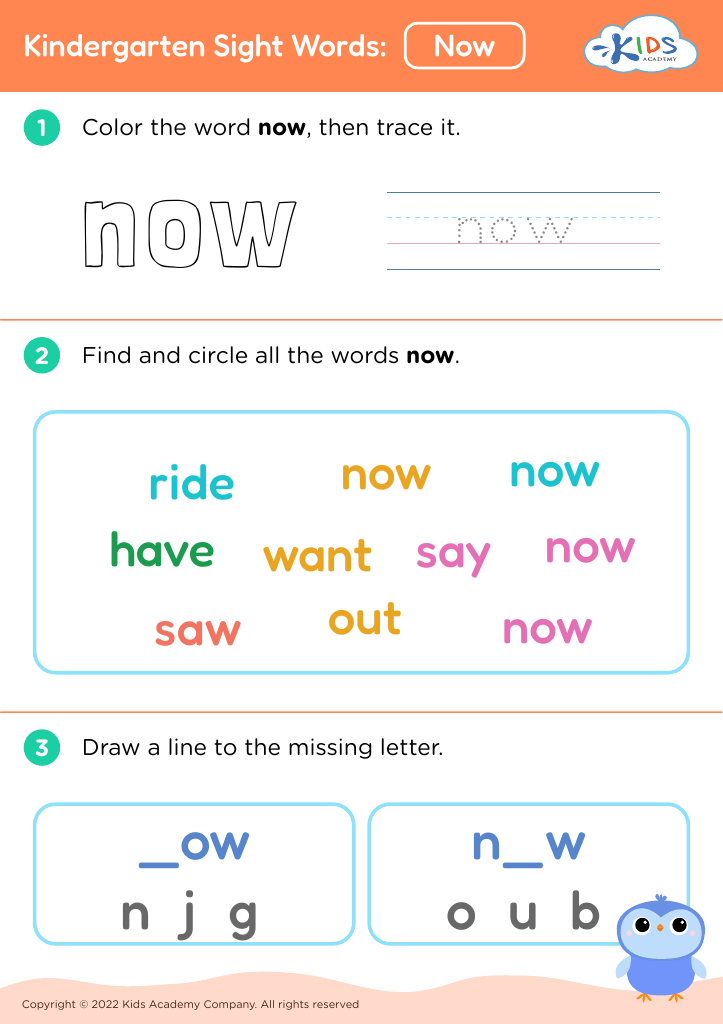
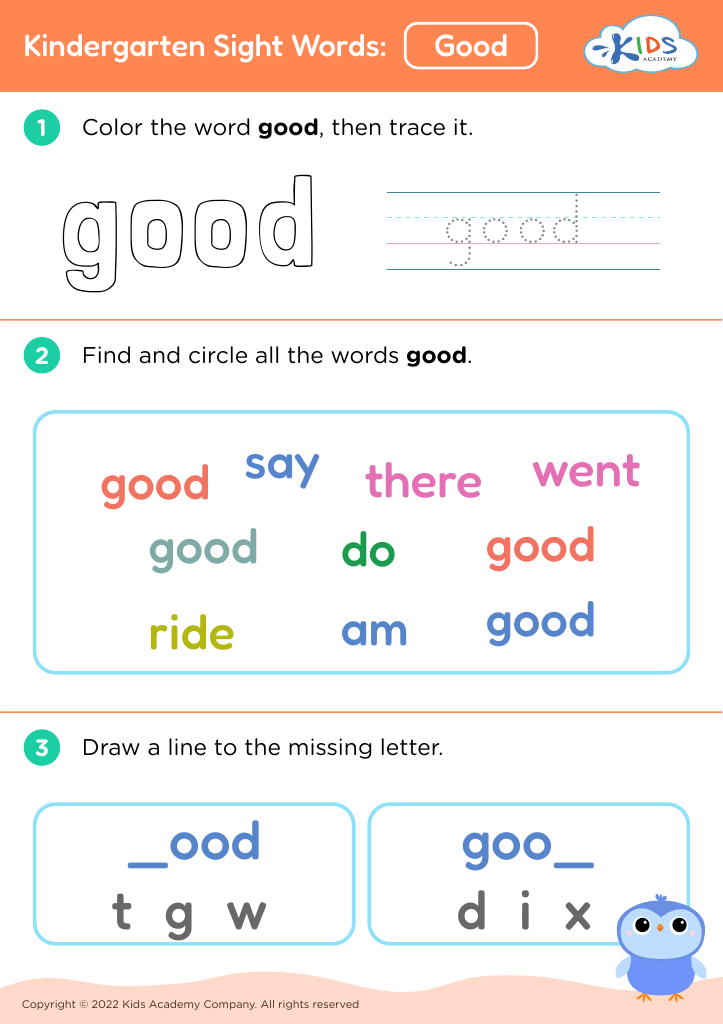
Discover our engaging Color Identification Sight Words Worksheets designed specifically for children ages 4-7! These interactive worksheets aim to enhance early reading skills by combining sight words with colorful visuals. Kids will enjoy practicing essential vocabulary while identifying colors, fostering their language development through fun and play. Each worksheet is thoughtfully crafted to support young learners in recognizing and memorizing sight words, all within an exciting color-themed context. Perfect for classroom or home use, our colorful resources encourage children to explore words creatively and confidently. Start boosting your child’s reading abilities today with our delightful and educational worksheets!
Favorites
With answer key
Interactive




Join Kids Academy for Free
Who is primarily going to use this learning content?






.jpg)

Parents and teachers should prioritize color identification sight words for children aged 4-7 because they serve as foundational elements in early literacy development. Color words such as "red," "blue," "green," and "yellow" are among the first vocabulary units that young learners encounter, making comprehension and descriptive language more accessible. Recognizing these sight words enhances children’s reading fluency, allowing them to engage with picture books and educational materials effectively.
Moreover, color identification connects language to the world around us, fostering observational skills and creativity. Understanding and using color words can inspire creative expression, as children describe their artwork or the environment critically. This boosts their cognitive development, enriching both verbal and physical reasoning.
Additionally, helping children master color sight words can also contribute to their emotional and social development. Identifying color in their surroundings can improve their ability to express feelings and preferences, such as choosing favorite colors or discussing seasonal changes.
Finally, early mastery of sight words cultivates confidence and encourages a love for reading, making it a vital area of focus for parents and teachers, ultimately supporting lifelong learning and engagement in literature.