Cognitive Development Animals Worksheets for Ages 4-7
4 filtered results
-
From - To
Enhance your child's cognitive development with our engaging Animals Worksheets designed for ages 4-7! These interactive worksheets stimulate critical thinking and problem-solving skills through fun activities centered around various animals. Each worksheet encourages young learners to explore features like categorization, matching, and basic comprehension, fostering a deeper understanding of the animal kingdom. Ideal for parents and educators alike, these resources deliver a blend of education and enjoyment, making learning about animals exciting. Watch your child thrive as they develop essential cognitive skills, all while discovering the wonders of wildlife! Perfect for classroom use or home learning!
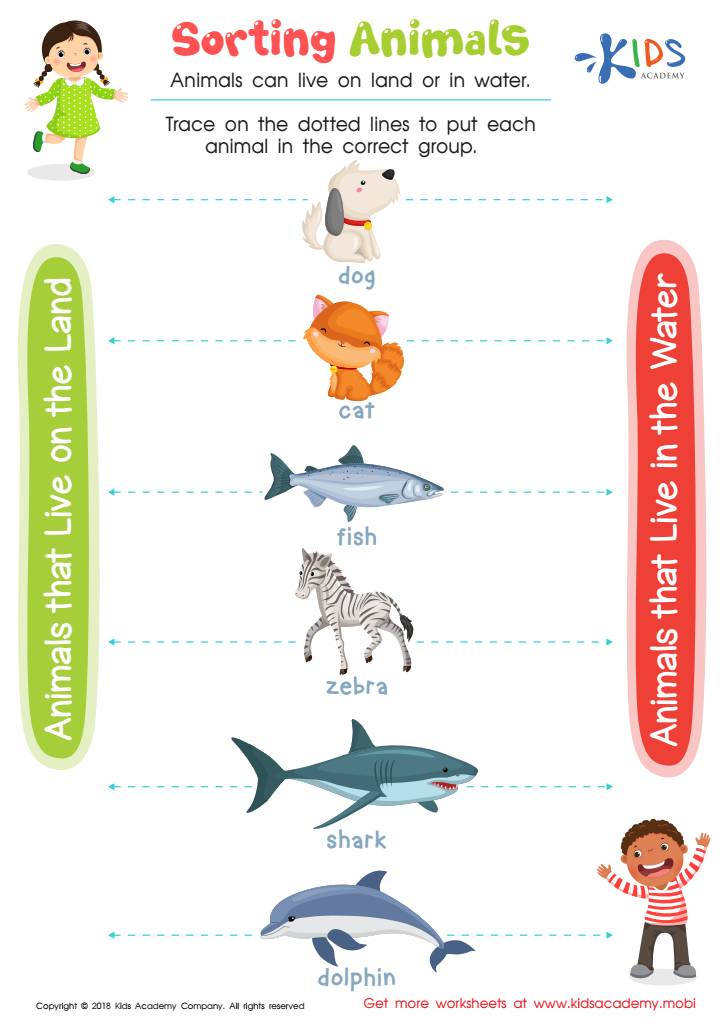
Sorting Animals Worksheet
 Assign to My Students
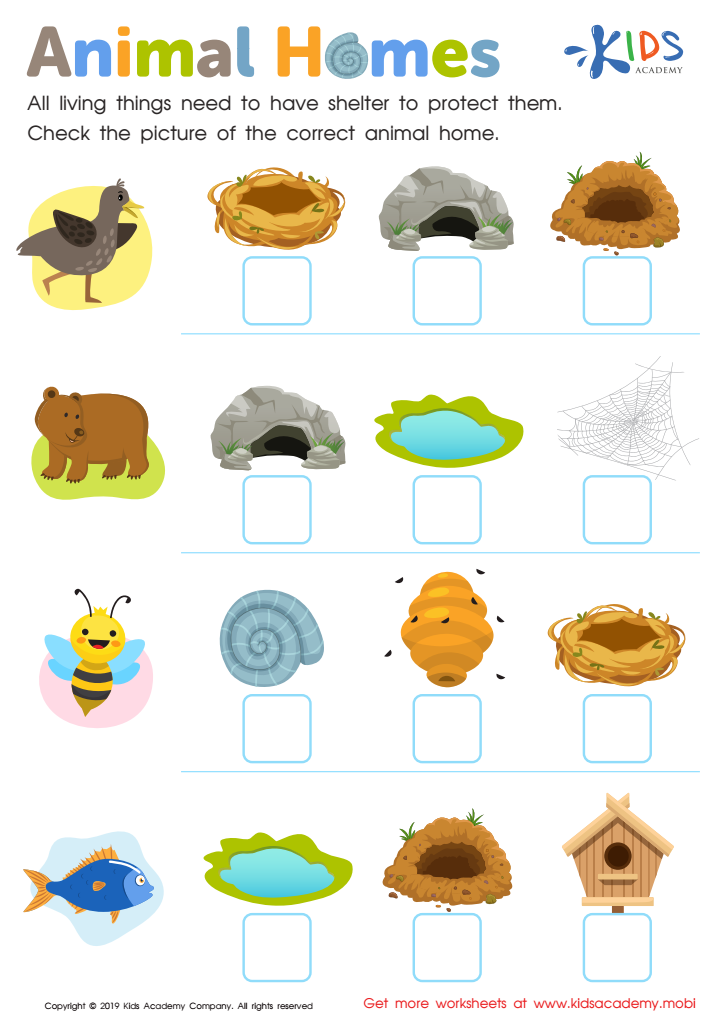
Animal Homes Worksheet
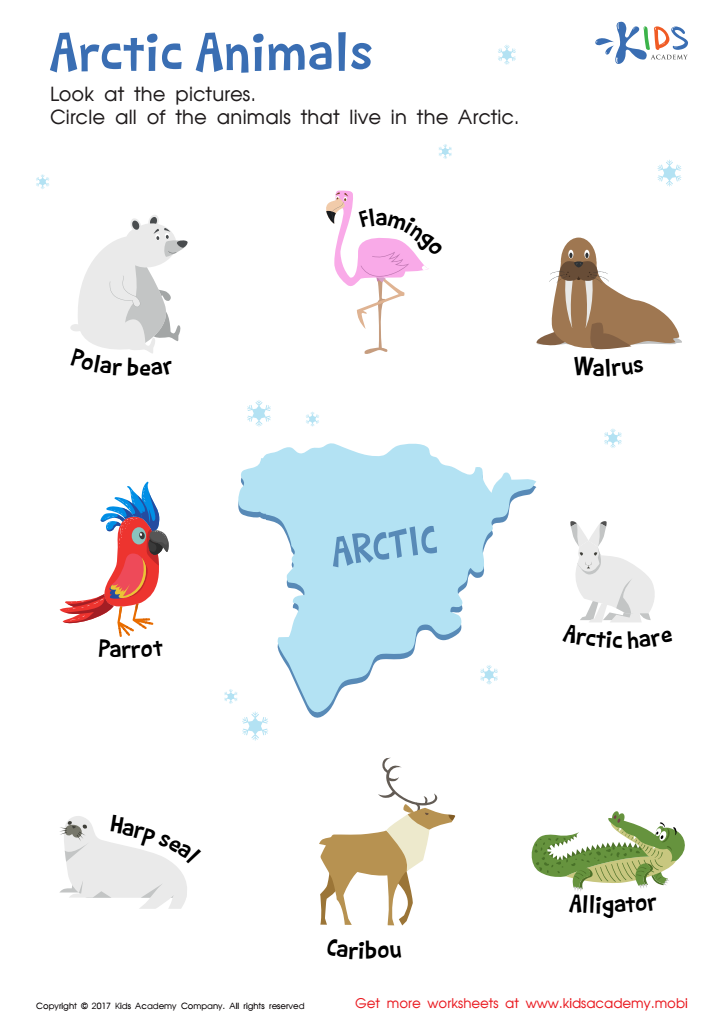
Arctic Animals Worksheet
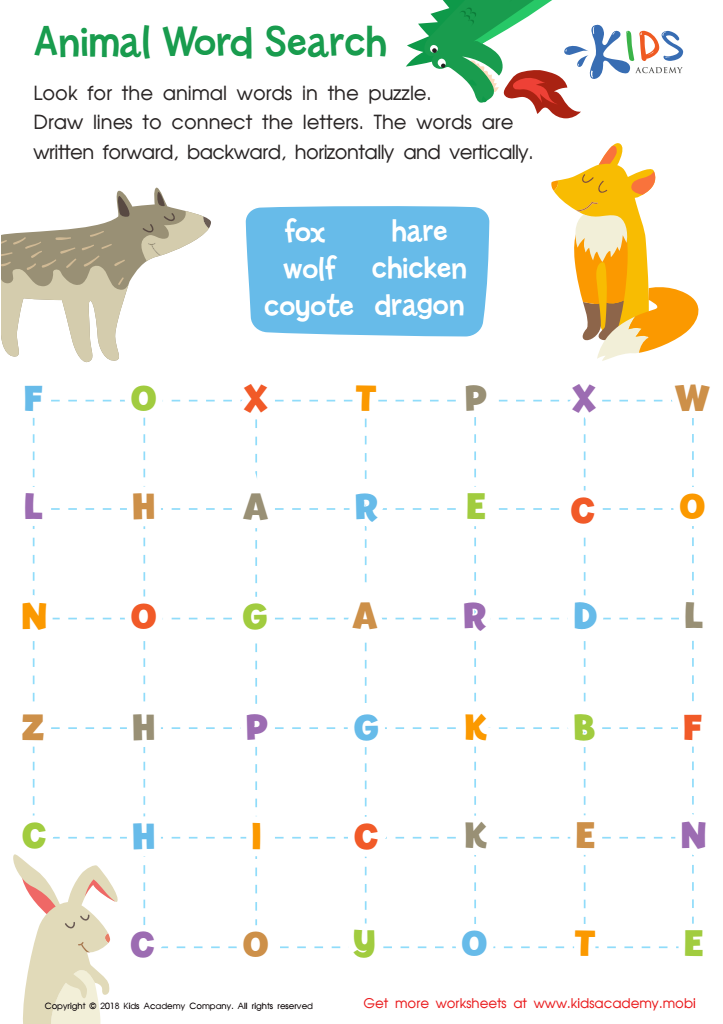
Animal Word Search Worksheet




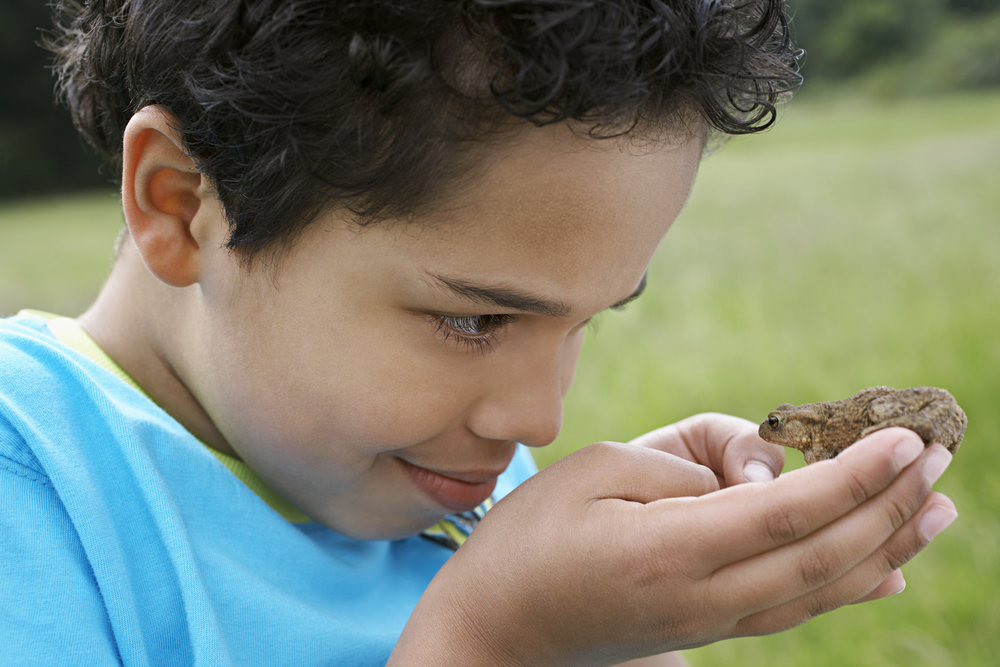



Cognitive development in young children, particularly between the ages of 4-7, plays a pivotal role in shaping their understanding of the world. Integrating animals into this developmental process can provide significant benefits. First, animals capture children's attention and spark curiosity. Learning about different species fosters vocabulary growth, enhancing language skills essential for effective communication.
Furthermore, animal-related activities promote critical thinking and problem-solving abilities. Through observing animal behavior or discussing habitats, children engage in reasoning and classification, developing essential cognitive skills. Additionally, animals serve as excellent tools for teaching emotional intelligence. Interactions with pets or through stories about animals can help children identify feelings, fostering empathy and social understanding.
Moreover, exploring themes in animal development allows for interdisciplinary learning. Science concepts about life cycles, habitats, and ecosystems can be paired with stories and art, creating a rich educational experience. Introducing concepts such as respect for living beings can instill values that contribute to social and moral development.
In essence, engaging with animals during critical early years not only enriches cognitive growth but also lays the foundation for emotional and social skills, making it imperative for parents and teachers to prioritize this aspect of learning in young minds.