Fine motor skills development ABC Letters Worksheets for 4-Year-Olds
3 filtered results
-
From - To
Enhance your child's fine motor skills with our ABC Letters Worksheets designed for 4-year-olds. These engaging printable activities help young learners develop crucial hand-eye coordination and dexterity as they trace, color, and write alphabet letters. Perfect for small hands, the worksheets feature fun, age-appropriate illustrations to keep kids motivated and focused. By practicing with our expertly crafted materials, your preschooler will build the foundational skills needed for writing and academic success. Download today and watch your child master the ABCs while refining their fine motor abilities in a fun and productive way!
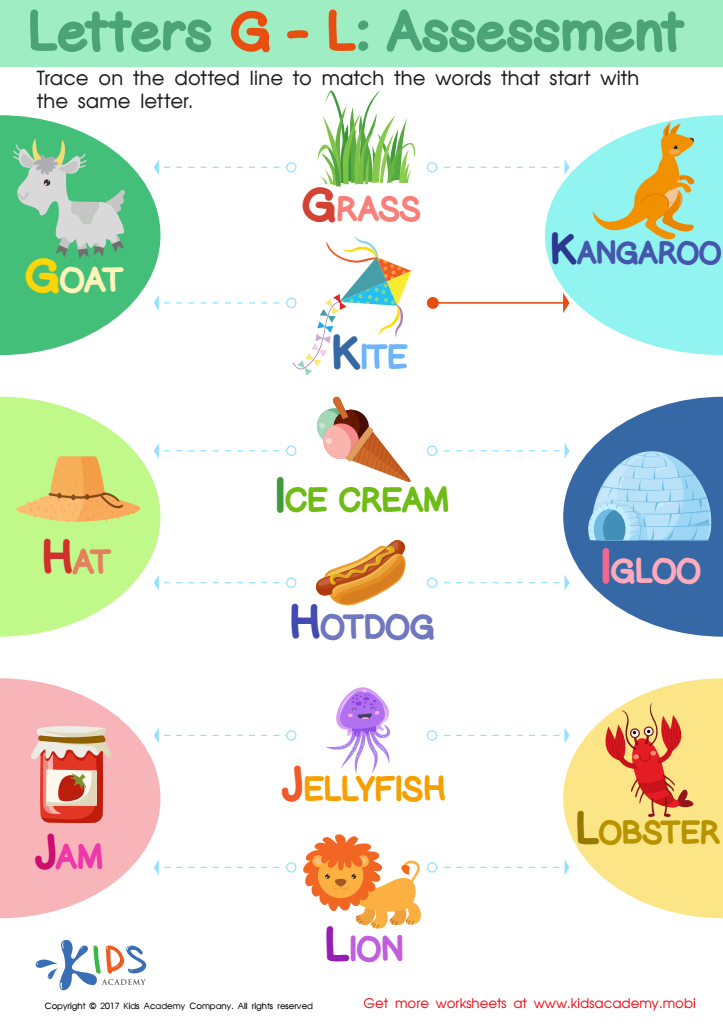
Letters G-L Worksheet











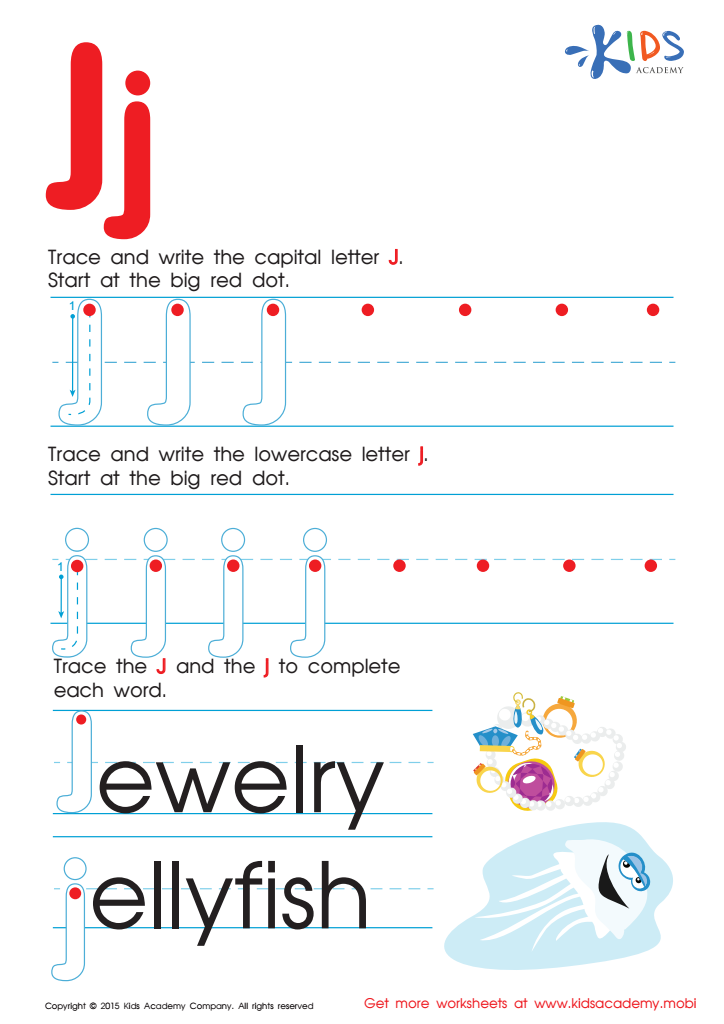
Letter J Tracing Page
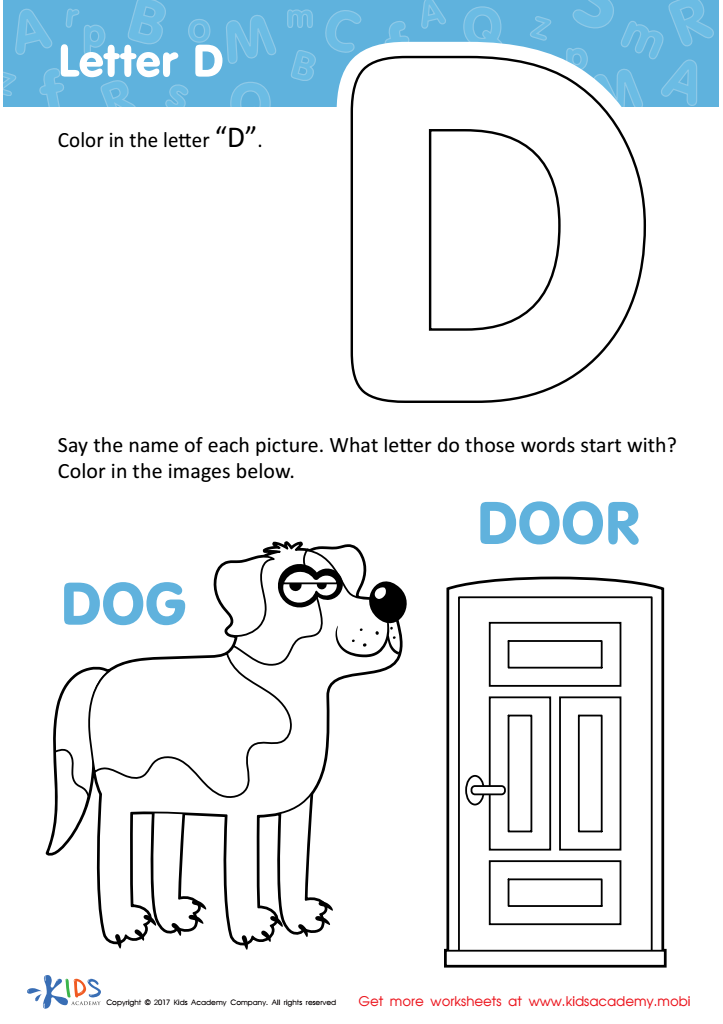
Letter D Coloring Sheet
 Assign to My Students







Fine motor skills development is crucial for 4-year-olds as it lays the foundation for many essential life and academic skills, including writing, drawing, and self-care tasks like buttoning and tying shoelaces. Activities that involve practicing the ABCs are particularly beneficial.
When four-year-olds work on writing or manipulating letters, they engage in activities that require precision and coordination of the small muscles in their hands and fingers. These activities help to strengthen their fine motor skills. This is important because strong fine motor skills contribute to better hand-eye coordination and muscle memory, which are essential for tasks such as handwriting and typing.
Moreover, fine motor skills development through learning ABCs encourages cognitive skills like memory, attention to detail, and problem solving. Recognizing and forming letters promote literacy by helping children connect visual symbols (letters) with sounds and eventually words, laying the groundwork for reading and spelling.
Additionally, these activities foster a sense of accomplishment and independence which can boost a child's confidence and willingness to tackle new challenges. Therefore, parents and teachers should prioritize fine motor skill development to support not only a child's academic journey but also their overall cognitive and emotional growth.







