Phonics practice Beginning Sounds Worksheets for 4-Year-Olds
5 filtered results
-
From - To
Discover our engaging phonics practice worksheets designed specifically for 4-year-olds to master beginning sounds! These fun, interactive resources help young learners identify and differentiate sounds associated with letters in an enjoyable manner. Each worksheet includes colorful illustrations and playful activities that capture children's attention while reinforcing essential phonetic skills. Perfect for homeschooling or classroom settings, our beginning sounds worksheets support literacy development and prepare kids for early reading success. Explore our collection today to enhance your child's phonics journey and watch them confidently pronounce words as they boost their love for learning!
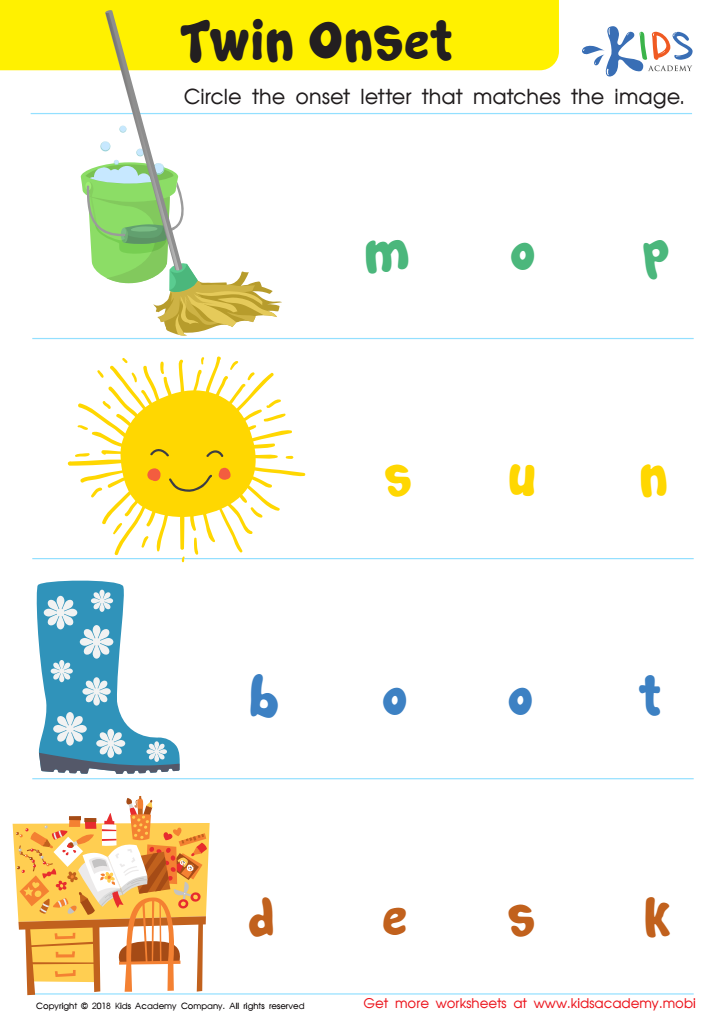
Twin Onset Worksheet
 Assign to My Students
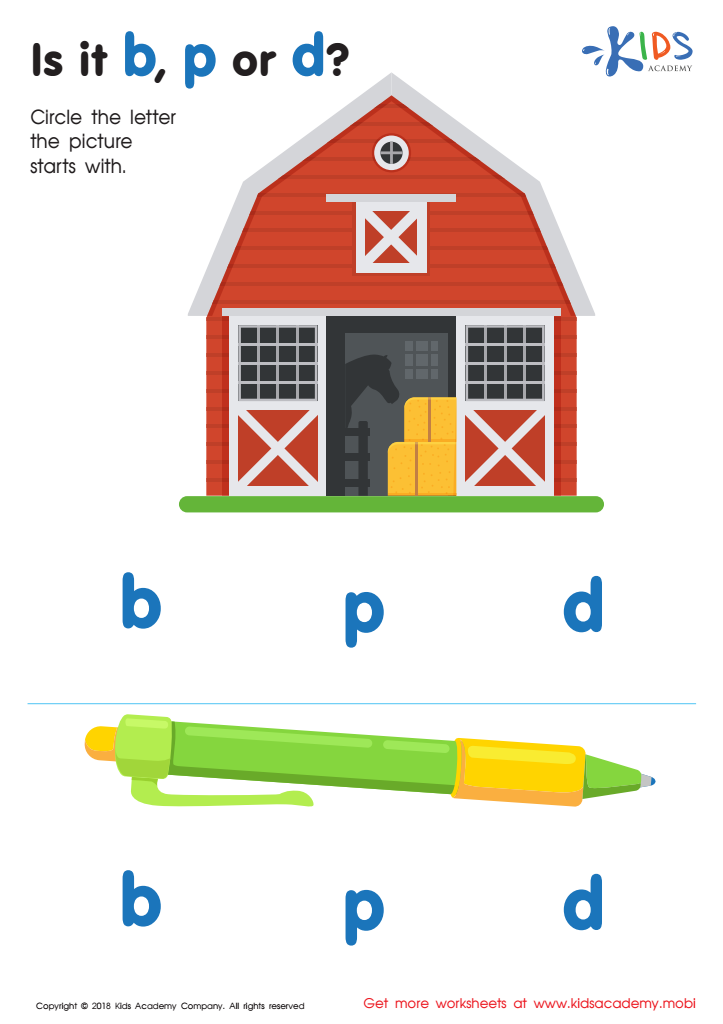
Is it b, p or d? Worksheet
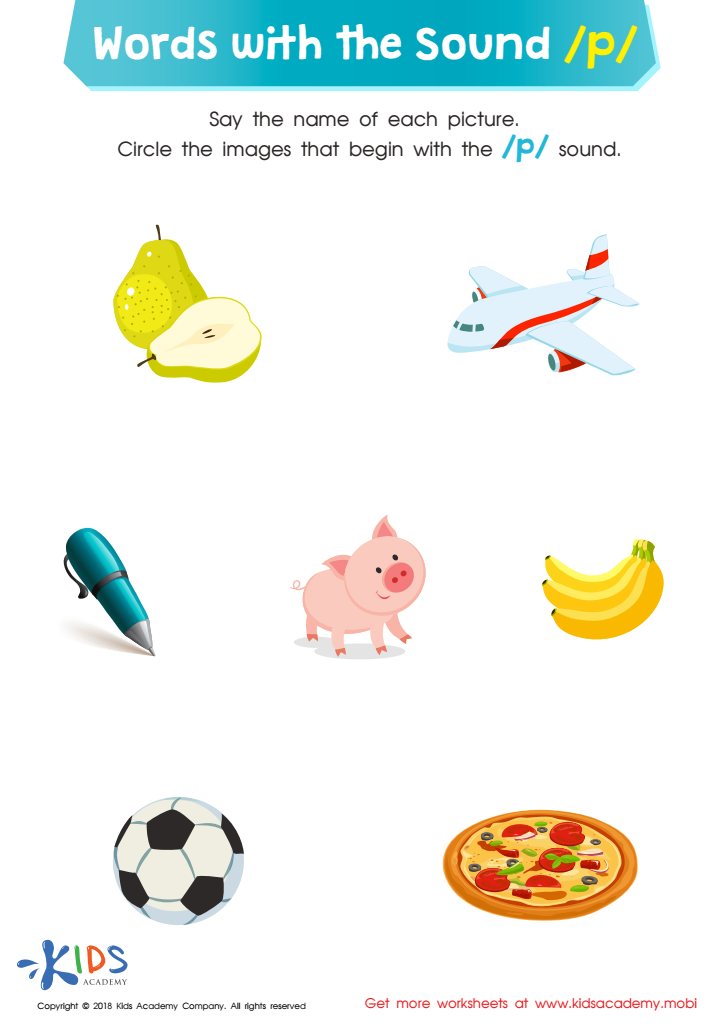
Words with sound p Reading Worksheet
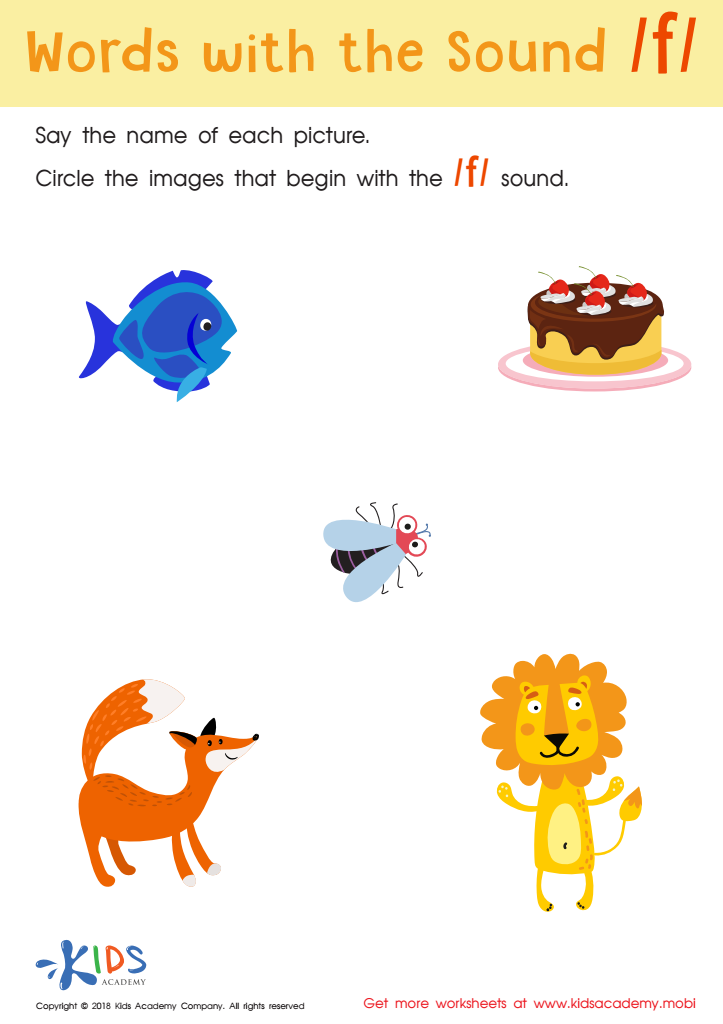
Words with sound f Reading Worksheet
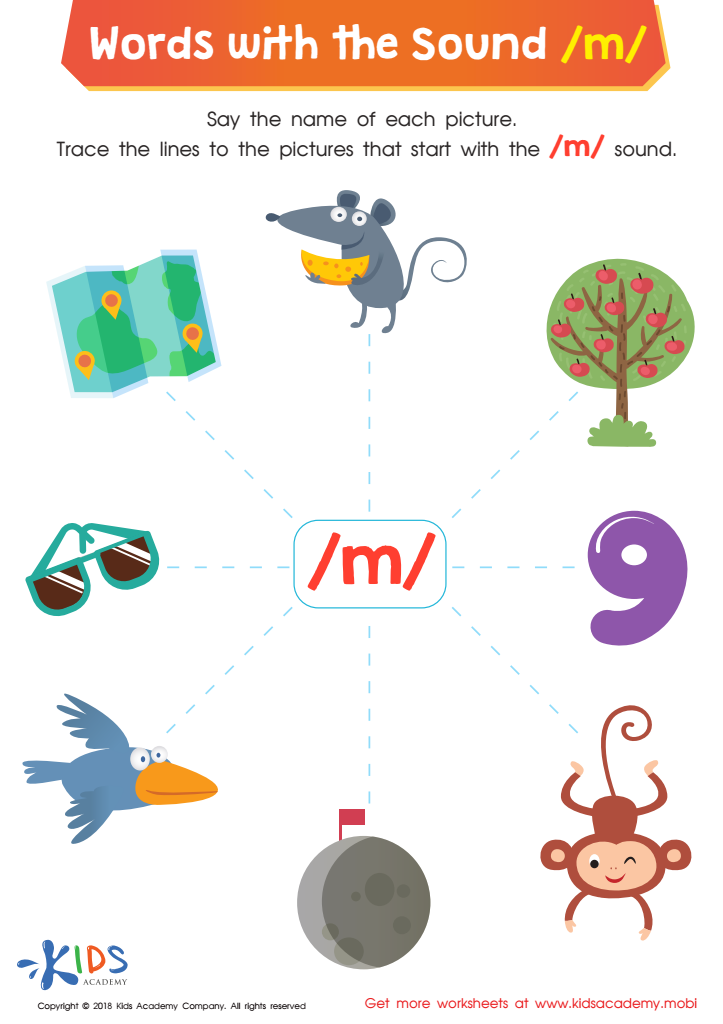
Words with Sound M Reading Worksheet








Phonics practice, particularly focusing on beginning sounds, is crucial for 4-year-olds as it lays the foundation for literacy development. At this age, children are naturally curious about sounds and language, making it an ideal time to introduce phonics. Understanding beginning sounds helps children recognize the first letters in words, fostering essential reading skills. Research shows that early phonemic awareness is a strong predictor of future reading success.
Additionally, practicing beginning sounds enhances a child's ability to decode words, improving their phonological awareness. This leads to greater confidence when they encounter new words, helping to mitigate frustrations often associated with reading. Engaging in phonics activities, such as rhyming games and sound hunts, also develops listening and analytical skills.
Moreover, focusing on beginning sounds can contribute positively to a child's overall language development. It enriches their vocabulary and encourages effective communication skills. Both parents and teachers can support this practice through interactive methods, making learning enjoyable and memorable. By prioritizing phonics practice, caregivers positively influence a child's educational journey, ensuring they have the tools needed to thrive in reading and beyond. Supporting phonics is an investment in a child's future literacy and self-esteem, yielding long-term academic benefits.







