Motor skills development Alphabet Worksheets for 4-Year-Olds
5 filtered results
-
From - To
Enhance your child's motor skills with our engaging Alphabet Worksheets designed specifically for 4-year-olds. These printable activities promote hand-eye coordination and fine motor development as little ones practice tracing, writing, and identifying letters. Our worksheets make learning letters fun and interactive, all while reinforcing essential skills for early literacy. Perfect for both classroom and home use, these resources create an enjoyable learning experience that keeps children motivated. Inspire curiosity and creativity in your young learners as they build confidence in their writing abilities. Explore our collection of motor skills development worksheets and watch your child's skills flourish!

Letter H Tracing Page
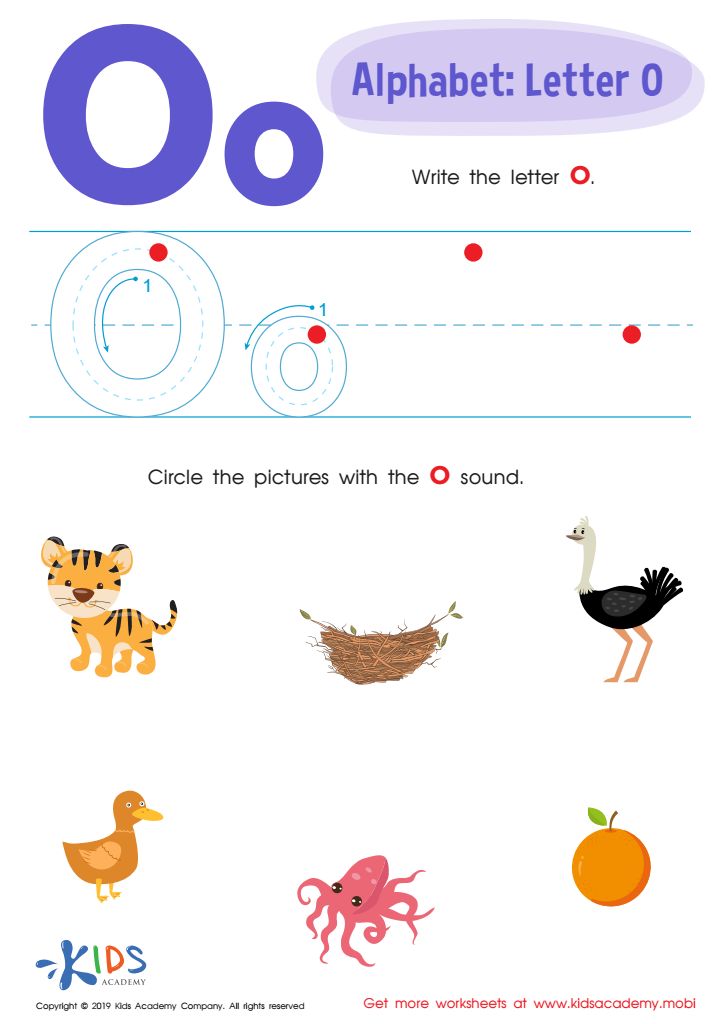
Letter O Tracing Worksheet
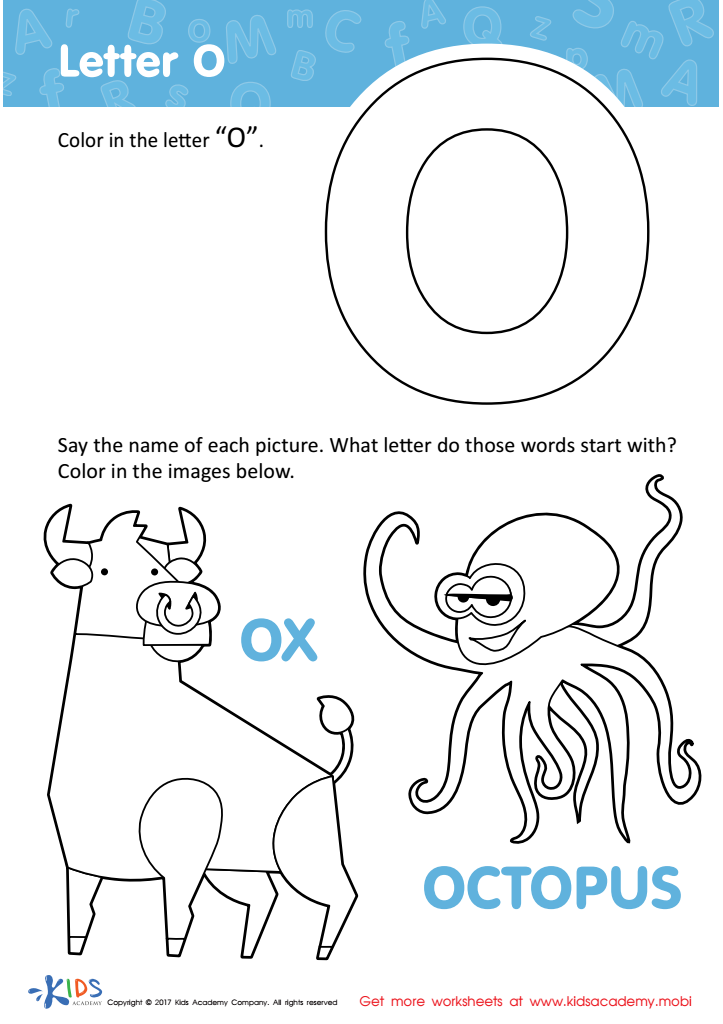
Letter O Coloring Sheet
 Assign to My Students
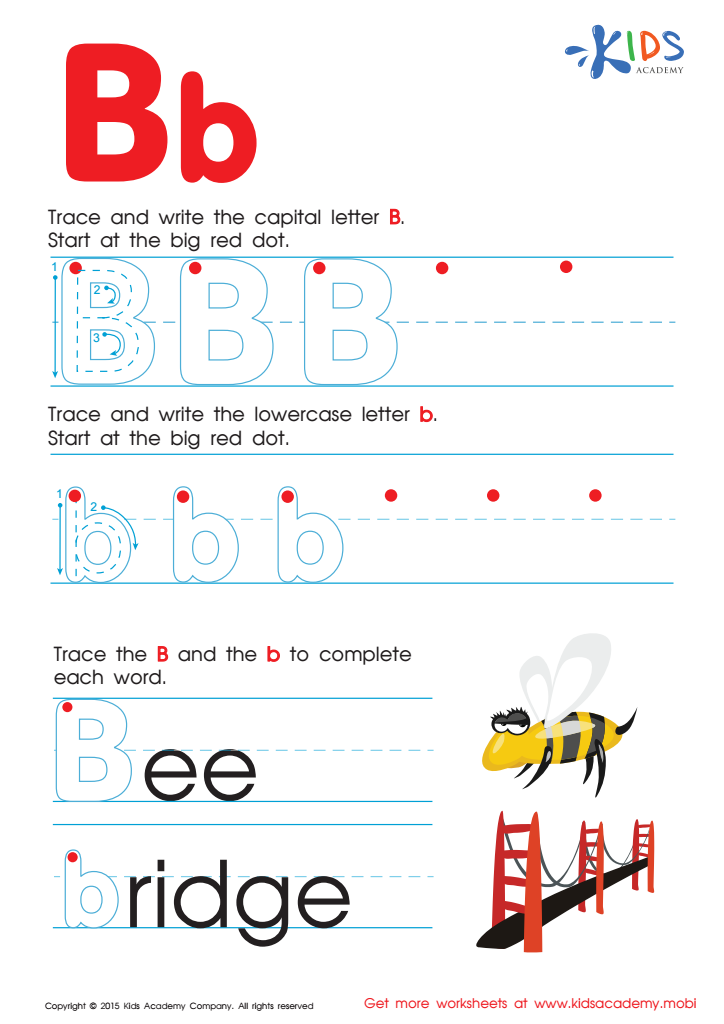
Letter B Tracing Page
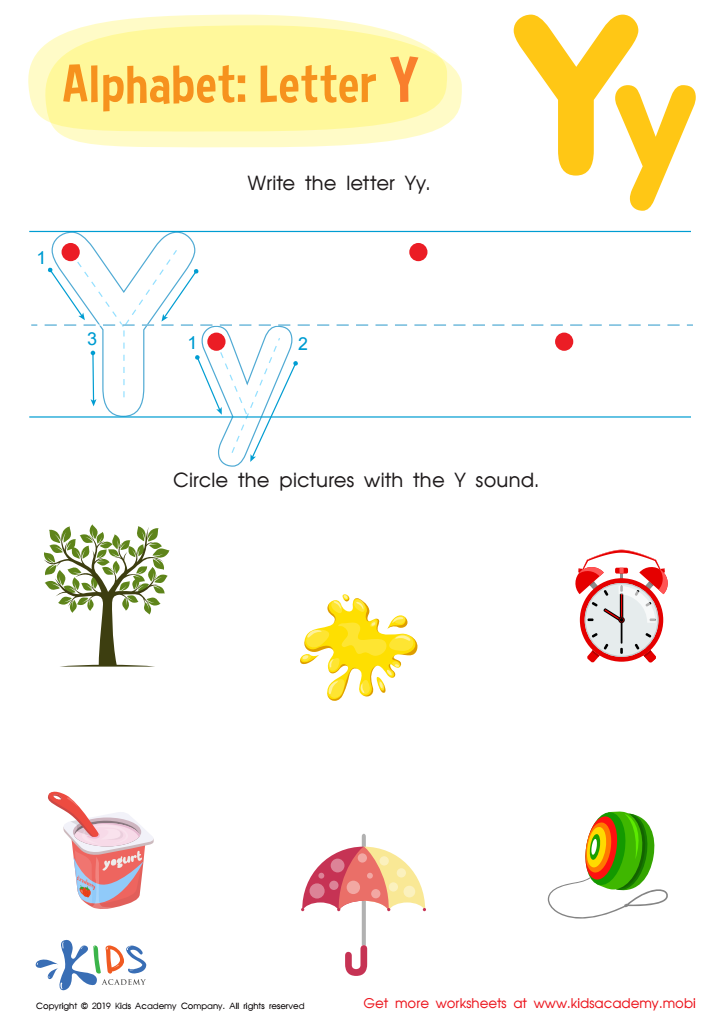
Letter Y Tracing Worksheet








Motor skills development is crucial for 4-year-olds as it lays the foundation for their overall growth and future learning. Parents and teachers should prioritize this developmental aspect because motor skills encompass two primary categories: gross motor skills and fine motor skills. Gross motor skills, like running and jumping, help children build strength and coordination, which are essential for physical activities and play. Fine motor skills, such as grasping small objects and manipulating tools, enable children to perform tasks like writing and using scissors.
Developing these skills not only enhances a child's physical abilities but also contributes to cognitive, social, and emotional development. For example, engaging in activities that refine motor skills fosters problem-solving abilities and encourages creativity. Additionally, when children gain confidence in their motor skills, they are more likely to join group games, leading to improved social interactions and cooperative play.
Furthermore, strong motor skills can positively impact academic performance. Children who can manipulate letters and shapes with ease are more likely to excel in early literacy and math tasks. Therefore, investing time and effort in supporting motor skills development can significantly enrich a child's learning experience and overall well-being. Parents and teachers should collaboratively emphasize this critical aspect of early childhood education.







