Alphabet sequencing Letter Recognition Worksheets for 4-Year-Olds
6 filtered results
-
From - To
Discover our engaging Alphabet Sequencing Letter Recognition Worksheets designed specifically for 4-year-olds! These fun and interactive resources help young learners master the alphabet through sequencing activities that enhance letter recognition skills. With colorful illustrations and playful challenges, children will explore the order of letters while developing fine motor skills. Our worksheets cater to different learning styles, making it easy for you to support your child’s educational journey at home or in the classroom. Enhance their literacy foundation today with our thoughtfully crafted worksheets that make learning the alphabet exciting and effective! Perfect for fostering a love of learning in your little one.
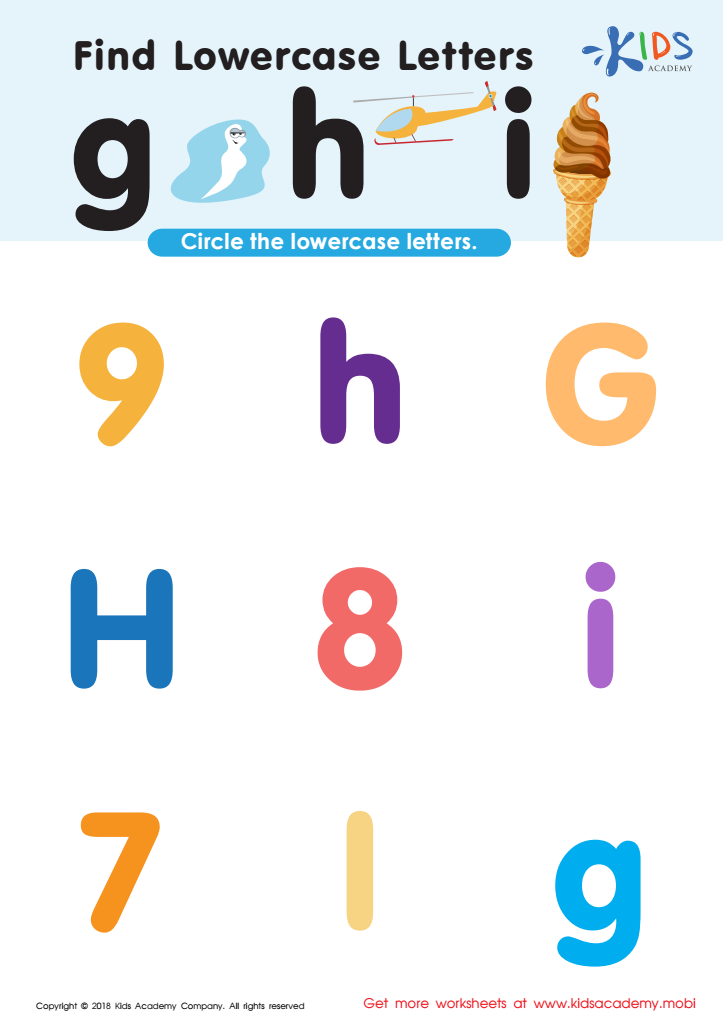
Find Lowercase Letters g h i Worksheet
 Assign to My Students
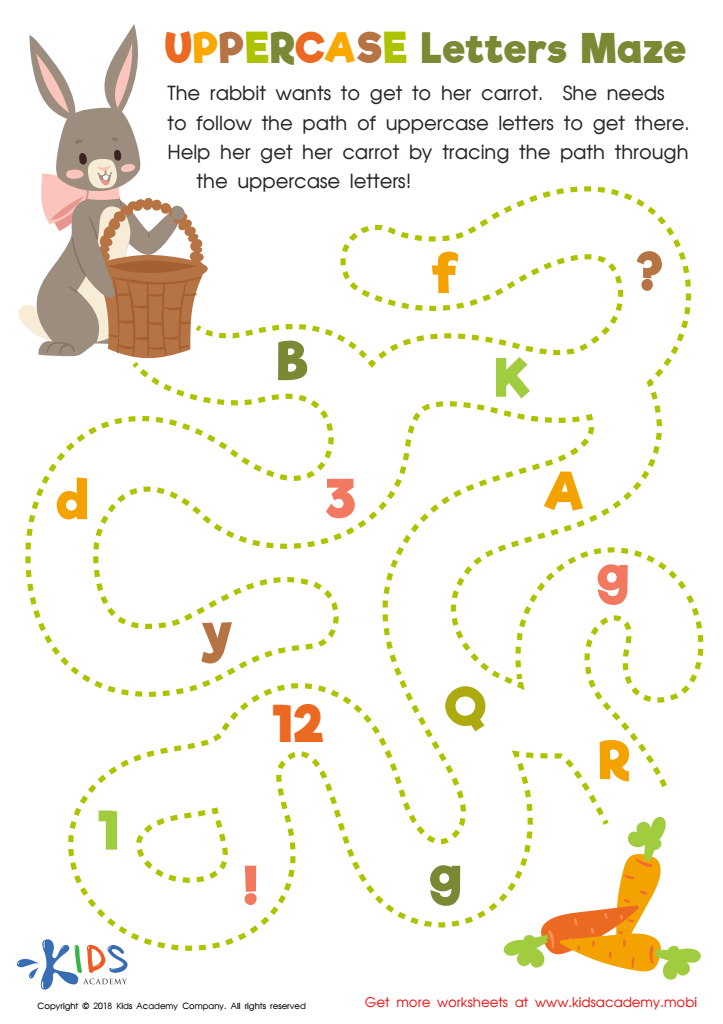
Uppercase Letters Maze Worksheet
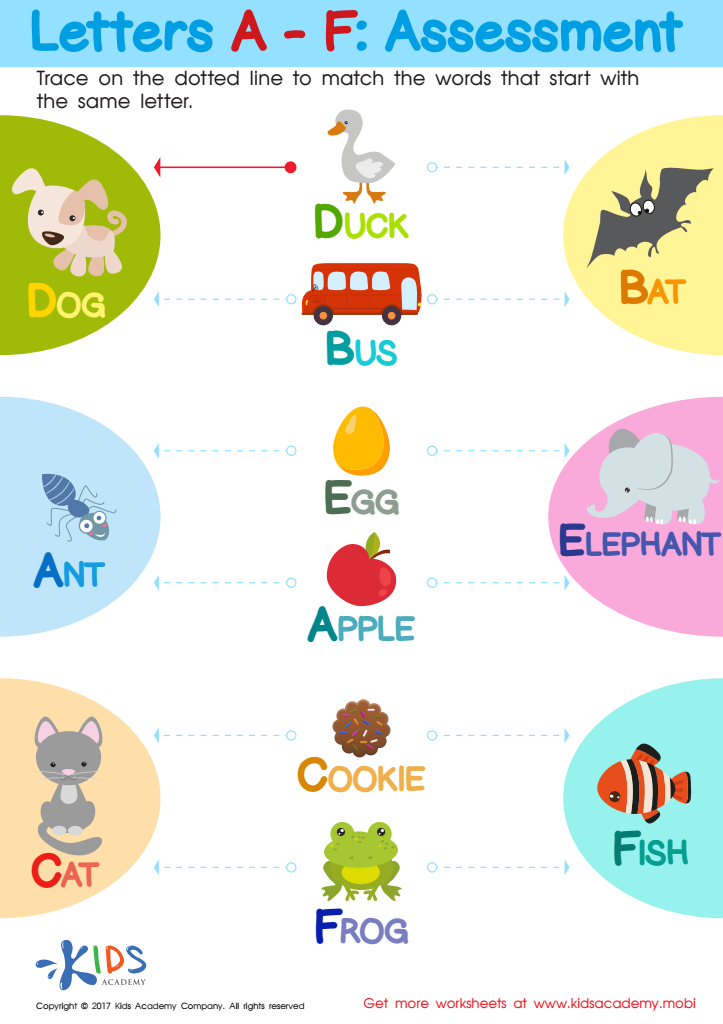
Letters A - F Worksheet
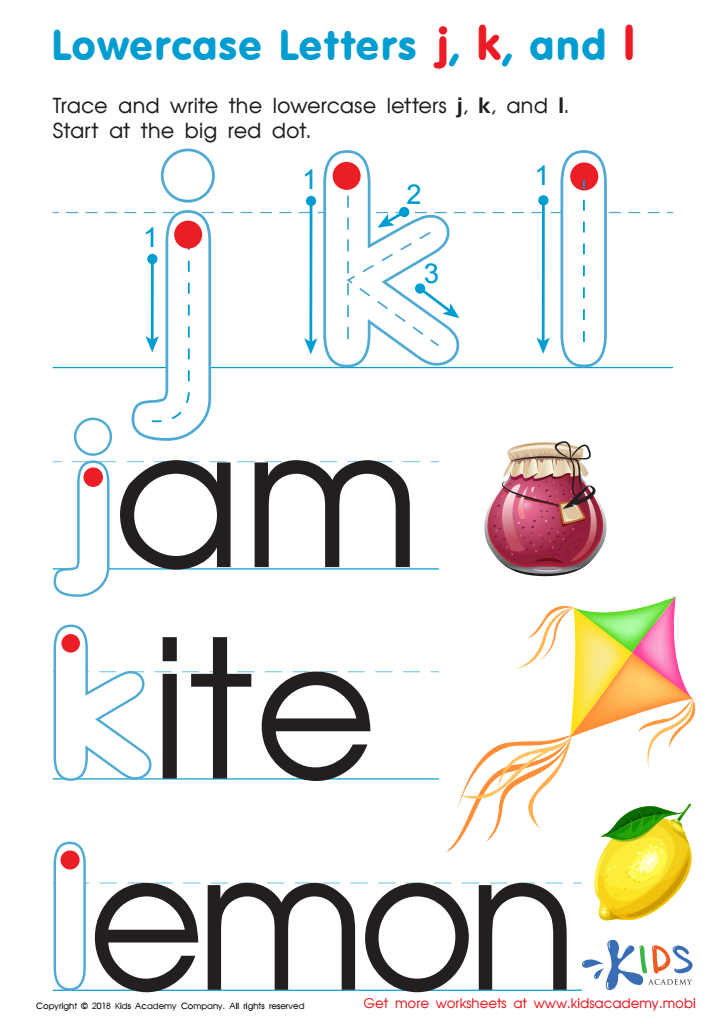
Lowercase Letters j k l Worksheet
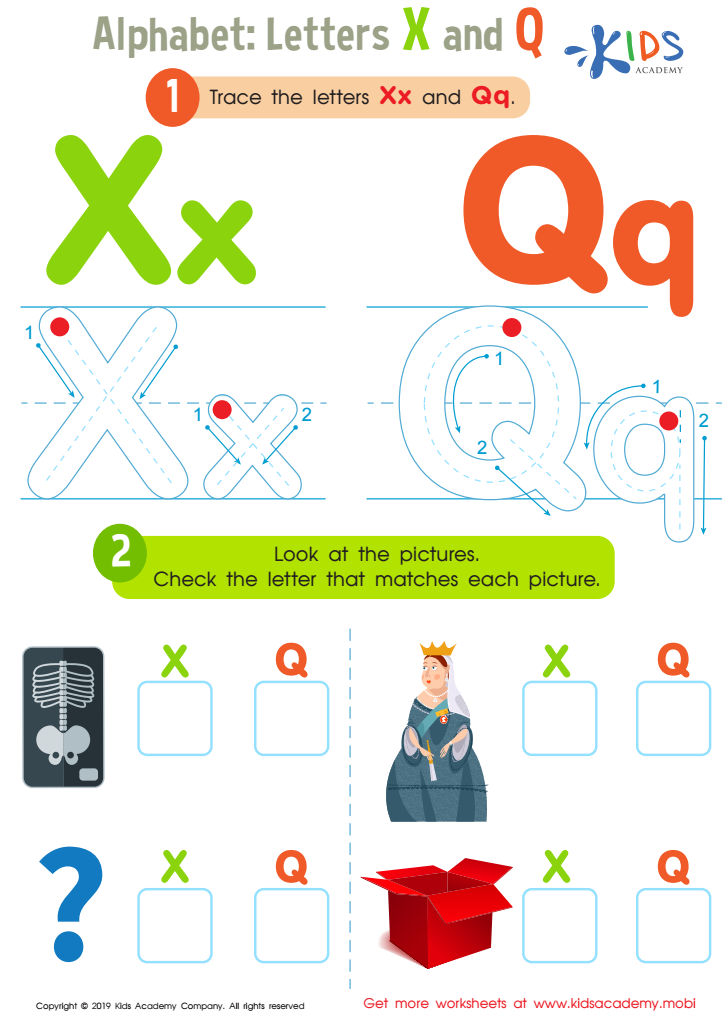
Letters X and Q Tracing Worksheet
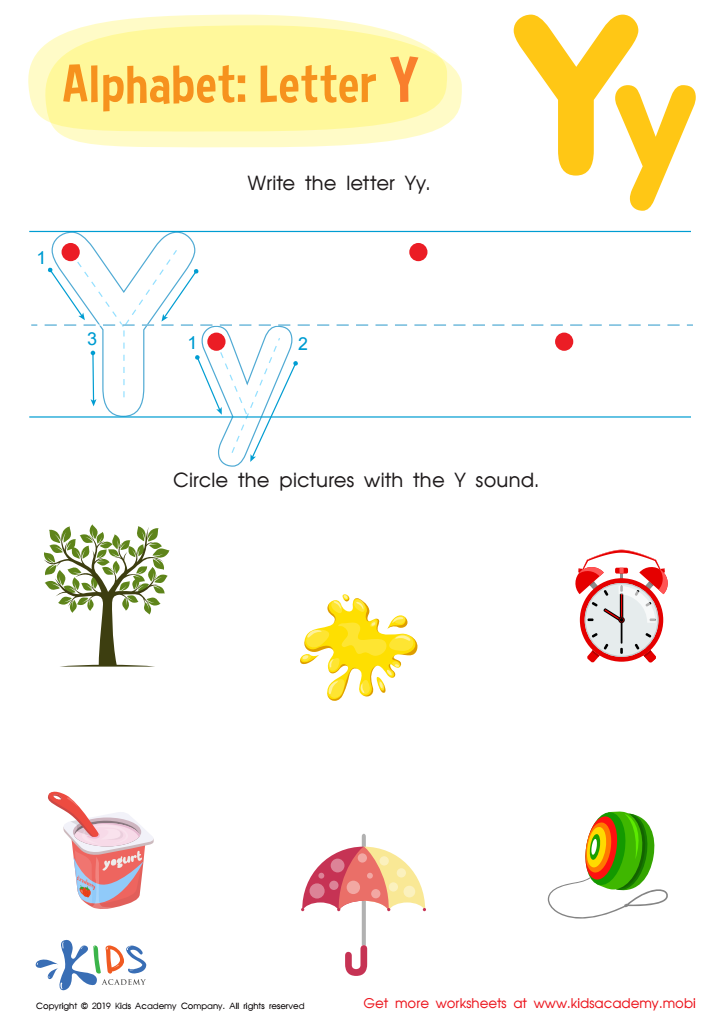
Letter Y Tracing Worksheet








Alphabet sequencing and letter recognition are foundational skills for early literacy development in 4-year-olds, making it crucial for parents and teachers to prioritize these areas. Understanding the alphabet helps children recognize letters and their corresponding sounds, forming the building blocks for reading and writing. When children can sequence letters, they learn to identify patterns and differences among them, fostering critical thinking skills.
Moreover, mastering letter recognition enhances children's self-confidence and enthusiasm for learning. As they begin to recognize letters in their environment—on signs, books, and toys—they develop a sense of ownership over reading and writing, making it a more engaging experience. Early attention to alphabet skills also supports language development, as it encourages the expansion of vocabulary and improves phonemic awareness.
Furthermore, proficiency in letter recognition is a strong predictor of future academic success. By focusing on these skills early on, parents and teachers can help prevent future reading difficulties. Incorporating fun activities that explore letters, such as songs, games, and hands-on crafts, can make learning enjoyable. Ultimately, fostering alphabet sequencing and letter recognition in young children sets the groundwork for their lifelong educational journey.







