Motor skills development Letter Recognition Worksheets for 4-Year-Olds
5 filtered results
-
From - To
Boost your child's motor skills and letter recognition with our engaging worksheets designed specifically for 4-year-olds! Our Motor Skills Development Letter Recognition Worksheets combine fun activities that not only encourage early literacy but also enhance fine motor skills essential for writing. Kids will enjoy tracing, matching, and identifying letters through interactive exercises that promote hand-eye coordination and dexterity. Perfect for at-home learning or classroom use, these worksheets provide a hands-on approach that helps children build confidence in their abilities while exploring the world of letters. Start fostering your child's love for learning today with our creative and educational resources!
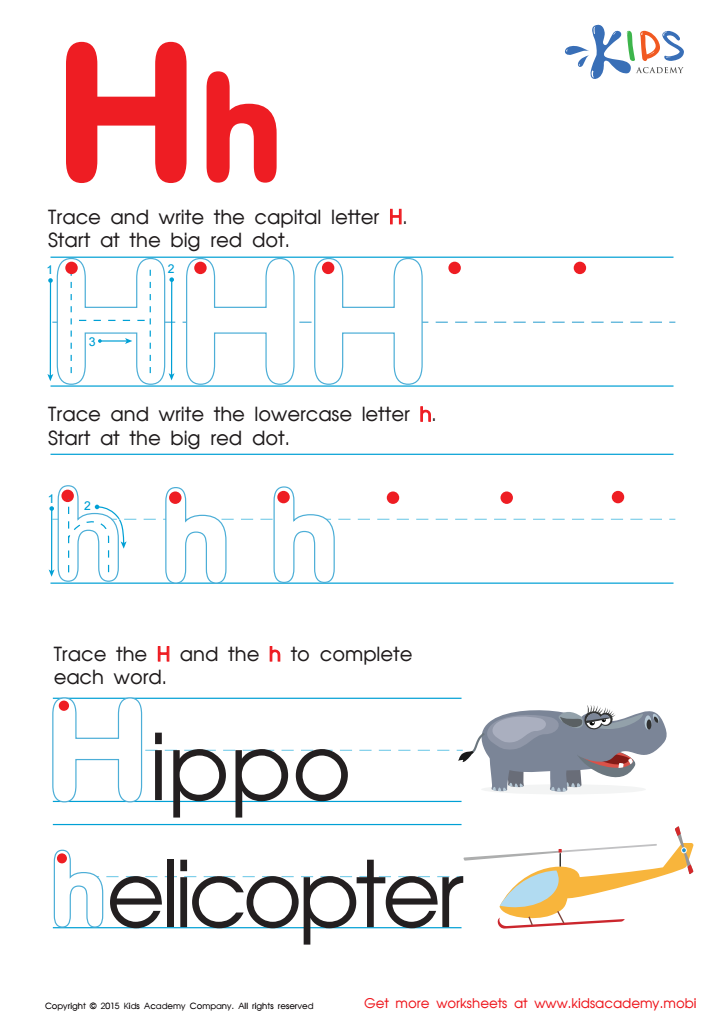
Letter H Tracing Page
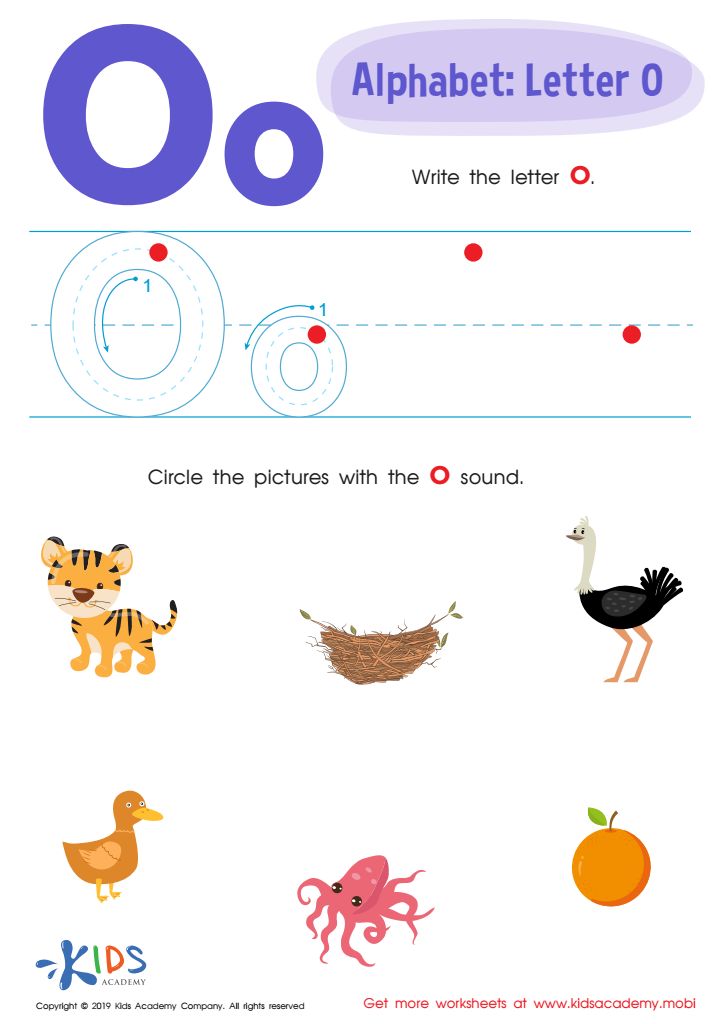
Letter O Tracing Worksheet
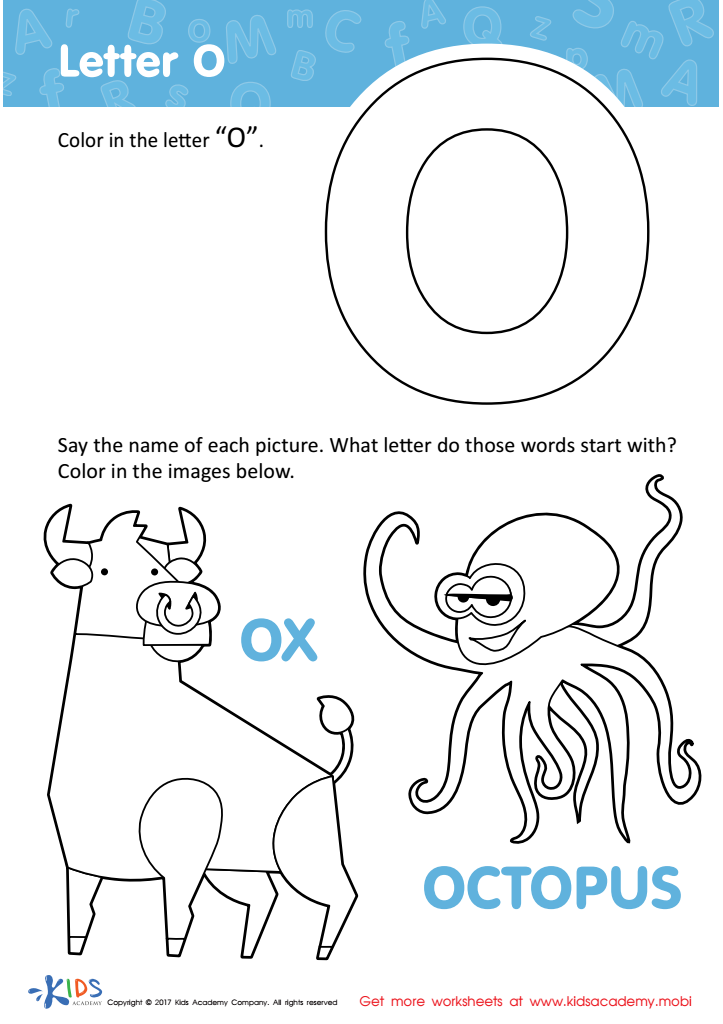
Letter O Coloring Sheet
 Assign to My Students
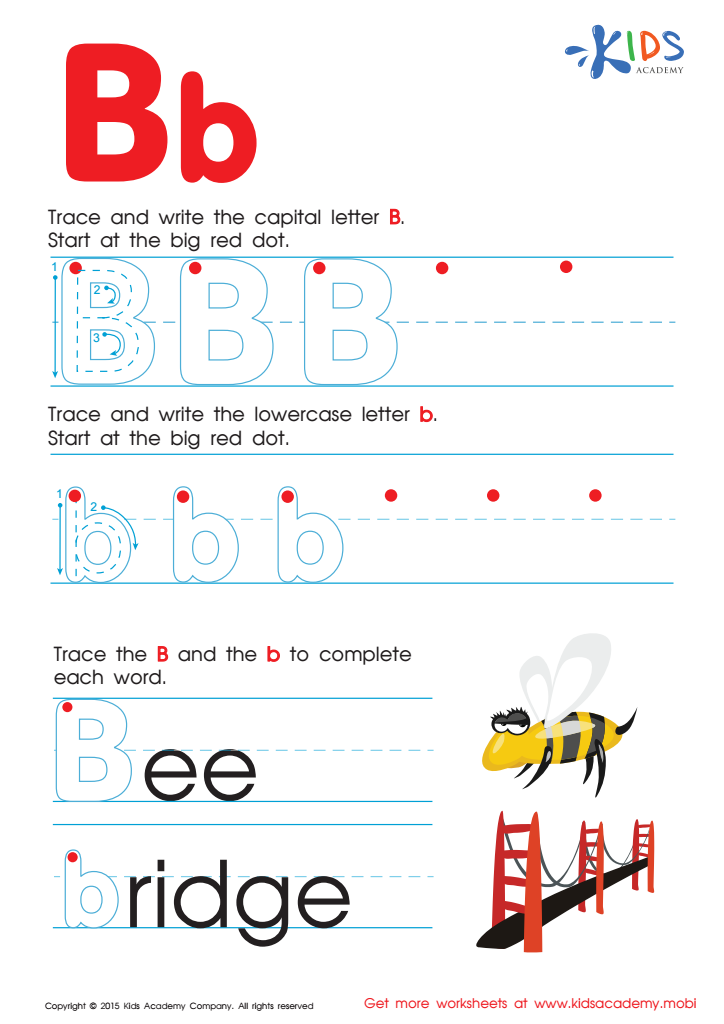
Letter B Tracing Page
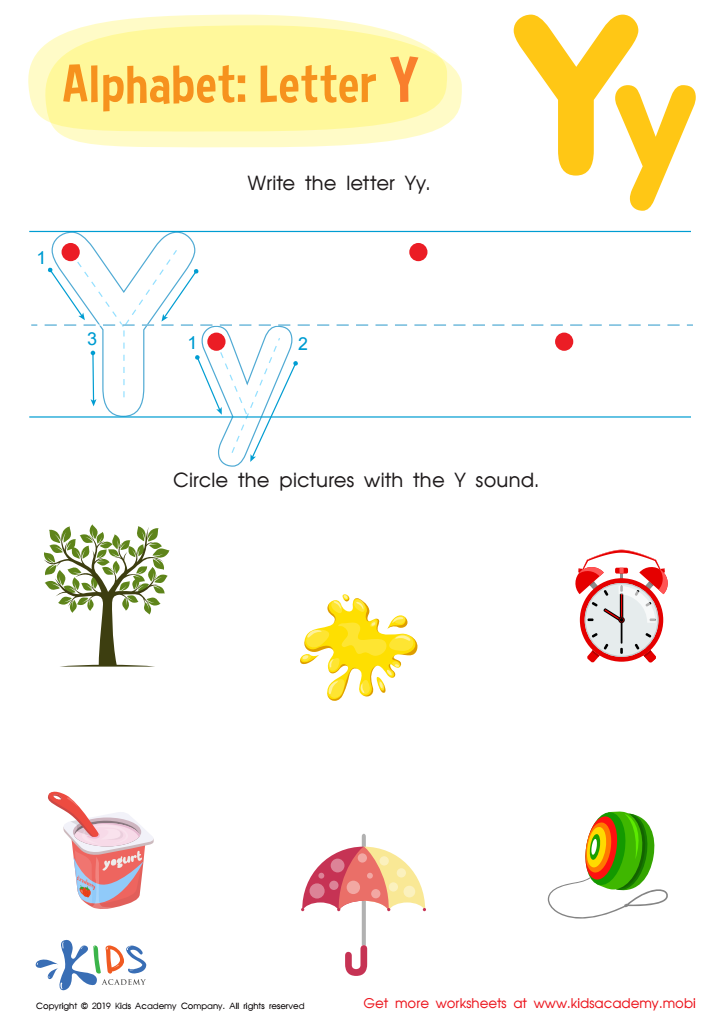
Letter Y Tracing Worksheet








Motor skills development and letter recognition are critical components of early childhood education, particularly for 4-year-olds. At this age, children are transitioning from toddlerhood to preschool, and both fine and gross motor skills are essential for their overall growth. Fine motor skills involve the coordination of small muscles, which are vital for tasks like writing, drawing, and manipulating objects. Developing these skills aids in letter recognition as children learn to hold crayons and write letters, fostering their cognitive and physical development in tandem.
Letter recognition is equally significant, as it lays the foundation for literacy. Recognizing letters helps children develop their reading and writing skills, empowering them to interact with print in their environment, from books to signs. This skill also enhances their vocabulary and comprehension, which are crucial for academic success later on.
Parents and teachers should prioritize nurturing these skills because they are interconnected; strengthening motor skills directly benefits letter recognition, and vice versa. By focusing on these areas, adults can give children the tools they need for successful learning, promoting confidence and enthusiasm for education. Ultimately, developing these foundational skills helps pave the way for future academic achievements and lifelong learning.







