Historical Knowledge 4th of July Worksheets for 4-Year-Olds
4 filtered results
Difficulty Level
Grade
Age
-
From - To
Subject
Activity
Standards
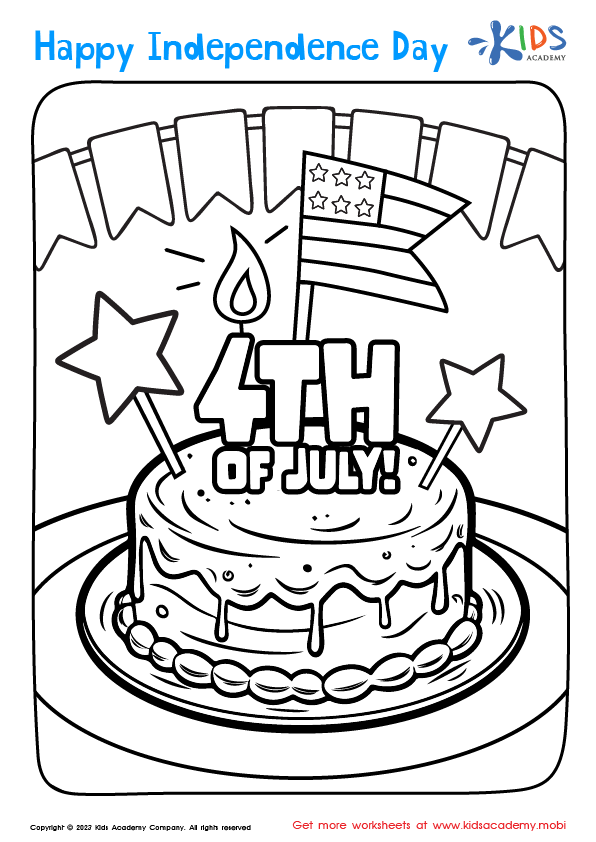
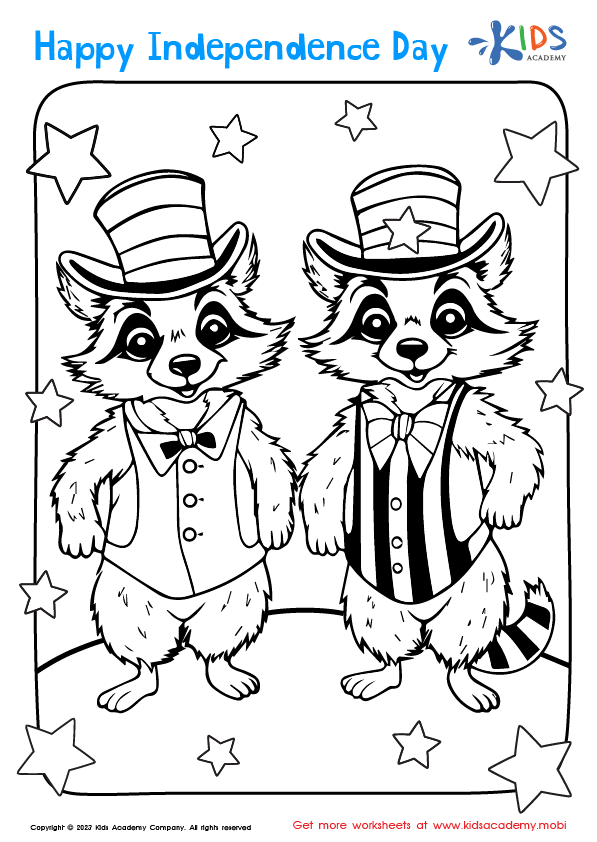
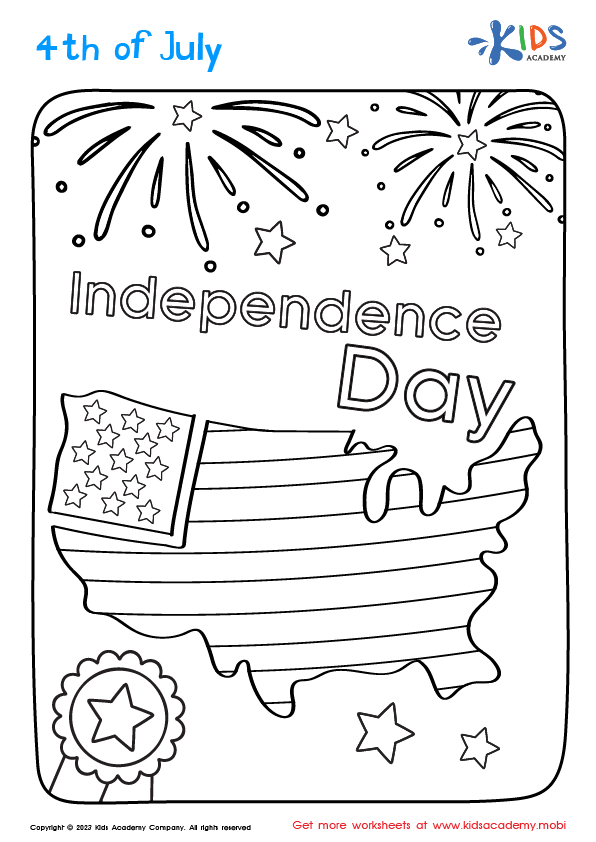
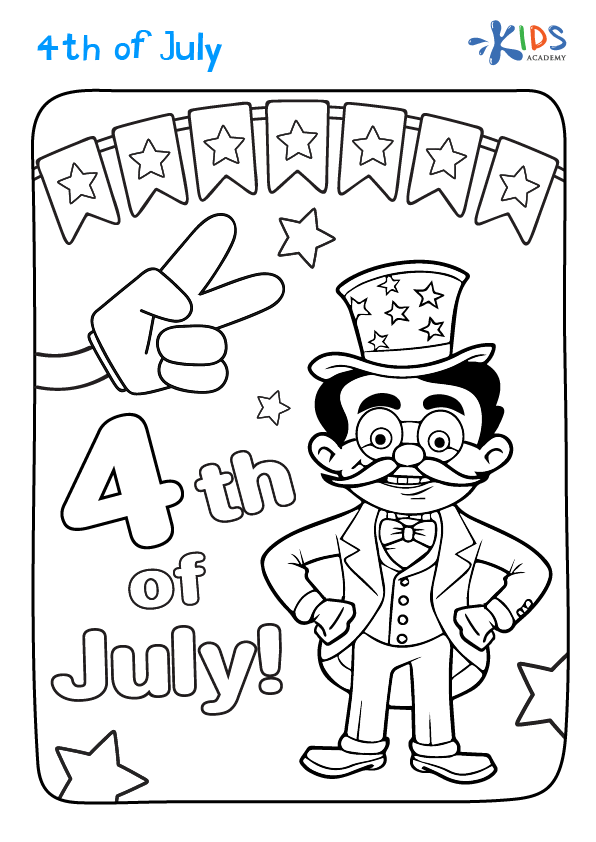
Discover our engaging "Historical Knowledge 4th of July Worksheets for 4-Year-Olds" designed to introduce young learners to the significance of Independence Day. These worksheets offer fun coloring pages, interactive activities, and age-appropriate exercises that help explain the history and celebration of the 4th of July in a way that captivates preschoolers. By exploring engaging visuals and simple concepts, children will develop an early appreciation for this important American holiday. Perfect for home or classroom use, our resources align with educational standards while fostering creativity and historical understanding in young minds. Celebrate Independence Day by enriching your child's learning journey today!
Favorites
With answer key
Interactive
Join Kids Academy for Free
Who is primarily going to use this learning content?



Teaching 4-year-olds about the Fourth of July and its historical significance cultivates a foundational understanding of American history and civic values. At this age, children's cognitive abilities and social awareness are beginning to develop, making it an ideal time to introduce concepts of freedom, independence, and community. Understanding the importance of Independence Day helps children connect with their cultural heritage and fosters a sense of belonging.
Learning about the Fourth of July also encourages curiosity and critical thinking. Through storytelling, songs, and age-appropriate activities, young children can engage with the reasons behind the celebration—such as the Declaration of Independence—while exploring themes of liberty and diversity. These lessons can be adapted to highlight the contributions of various groups in shaping American history, teaching empathy and respect for different perspectives.
Moreover, celebrating national holidays helps build responsible citizens who value their rights and responsibilities. It provides an opportunity for parents and teachers to engage in dialogue about community, democracy, and the spirit of cooperation. By nurturing this historical knowledge, families and educators empower young children to appreciate their identity and develop a lifelong love for learning about their country's history and values.