Color recognition 3 Little Pigs Worksheets for 4-Year-Olds
5 filtered results
-
From - To
Introduce your little ones to the vibrant world of colors with our engaging "Color Recognition 3 Little Pigs Worksheets" designed specifically for 4-year-olds! This fun and interactive worksheet set combines the beloved story of the Three Little Pigs with essential color recognition skills. Your child will explore a variety of colorful activities that help them identify and name different hues while reinforcing their imagination and creativity. Perfect for enhancing fine motor skills, the worksheets encourage independent learning and joyful participation. Download now and watch as your preschooler hones their color recognition skills while enjoying the delightful narrative of the Three Little Pigs!
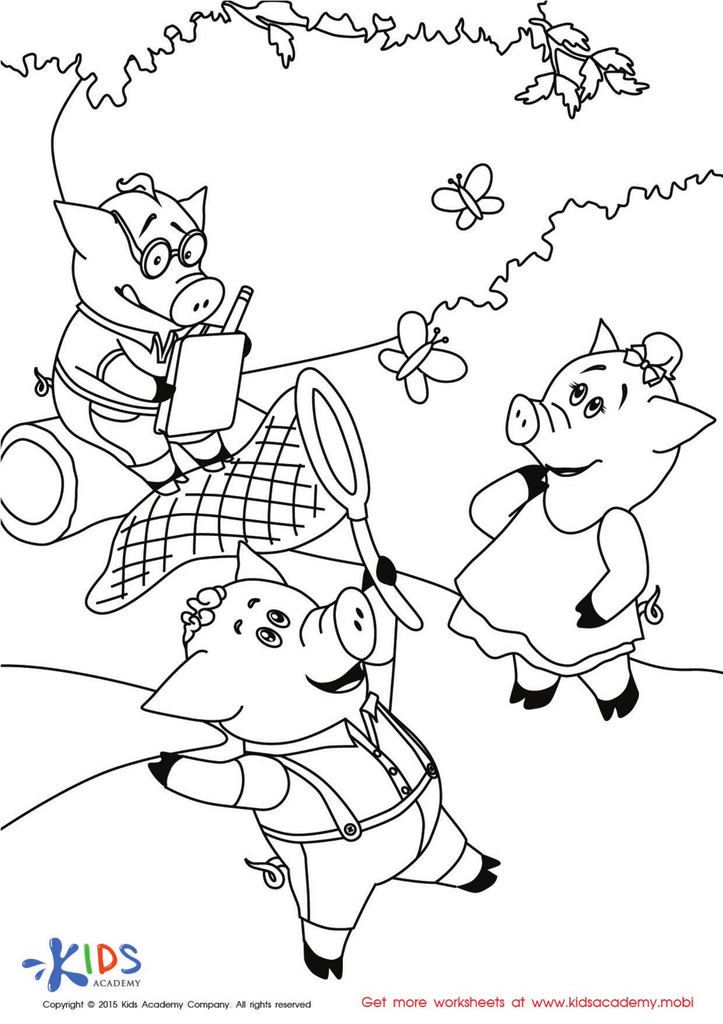
The Three Little Pigs Coloring Worksheet
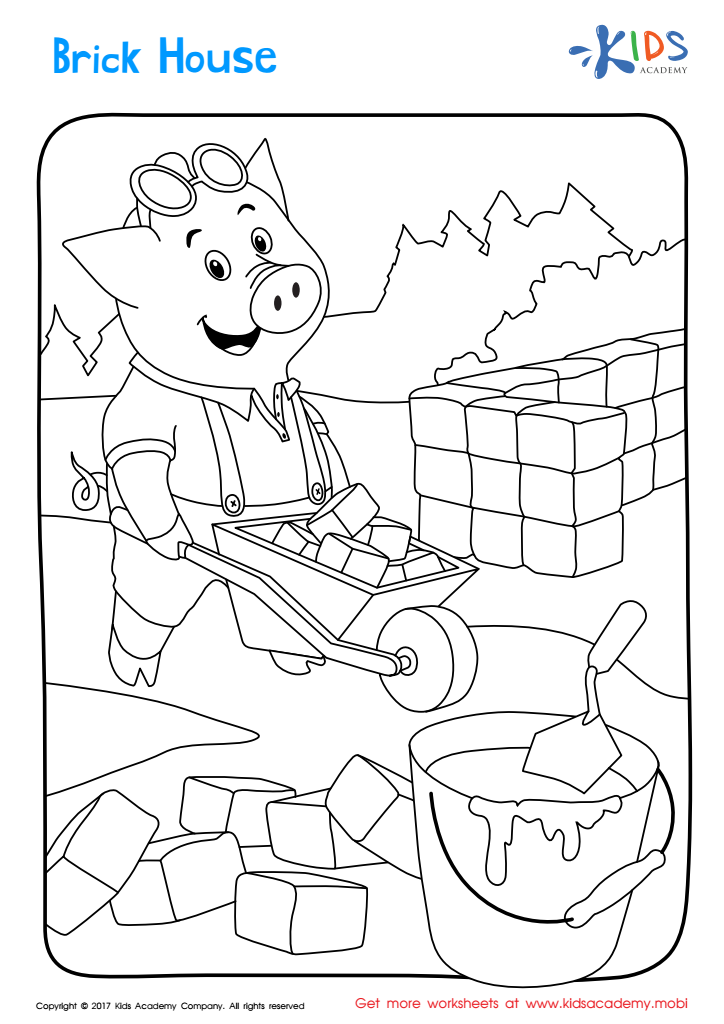
Brick House Printable Coloring Page
 Assign to My Students
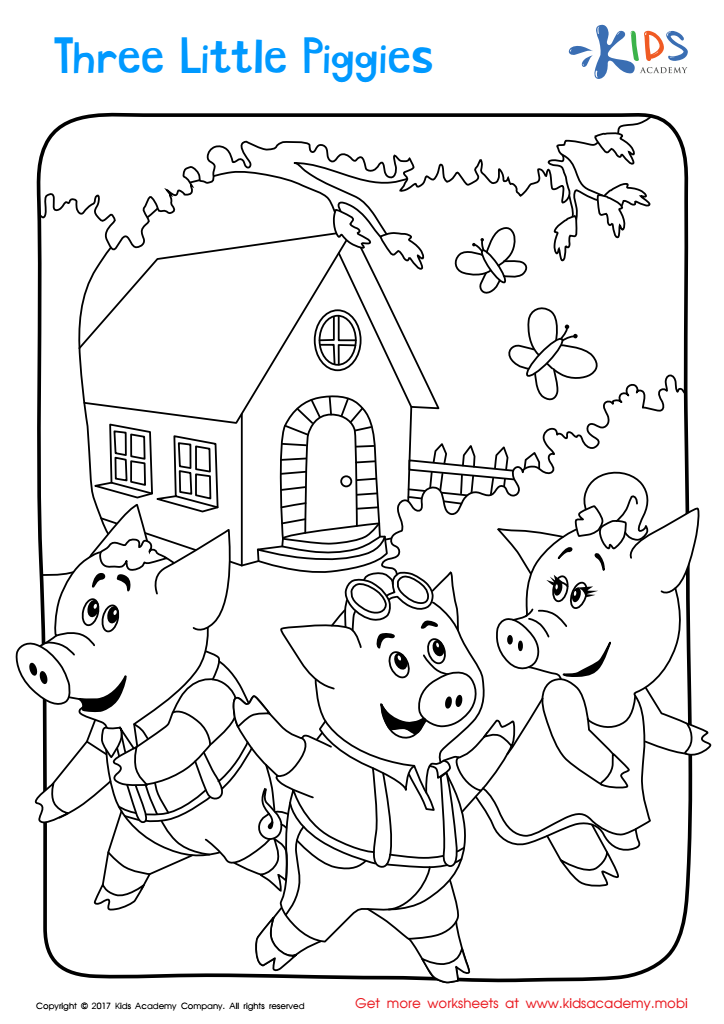
Three Little Piggies Printable Coloring Page
Assign to My Students
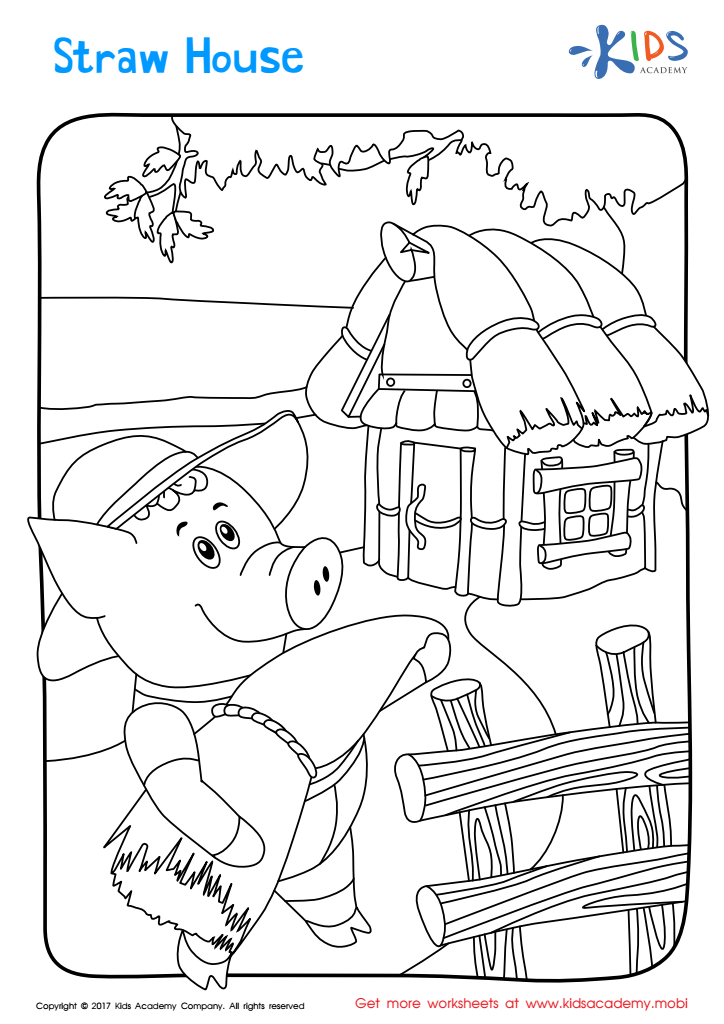
Straw House Printable Coloring Page
Assign to My Students
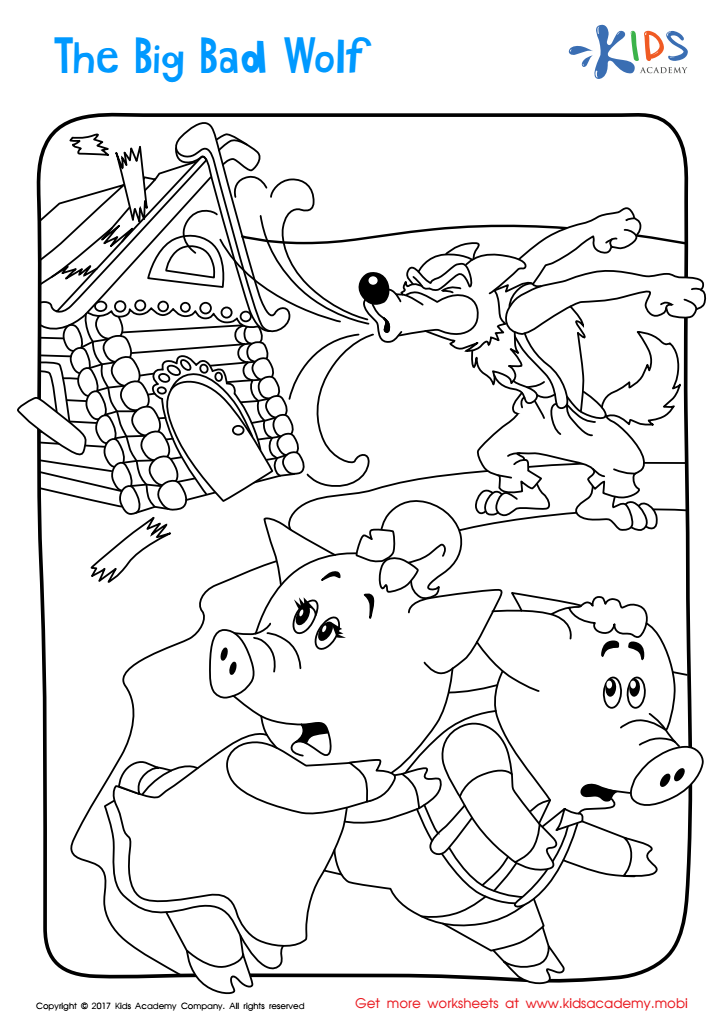
Big Bad Wolf Printable Coloring Page
Assign to My Students


Color recognition is a foundational skill for young learners, playing a critical role in their cognitive development and everyday experiences. For 4-year-olds, incorporating color recognition into engaging stories like "The Three Little Pigs" captures their interest and enhances learning. This beloved tale provides an opportunity for children to identify different colors associated with each pig's house—straw, sticks, and bricks—making the learning experience fun and memorable.
Parents and teachers should care about this skill because color recognition facilitates language development, visual discrimination, and early mathematics through comparisons and sorting. Recognizing colors also enhances creativity, as children tie emotions and descriptions to vibrant hues when discussing the story and their artwork.
Moreover, mastering color recognition builds a bridge to future educational success. It equips children with the tools necessary for following instructions, participating in group activities, and engaging in playful interactions. By integrating color recognition within a familiar narrative like "The Three Little Pigs," adults can create a rich, multisensory learning environment that fosters curiosity, imagination, and essential skills—all of which contribute to a well-rounded early education. Ultimately, nurturing this important developmental milestone holds significance for both emotional and academic growth.