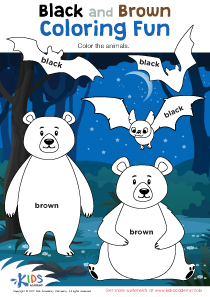
Alphabet Learning English for Beginners Worksheets for 4-Year-Olds
3 filtered results
-
From - To
Unlock the world of literacy with our "Alphabet Learning English for Beginners Worksheets for 4-Year-Olds." Designed with young learners in mind, these engaging worksheets make learning the alphabet both fun and effective. Each printable features colorful illustrations and interactive activities that help children recognize, trace, and pronounce letters. Perfect for early learners, these resources support foundational skills in reading and writing, ensuring a smooth start to their educational journey. Give your little ones the gift of confident communication and a love for learning with our expertly crafted alphabet worksheets. Explore now and watch their skills flourish!
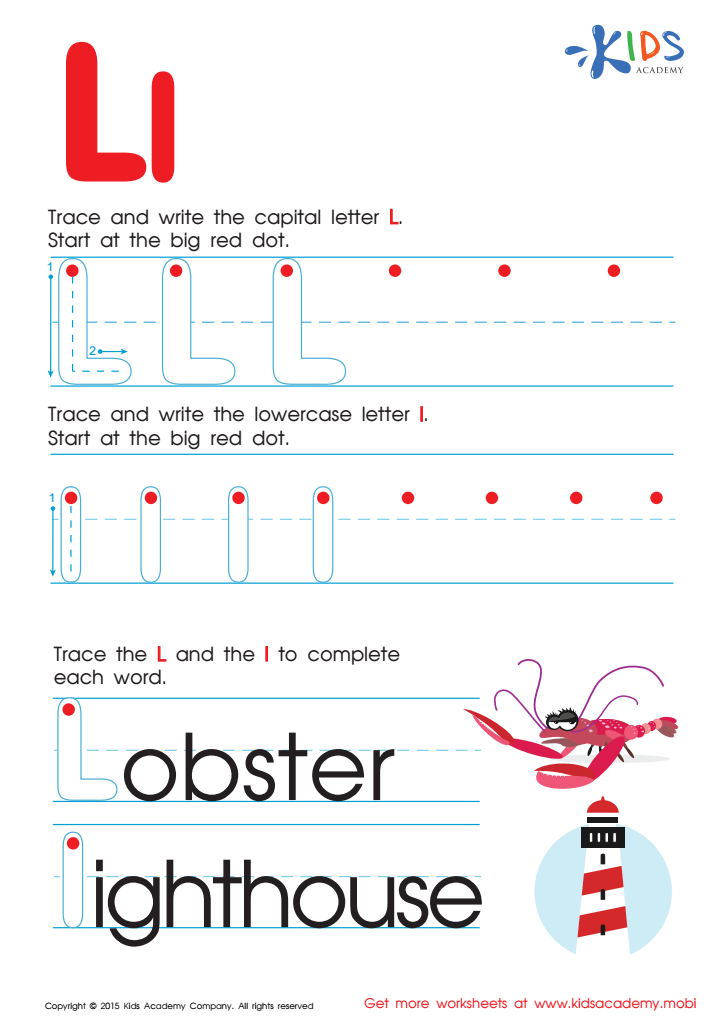
Letter L Tracing Page
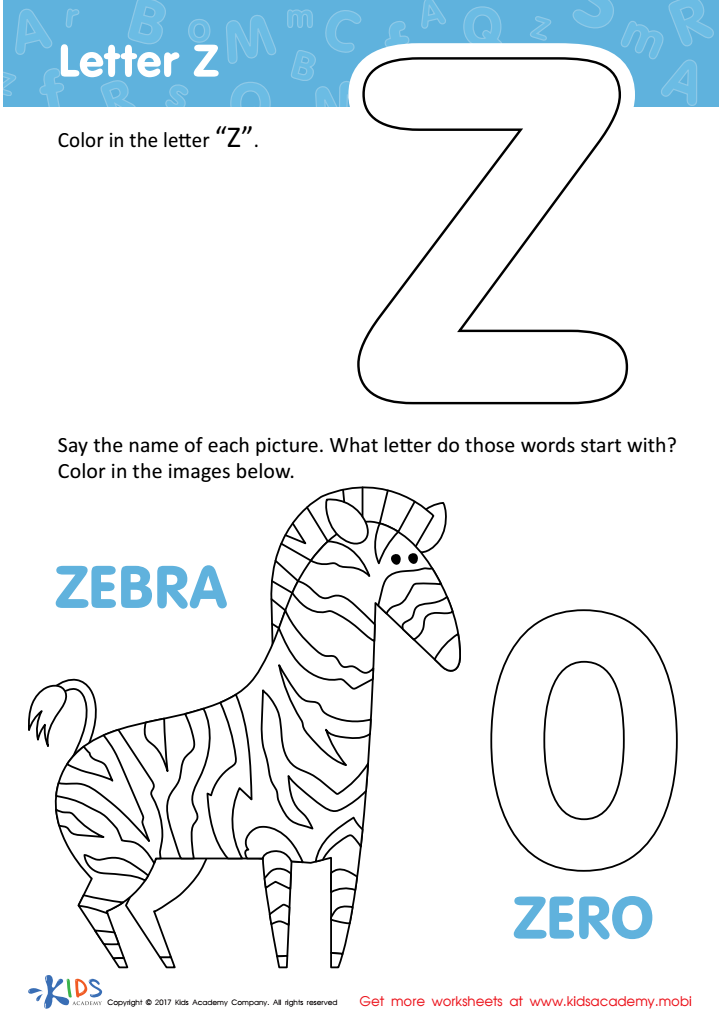
Letter Z Coloring Sheet
 Assign to My Students
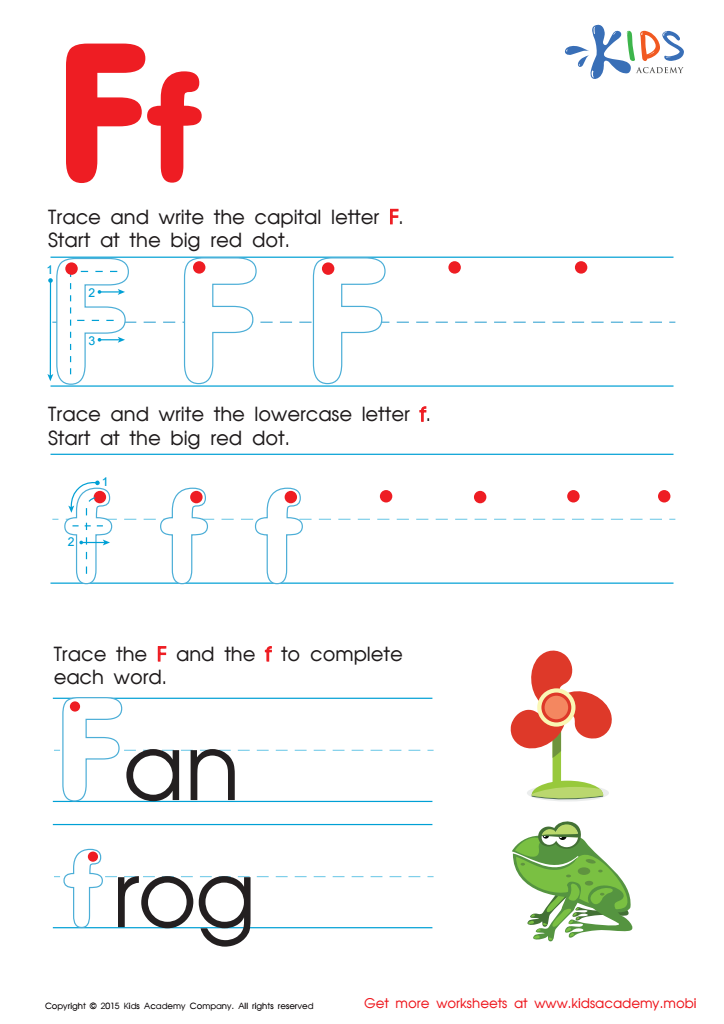
Letter F Tracing Page





Alphabet Learning English for beginners, specifically designed for 4-year-olds, is crucial in laying a robust foundation for future literacy skills. At this tender age, children's brains are remarkably receptive and undertake significant development, making it the optimal period for introducing fundamental concepts. Parents and teachers should prioritize alphabet learning because it kick starts cognitive growth and language acquisition, which are pivotal for reading and writing proficiency.
Understanding letters and their corresponding sounds is a preliminary step towards phonemic awareness. This awareness is instrumental in helping children decode new words, facilitating smoother and more confident reading progress. Moreover, familiarity with the alphabet cultivates a love for reading, opening up endless possibilities for learning and exploration.
Early exposure to the alphabet also aids memory improvement and enhances focus, vital skills beneficial across various domains of learning. Alphabet lessons can be made enjoyable and engaging through playful activities, ensuring that children remain eager and motivated. Additionally, alphabet learning supports social skills development by involving group-based learning and interactive play, fostering avenues for friendships and collaborative skill-building.
Ultimately, prioritizing alphabet learning for 4-year-olds ensures they are well-equipped for academic success, nurturing a confident, competent, and curious young learner.