Alphabet understanding English for Beginners Worksheets for 4-Year-Olds
5 filtered results
-
From - To
Boost your child's early literacy with our "Alphabet Understanding English for Beginners Worksheets for 4-Year-Olds". These engaging, age-appropriate printables are designed to introduce young learners to the English alphabet in a fun and interactive way. Focusing on letter recognition, phonics, and basic skills, our worksheets support beginners in mastering alphabet fundamentals. Perfect for preschool preparation, these resources cultivate confidence and enthusiasm in reading and writing, laying a strong foundation for future language development. Encourage your little one’s educational journey today with these carefully structured, easy-to-follow activities that make learning exciting!
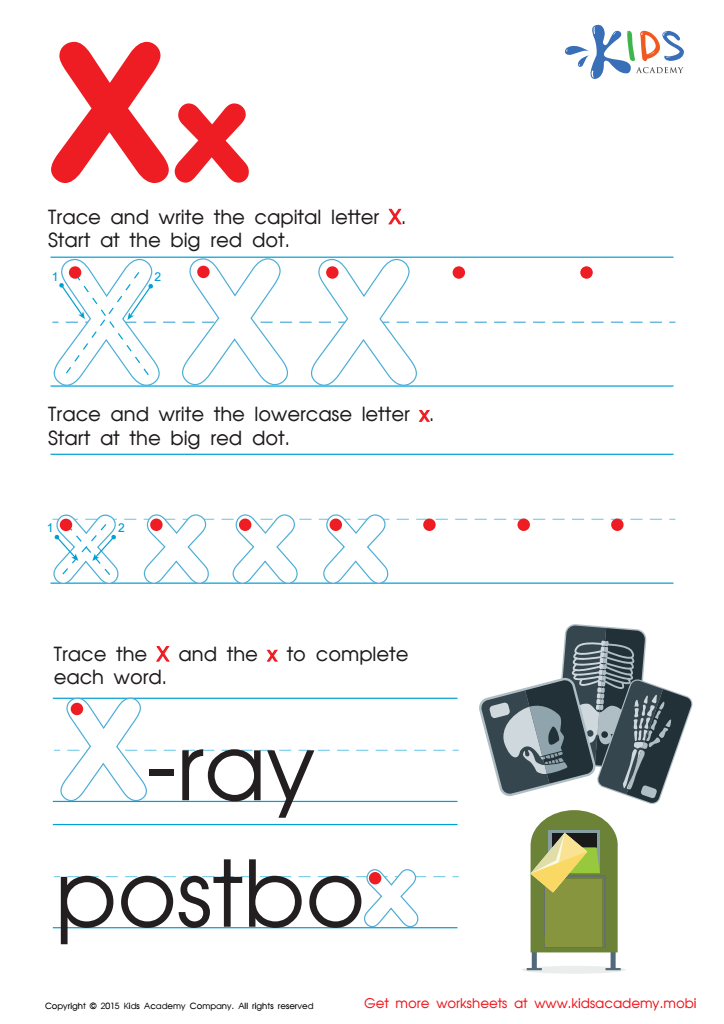
Letter X Tracing Page
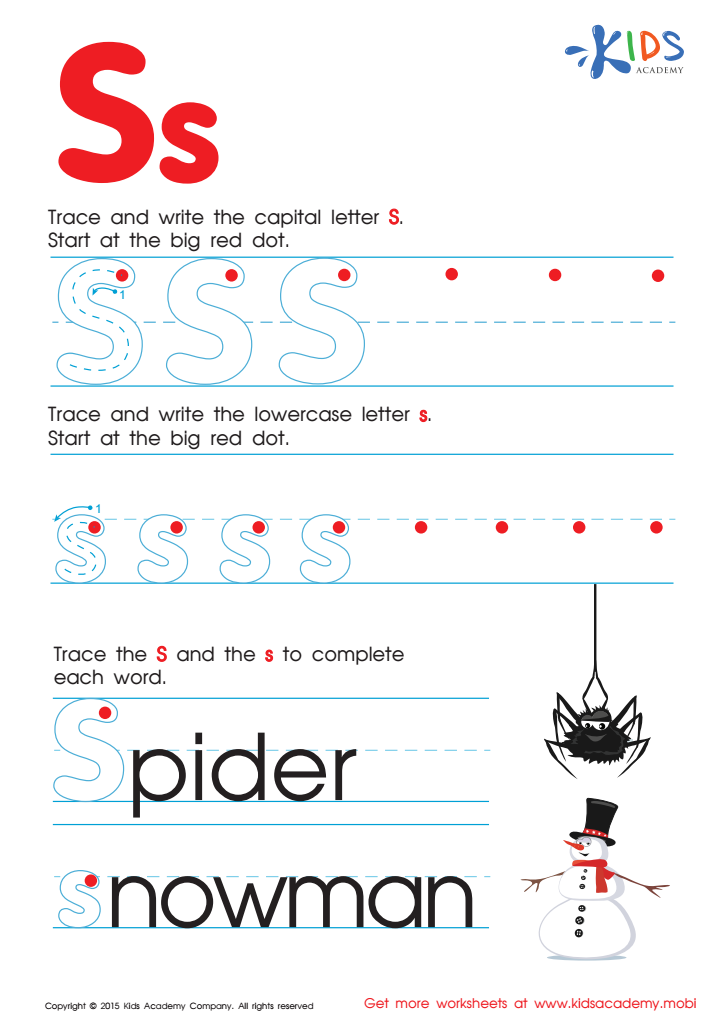
Letter S Tracing Page
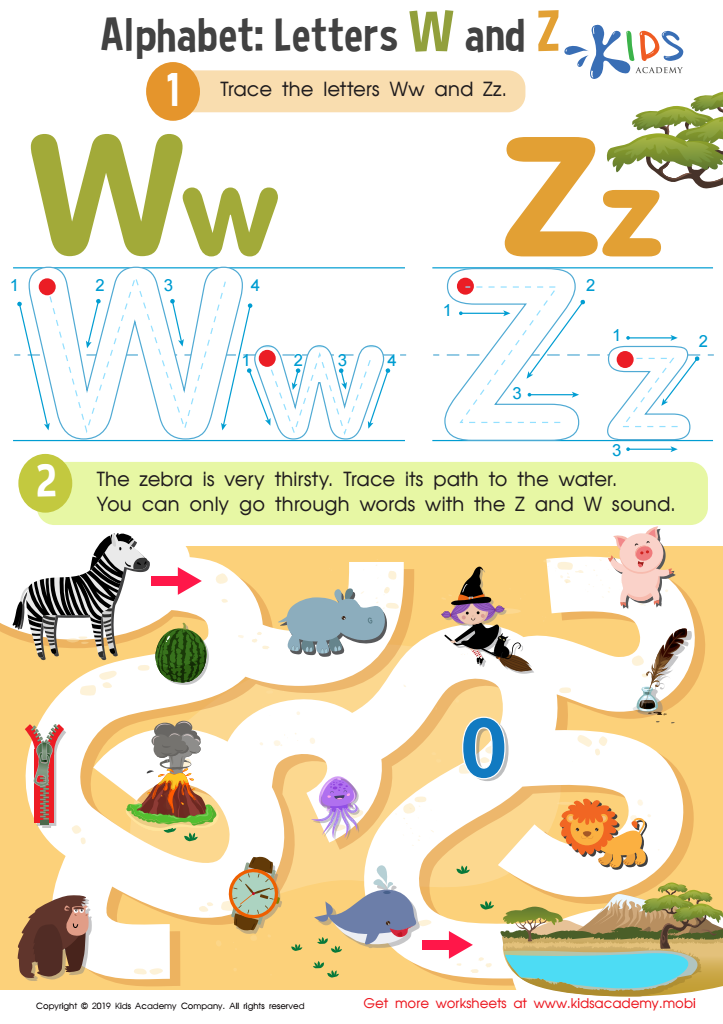
Letters W and Z Tracing Worksheet
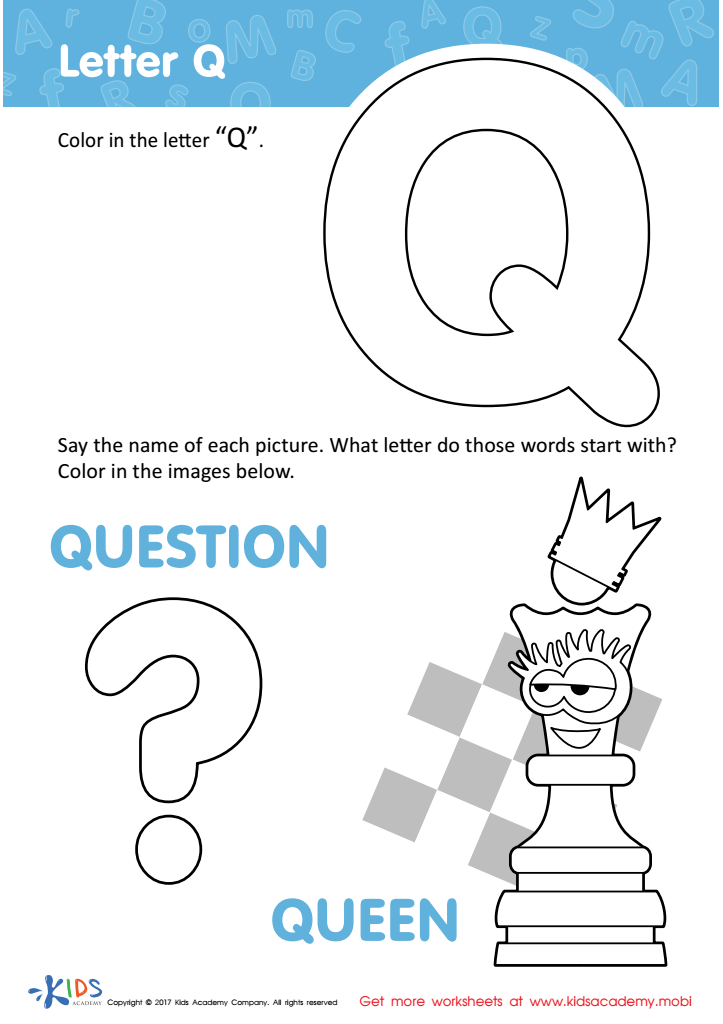
Letter Q Coloring Sheet
 Assign to My Students
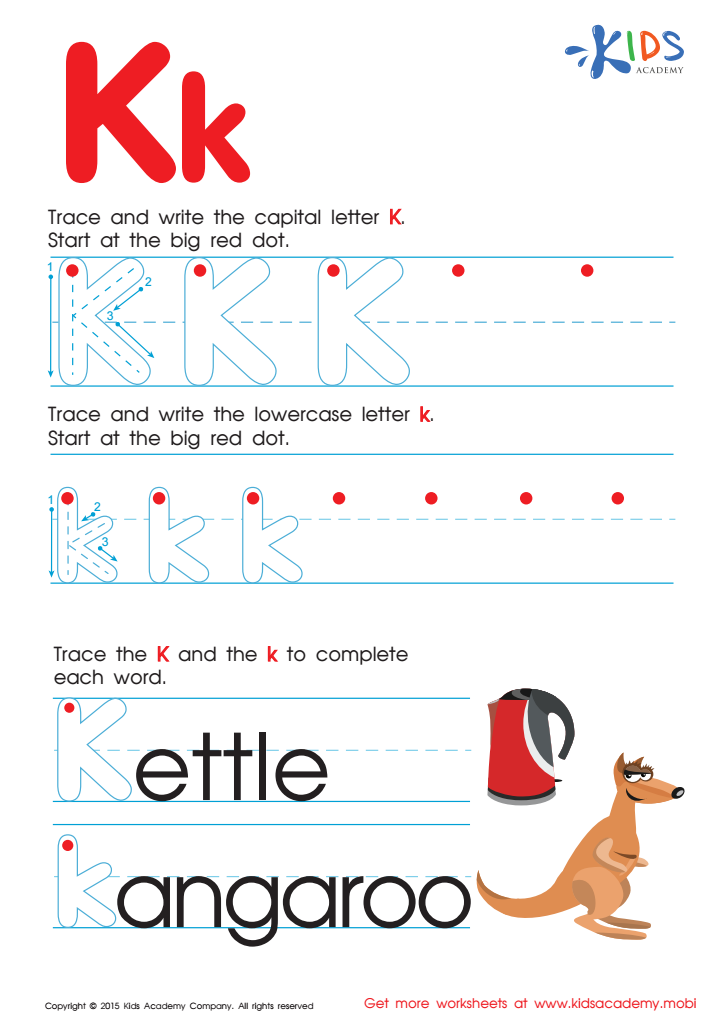
Letter K Tracing Page





Alphabet understanding is a crucial foundational skill for young learners, especially for 4-year-olds who are at the cusp of their educational journey. For parents and teachers, fostering alphabet recognition in this age group sets the stage for future academic success. Here's why it matters:
-
Reading Readiness: Comprehending the alphabet is the first step towards reading proficiency. It enables young children to associate letters with sounds, an essential component of phonics. This skill lays the groundwork for word recognition, comprehension, and fluency.
-
Communication Skills: Knowing the alphabet helps children understand that letters form words which convey meaning. This understanding is vital for developing speaking, listening, and eventually, writing skills, allowing children to express themselves more effectively.
-
Cognitive Development: Engaging with the alphabet enhances memory and attention to detail. Activities like singing the alphabet song or tracing letters strengthen neural connections, aiding overall cognitive development, including problem-solving and logical thinking.
-
Confidence Building: Mastering the alphabet can give young children a sense of achievement and boost their confidence. Early successes in learning foster a positive attitude toward education and create a lifelong love for learning.
-
Future Academic Success: A strong grasp of the alphabet is linked to better performance in subsequent educational stages. Early literacy skills predict later literacy and number skills, emphasizing the importance of starting early.
Investing time and effort in teaching 4-year-olds the alphabet is a strategic move towards shaping well-rounded, capable, and confident learners.