Basic Arithmetic Worksheets for 4-Year-Olds - Page 3
51 filtered results
-
From - To
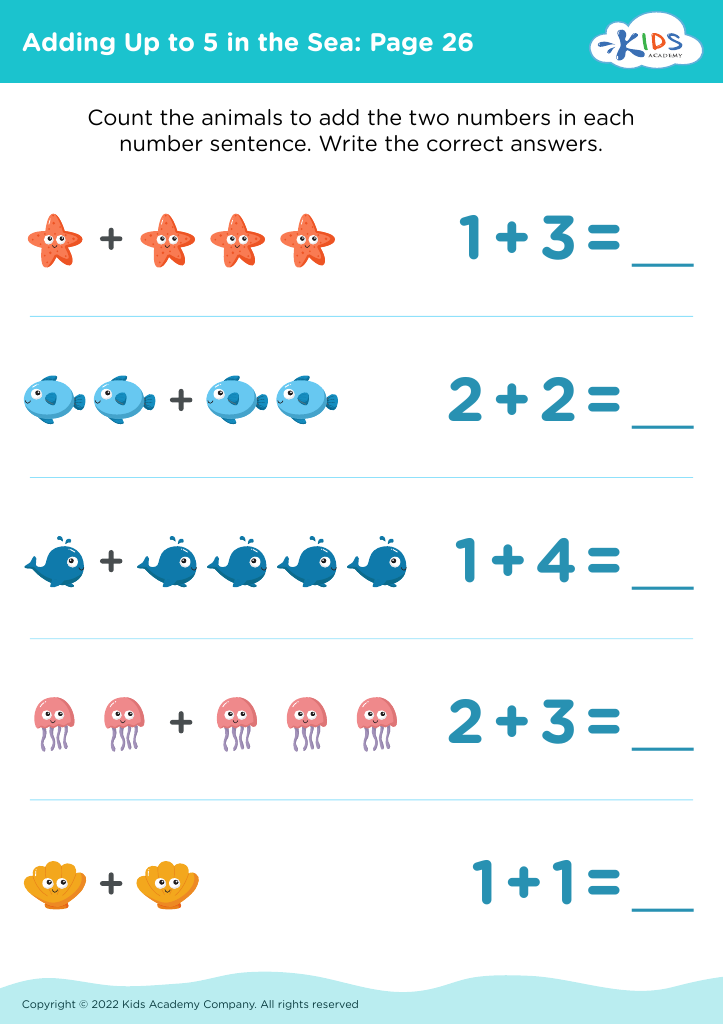
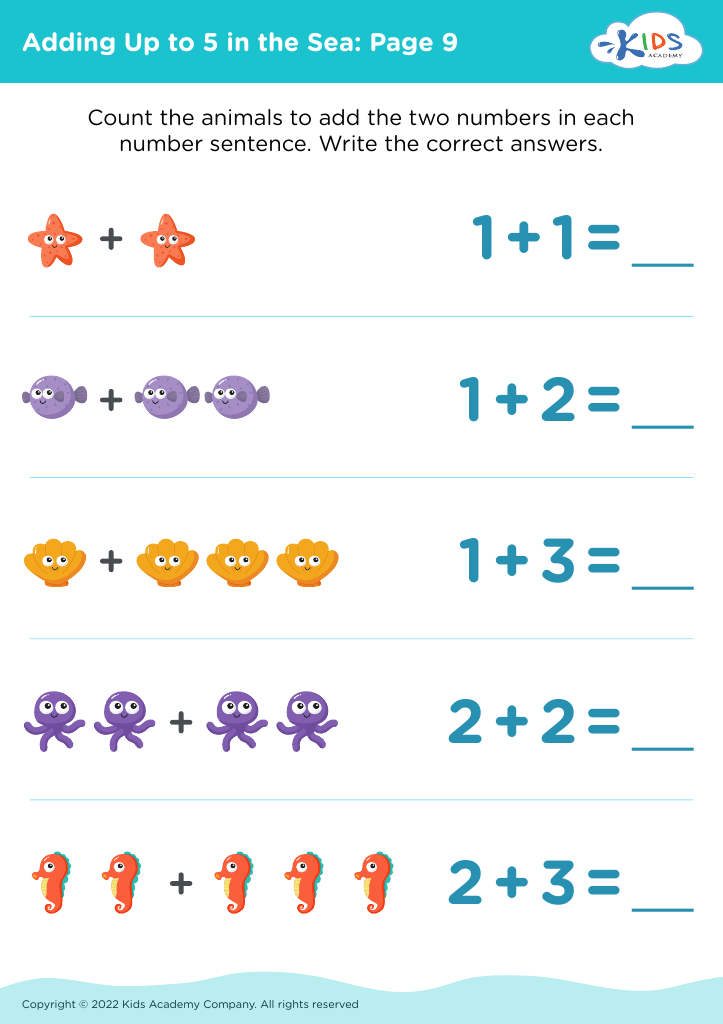
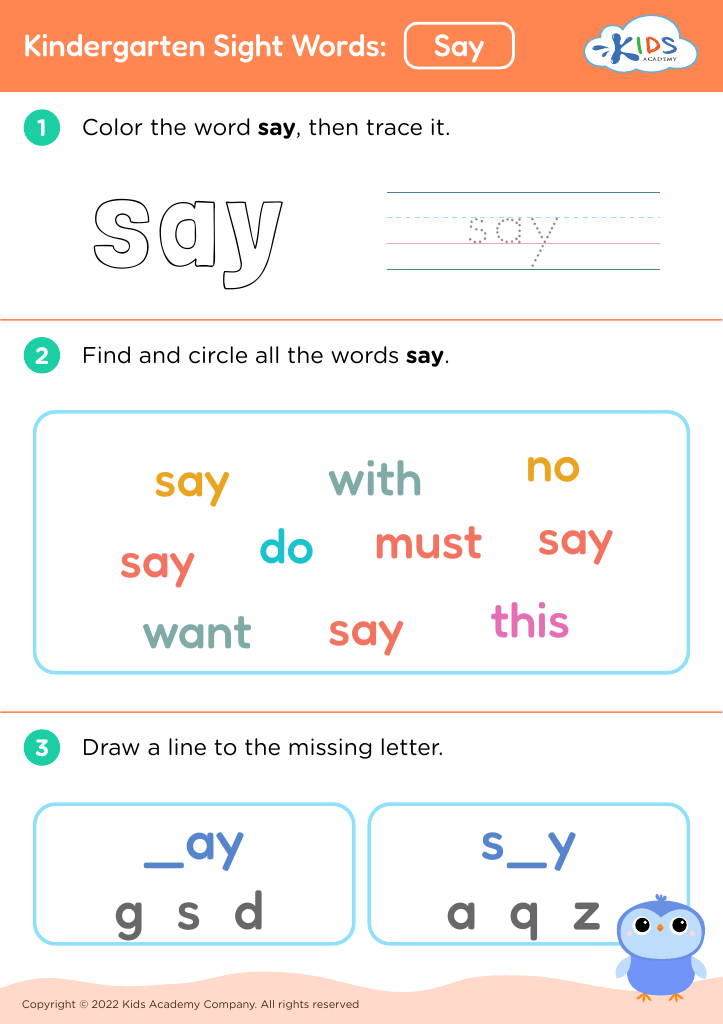







Teaching basic arithmetic to 4-year-olds plays a crucial role in their cognitive development and future academic success. At this age, children are naturally curious and eager to explore numbers, making it an ideal time to introduce fundamental concepts like counting, addition, and subtraction. Engaging young learners in basic arithmetic cultivates strong foundational skills that pave the way for more complex mathematical understanding later on.
Moreover, early exposure to math fosters critical thinking and problem-solving abilities. Through playful activities involving counting objects, sorting shapes, or simple number games, children begin to grasp numerical relationships, enhancing their analytical skills. This foundational knowledge not only benefits their math proficiency but also boosts confidence and a positive attitude towards learning.
Additionally, incorporating arithmetic into daily routines, such as counting fruits during snack time or sharing toys equally, helps children connect abstract concepts to real-world experiences. This relevance fosters a love for learning and supports their social and emotional development. Ultimately, understanding basic arithmetic early on contributes significantly to a child's overall growth, nurturing lifelong learners who are well-prepared to tackle more advanced subjects in school. Thus, parents and teachers should prioritize these foundational skills to equip children for future academic endeavors.








