Letter recognition Worksheets for 4-Year-Olds - Page 5
99 filtered results
-
From - To
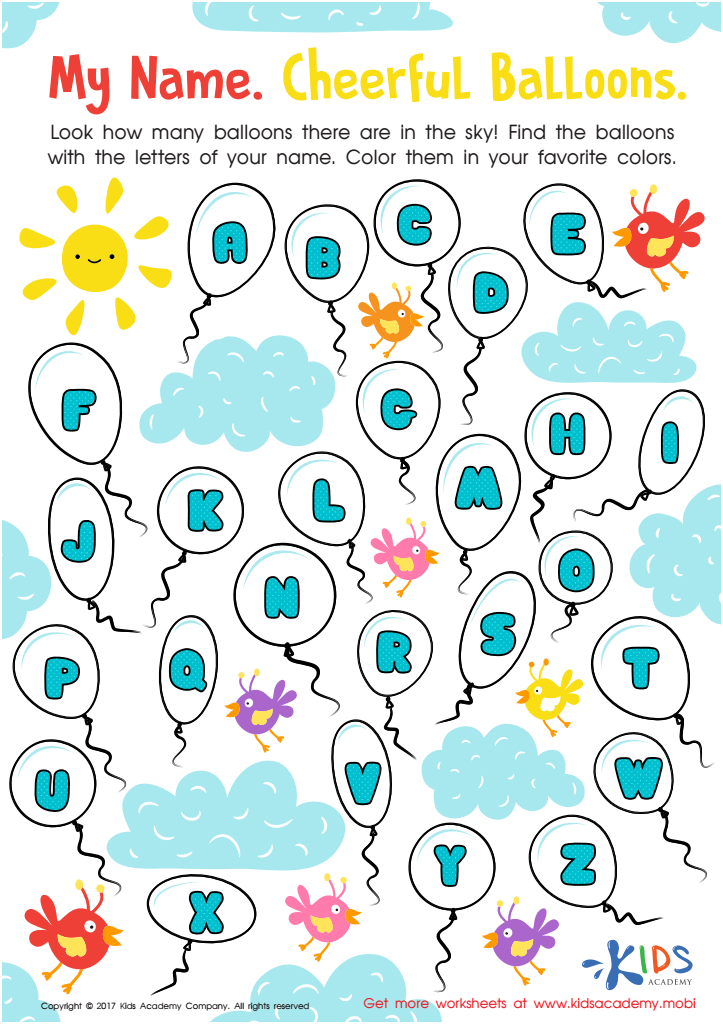
My Name: Cheerful Balloons Worksheet
 Assign to My Students
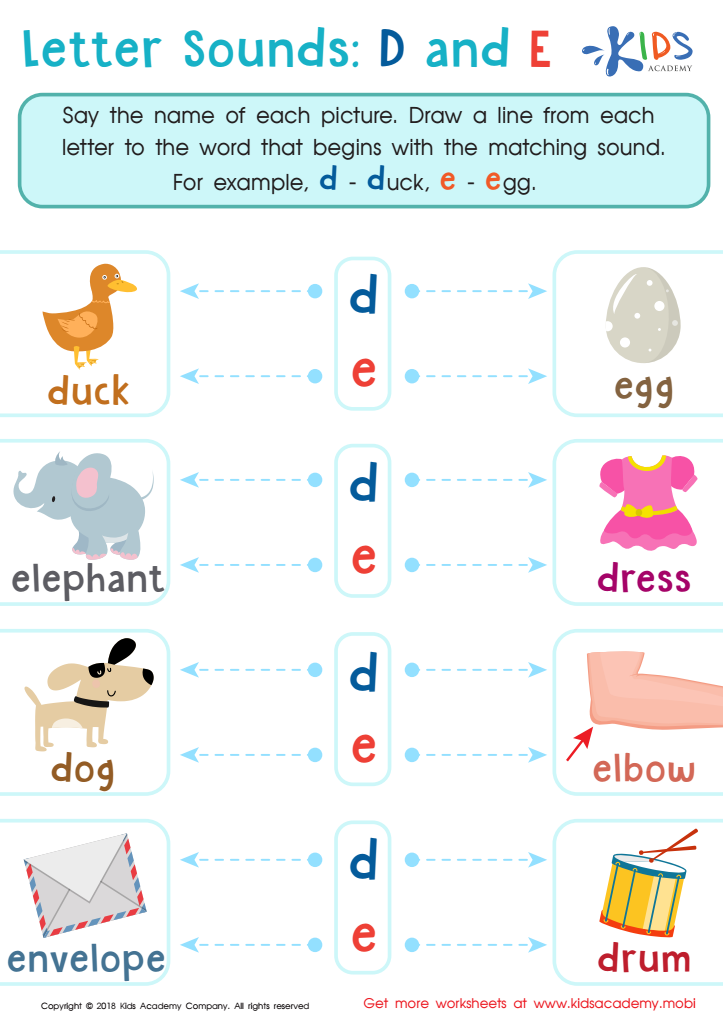
Letter D and E Sounds Worksheet
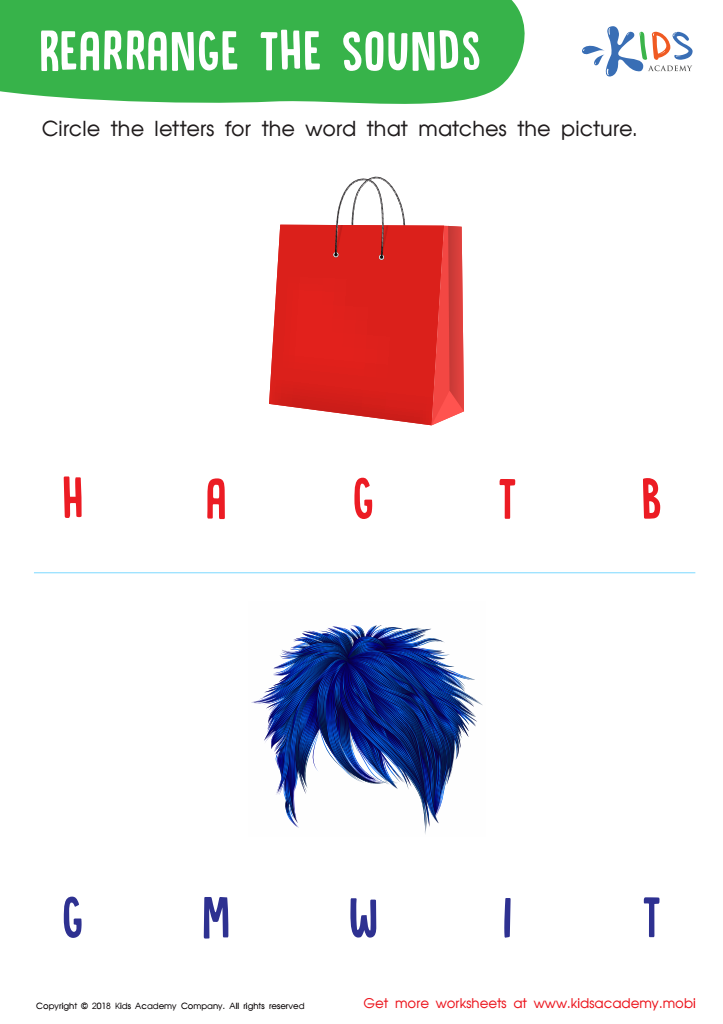
Rearrange the Sounds Worksheet







.jpg)
Letter recognition is a crucial early literacy skill and should be a primary focus for parents and teachers caring for 4-year-olds. Firstly, recognizing letters is the foundation of reading and writing; it helps children understand that letters represent sounds that form words. This early competency is instrumental in developing phonemic awareness, where children learn to connect letters with their corresponding sounds, a key step towards reading fluency.
Early letter recognition also promotes cognitive development. Recognizing, differentiating, and remembering various letters enhances a child's memory, attention span, and pattern recognition abilities. These cognitive skills are not only beneficial for literacy but also for overall academic success.
Furthermore, familiarity with letters boosts a child's confidence and enthusiasm for learning. When children know their letters, they feel more capable during early reading activities, fostering a positive attitude towards education.
Additionally, early letter recognition is integrally connected to language development. As children recognize and name letters, they expand their vocabulary and improve their ability to articulate words. This sets a solid groundwork for effective communication skills essential for social and academic interactions.
Neglecting letter recognition can lead to difficulties in learning how to read, impeding a child's educational progress. Therefore, parents and teachers should invest time and resources in playful and engaging ways to help 4-year-olds develop strong letter recognition skills, ensuring a successful start in their literacy journey.








