Pre-writing skills Worksheets for 4-Year-Olds
5 filtered results
-
From - To
Discover engaging Pre-writing Skills Worksheets for 4-Year-Olds, designed to foster essential foundational abilities in young learners. Our worksheets, crafted by educational experts, feature fun activities that improve hand-eye coordination, fine motor skills, and pen control. They provide the ideal preparation for future writing by incorporating tracing shapes, lines, patterns, and more. Perfect for preschool or home practice, these worksheets transform learning into an enjoyable adventure, helping children develop the confidence and skills needed for successful writing. Give your child a head start in their educational journey with our pre-writing exercises!
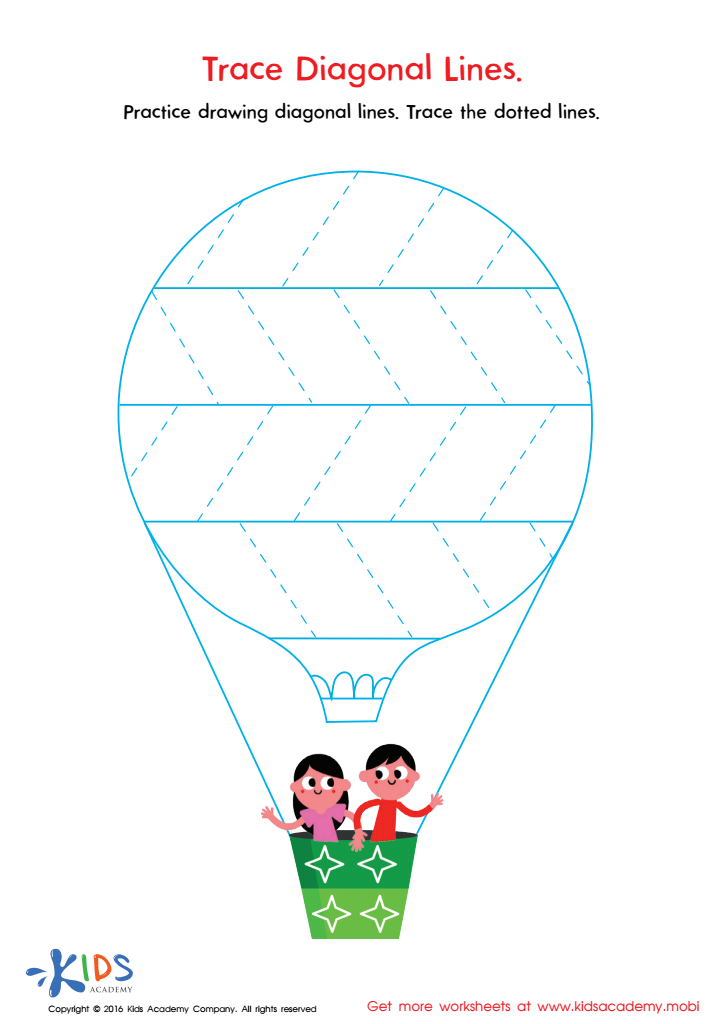
Trace Diagonal Lines Worksheet
 Assign to My Students
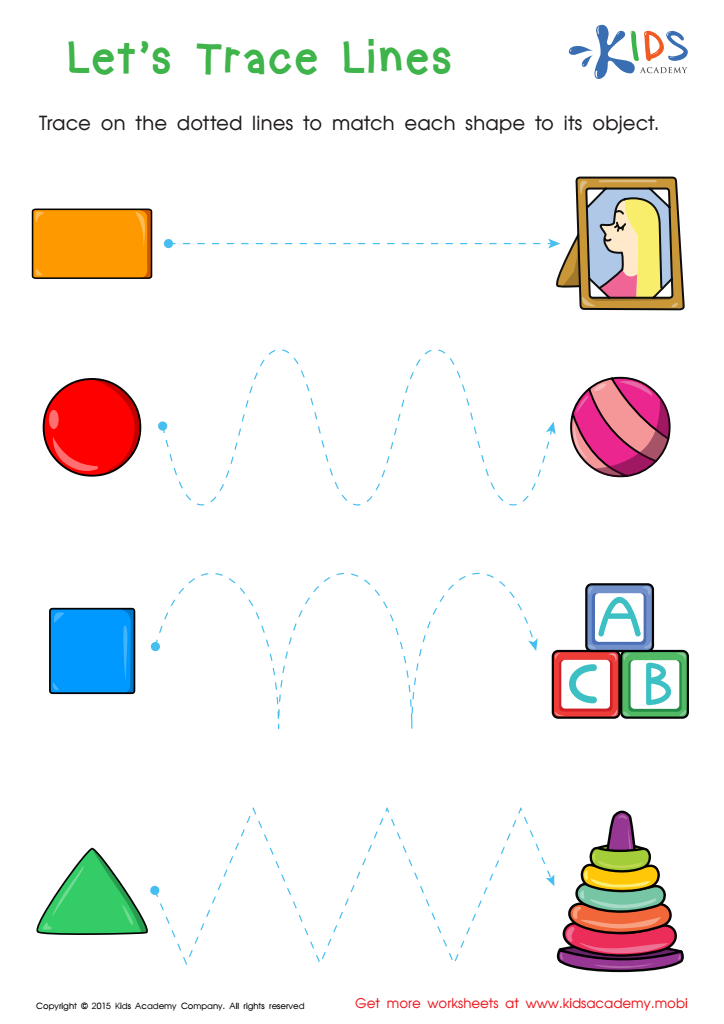
First Words: Let's Trace Lines Worksheet
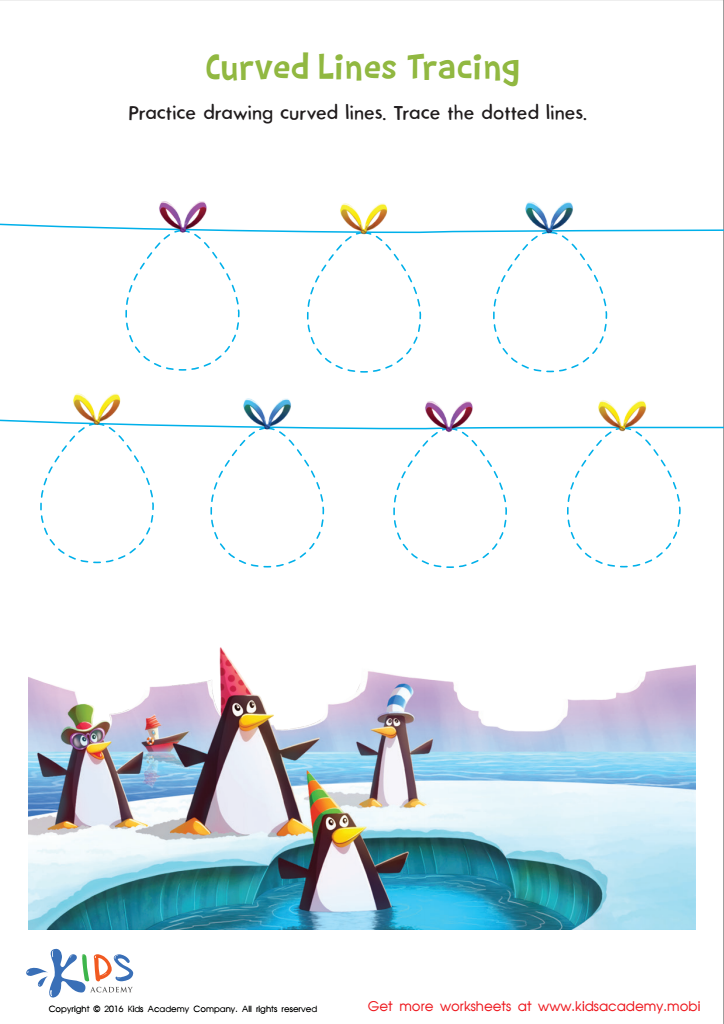
Curved Lines Tracing Worksheet
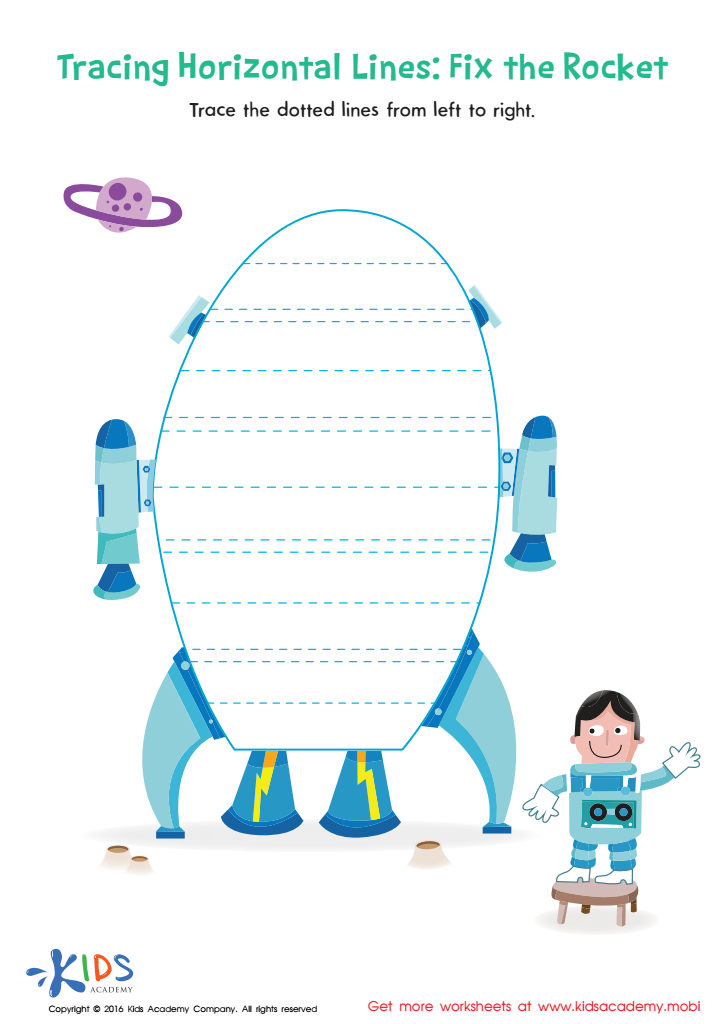
Tracing Horizontal Lines Worksheet

Tracing Lines Worksheet




.jpg)


Pre-writing skills are foundational for young children, serving as building blocks for future academic success and proficiency in writing. For 4-year-olds, these skills encompass a range of activities that develop fine motor control, hand-eye coordination, and cognitive abilities crucial for writing letters and numbers.
Parents and teachers play a vital role in fostering these skills through engaging, playful, and developmentally appropriate activities. Improving fine motor skills, such as picking up small objects, using scissors, or tracing shapes, helps children gain the strength and coordination needed to hold and maneuver a pencil or crayon effectively. These activities not only support writing readiness but also enhance overall dexterity and control, which are essential for daily tasks such as buttoning clothes or tying shoes.
Moreover, pre-writing activities stimulate cognitive growth by encouraging children to recognize shapes, patterns, and directional concepts like top-to-bottom and left-to-right, which are fundamental for reading and writing. Early engagement with these skills can prevent potential frustration and boost confidence as children enter formal schooling. Promoting pre-writing skills in a nurturing and supportive environment fosters a love for learning and sets a solid foundation for educational achievement, making it crucial for both parents and teachers to prioritize this stage of development.








