Recognizing Patterns Worksheets for 4-Year-Olds
6 filtered results
-
From - To
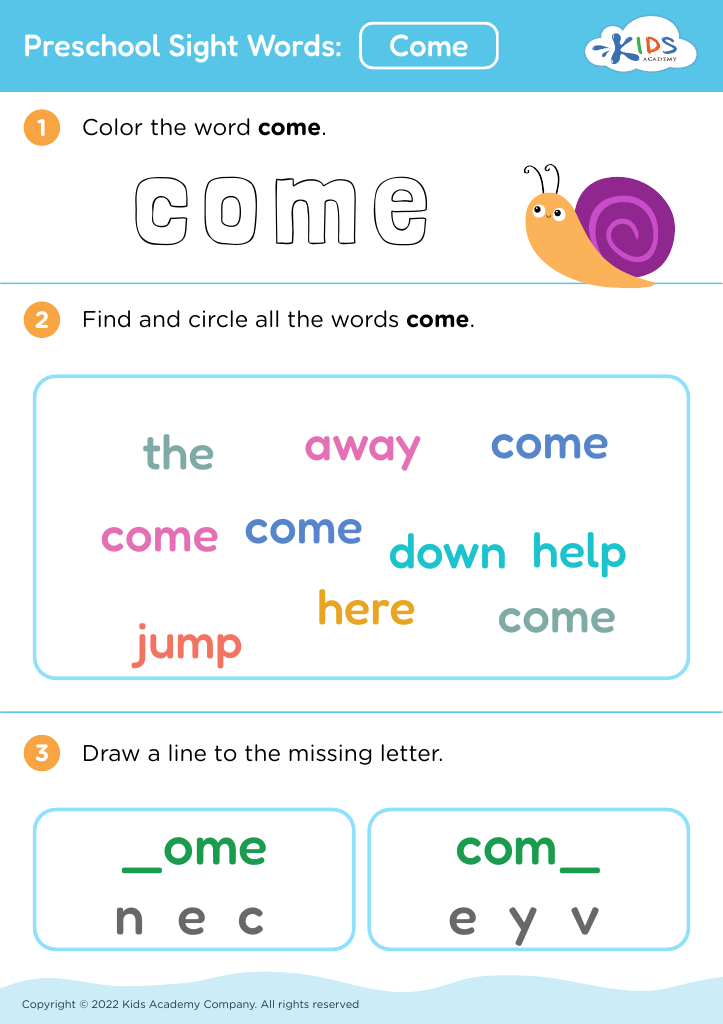
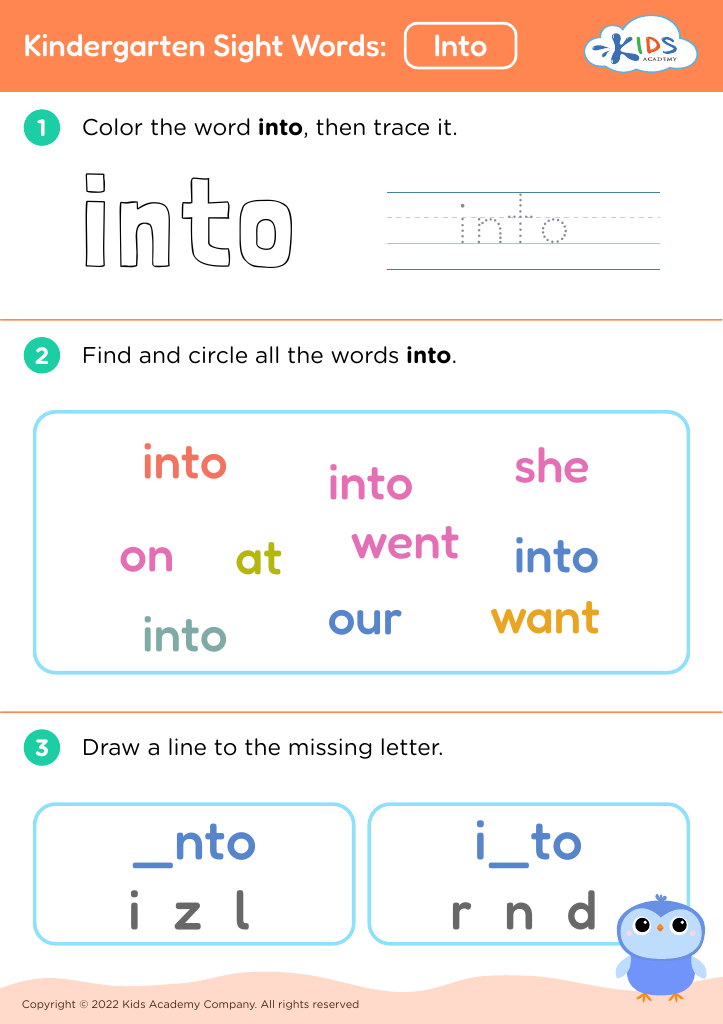
Unlock your child's potential with our "Recognizing Patterns Worksheets for 4-Year-Olds." Designed specifically for preschoolers, these engaging activities help young learners identify and continue simple patterns using shapes, colors, and objects. Our worksheets incorporate fun and interactive tasks that stimulate critical thinking and enhance problem-solving skills. With vibrant illustrations and step-by-step instructions, Kids Academy makes learning seamless and enjoyable. Perfect as at-home practice or supplementary preschool materials, our resources build foundational skills, setting the stage for a lifelong love of learning. Explore today and help your child develop essential early math concepts through playful, hands-on discovery!
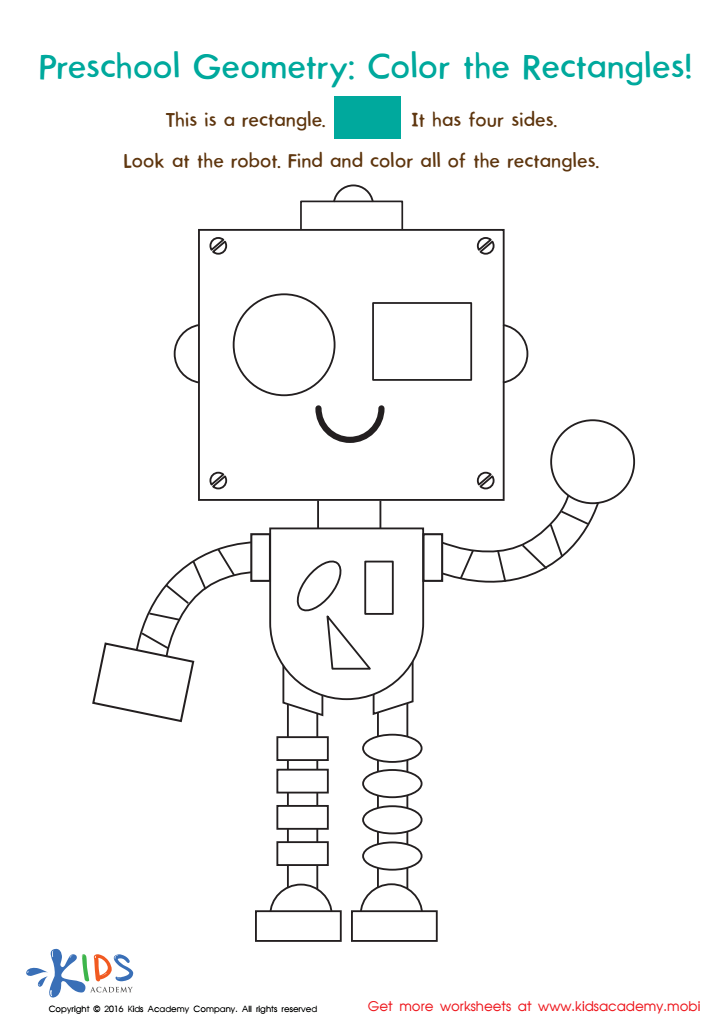
Geometry Worksheet
 Assign to My Students
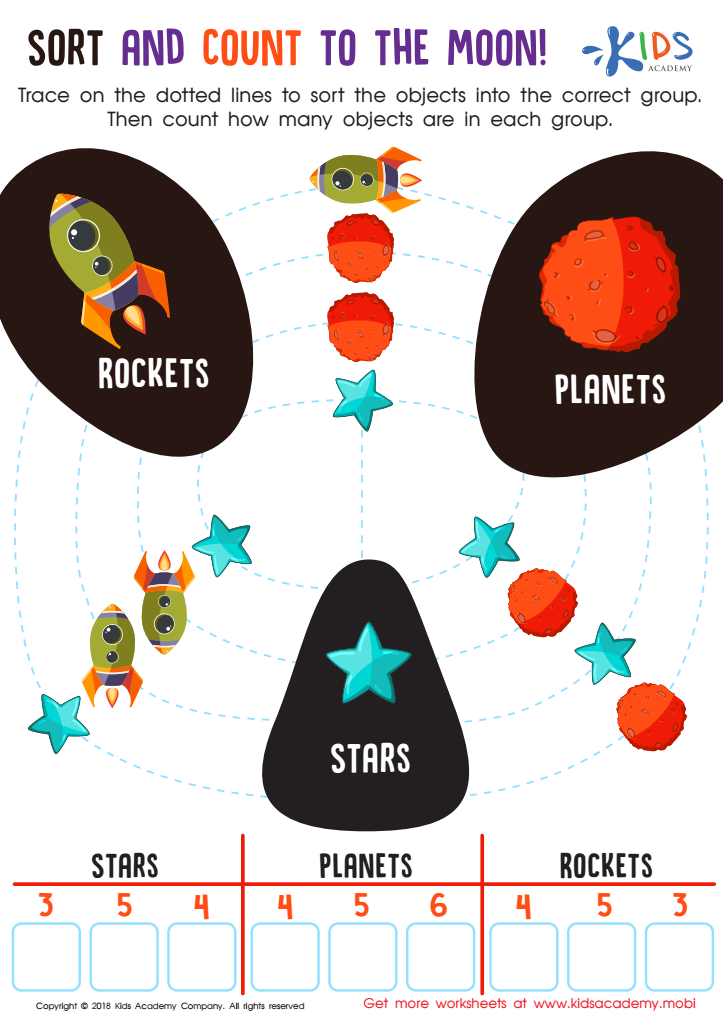
Sort and Count to the Moon Worksheet
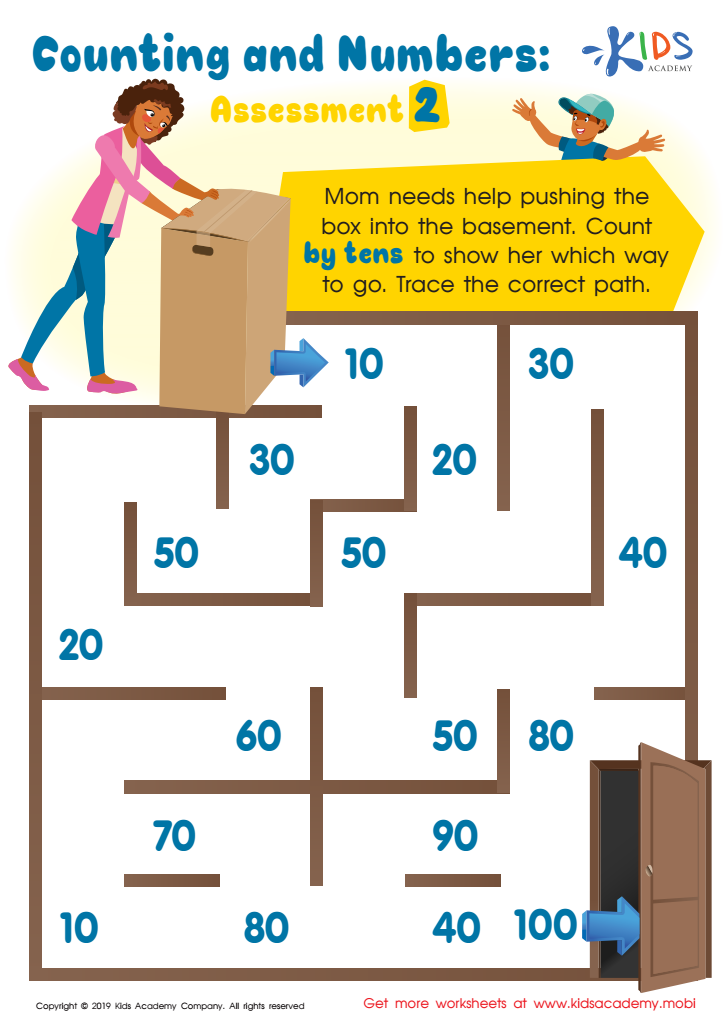
Counting and Numbers: Assessment 2 Worksheet
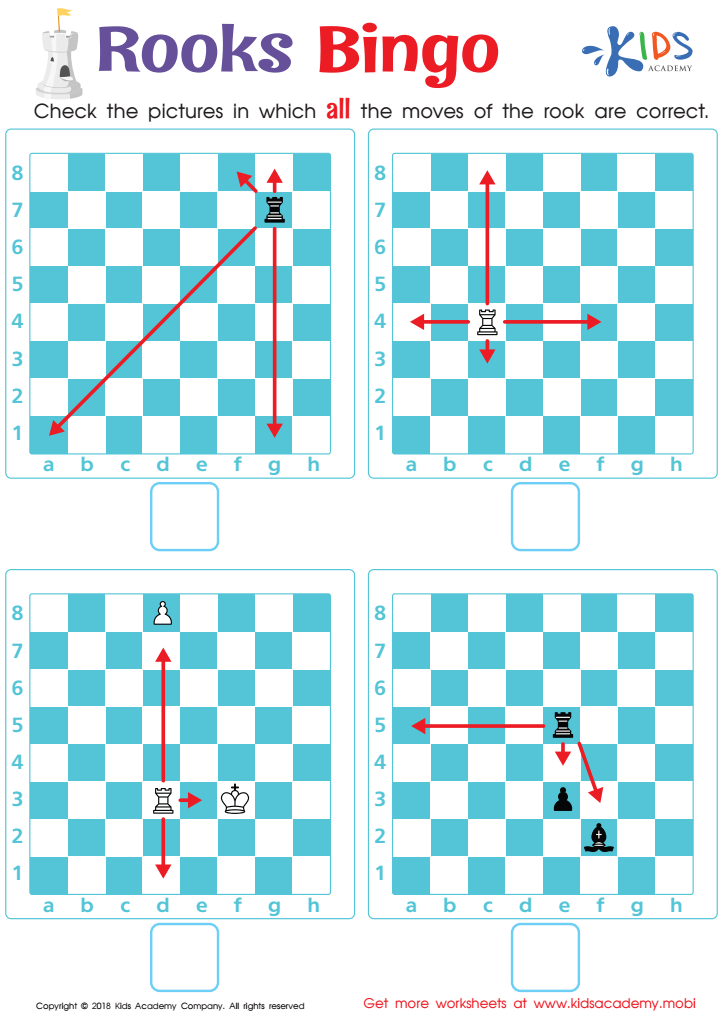
Rooks Bingo Worksheet








Recognizing patterns at an early age is crucial for 4-year-olds as it lays the foundation for their cognitive development and future academic success. Patterns help children understand the world around them by making connections and predictions, fostering critical thinking and problem-solving skills. Engaging in pattern recognition activities helps children develop their ability to organize and categorize information, which is vital in subjects like mathematics and science.
Moreover, identifying and creating patterns enhances children's memory and attention to detail. By noticing patterns, such as alternating colors or shapes, children are learning sequences, structure, and the concept of order. These skills are transferable and beneficial in learning numbers, letters, and reading, where recognizing predictable sequences is paramount.
Additionally, pattern recognition supports the development of fine motor skills and hand-eye coordination. Activities like threading beads in a specific sequence or arranging blocks not only teach patterns but also enhance physical dexterity. Socially, working on pattern activities encourages turn-taking, cooperation, and communication when done in group settings or with an adult, further aiding emotional and social development.
Therefore, parents and teachers should encourage pattern recognition through playful and educational activities. It nurtures a child's intellectual growth and sets a strong groundwork for more complex learning stages, making it an indispensable part of early childhood education.








