Understanding directions Worksheets for 4-Year-Olds
9 filtered results
-
From - To
Welcome to our "Understanding Directions Worksheets for 4-Year-Olds" page! These engaging worksheets are specifically designed to help young learners grasp essential directional concepts, enhancing their listening skills and comprehension. Our interactive activities promote spatial awareness and enable children to follow simple instructions, crucial for their cognitive development. With vibrant illustrations and age-appropriate tasks, kids will enjoy navigating through fun challenges while discovering basic directions such as "up," "down," "left," and "right." Perfect for both home and classroom use, our worksheets encourage the development of critical thinking and problem-solving skills in a playful, supportive environment. Start your child's learning journey today!
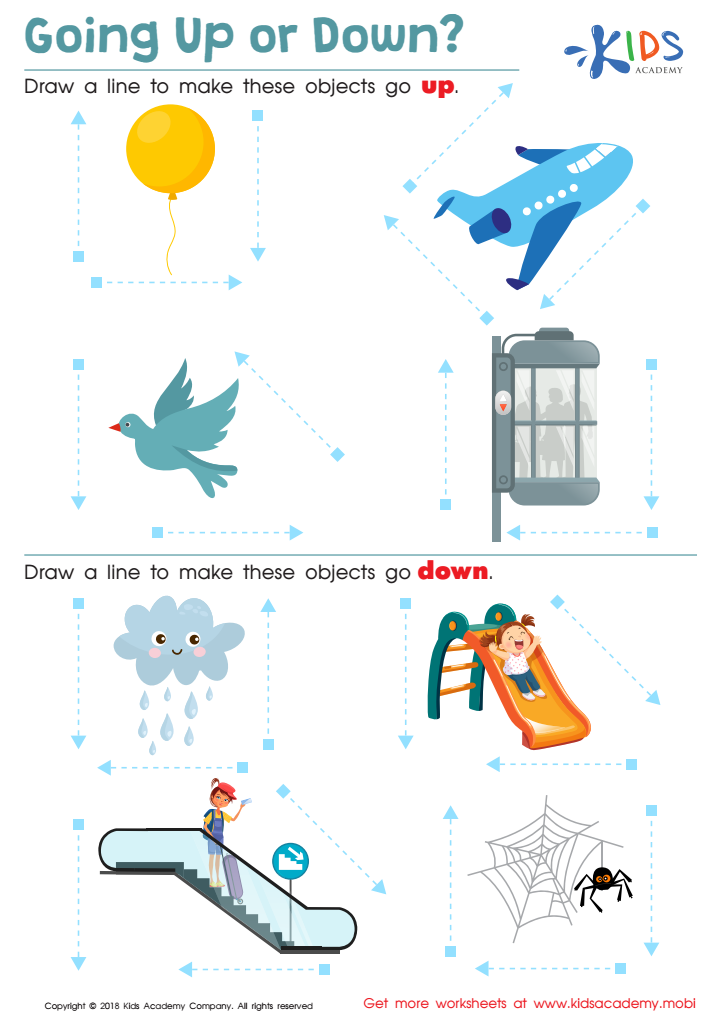
Going up or Down? Worksheet
 Assign to My Students
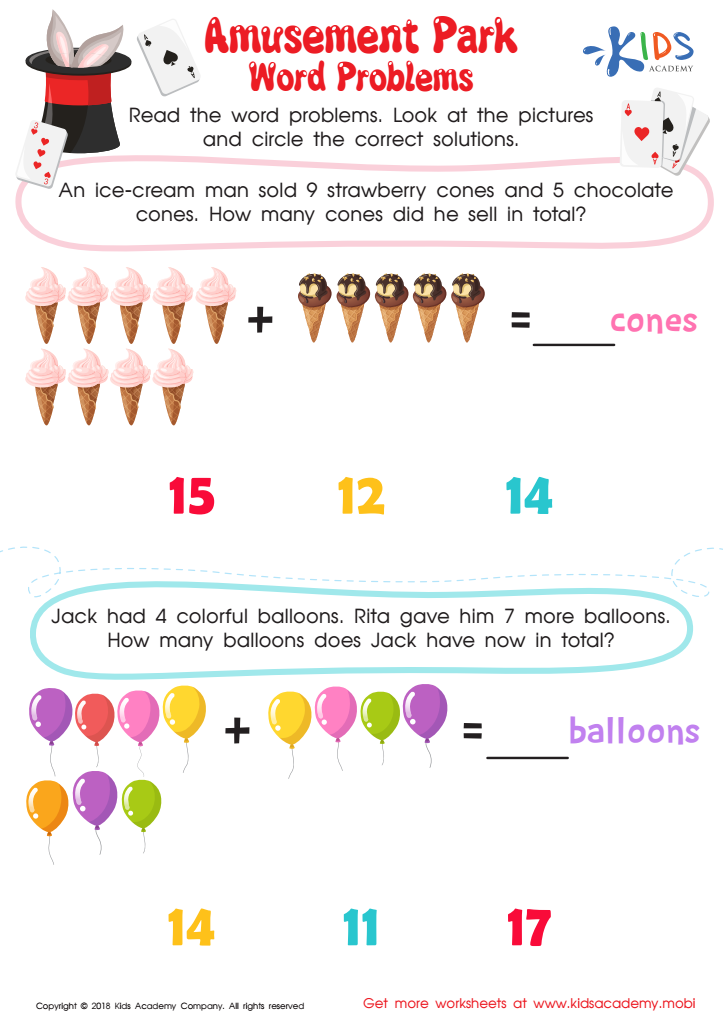
Amusement Park Word Problems Worksheet
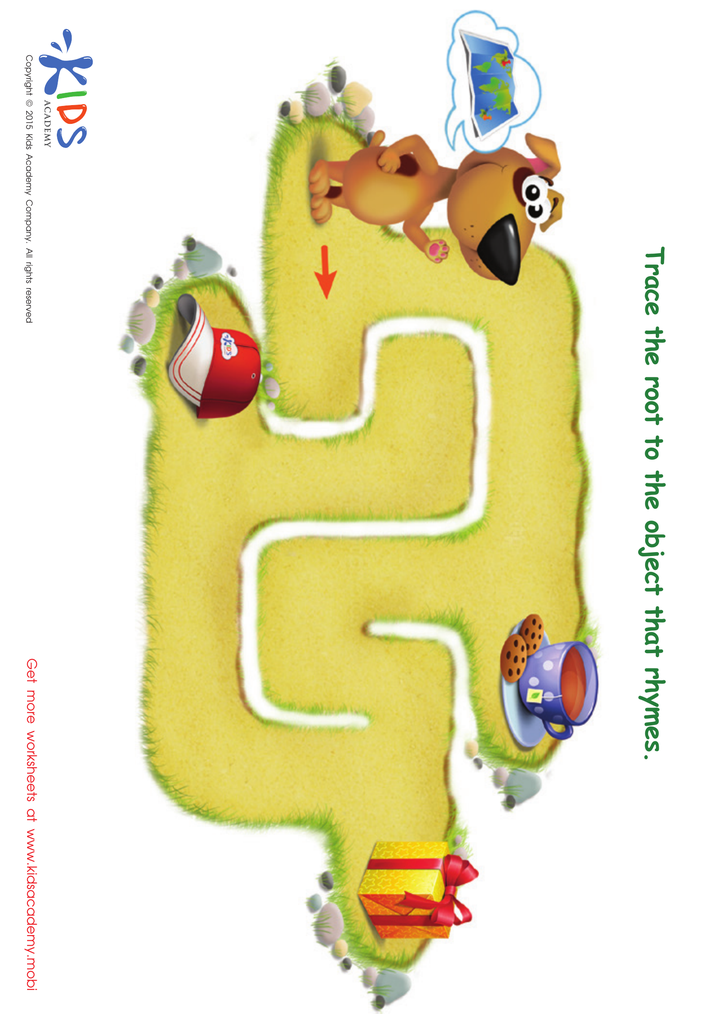
Map Rhyming Words Worksheet
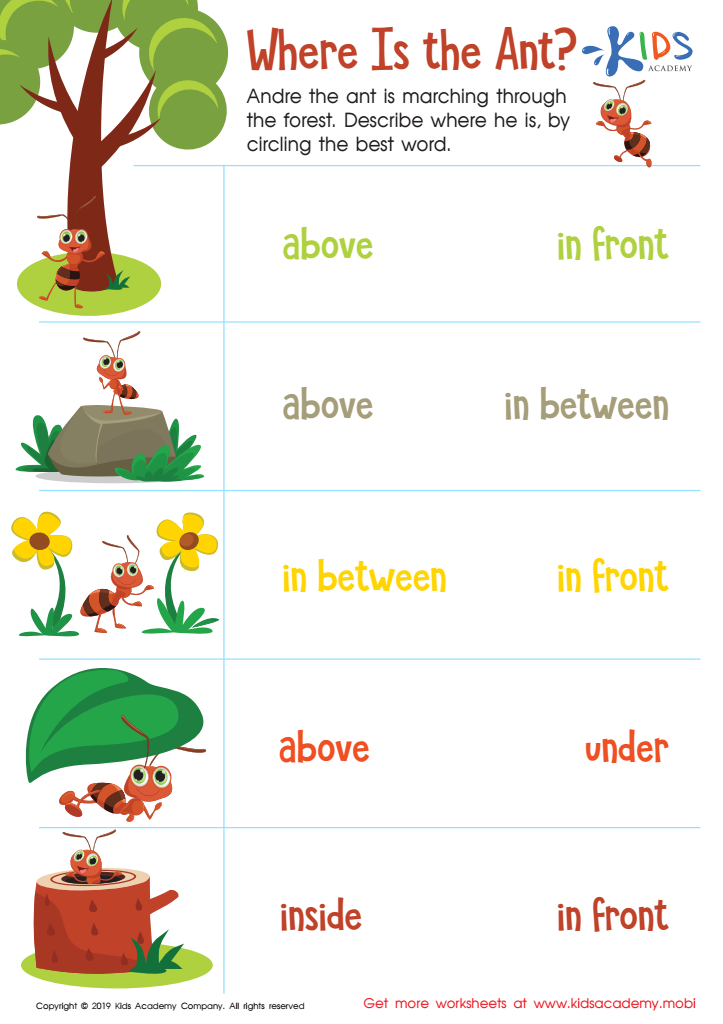
Where Is the Ant? Worksheet
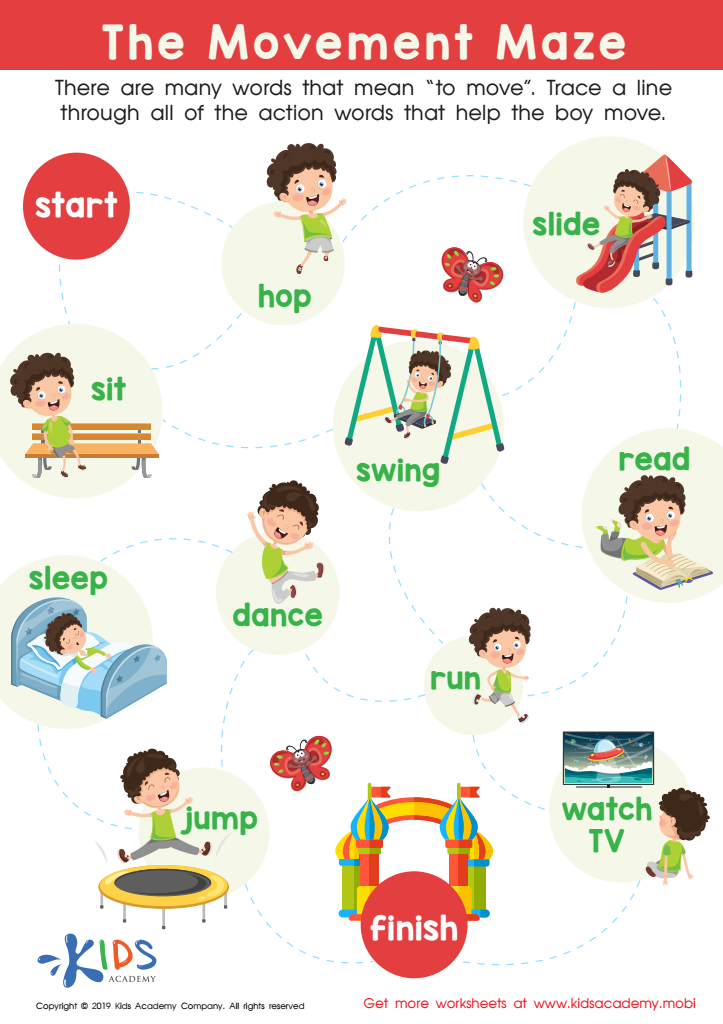
The Movement Maze Worksheet
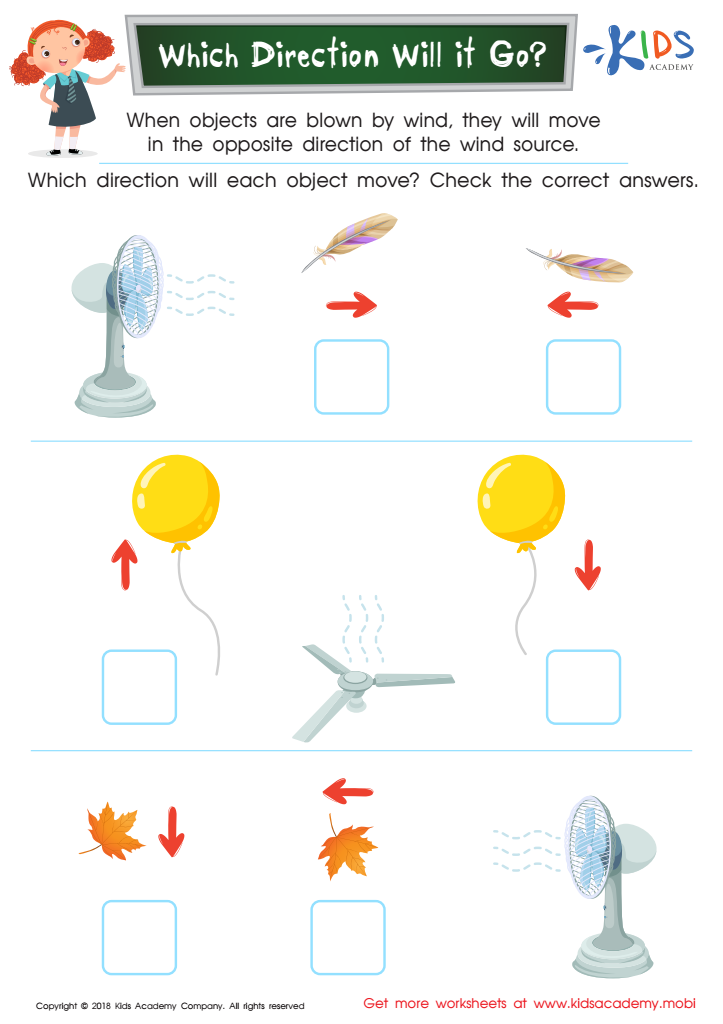
Which Direction Will it Go? Worksheet
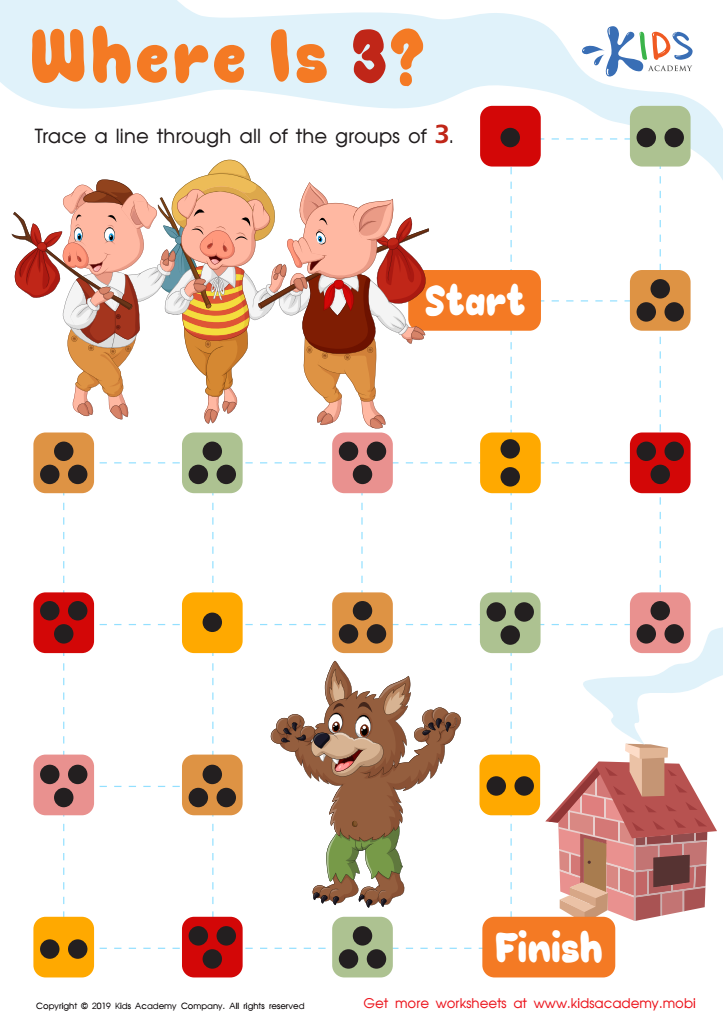
Where Is 3? Worksheet
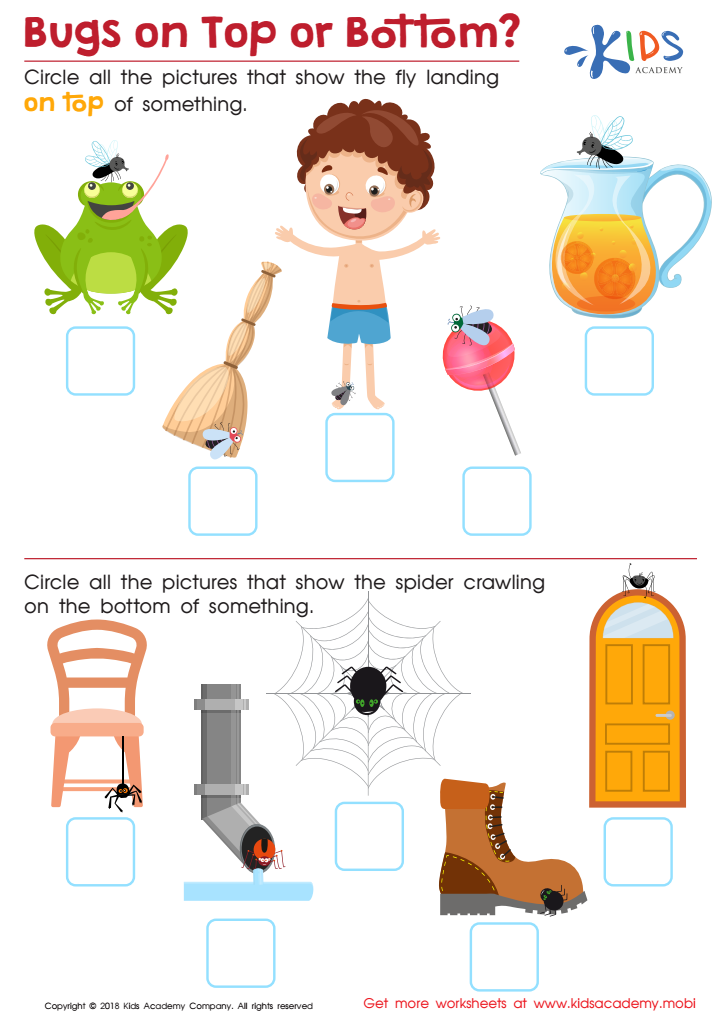
Bugs on Top or Bottom? Worksheet
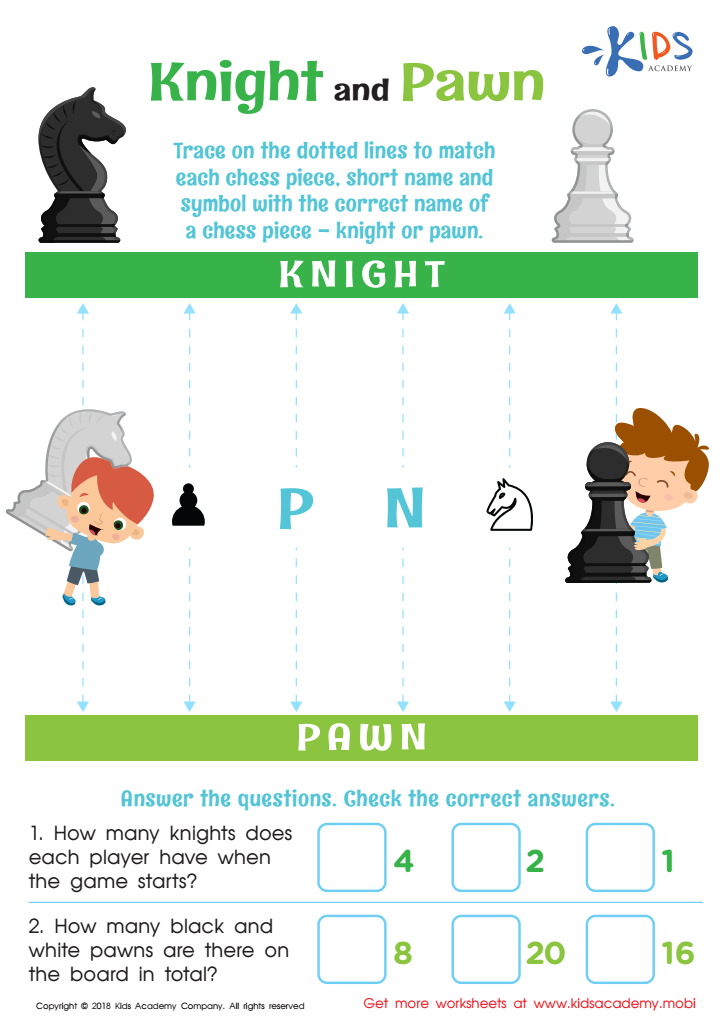
Knight and Pawn Worksheet







Understanding directions is critical for the development of 4-year-olds and directly impacts their learning and daily interactions. At this age, children are at a stage where they are beginning to grasp language concepts and develop cognitive skills that will shape their future educational experiences. When parents and teachers prioritize understanding directions, they are aiding the child's ability to process information, follow routines, and participate in group activities.
Following directions boosts a child's confidence and independence, allowing them to engage more fully in learning opportunities. It enhances their listening skills and concentration, two key components for academic success. Additionally, mastering this skill fosters communication, helping children express their needs and understand the expectations of their environment, whether at home or in a classroom setting.
Moreover, directions often come in various forms—verbal instructions, visual cues, or gestures. Encouraging comprehension of these different directives nurtures adaptable learners who can navigate through life’s multifaceted challenges. Lastly, strong direction-following abilities can reduce frustration, both for the child and the adult, ultimately contributing to a more harmonious and productive environment. Therefore, fostering this skill should be a priority for parents and educators alike.








