Understanding number values Worksheets for 4-Year-Olds
3 filtered results
-
From - To
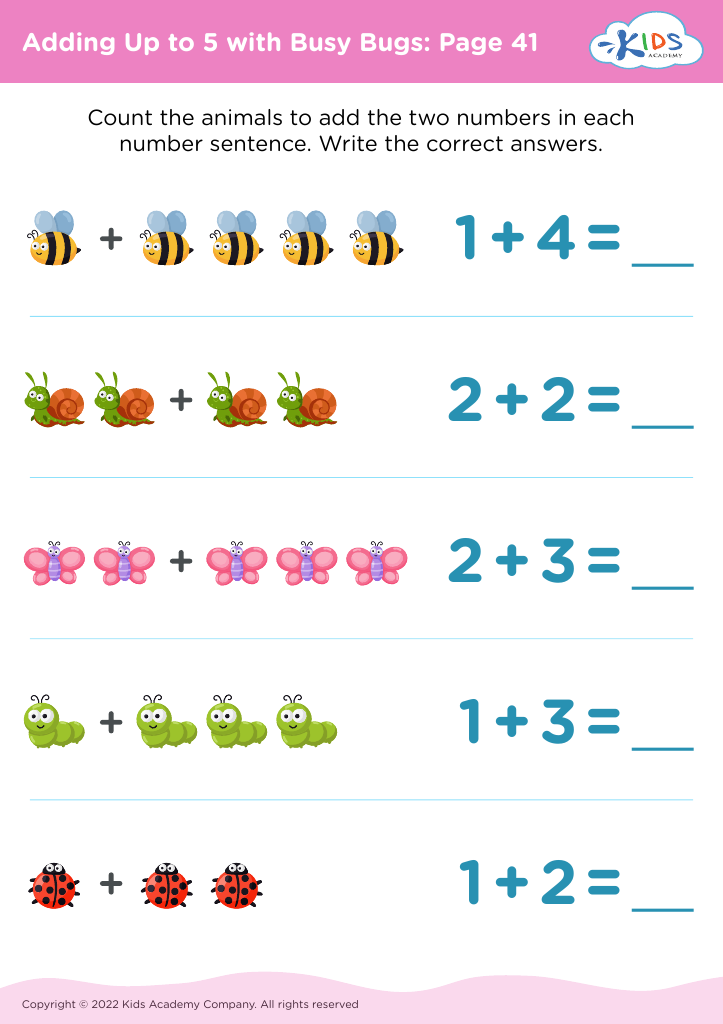
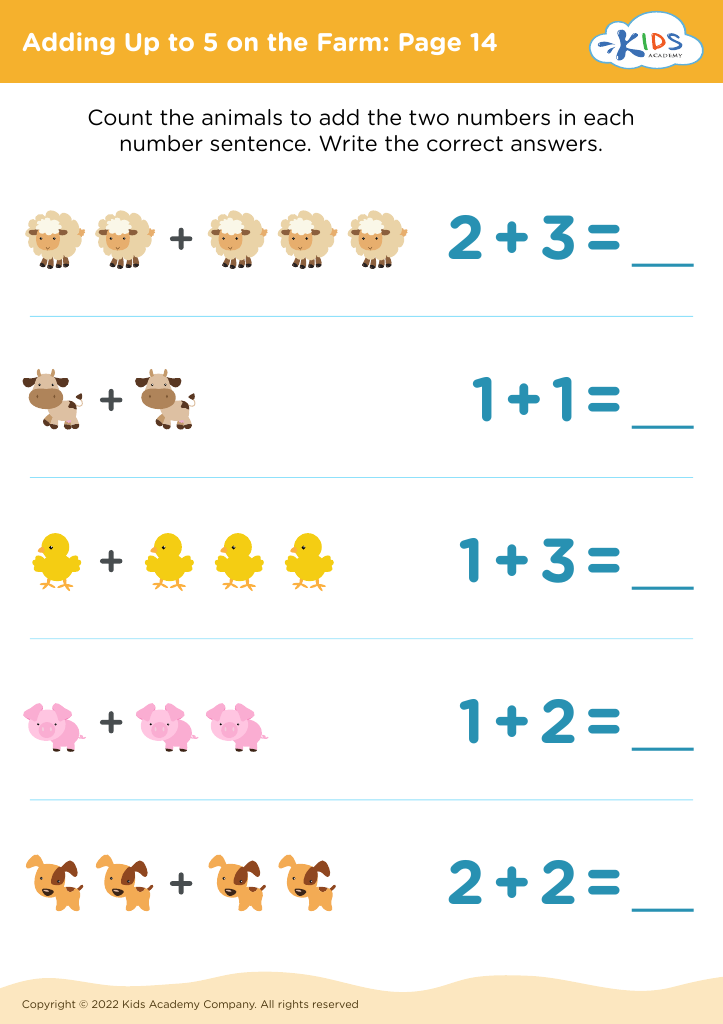
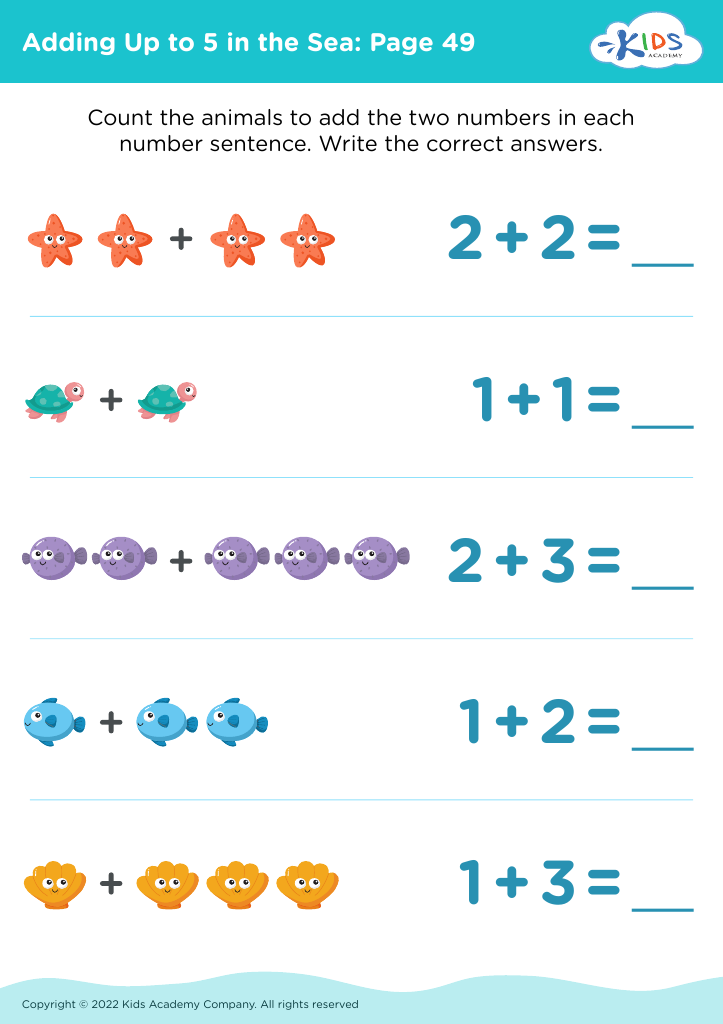
Discover our engaging "Understanding Number Values Worksheets for 4-Year-Olds," designed to cultivate essential early math skills. These printable resources introduce young learners to numbers and their values through fun, interactive activities. Crafted specifically for preschoolers, each worksheet encourages counting, number recognition, and foundational math concepts in an enjoyable way. Children explore distinct quantities through colorful illustrations and relatable examples, promoting meaningful learning experiences. Perfect for parents and educators, our worksheets foster a love for learning while honing critical thinking and problem-solving abilities. Start your child's mathematical journey today with these delightful and educational activities!







Understanding number values is crucial for 4-year-olds as it lays the foundation for their mathematical development. At this age, children are naturally curious, and introducing them to number values can foster a positive attitude toward math. When parents and teachers emphasize the importance of numbers, children develop numerical literacy, which is essential for everyday problem-solving and making sense of the world around them.
By grasping number values, young learners can better understand counting, comparison, and simple addition or subtraction. Mastering these concepts helps them with early stages of computation, enabling them to tackle more complex mathematical ideas in the future. Furthermore, early exposure to number values enhances critical thinking skills and spatial awareness, which are vital for overall cognitive development.
Additionally, integrating number values into play-based activities makes learning enjoyable and engaging, enhancing children's enthusiasm for learning. When parents and teachers work together to instill a strong foundational understanding of number values, they can support children in becoming confident learners and problem solvers. Ultimately, the skills acquired at this early age set the stage for future academic success and lifelong competencies in math. Understanding number values is not just an academic task; it's an essential life skill.








