Basic Math understanding Adding in the Sea Worksheets for 4-Year-Olds
3 filtered results
-
From - To
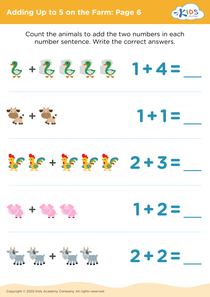
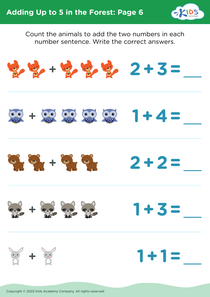
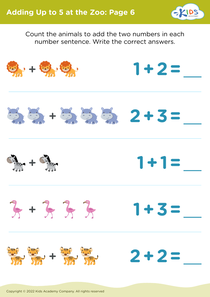
Dive into learning with our "Basic Math Understanding Adding in the Sea Worksheets" designed specifically for 4-year-olds! These engaging worksheets combine the excitement of a marine adventure with foundational math skills. Little learners will explore simple addition concepts through vivid sea-themed illustrations, making math both fun and accessible. Each worksheet emphasizes interactive learning, helping kids recognize numbers and combine quantities effectively. Ideal for preschoolers, these resources encourage critical thinking and problem-solving while fostering a love for math. Watch your child's confidence grow as they discover the world of addition in a splash-tastic way! Perfect for home or classroom use!
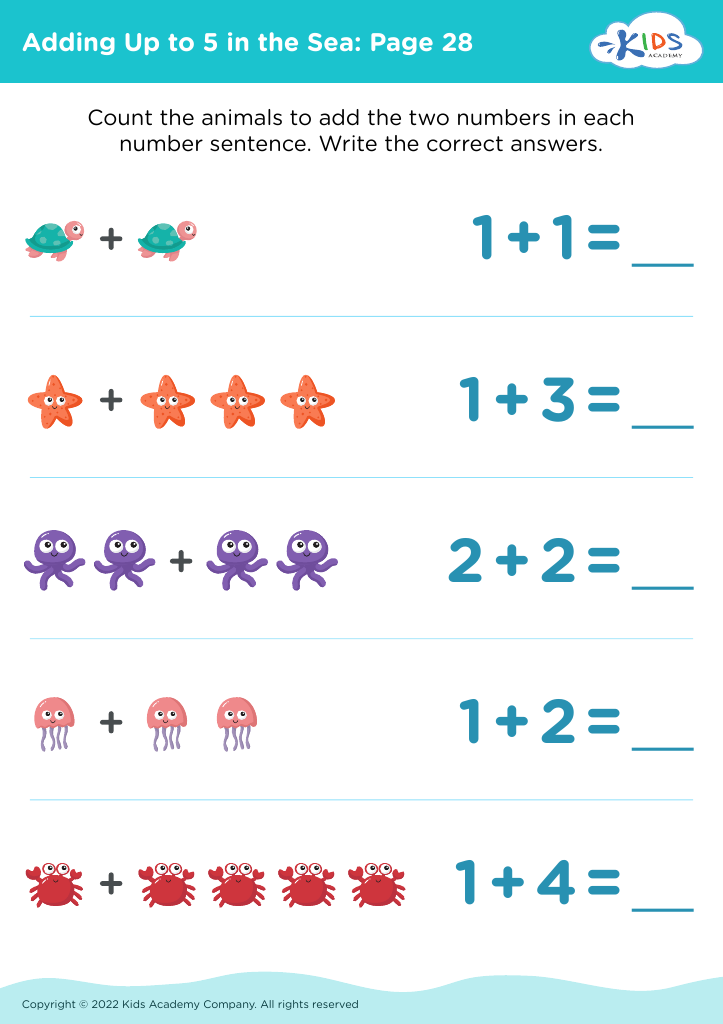
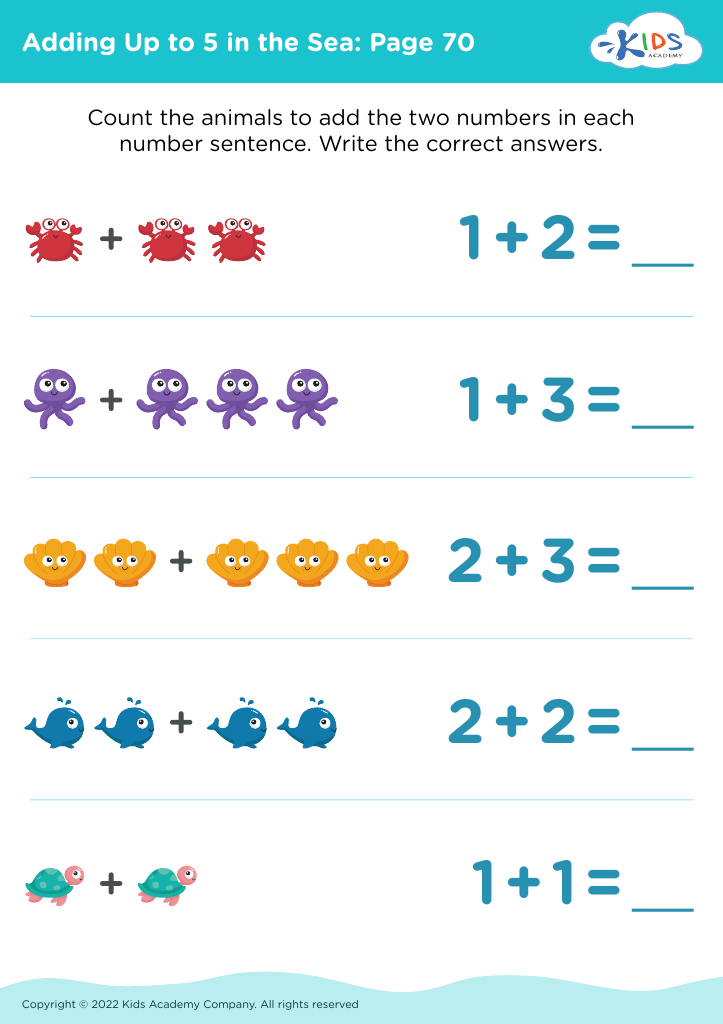
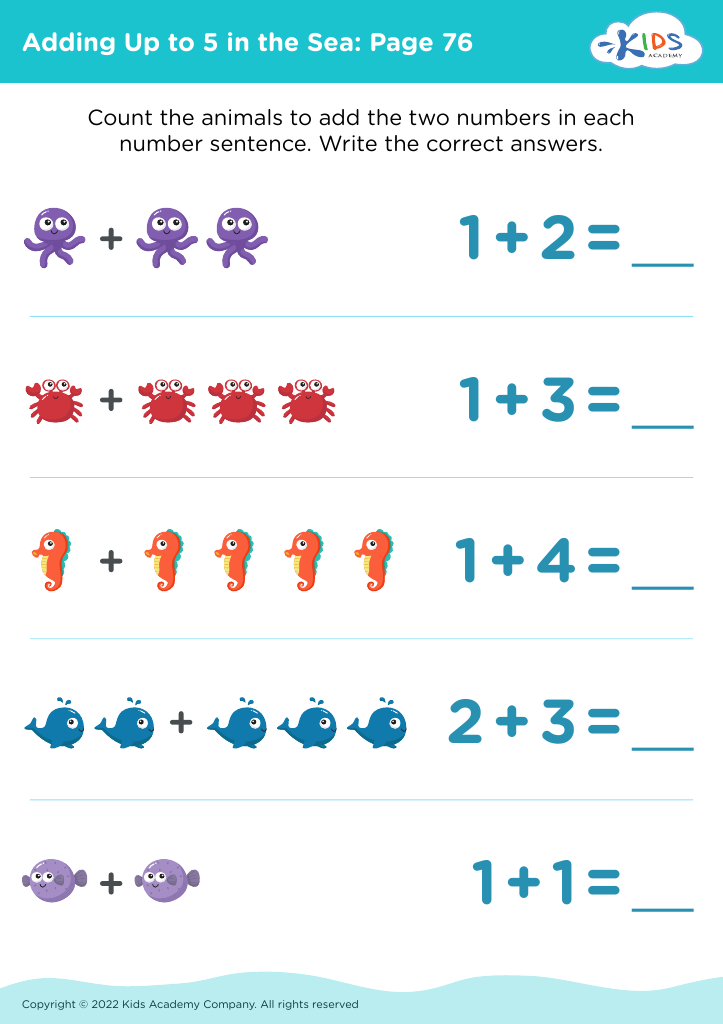



Understanding basic math, such as the concept of addition, is crucial for 4-year-olds, and activities like "Adding in the Sea" are both engaging and educational. At this age, children are naturally curious and eager to learn about the world around them. Introducing math concepts through playful methods not only piques their interest but also helps in the development of critical cognitive skills.
Parents and teachers should care because early math skills form the foundation for future academic success. Engaging children in fun activities like "Adding in the Sea" helps them associate math with play, making them more willing to explore and understand mathematical concepts. By using themes that resonate with children's interests—like marine life—educators and caregivers can create a rich learning environment that fosters both attention and enthusiasm.
Additionally, a strong grasp of basic math enhances problem-solving abilities and logical thinking. These skills are transferable not only in math but also in everyday scenarios, laying the groundwork for more advanced learning. By prioritizing fun math initiatives, we encourage children to become confident learners who embrace challenges and view learning as an enjoyable journey rather than a chore, fostering a lifelong love for knowledge and discovery.