
Number Recognition Addition Facts Worksheets for 4-Year-Olds
7 filtered results
Difficulty Level
Grade
Age
-
From - To
Subject
Activity
Standards
Discover our engaging Number Recognition Addition Facts Worksheets designed specifically for 4-year-olds! These fun and interactive resources help young learners develop essential math skills while encouraging a love for numbers. Our worksheets focus on basic addition through colorful visuals and familiar objects, making learning enjoyable and accessible. Each activity is thoughtfully crafted to enhance number recognition and improve early arithmetic skills. Perfect for preschool or at-home learning, our worksheets will empower your child to build confidence in math and stimulate their cognitive development. Start your child's math journey today with our educational and entertaining worksheets!
Favorites
With answer key
Interactive
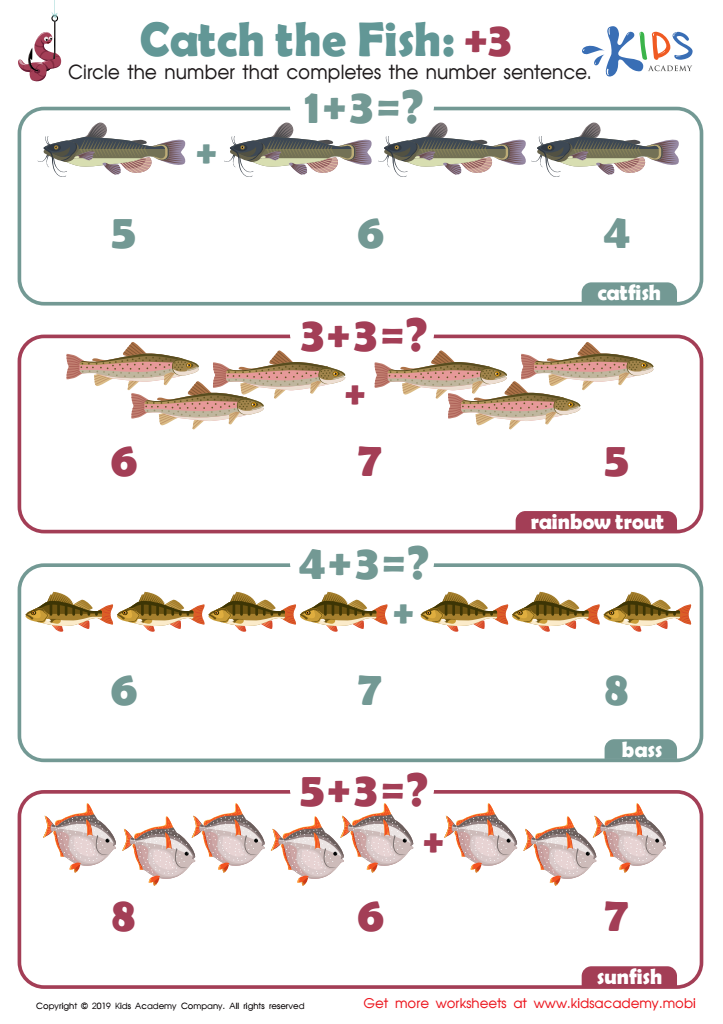
Catch the Fish: +3 Worksheet
Math may be tricky for your child, with all the numbers and calculations. This worksheet can help them brush up. Ask them to identify the objects in the picture, then count them and help them circle the right number to complete the sentence. It's a simple and effective way to improve math skills.
 Assign to My Students
Catch the Fish: +3 Worksheet
Worksheet
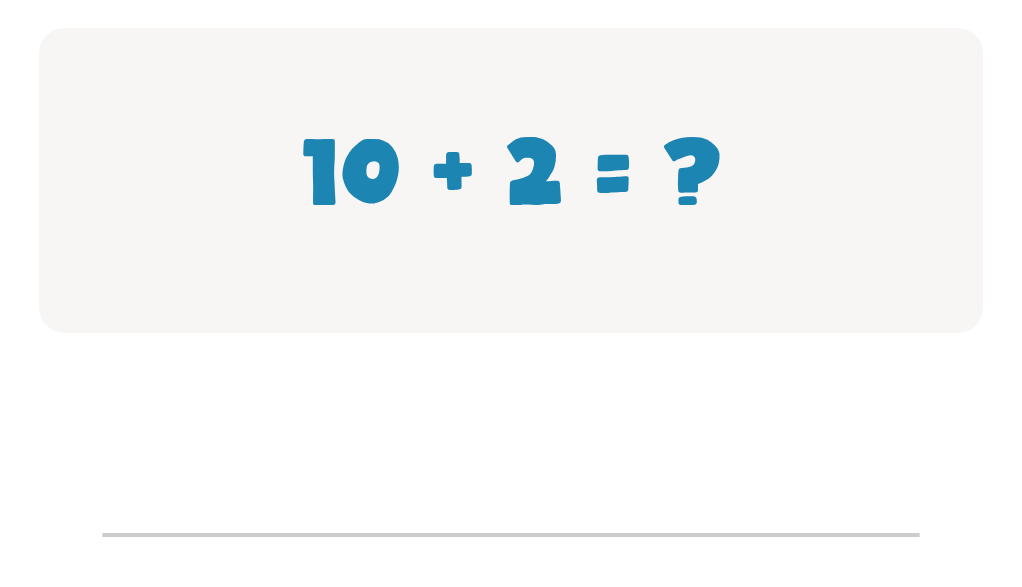

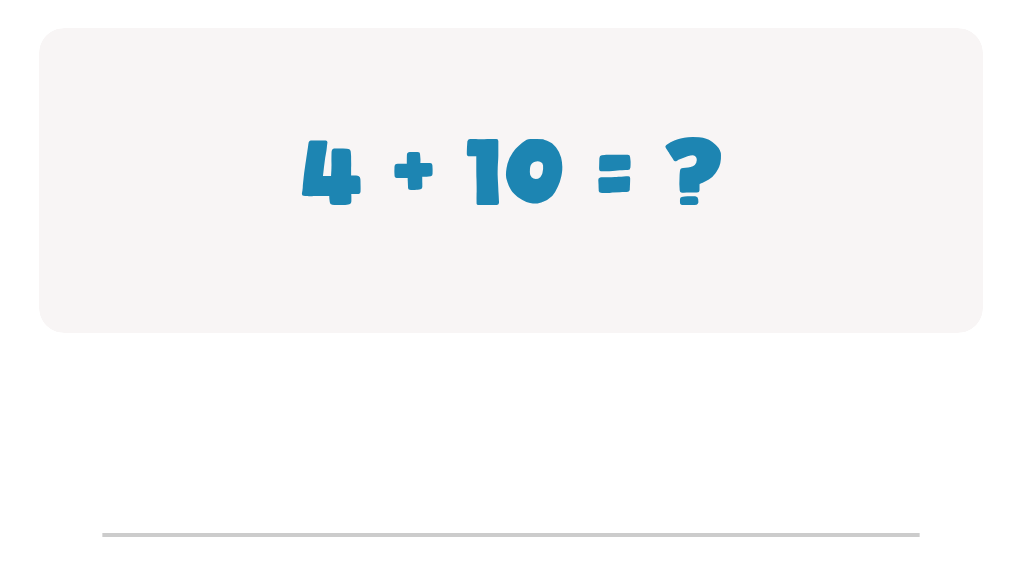
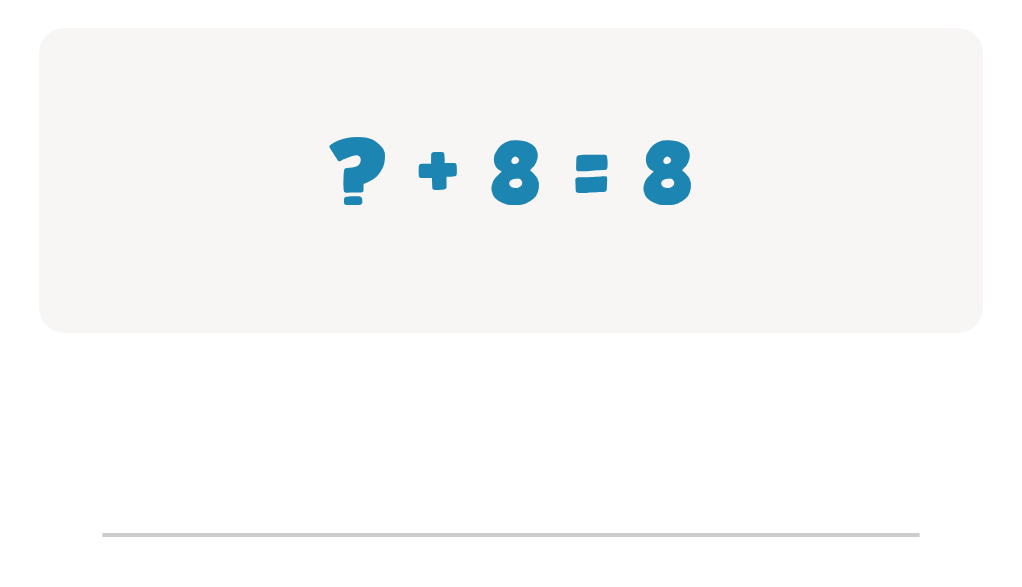

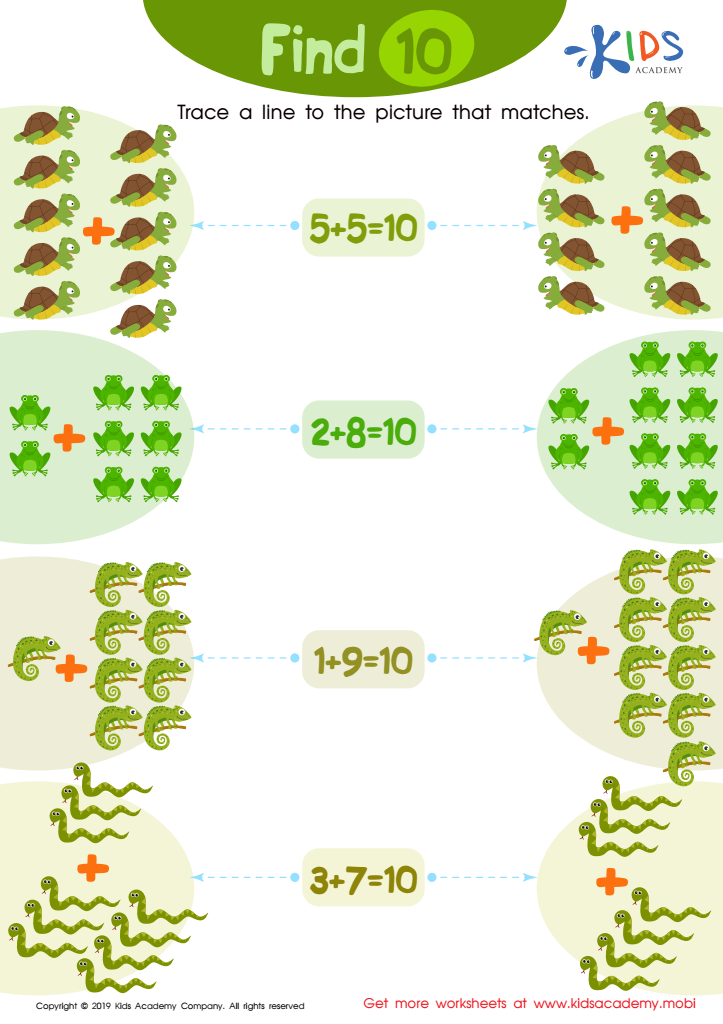
Find 10 Worksheet
Counting can be tricky, but your kids can master it with regular practice. Here's a fun activity to help: count the animals, then trace a line to the pictures that matches. With these tips, math will be an easy walk in the park.
Find 10 Worksheet
Worksheet
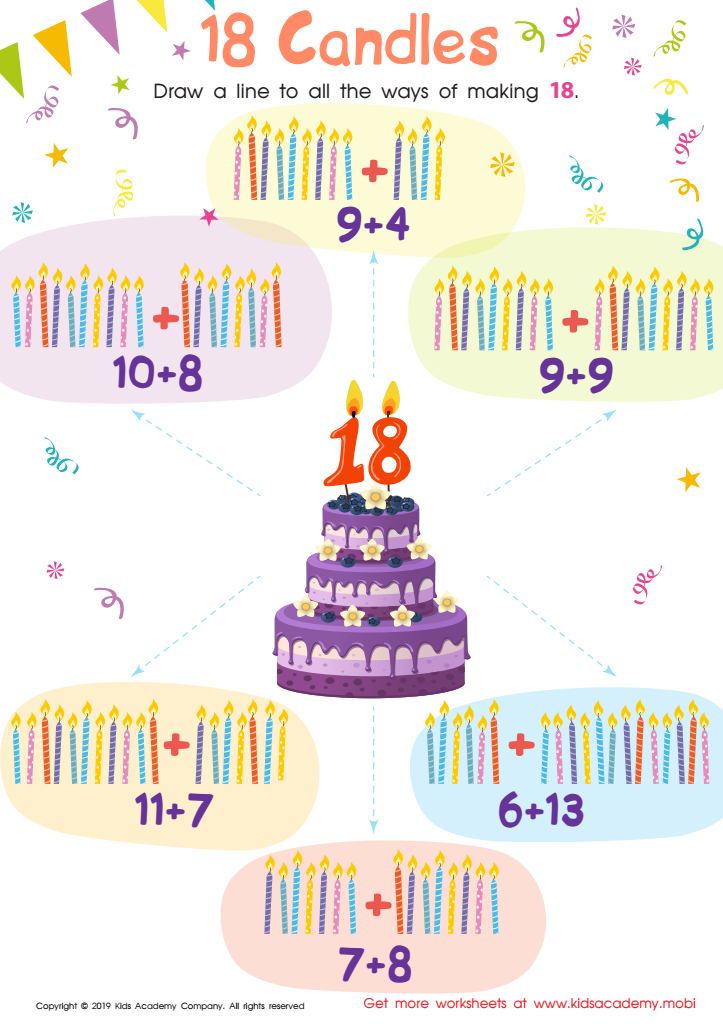
18 Candles Worksheet
This worksheet is great for introducing your students to addition and subtraction. Help your kids solve the simple equations on it and draw a line from the birthday cake with 18 on it to all the solutions. Practice like this will prepare them to tackle more complex math problems.
18 Candles Worksheet
Worksheet
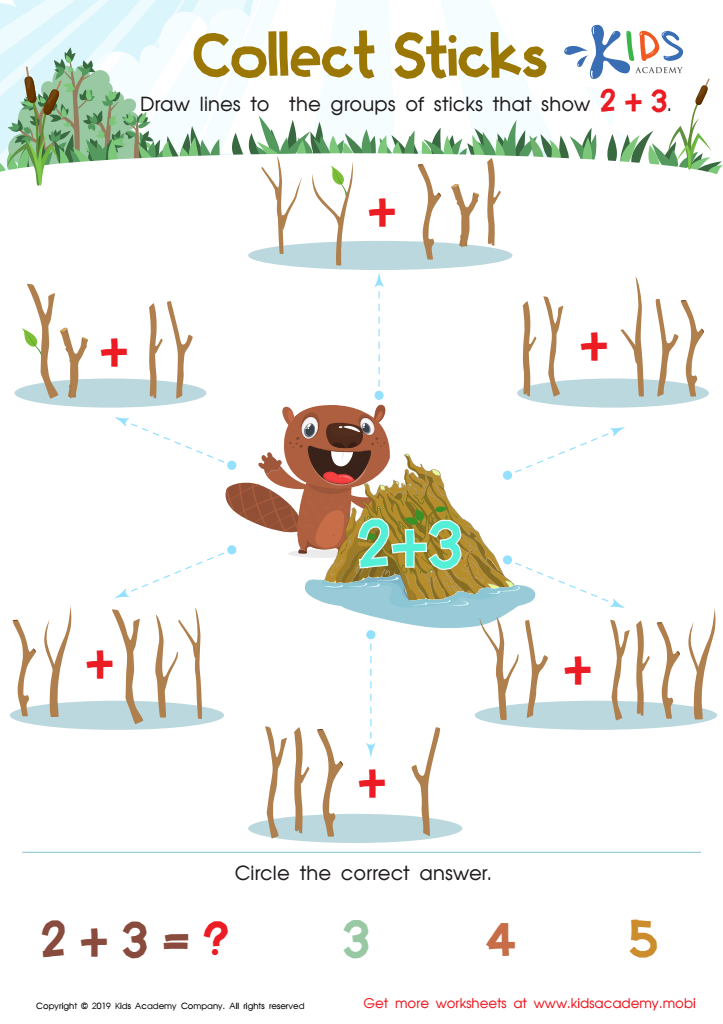
Collect Sticks Worksheet
Let math be fun for your kids with a simple and colorful worksheet exercise. Addition and subtraction can be daunting, but you can make it enjoyable with exercises like this one. Get them to draw lines to the groups of sticks that show 2+3 and watch them light up.
Collect Sticks Worksheet
Worksheet
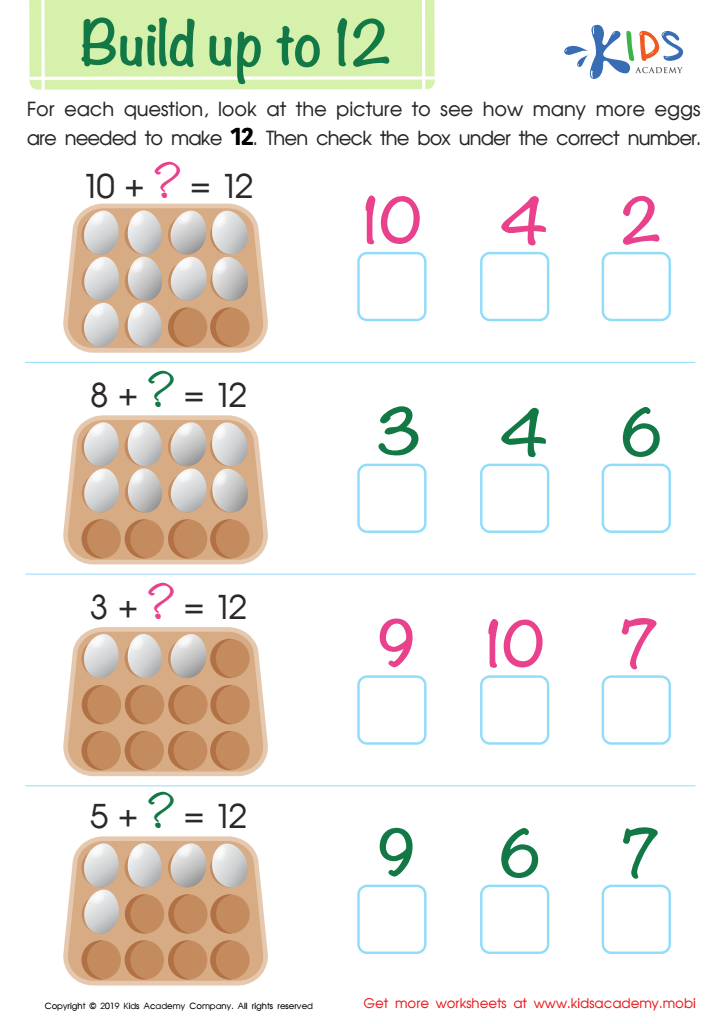
Build up to 12 Worksheet
Love eggs? Kids can identify them in the picture in this worksheet. We need to add numbers to make 12. Look at the picture and see how many eggs are needed. Check the correct number box. Breakfast or baking, eggs are essential!
Build up to 12 Worksheet
Worksheet
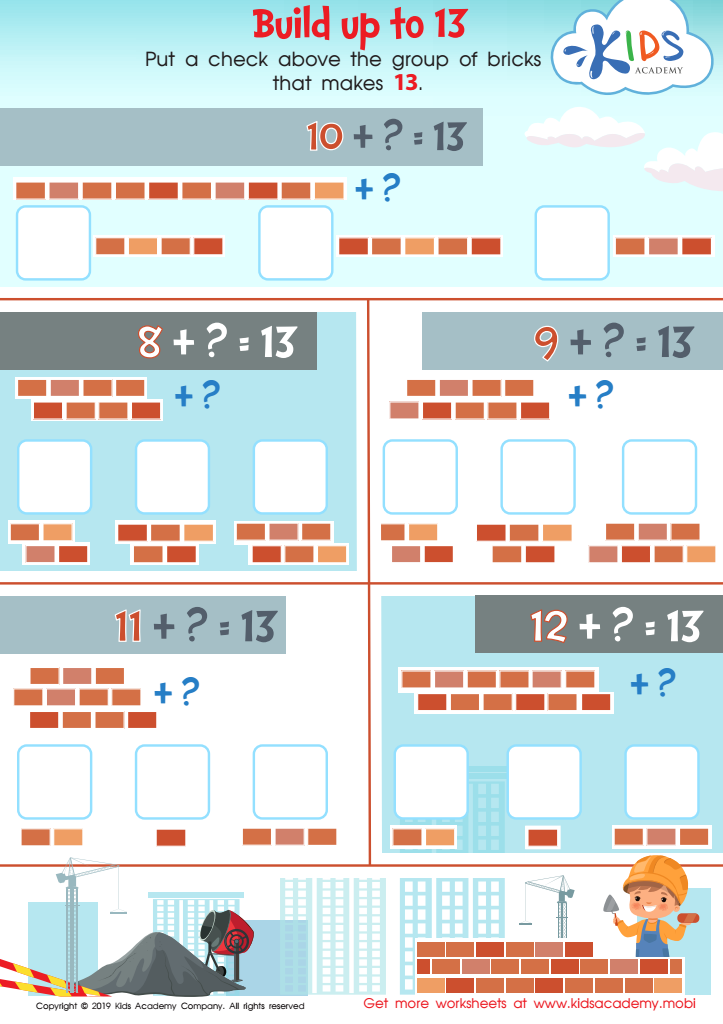
Build up to 13 Worksheet
Help your kids master addition and subtraction with this worksheet! It'll help clear up any confusion they may have with adding different numbers. Have them add up the simple equations and mark the group of bricks that makes 13. It's a great way for them to get familiar with the basics.
Build up to 13 Worksheet
Worksheet
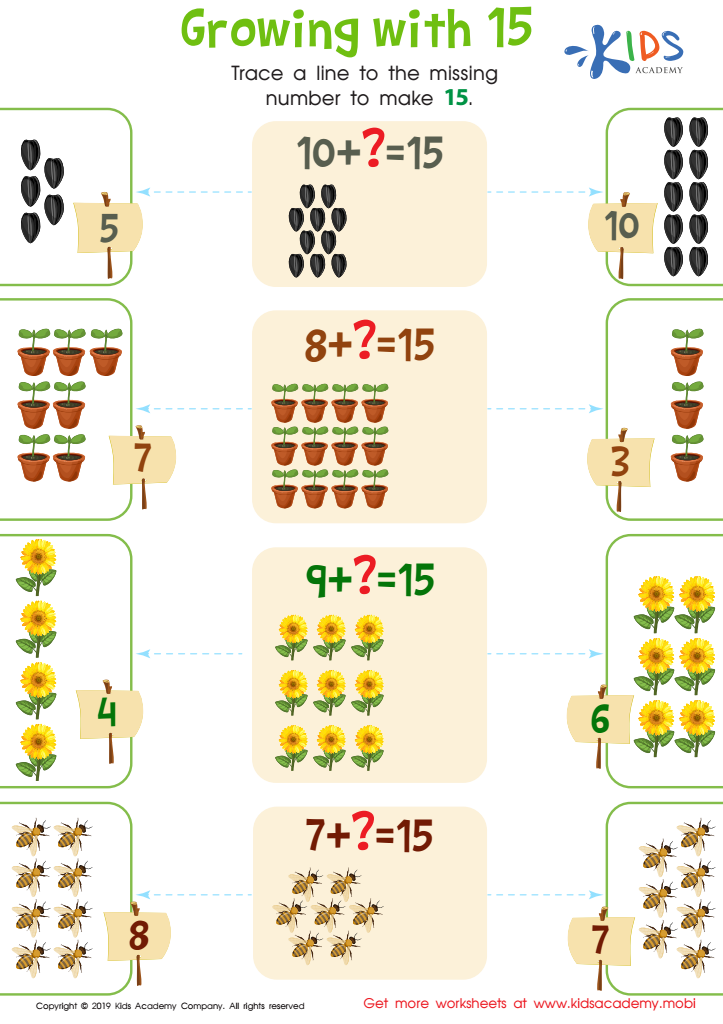
Growing with 15 Worksheet
Remind your kids that adding different sets of numbers can give the same total (e.g. 2+3=5, 4+1=5). Test their understanding by asking them for more examples. Move onto the worksheet: count objects, then trace the line to the number making a total of 15.
Growing with 15 Worksheet
Worksheet
Join Kids Academy for Free
Who is primarily going to use this learning content?








Number recognition and addition facts are fundamental skills that serve as the building blocks for a child’s early mathematical understanding. For 4-year-olds, learning to recognize numbers lays the groundwork for their ability to more complex mathematical concepts in later years. When parents and teachers prioritize these skills, it fosters a strong mathematical foundation, encouraging confidence in children as they engage with numbers.
Understanding addition facts at this age, such as basic sums like 1+1 or 2+3, enhances cognitive development and critical thinking. It introduces young learners to problem-solving strategies, preparing them for future academic challenges. Moreover, number recognition ties into various aspects of daily life, aiding children in recognizing patterns, shapes, and sequences that are essential for overall literacy and logical reasoning.
Additionally, engaging children in fun and interactive ways—through games, songs, and hands-on activities—can make learning joyful and effective. This approach not only cultivates a love for math but also enhances parent-teacher partnerships in supporting young children's learning journeys. By focusing on these early mathematical skills, parents and teachers acknowledge their crucial role in shaping children’s lifelong attitudes toward learning and mathematics.








