Developing Concentration Addition & Subtraction Worksheets for 4-Year-Olds
5 filtered results
-
From - To
Discover engaging and fun worksheets designed to develop concentration in addition and subtraction for 4-year-olds. Our colorful and interactive activities stimulate young minds while enhancing foundational math skills. With a variety of exercises, children will enjoy practicing simple additions and subtractions, improving their focus and cognitive abilities. Each worksheet is crafted to provide a balance of challenge and fun, making learning a joyful experience. Perfect for parents and teachers, these worksheets seamlessly integrate into any educational setting, fostering early numeracy skills while encouraging kids to concentrate and engage wholeheartedly. Explore our resources to give your child the tools for early math success!
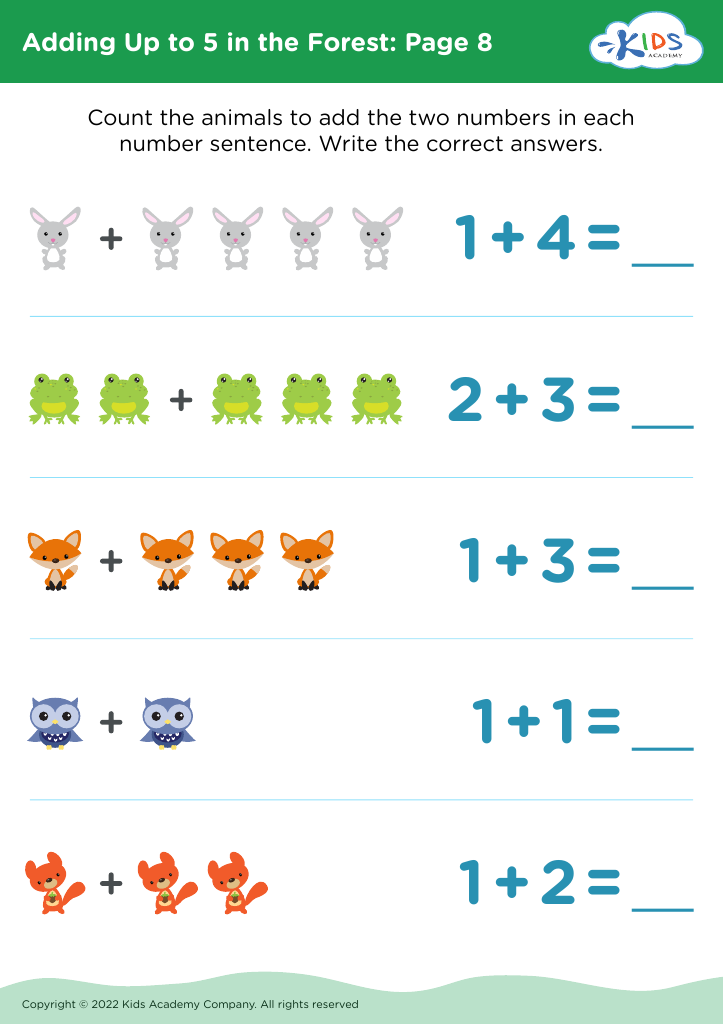
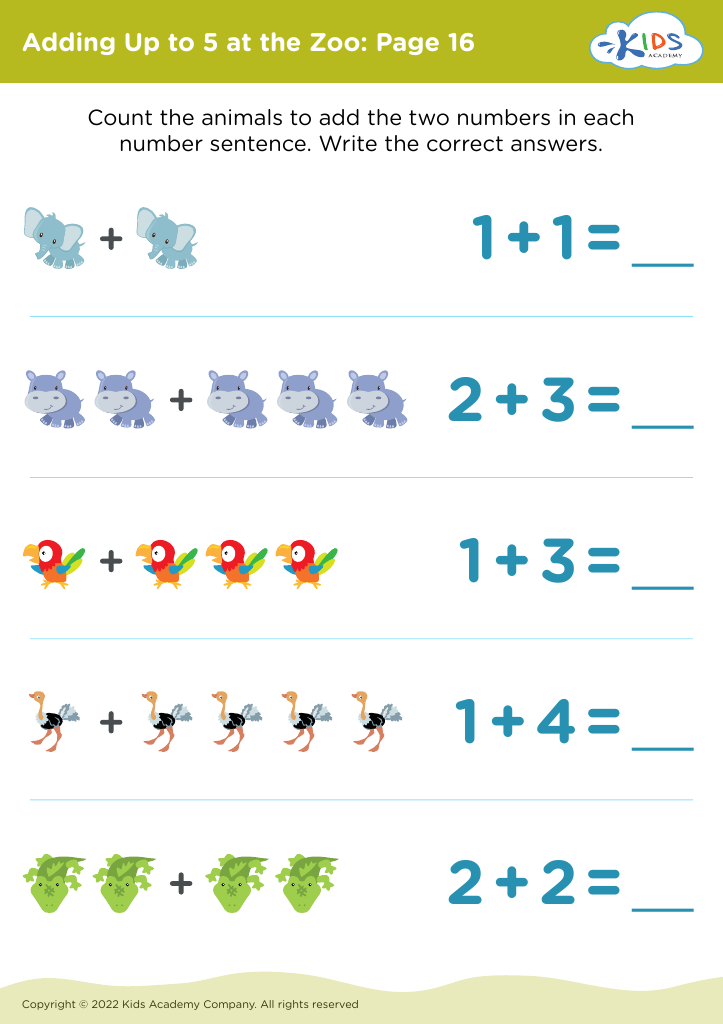
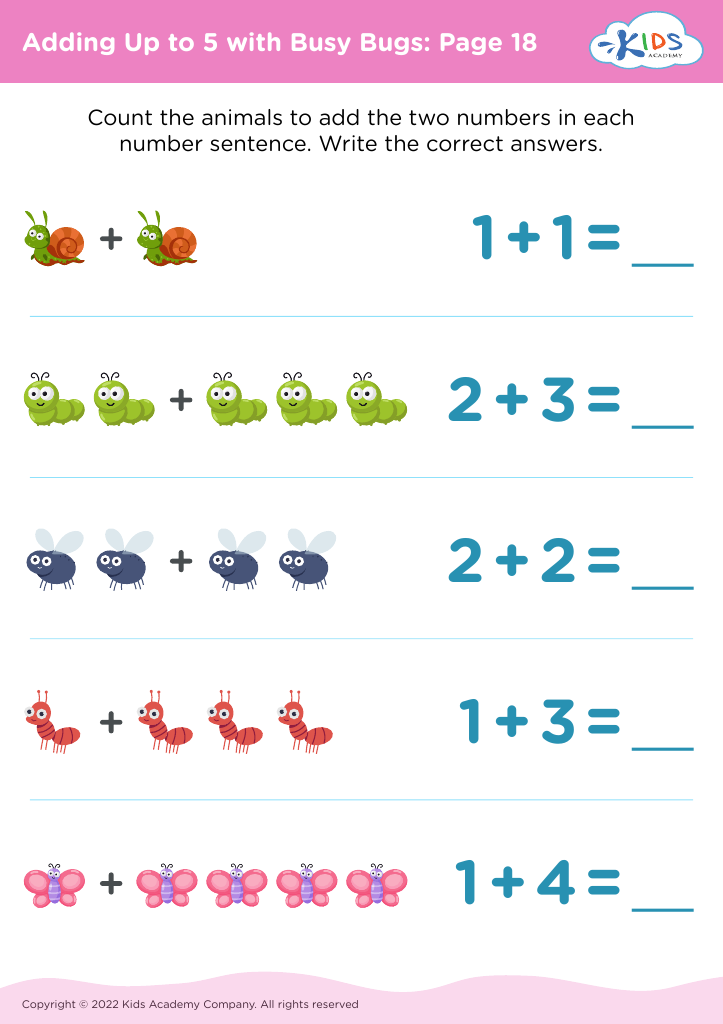
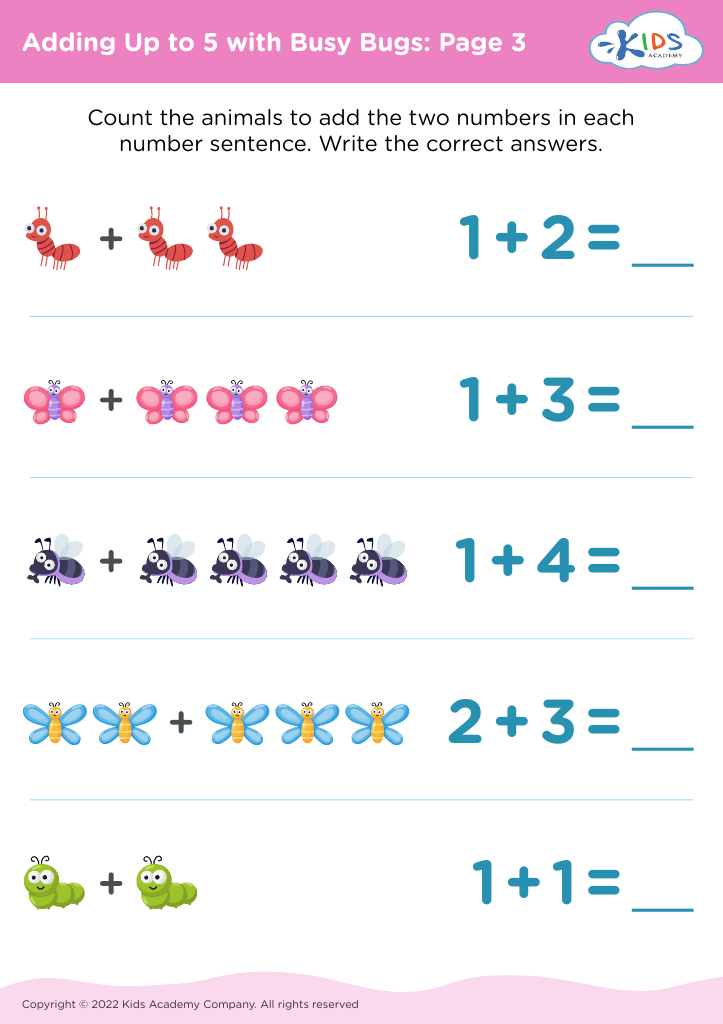
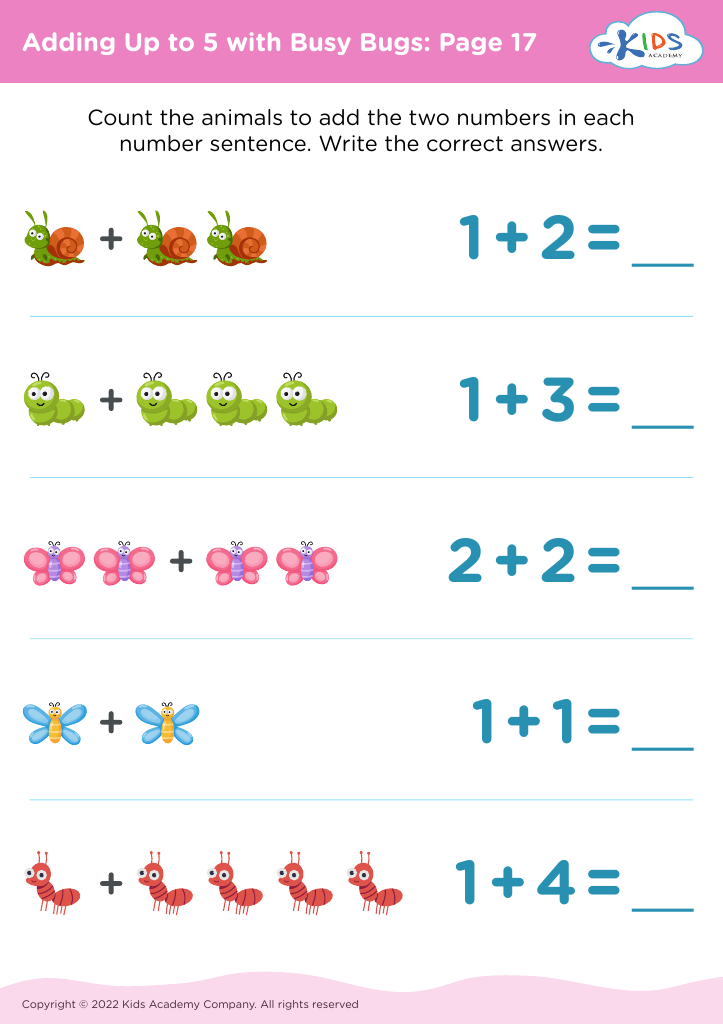








Developing concentration in addition and subtraction for 4-year-olds is essential for holistic cognitive growth and future academic success. At this age, children are naturally curious and eager to learn; nurturing their engagement with foundational math concepts fosters a positive attitude toward learning. When children practice addition and subtraction, they not only grasp basic arithmetic but also enhance their problem-solving skills and critical thinking abilities.
Furthermore, concentration during these activities helps enhance mental discipline, as children learn to focus their attention on tasks and navigate through challenges. This heightened focus can significantly improve their overall learning experience, making them more adept at grasping complex concepts later in life.
Engaging young learners in fun, interactive math games while building their concentration not only promotes social skills through teamwork but also boosts their confidence, setting a strong foundation for future learning. Parents and teachers, therefore, play a crucial role in creating an environment that encourages this development. By incorporating math in playful, everyday contexts, they can cultivate a love for learning and pave the way for a successful academic journey, nurturing responsible, capable learners who embrace new challenges.








